
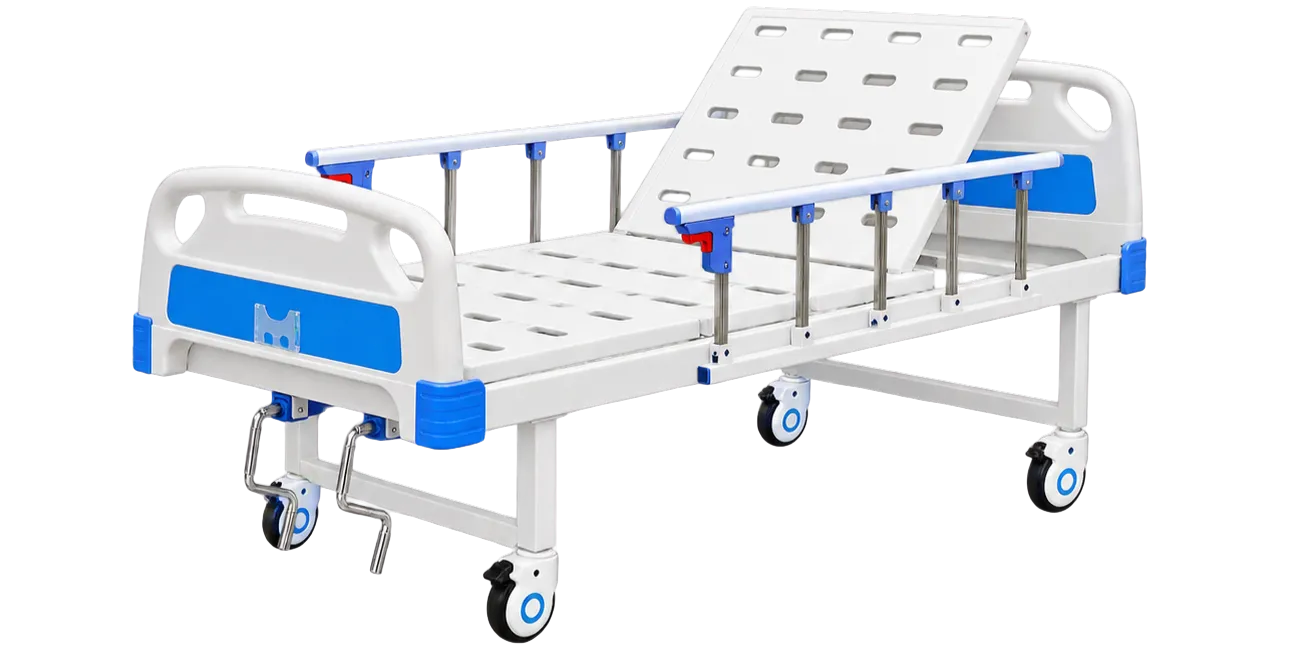






Residential and nursing care rooms are the main setting. A resident who sits up for meals and is lowered again for rest goes through the two-section sequence several times a day, and doing it in a consistent order is the difference between a neutral change of position and a small repeated insult to the tissue over the sacrum. Write the sequence into the familiarisation session, not just the handle positions.
Long-stay and continuing care wards get the same benefit over a longer horizon. Shear damage accumulates rather than announcing itself, so the value of a consistent order shows up in skin condition weeks later rather than at the bedside. Include the sequence in the care plan and check periodically that it is being followed, particularly where bank or agency staff attend.
Settings carrying rotating staff should treat the section allocation as induction material. Two handles that look alike need a briefing that names which does what, and that briefing cannot be written until the seller confirms the allocation. Ask for it at quotation and put it on the equipment record so every subsequent placement inherits it.
Estates and facilities teams should be consulted before installation, since the frame is static and four fixed feet load the same floor points continuously. Coating condition belongs on the same inspection record as the mechanisms. Procurement routes across NHS trusts, local authority equipment services and independent providers each ask for their own evidence. The conformity documentation those procurement routes require is issued by the manufacturer and provided by the seller.