
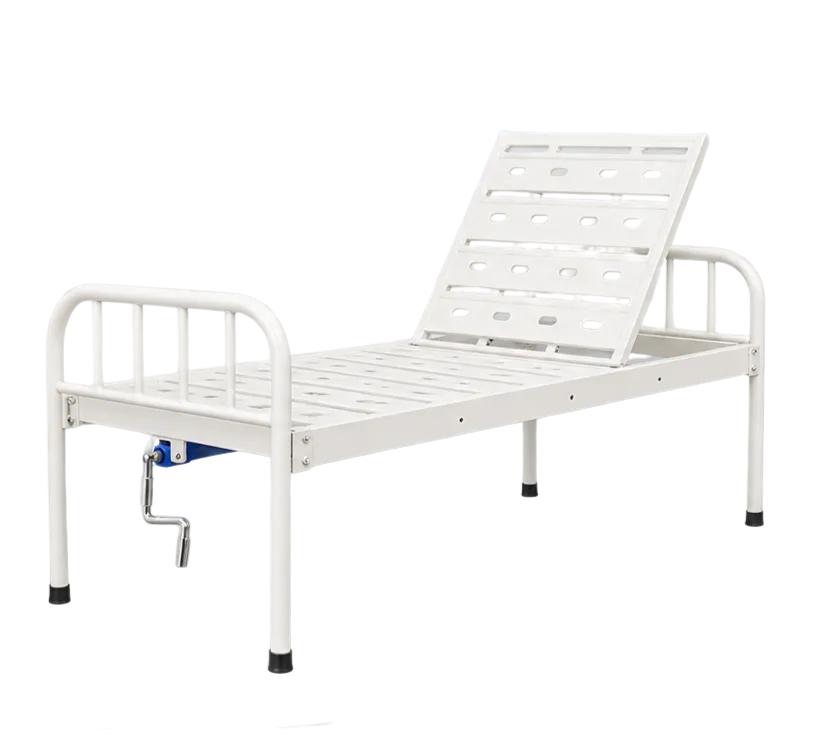
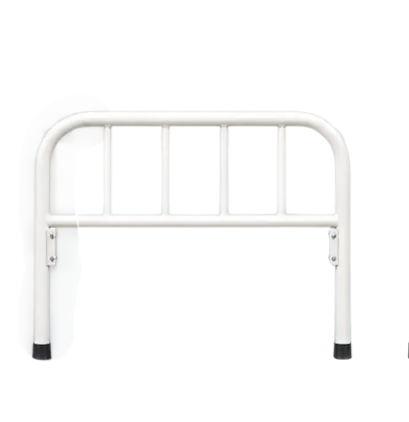
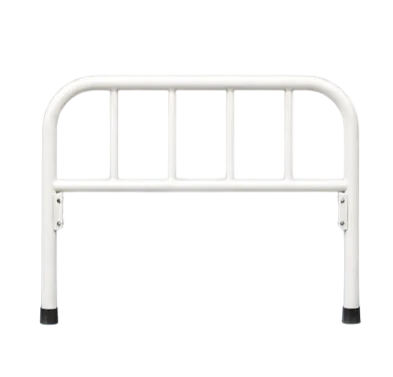
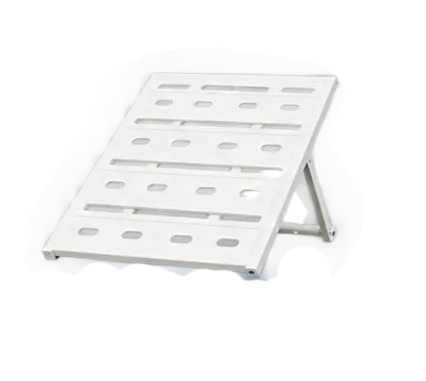
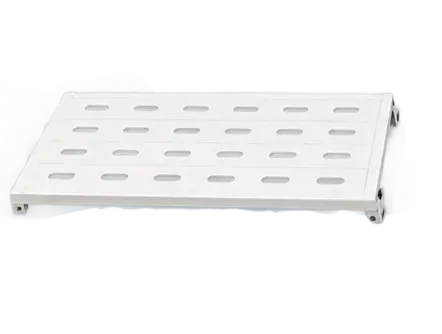



Residential and continuing care rooms are the natural setting. A resident who stays in one room for months, needs the head raised and is transferred with assistance is well served by four lines of specification, and a static frame in a dry, heated bedroom is the gentlest environment a painted finish will meet. Establish the deck height before allocating, since it is fixed for the placement.
Long-stay wards and annexes use the same combination where positioning needs are modest. The absence of a motor, a battery, castors and brakes leaves very few things to inspect, which makes the finish the item most likely to determine when the bed is withdrawn. Put it on the inspection sheet alongside the rocker mechanism rather than treating it as cosmetic.
Older premises deserve particular attention. Buildings with variable heating, condensation on external walls, or floors cleaned wet and often are harder on coatings than a modern ward, and the sheet gives nothing to assess that against. Obtain the coating specification and any cleaning-agent advice before committing beds to those rooms, and ask about touch-up availability at the same time.
Reserve and contingency stock suits a frame with nothing to condition in storage. Confirm that storage conditions are dry, since a painted frame standing in an unheated store is exposed for as long as it waits. Procurement routes across NHS trusts, local authority equipment services and independent providers each ask for their own evidence. The conformity documentation those procurement routes require is issued by the manufacturer and provided by the seller.