
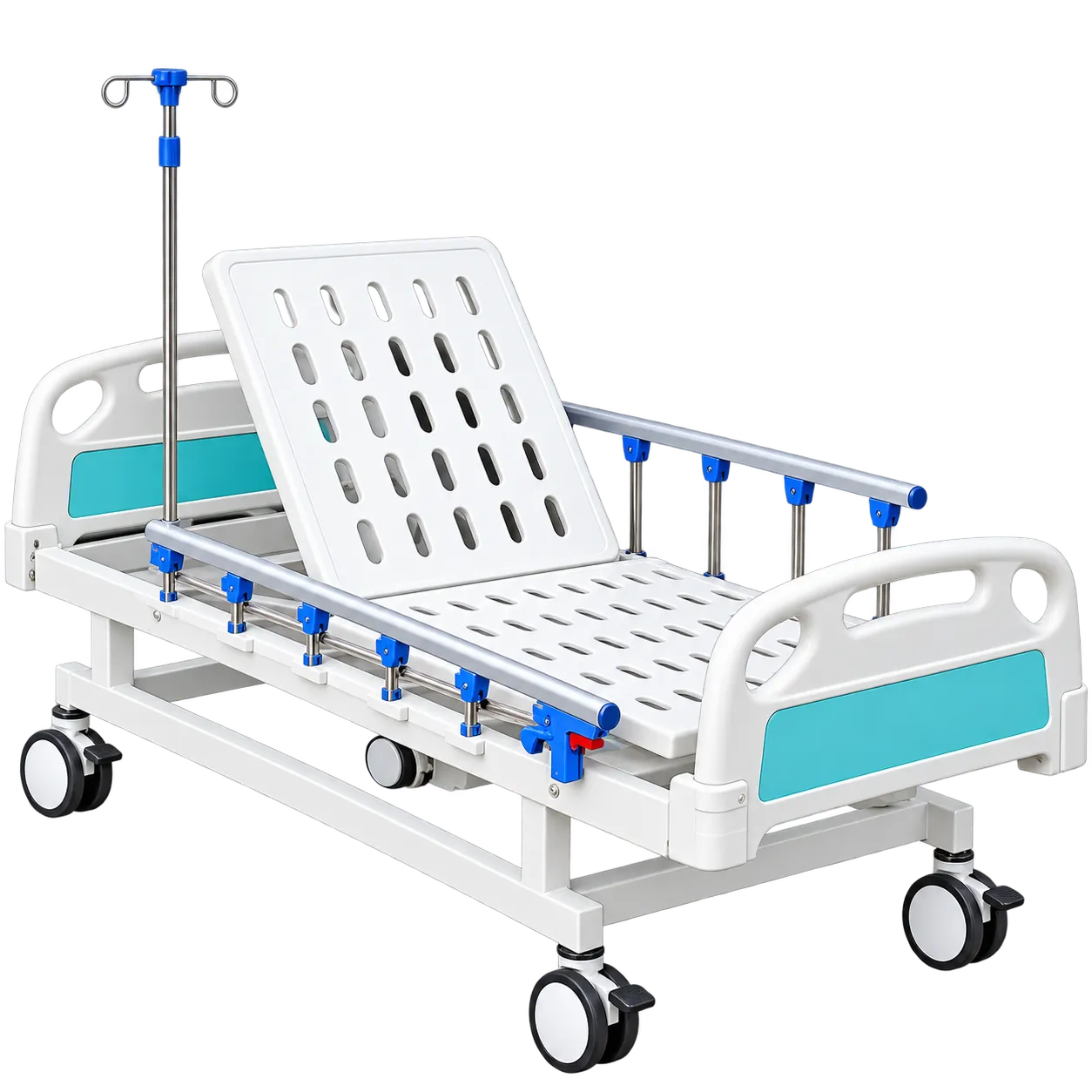
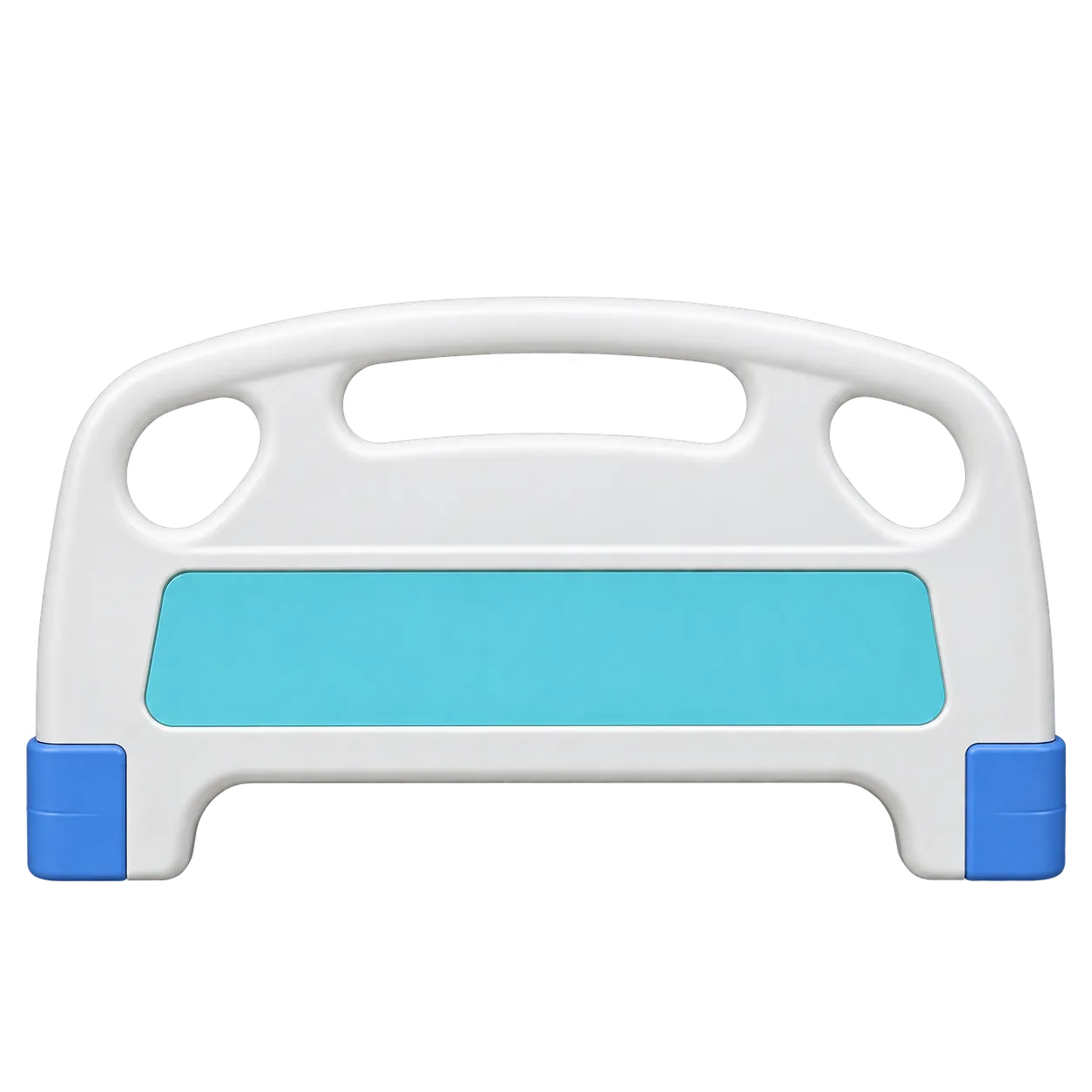
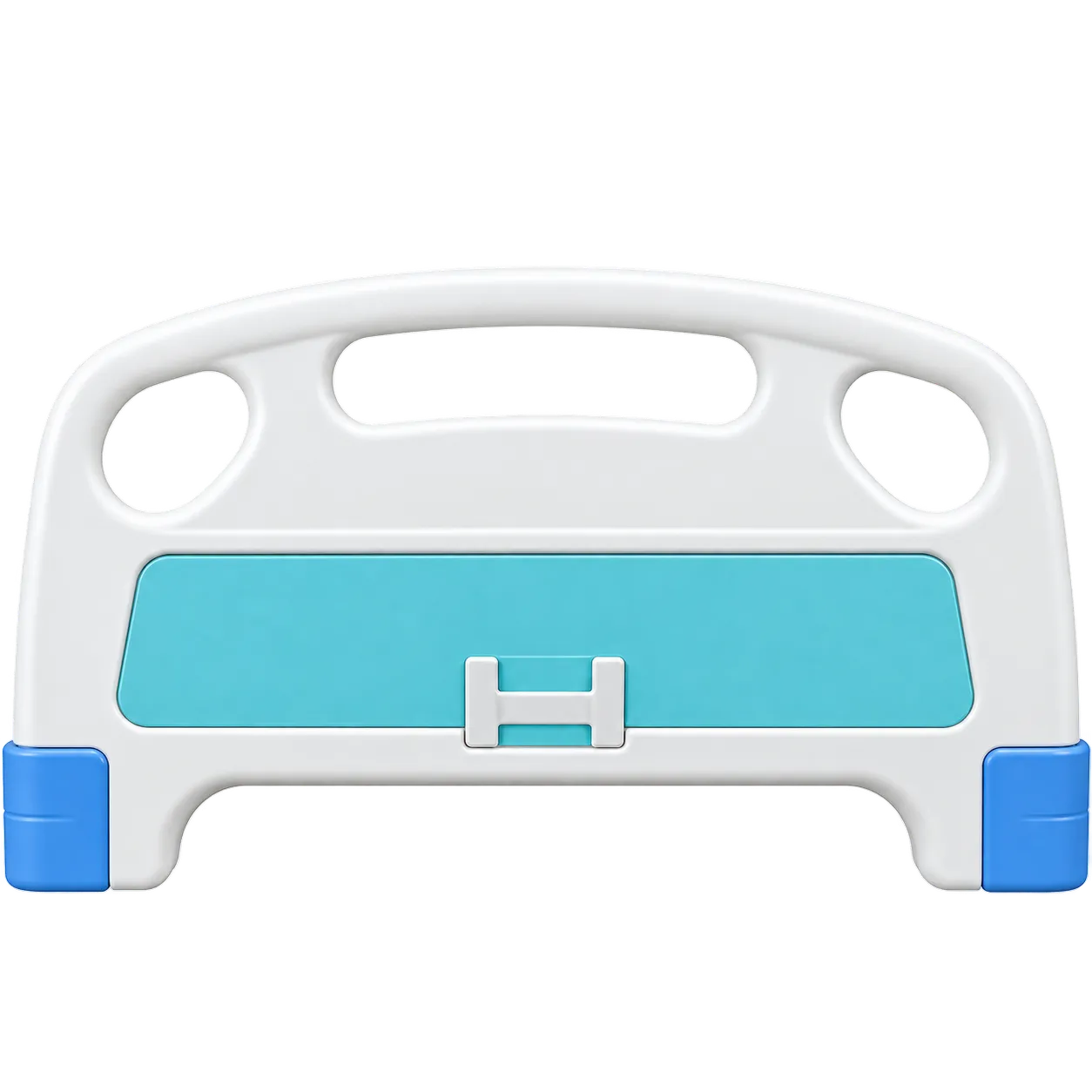
Care homes and nursing homes are the clearest setting. A resident spends most of the day in the room, and a bed that arrives with a table already fitted supports eating, drinking, reading and having someone sit alongside without a separate requisition. Four panel finishes let a floor be standardised on a colour that reads as furniture. Homes should settle the operating mechanism early, because a small maintenance budget is affected very differently by a motor than by a mechanical linkage.
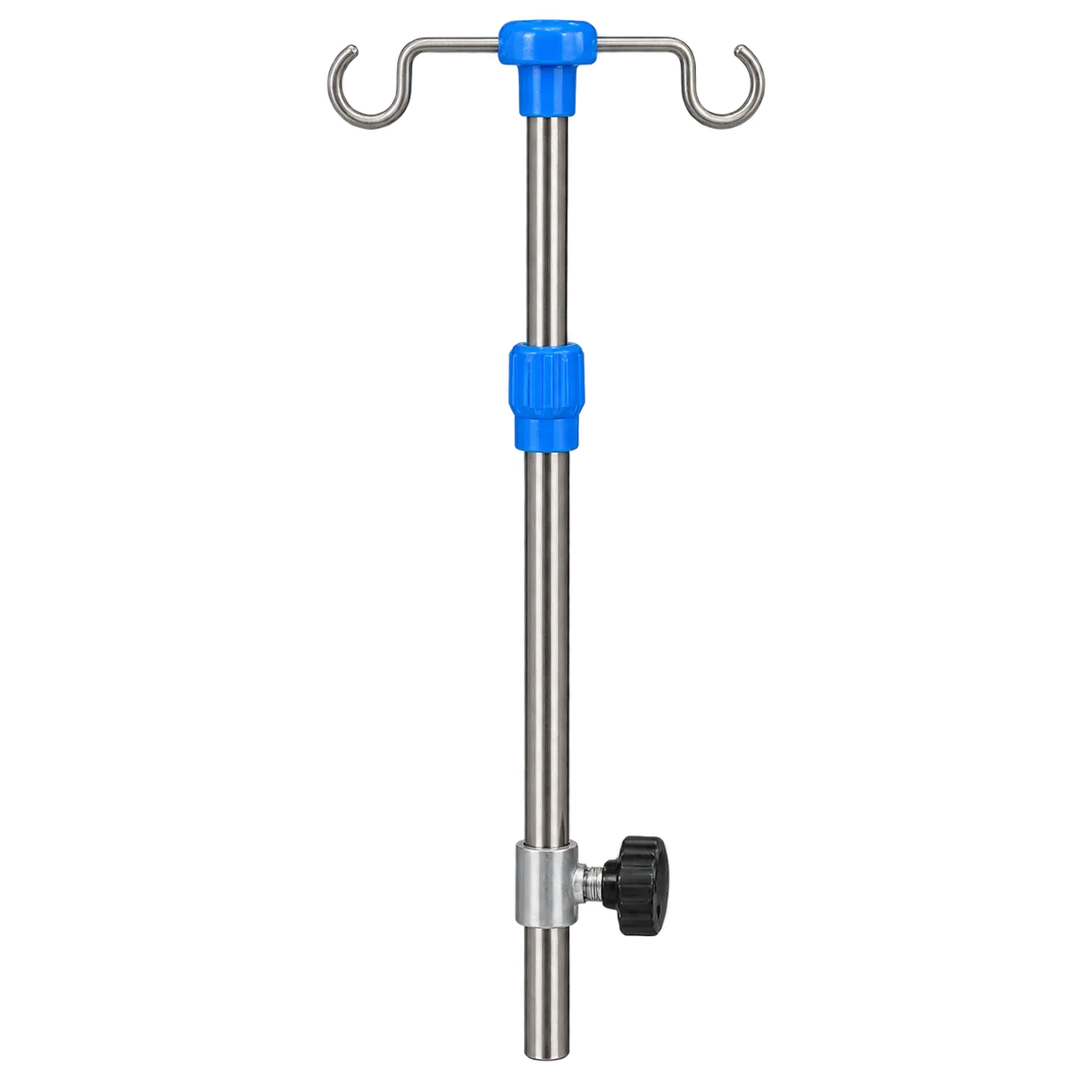
Step-down, rehabilitation and convalescent wards use beds of this type where a patient is out of the acute phase but still needs assisted positioning. The backrest range to 75° covers sitting upright for meals, conversation and respiratory positioning, and the leg section to 40° covers elevation. The fitted infusion rack means a patient arriving with a line does not wait on a stand being found, and hydration and nutrition can be managed at the bedside from the first shift.
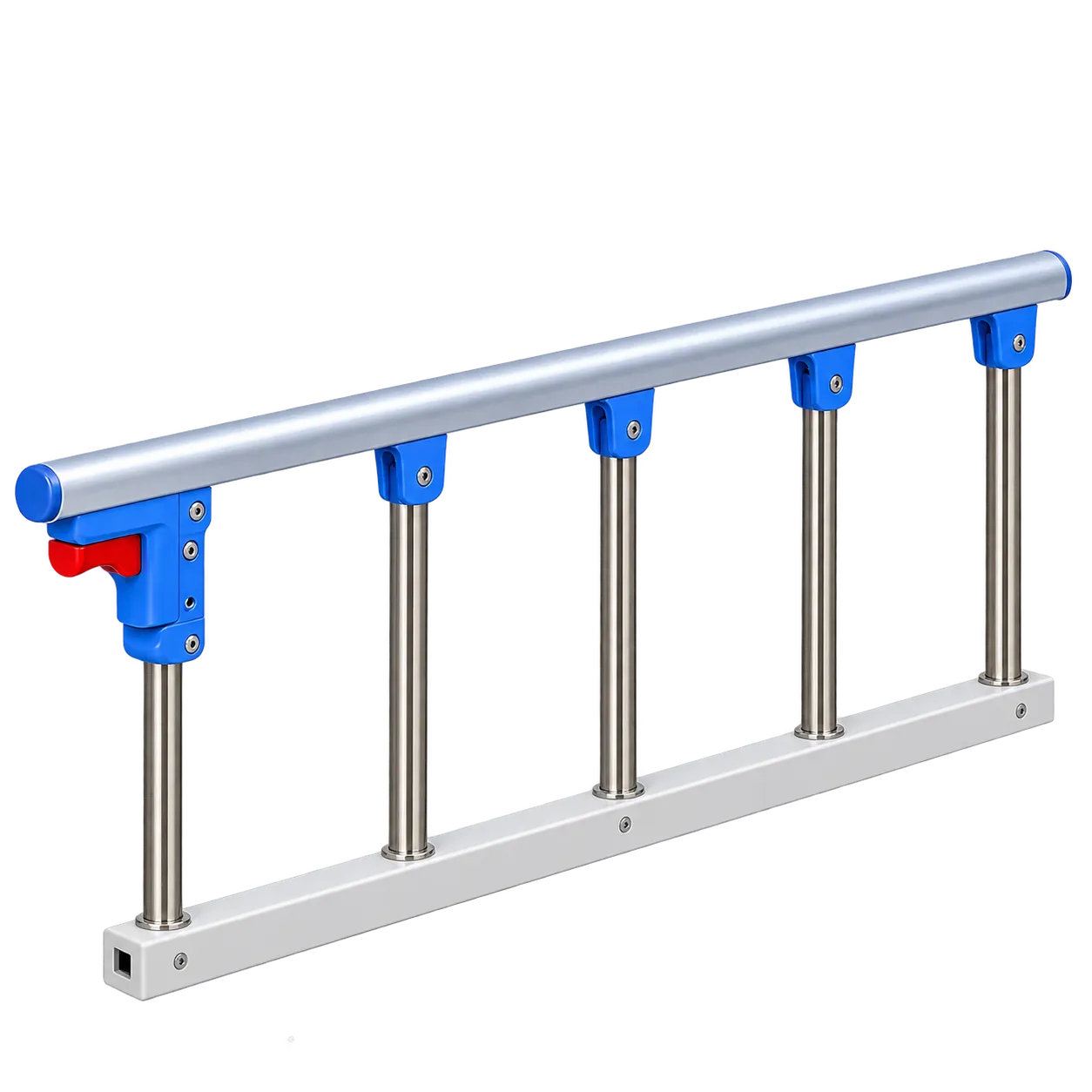
Long-stay side rooms and community placements benefit from the same combination for different reasons. Where visitors are present for long periods, a table and an open flank on the unrailed side make the room usable as a room. The absence of drainage hooks matters more in these settings than the datasheet suggests, so establish whether they are available before the bed is allocated to a catheterised resident.
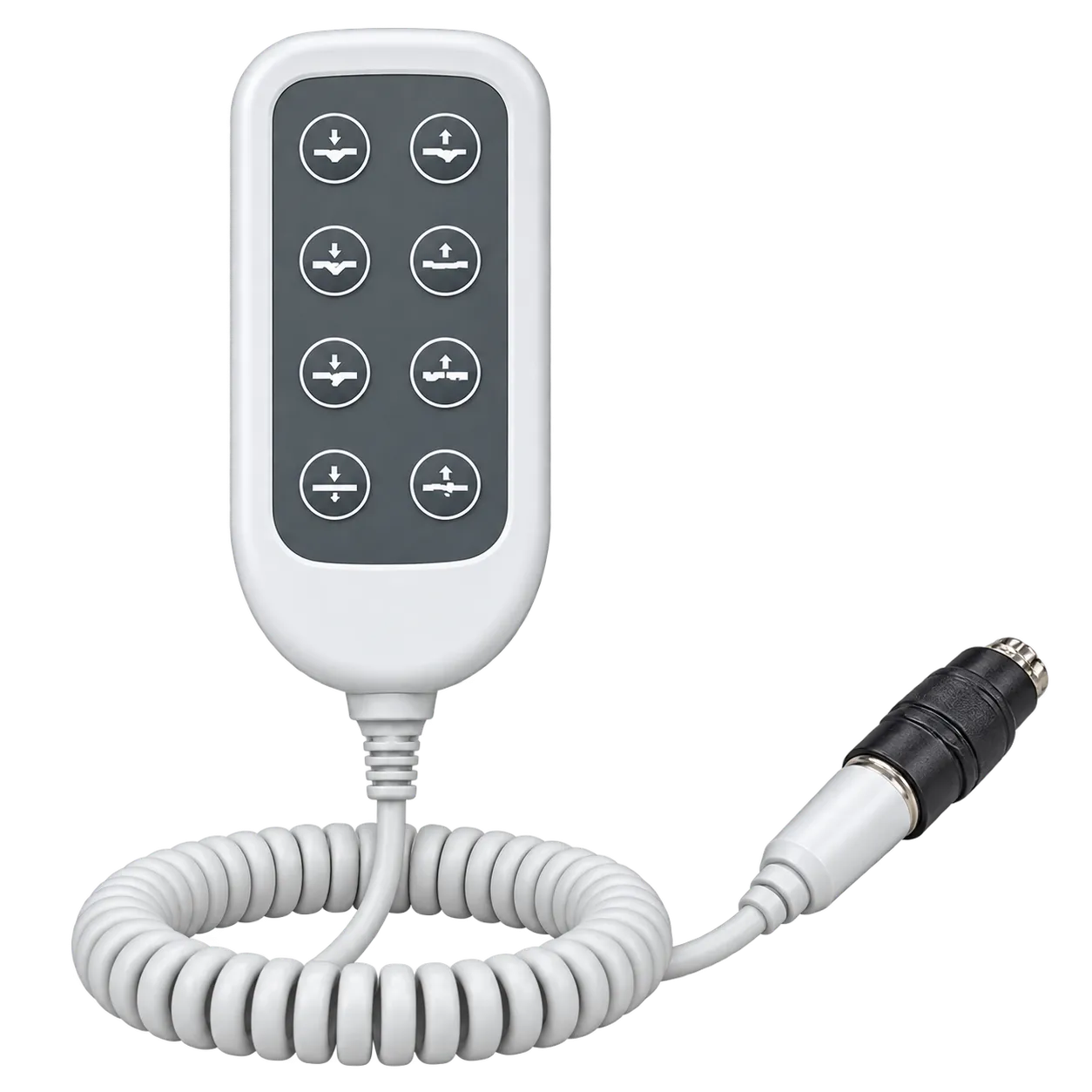
Procurement should treat the mechanism question as the first line of the specification rather than a detail. NHS trusts, local authority equipment services and independent providers each apply their own maintenance and testing policies, and those policies branch on that single answer. The conformity documentation those procurement routes require is issued by the manufacturer and provided by the seller.