
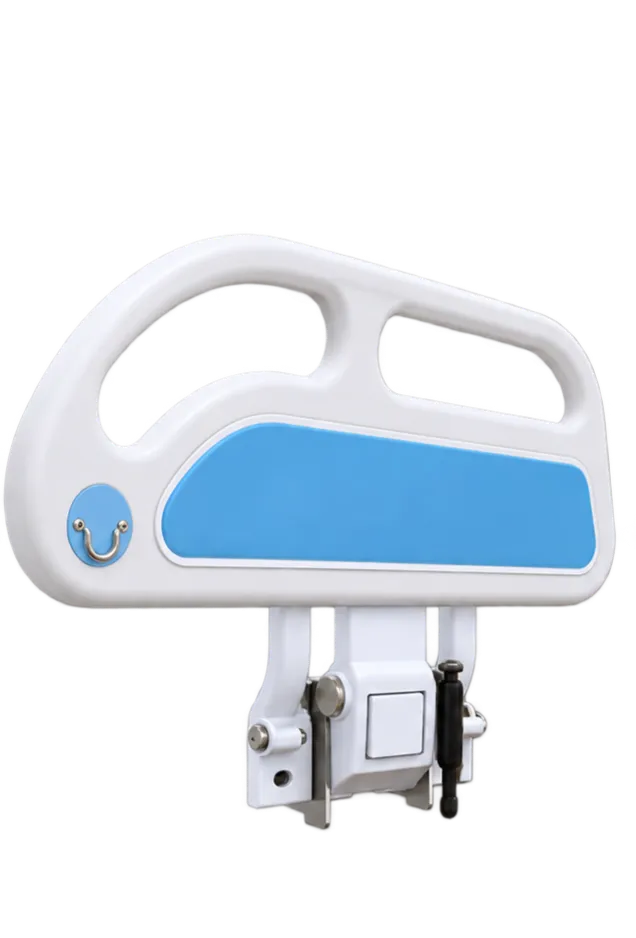
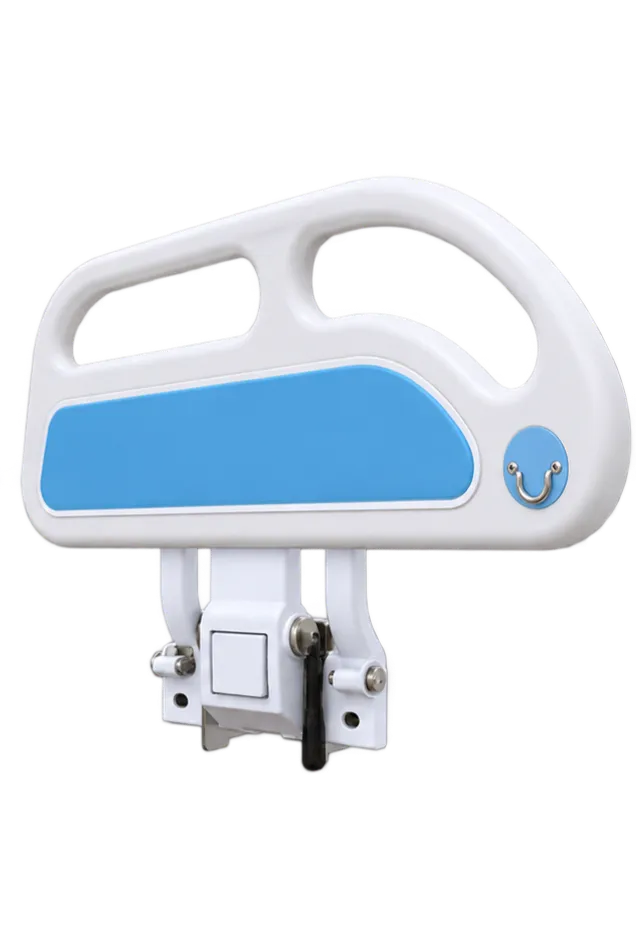
Equipment services and loan stores carry the weight of this one. A handed component needs two inventory lines, two part numbers and a stated convention for which is which, or the store will eventually hold stock it cannot use against a bed that is out of service. Set that up at first purchase rather than after the first mismatch.
Care homes and continuing care wards should record the hand alongside the bed on the equipment record. Where several beds carry the same panels, a single lookup then tells whoever raises a replacement exactly what to order, without anyone needing to go and look at the bed.
Maintenance and estates functions should include the hand in the inspection record, so a panel swapped during a repair is checked back to the correct side. A wrong-hand fitting can pass a casual glance while sitting outside the geometry the risk assessment was written against.
Whoever holds the bed rail risk assessment should be consulted on the arrangement before quantities are worked out — one panel per flank, two per flank, or one flank only — since the quantity and the hands both follow from that decision. Procurement routes across NHS trusts, local authority equipment services and independent providers each ask for their own evidence. The conformity documentation those procurement routes require is issued by the manufacturer and provided by the seller.