
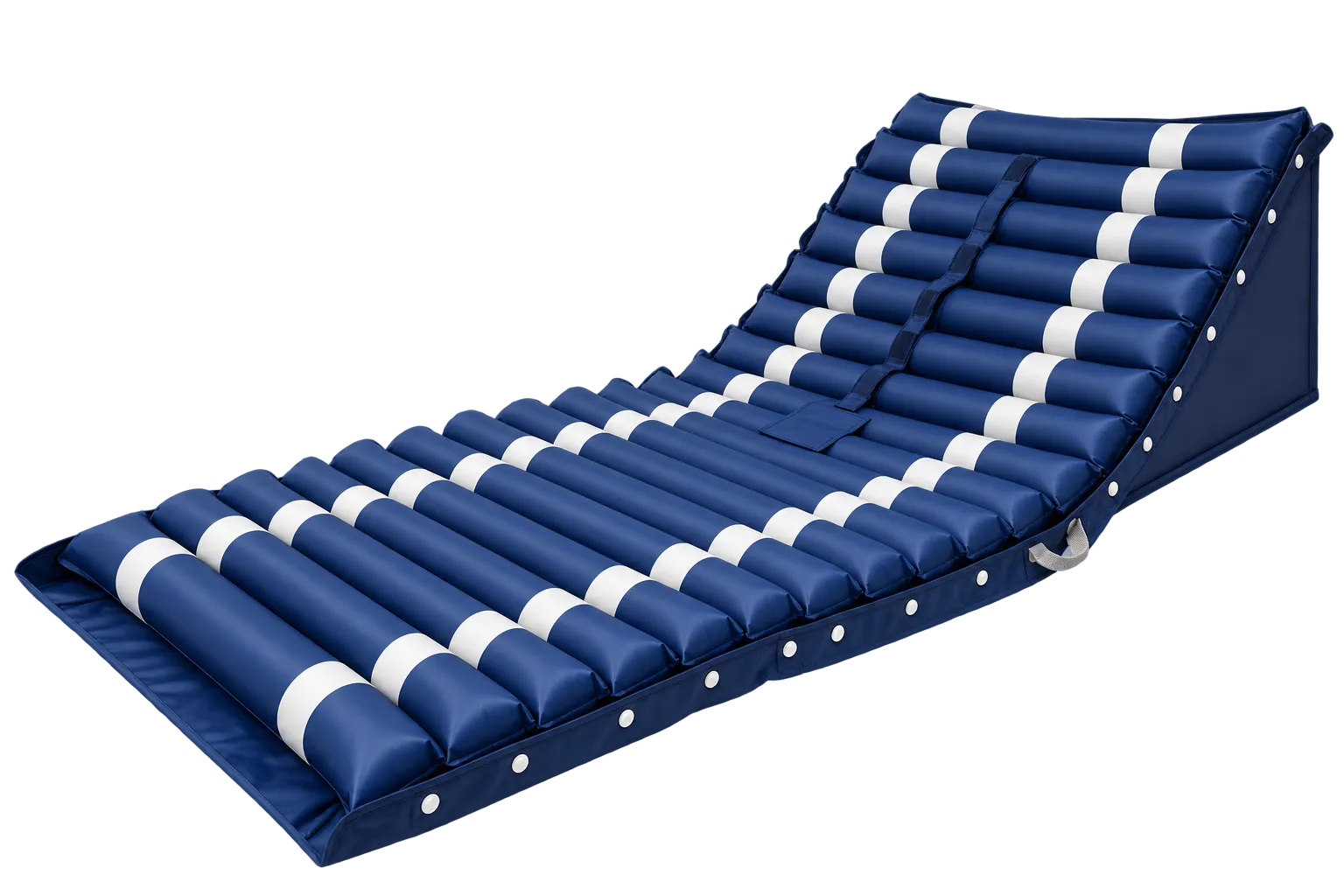
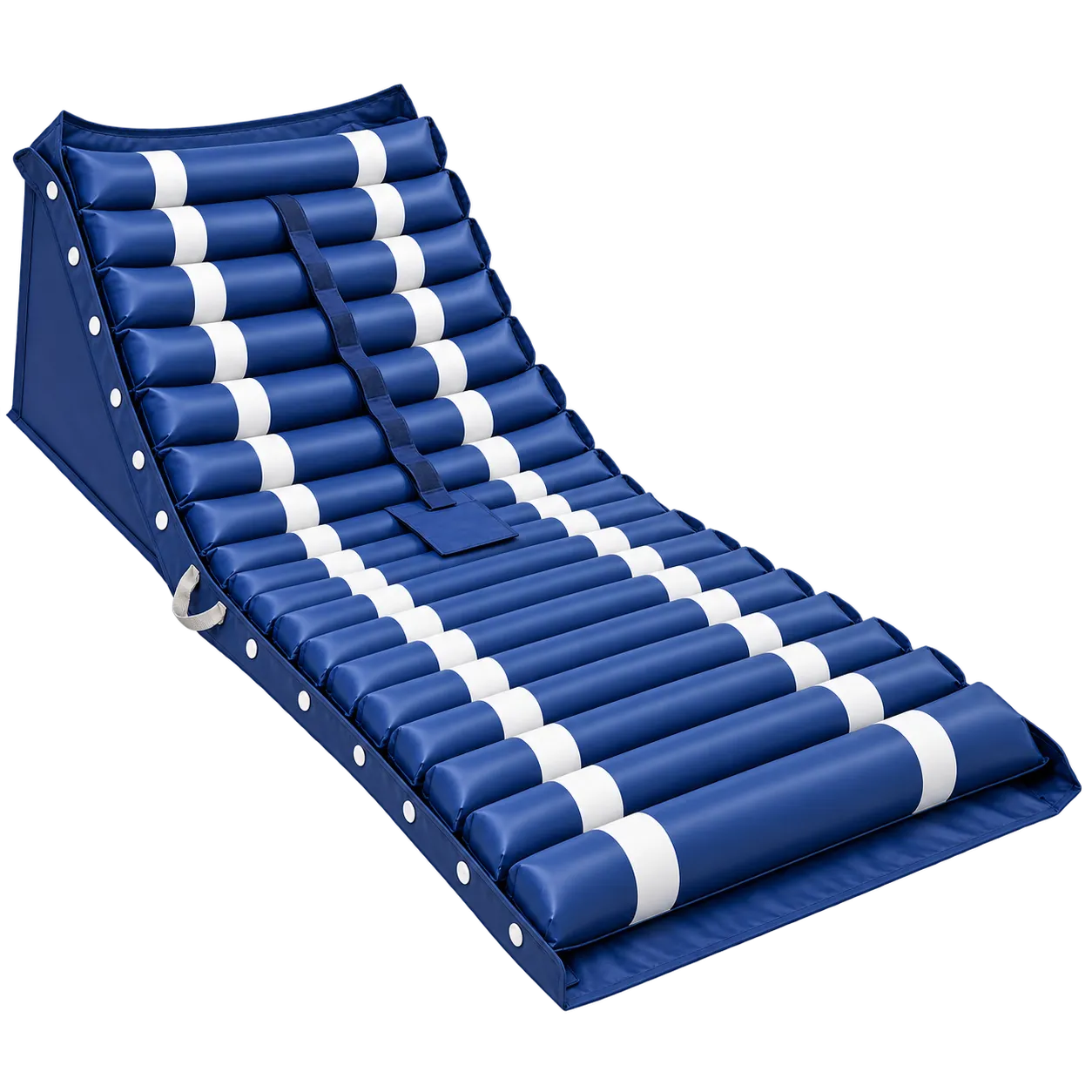
Hospice and palliative settings are where a turning surface earns its place most clearly. Where movement is painful, where a person is very frail, and where every manual turn costs them something, a surface that repositions on a cycle can reduce the number of times hands are needed. The clinical team decides whether that trade suits the individual, and the equipment supports the decision without making it.
Nursing homes and community packages use turning surfaces for residents who cannot reposition themselves and whose skin is under sustained load. The night round is where the difference shows: fewer full manual turns, and a different set of checks in their place, covering skin, position, whether the person has slid down the bed, and whether lines and tubing have been pulled. Staffing levels continue to come from the documented assessment.
Beds with a flat base benefit from the back raising function alongside it, since sitting up for a meal or a visitor on a divan otherwise means pillows and someone pulling the person up by hand. The inflated height of the overlay needs checking against any rails, because raising a section and turning a body both change the shape of the gaps around them.
Procurement is where the prevention claim has to be handled properly. A stated intended purpose, the risk category specified, interface pressure data and a clinical evaluation are all reasonable things for an NHS framework, a local authority equipment service or a private provider group to ask for before a claim of that kind is relied on in a care plan. The conformity documentation those procurement routes require is issued by the manufacturer and provided by the seller.