
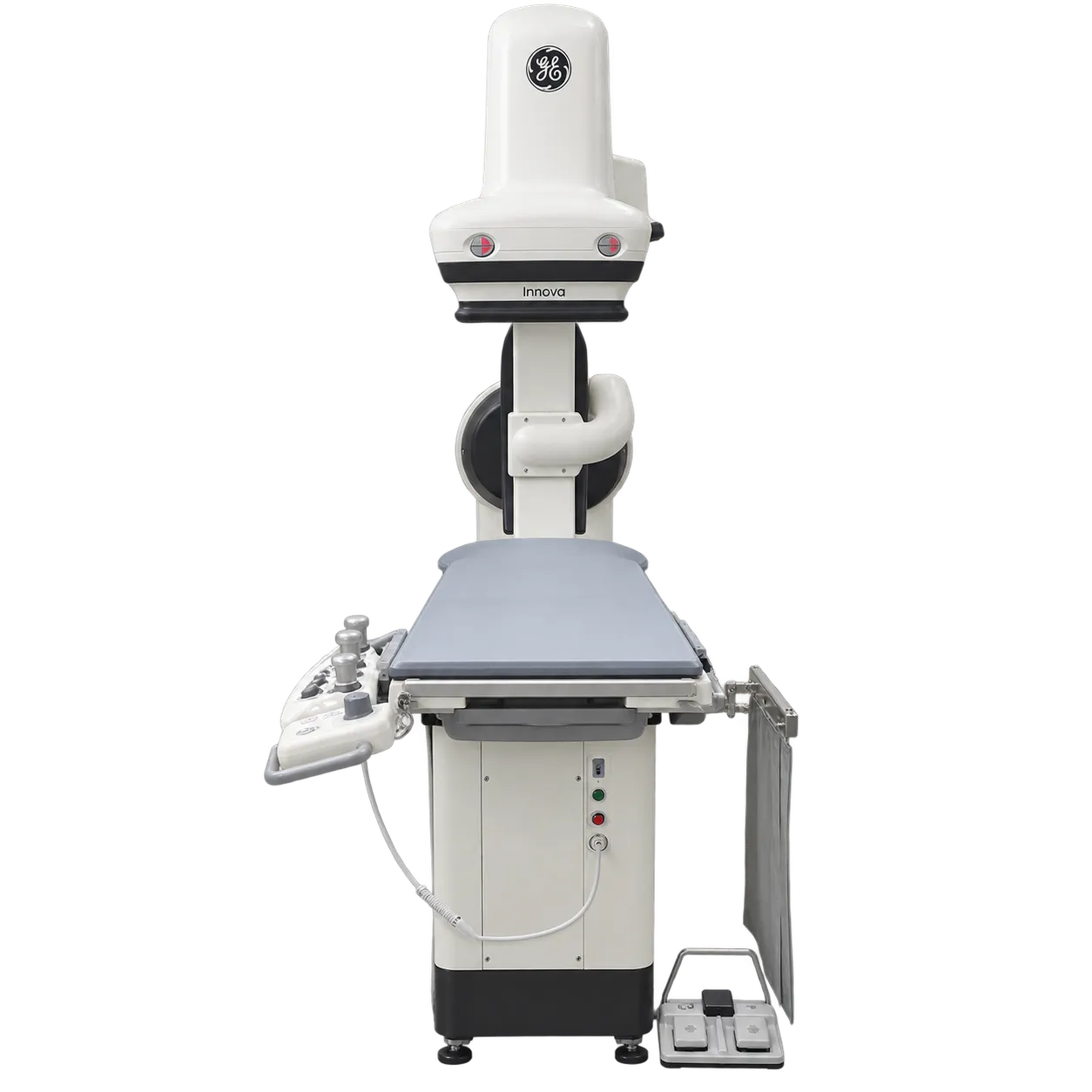
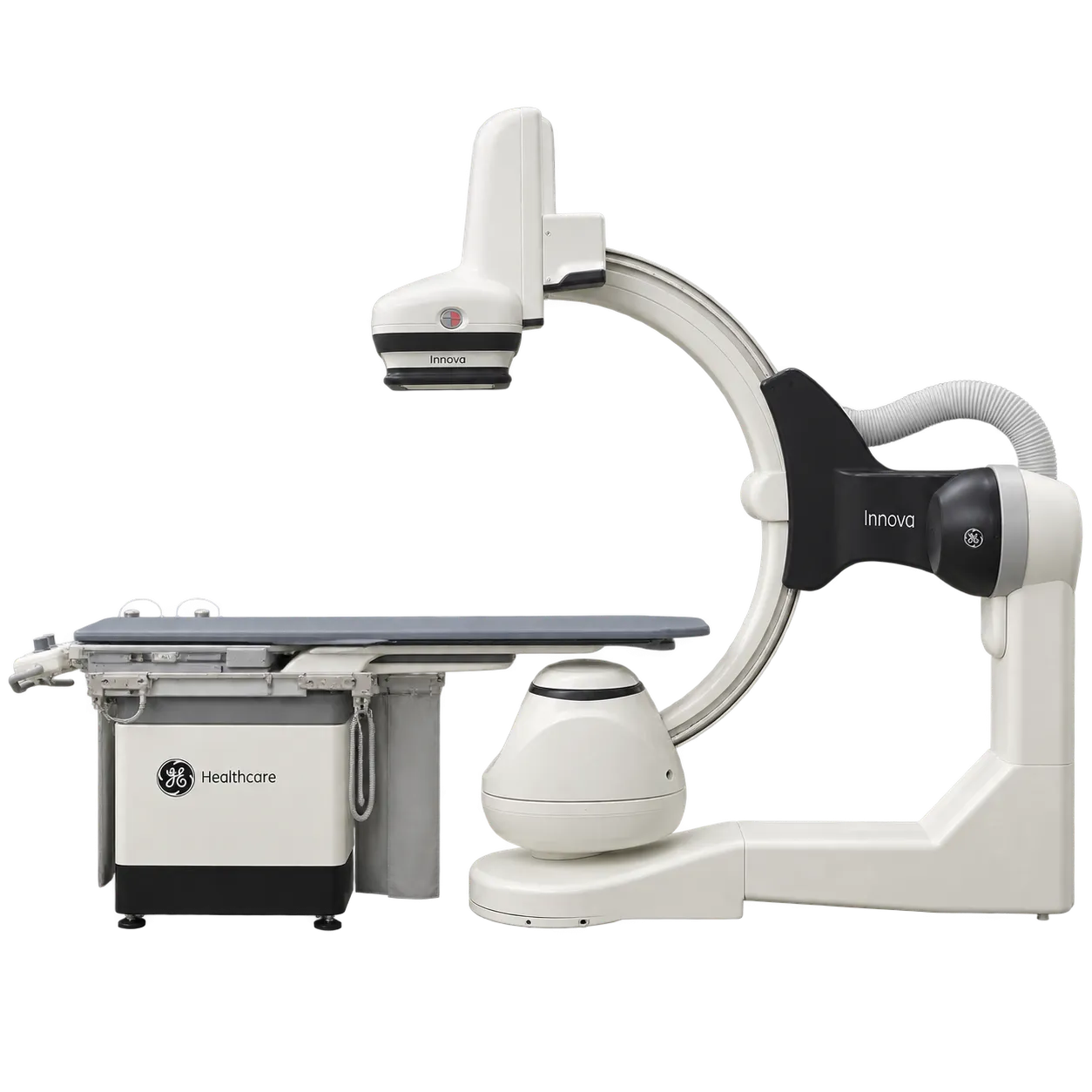
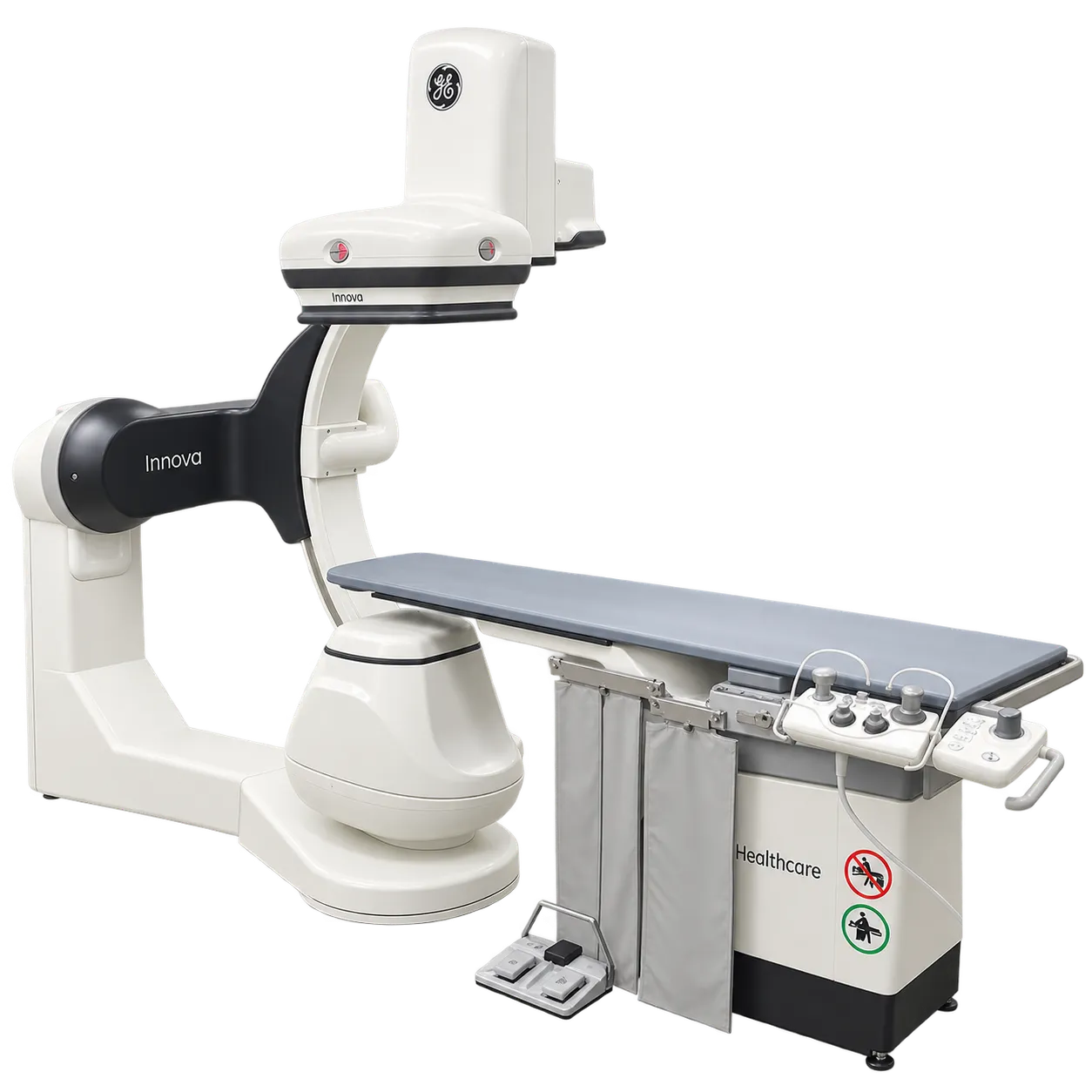
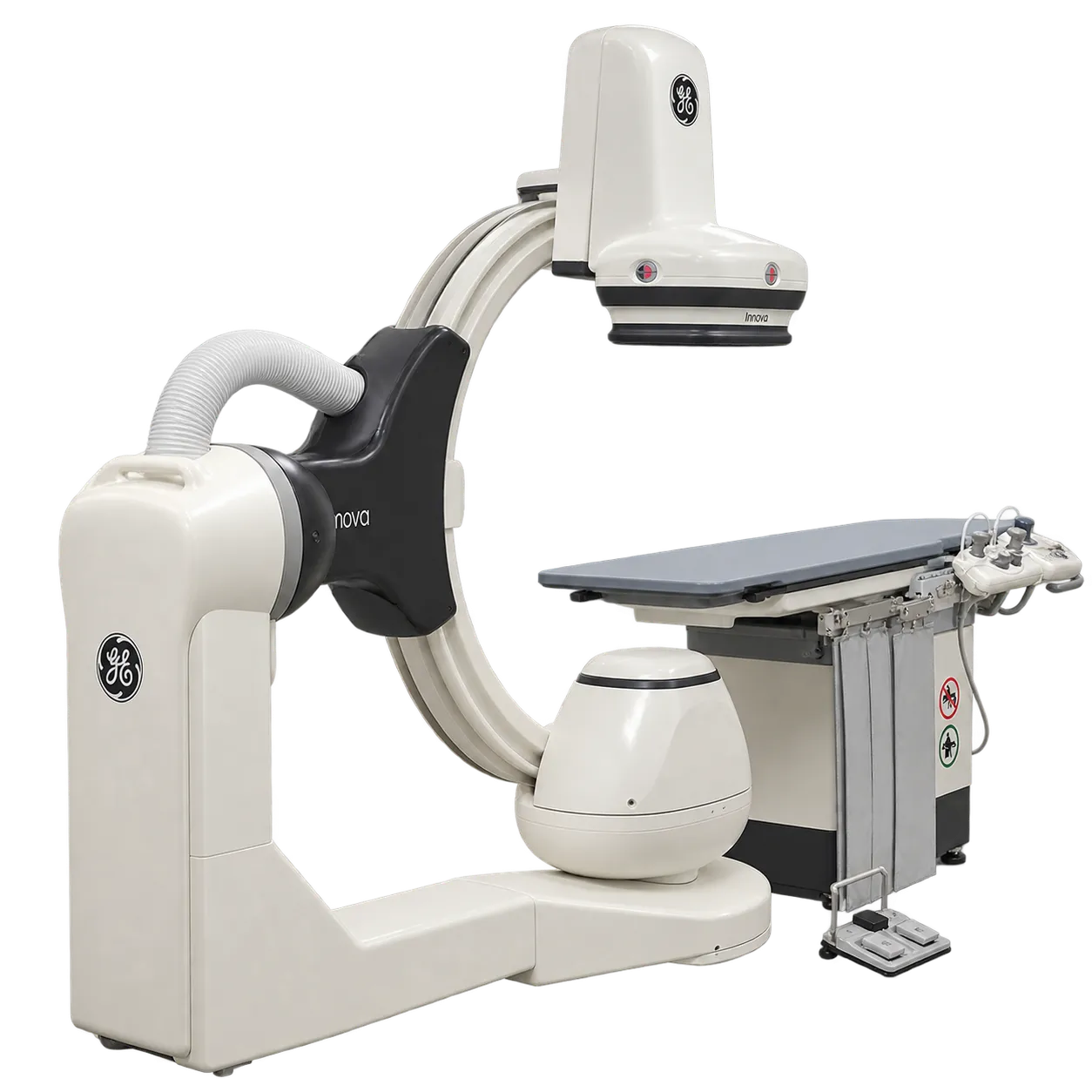
Cardiac and interventional procedures across diagnostic angiography and therapeutic work are what a flat detector laboratory of this configuration serves. All clinical judgement, including whether a procedure is indicated, how it is conducted and what dose is appropriate, remains with the clinical team, and Medigear.uk supplies configuration and condition detail rather than clinical guidance.
Complex and prolonged procedures are where a later generation platform contributes most, since patient dose accumulates through the case and can become a practical constraint on what is attempted. A system whose dose management was designed in extends the margin available.
High-volume lists benefit for the occupational reason. Staff exposure accumulates across cases, sessions and years rather than within a single procedure, so a platform that reduces scattered radiation over a full list has an effect on the team that a single case does not reveal.
Services under dose audit scrutiny are well served by integrated dose area product recording and reporting, since interventional procedures attract the closest examination of any X-ray work against diagnostic reference levels.
Second laboratory and capacity roles suit this platform where a service wants its newer room to carry the more complex or longer cases while an older room absorbs routine work, which distributes both patient and staff dose sensibly across the service.
Services establishing interventional capability should weigh this against an earlier generation room, which remains a legitimate option at lower cost. Medigear.uk sets out both positions rather than pressing one.