
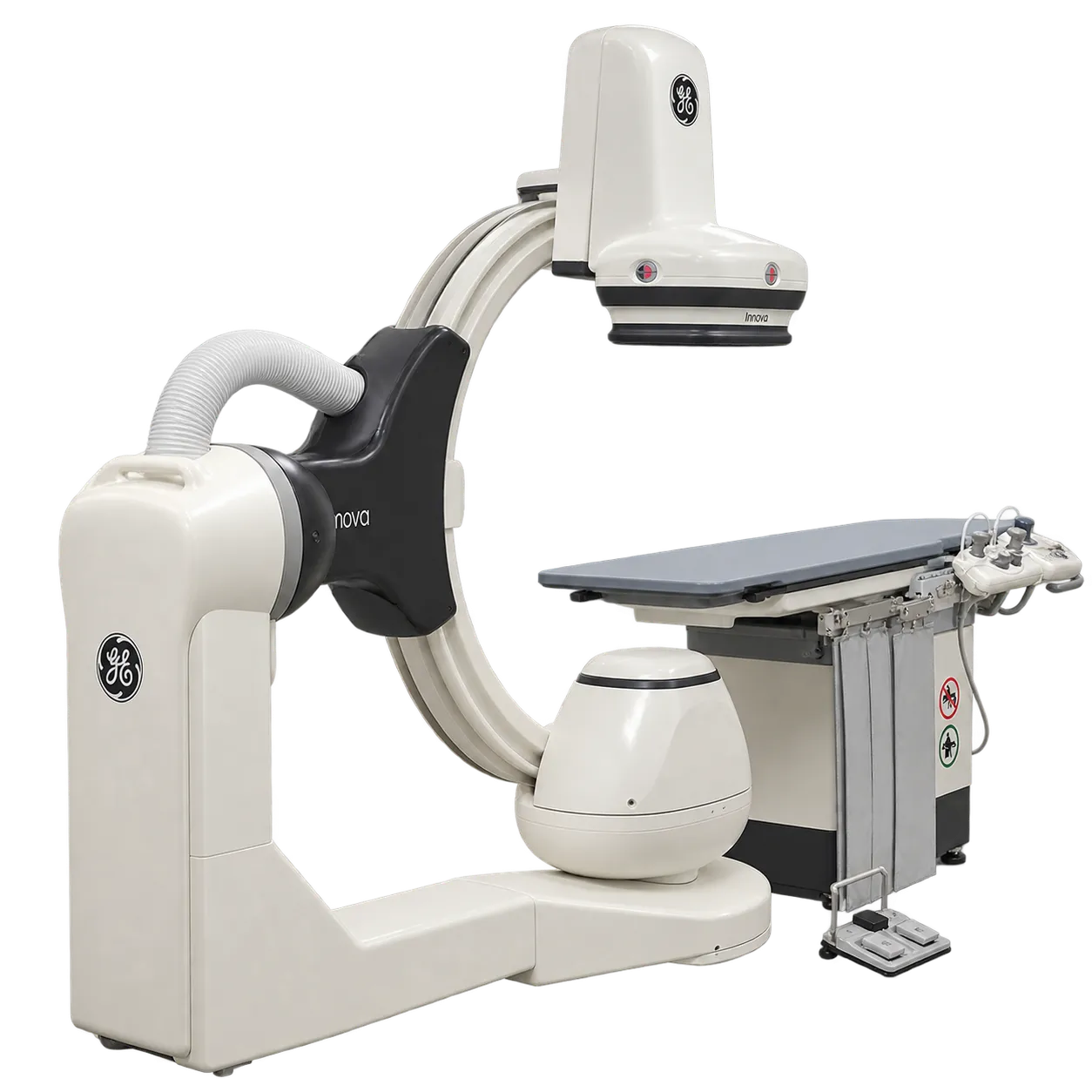
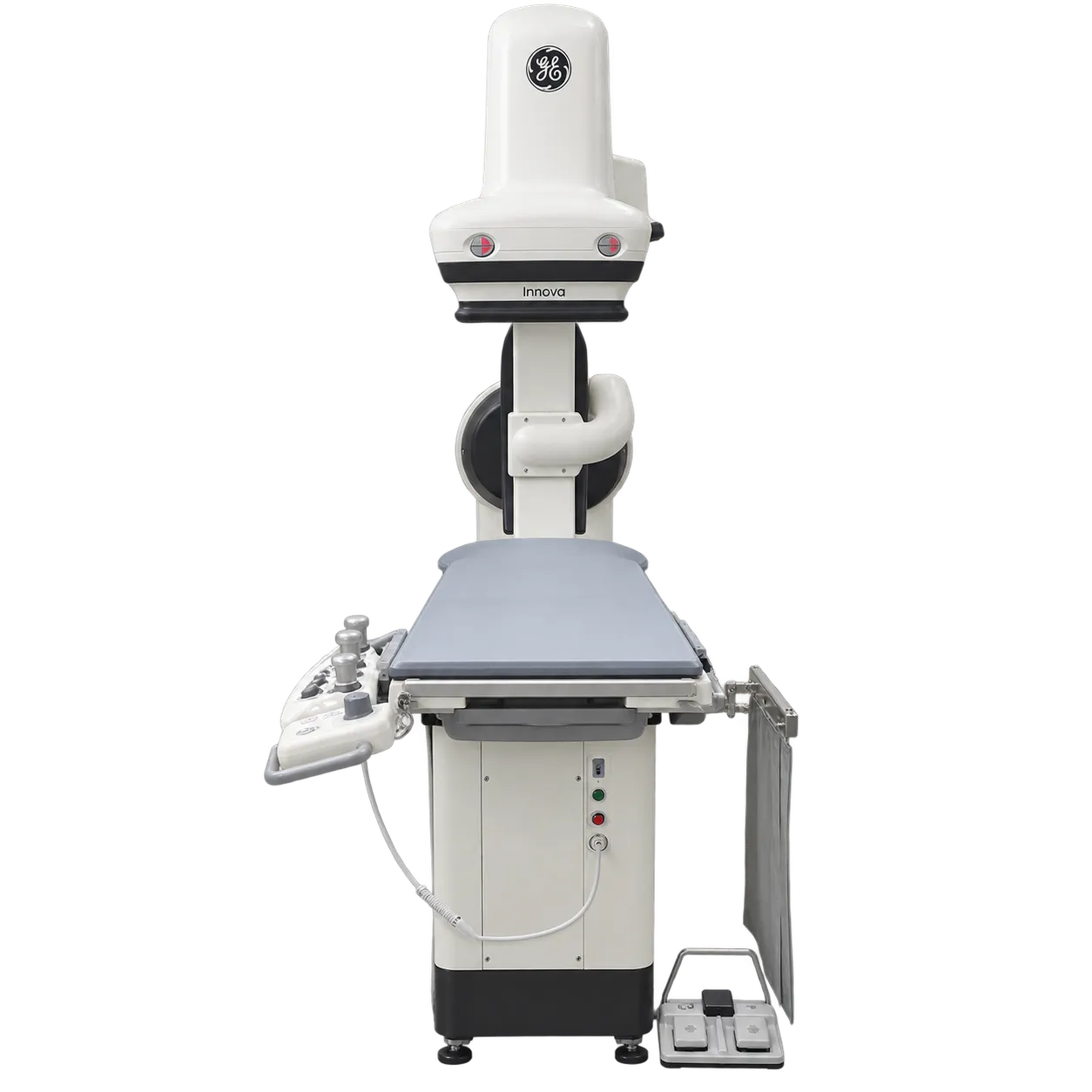
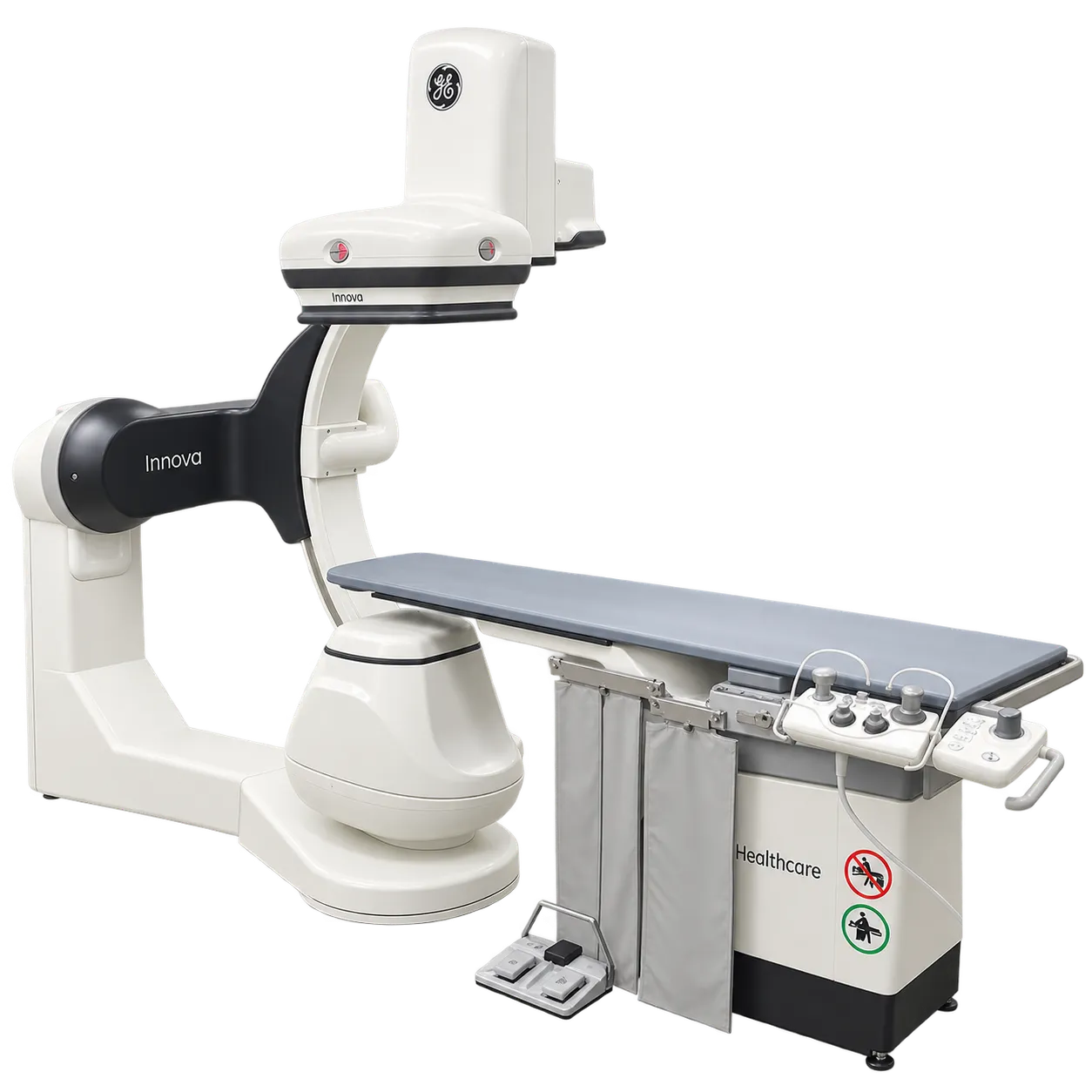
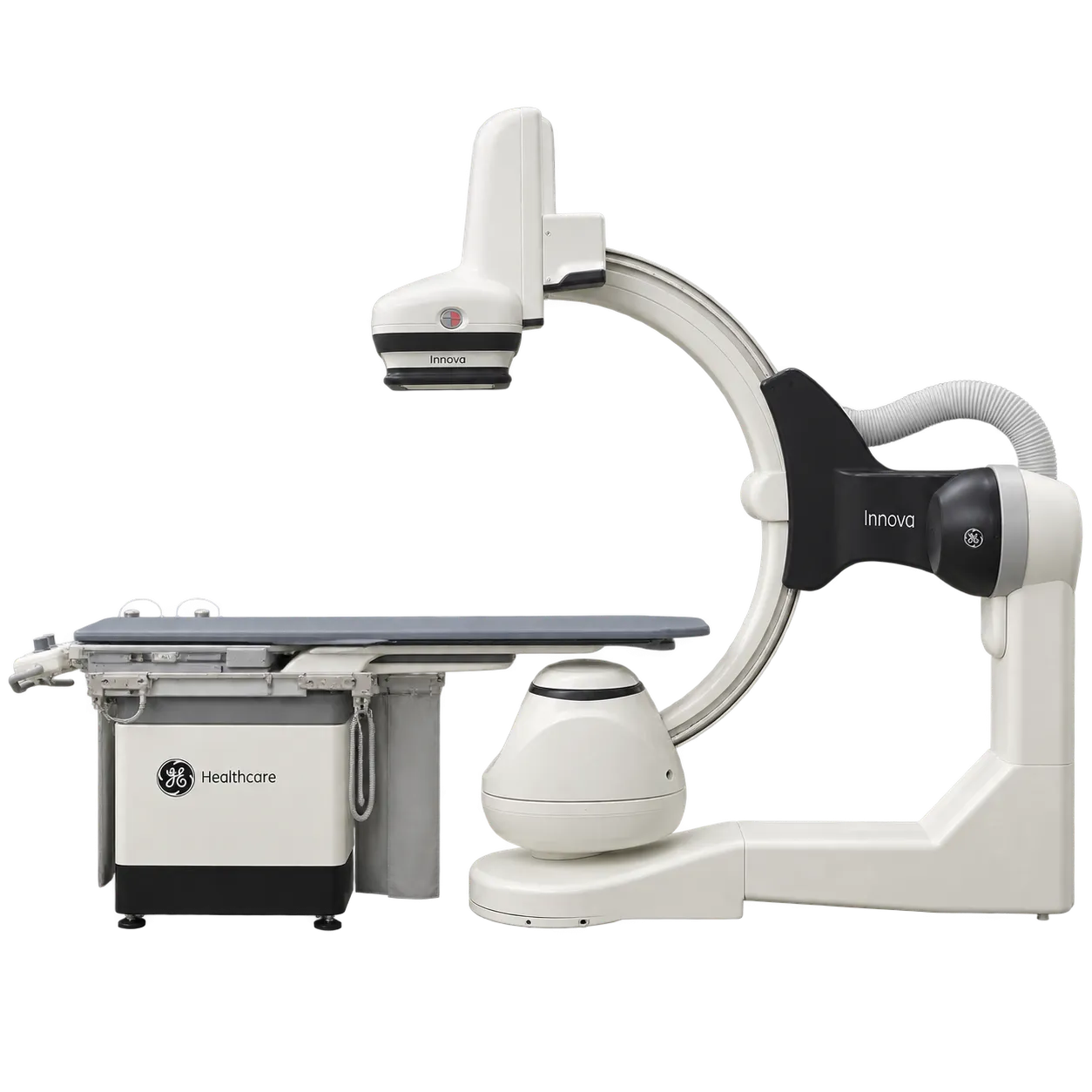
Cardiac and interventional procedures across diagnostic angiography and therapeutic work are what a flat detector laboratory of this configuration serves. All clinical judgement, including whether a procedure is indicated, how it is conducted and what dose is appropriate, remains with the clinical team, and Medigear.uk supplies configuration and condition detail rather than clinical guidance.
Routine interventional and diagnostic lists are served identically to a later build of the same designation, since the imaging chain and acquisition architecture are common to the platform.
Second laboratory roles suit this unit particularly well. Where a service needs a room to absorb overflow, provide continuity while the principal laboratory is serviced, or support a growing list, a platform matching the existing room at a lower capital cost is a more sensible answer than a dissimilar system at a higher one.
Services establishing interventional capability within a defined ceiling can acquire the platform architecture and a recently renewed tube at an entry cost below a later build, provided the support horizon suits the intended planning period.
Growing services building toward two matched rooms gain shared spares, common training, consistent reporting appearance and mutual cover during service, which on interventional work matters because cardiac and urgent cases cannot wait for a repair.
Services should weigh the support horizon against their replacement cycle rather than against the price alone, and Medigear.uk supplies the figures for that comparison.