
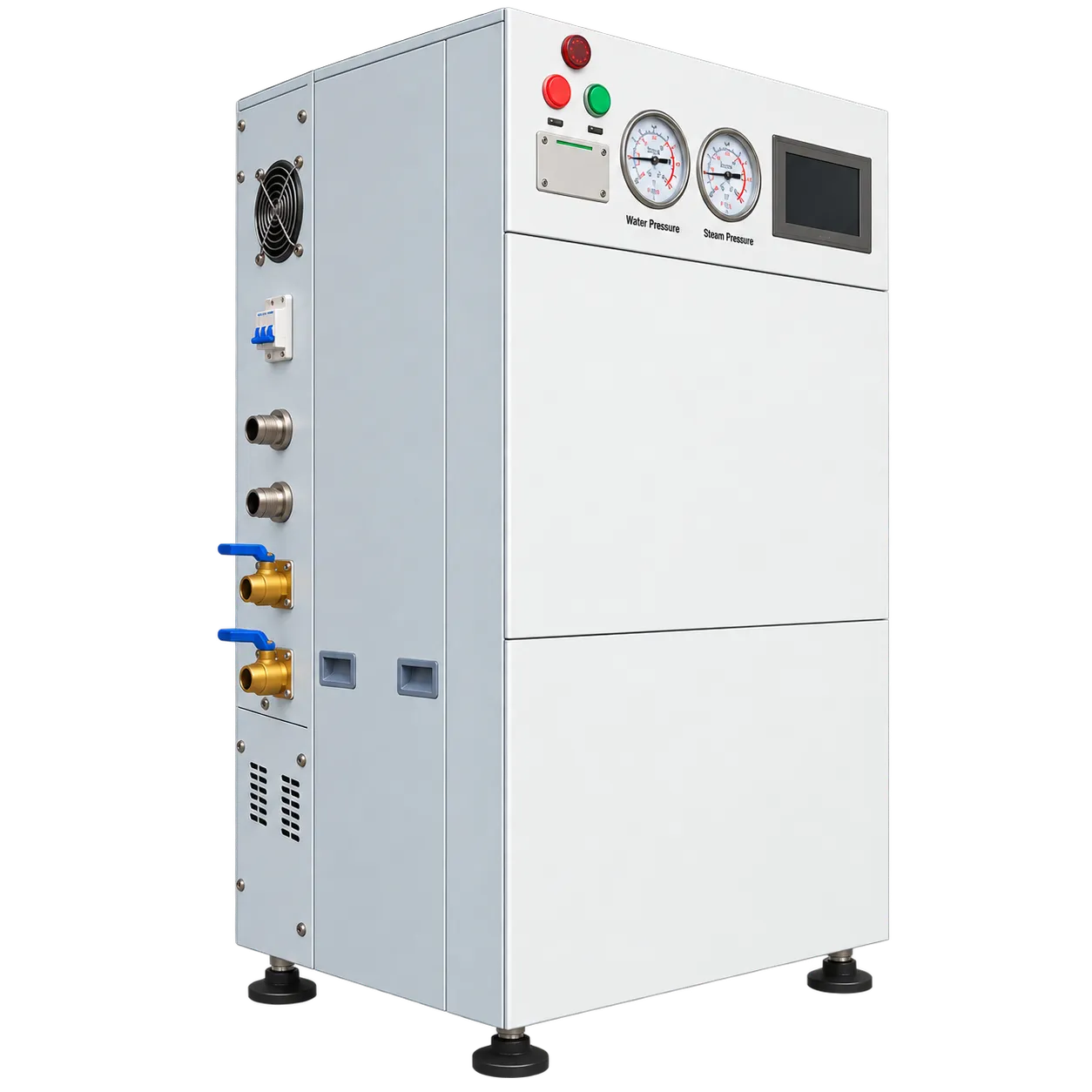
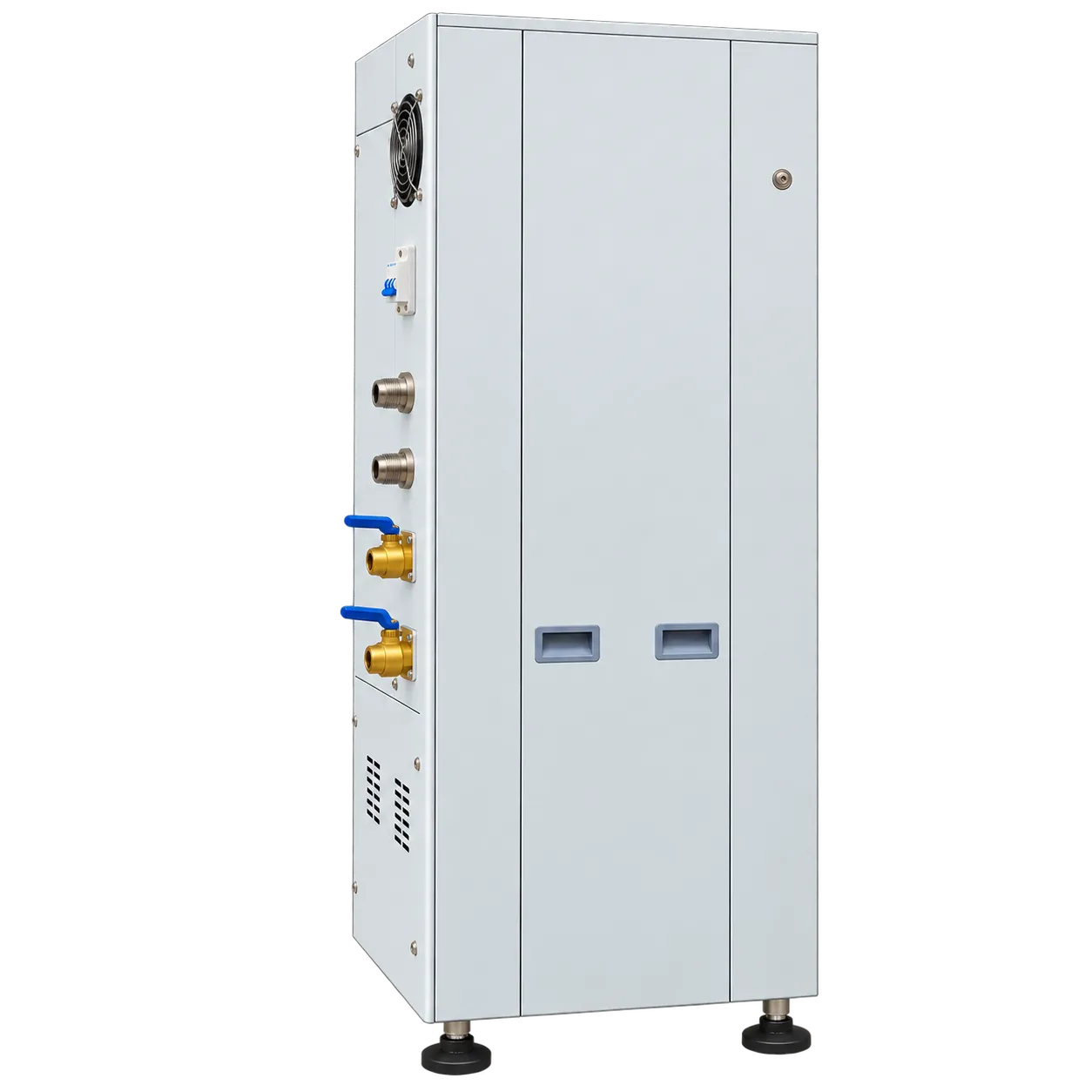
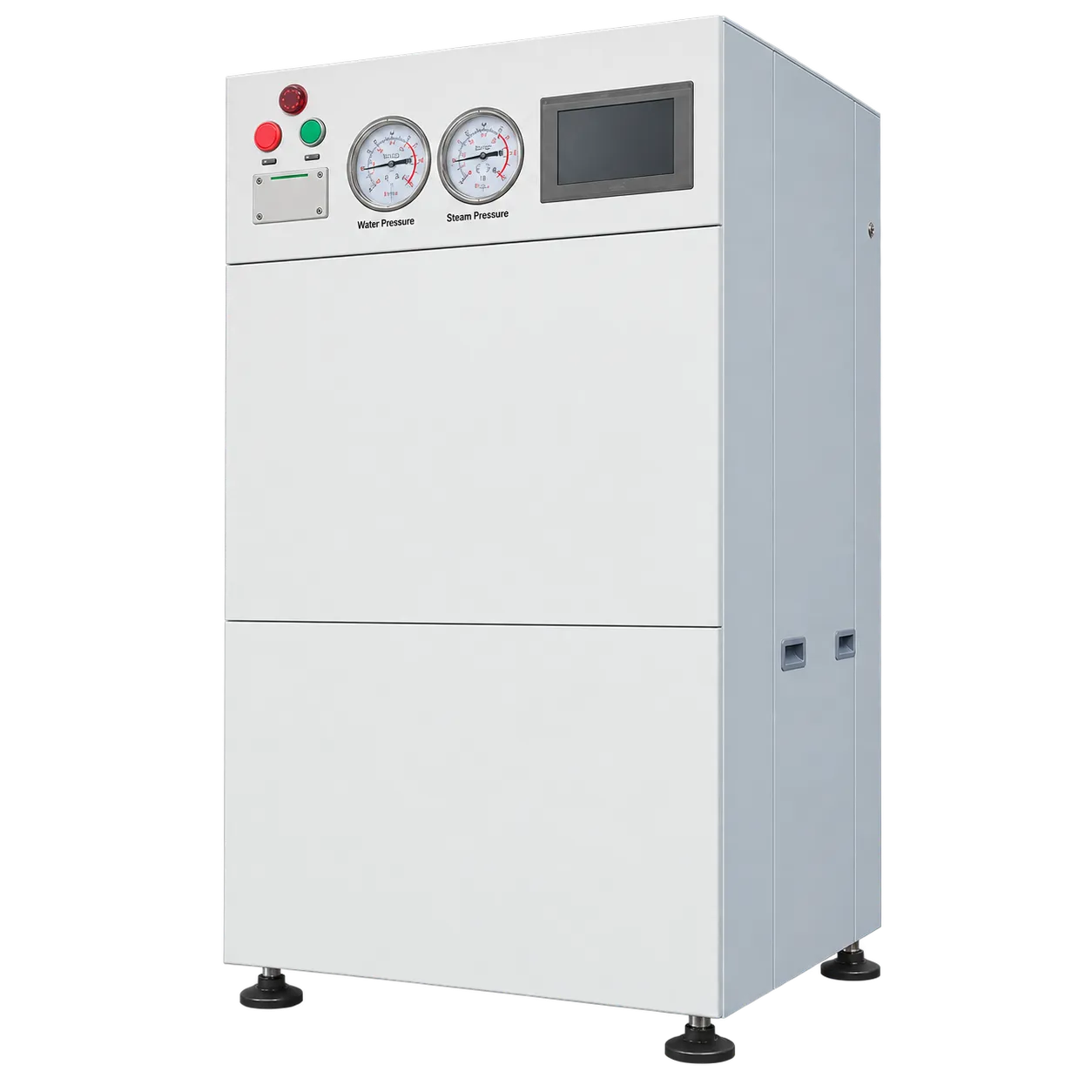
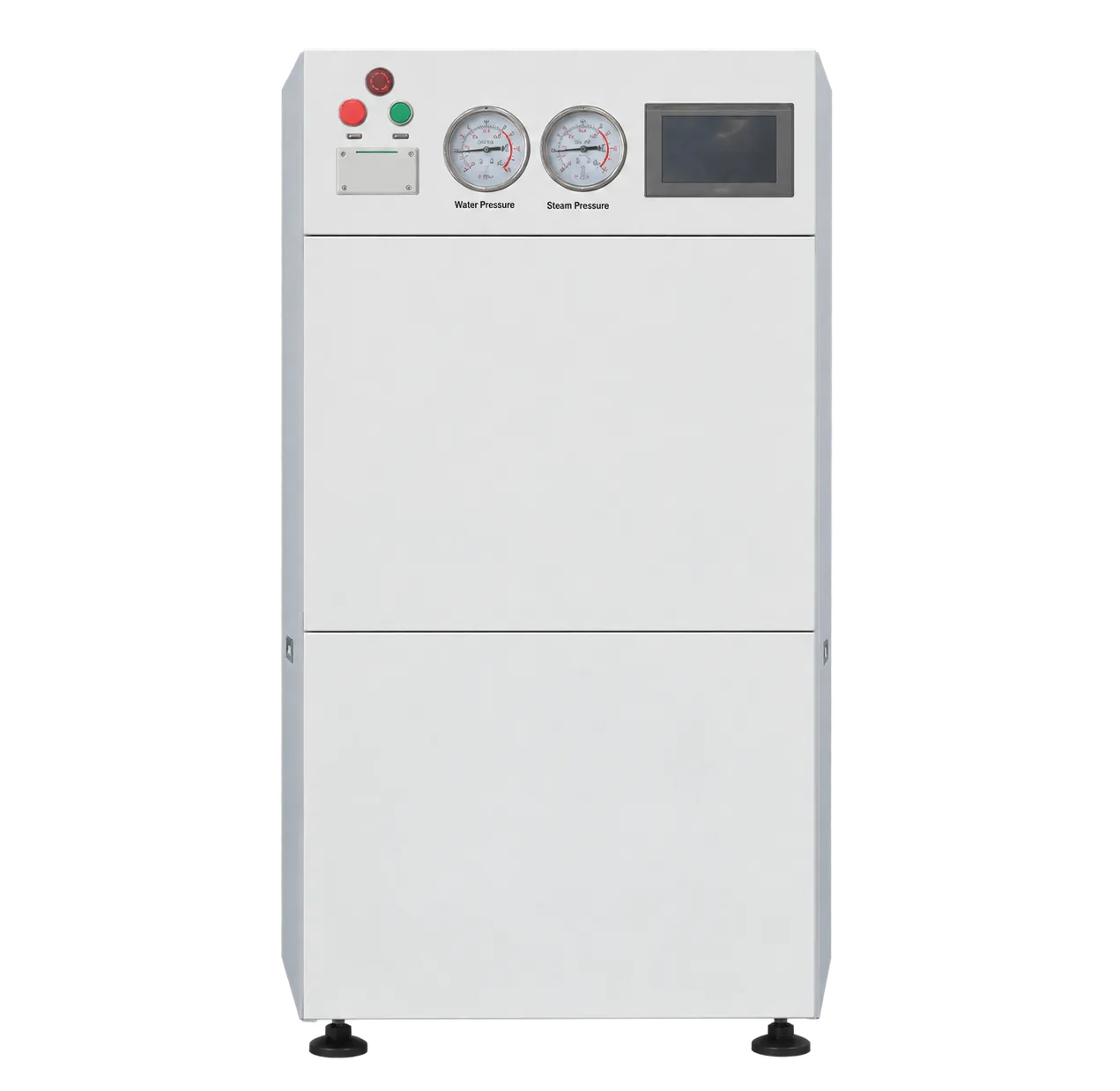
Barrier and specific-pathogen-free animal facilities, media preparation kitchens supplying clean laboratories, glassware wash-ups feeding clean stores, and research units with controlled rooms are the natural settings for the WY-400S. In each, supplies are prepared on one side of a wall and, already sterilised, needed on the other.
Animal facility practice shows the pattern. A guide to research rodent housing describes equipment entering a barrier room as generally passing through a double-door autoclave or a chemical decontamination chamber. A 2025 account of a specific-pathogen-free facility describes pass-through steam autoclaves in its cage wash area that sterilise everything before it reaches the clean side. Cages, bedding and water bottles run at 121 °C for 21 minutes, and food at 121 °C for 18 minutes. University biosafety rules go further, limiting the exit side of a pass-through to people authorised to be inside.
For a gravity unit, those cycles carry a caution. Cages, racks and glassware suit gravity displacement well; water bottles need a liquids programme; bedding and feed are porous and need careful validation, which is why many facilities process them in vacuum sterilisers. Matching each supply to a proven cycle protects the colony as surely as the wall does.
The workflow payoff is a clean area that never has to send staff out for supplies, and a wash room that never sends its staff in.
Health services and research institutions that buy through formal tenders, the NHS among them, set out workflow and validation needs in their specifications, and laboratory buyers in other countries do the same. The conformity documentation those procurement routes require is issued by the manufacturer and shared by the enquiry team.