
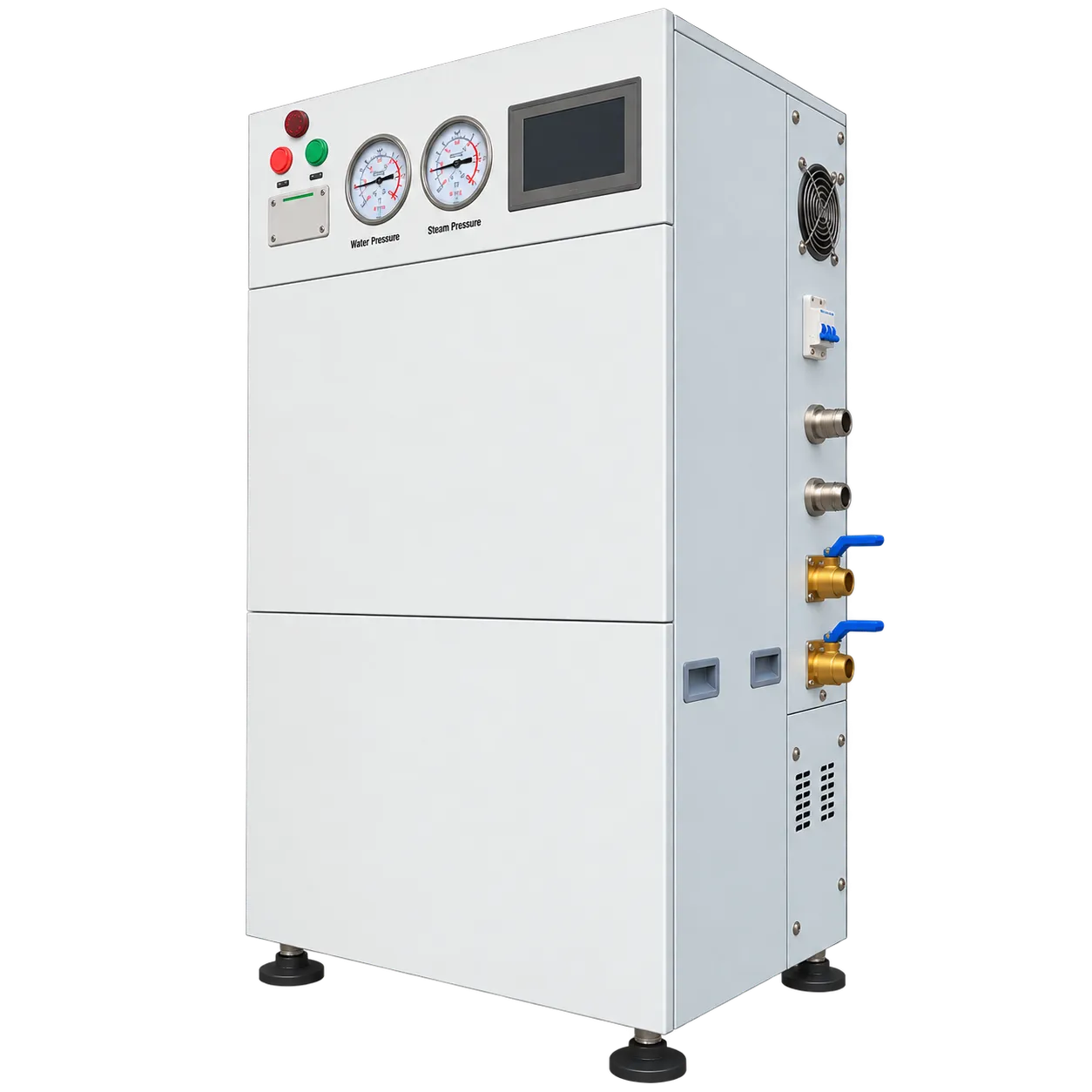
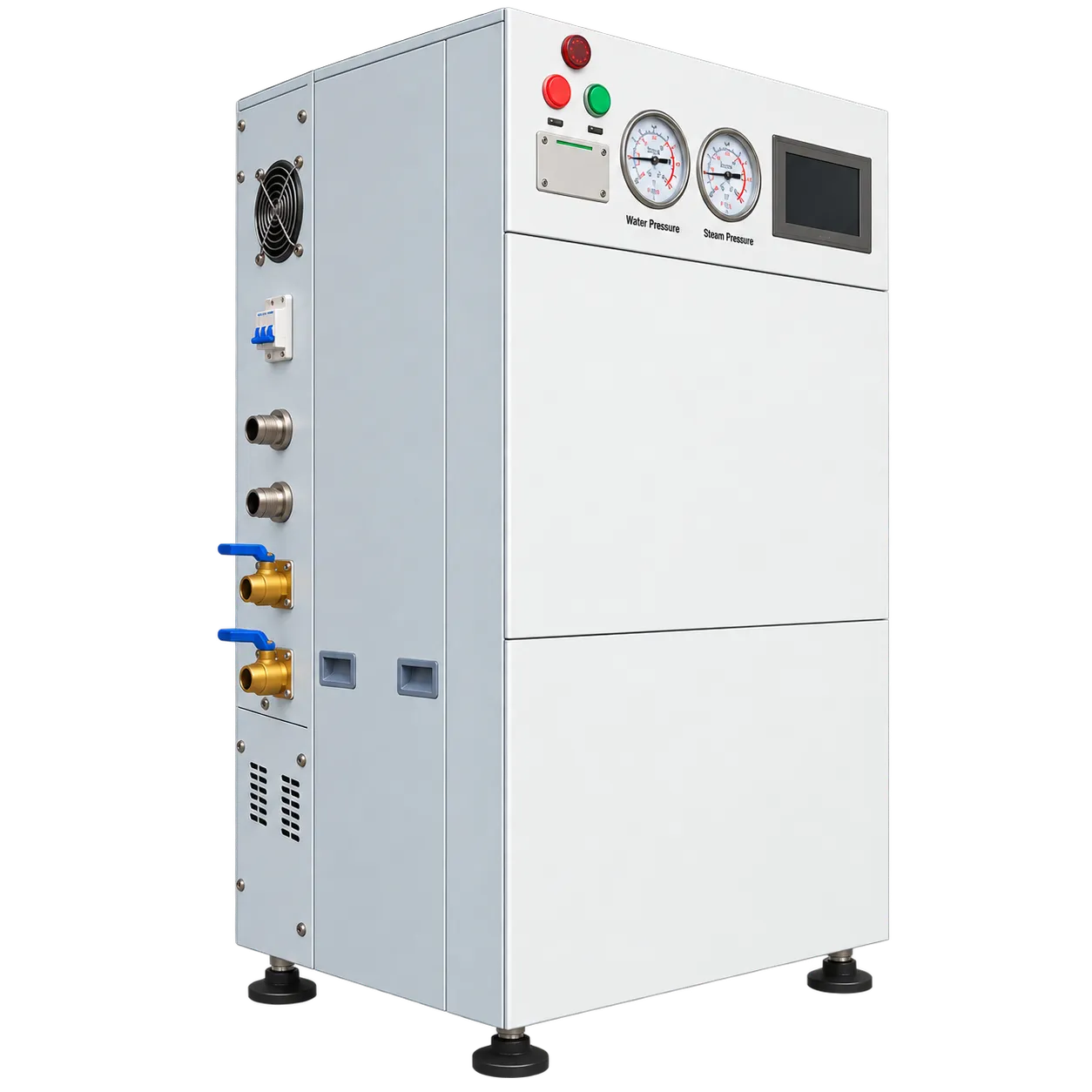
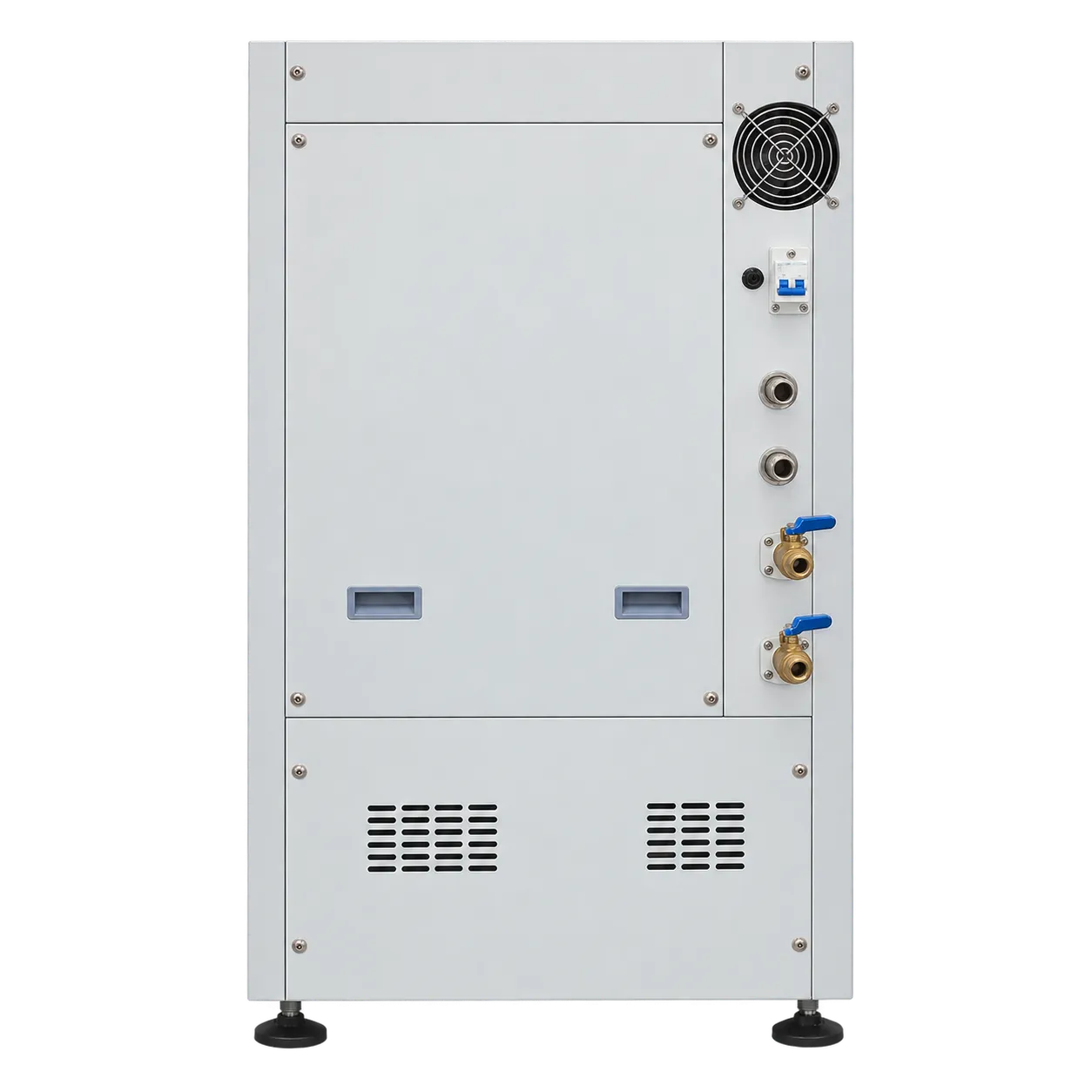
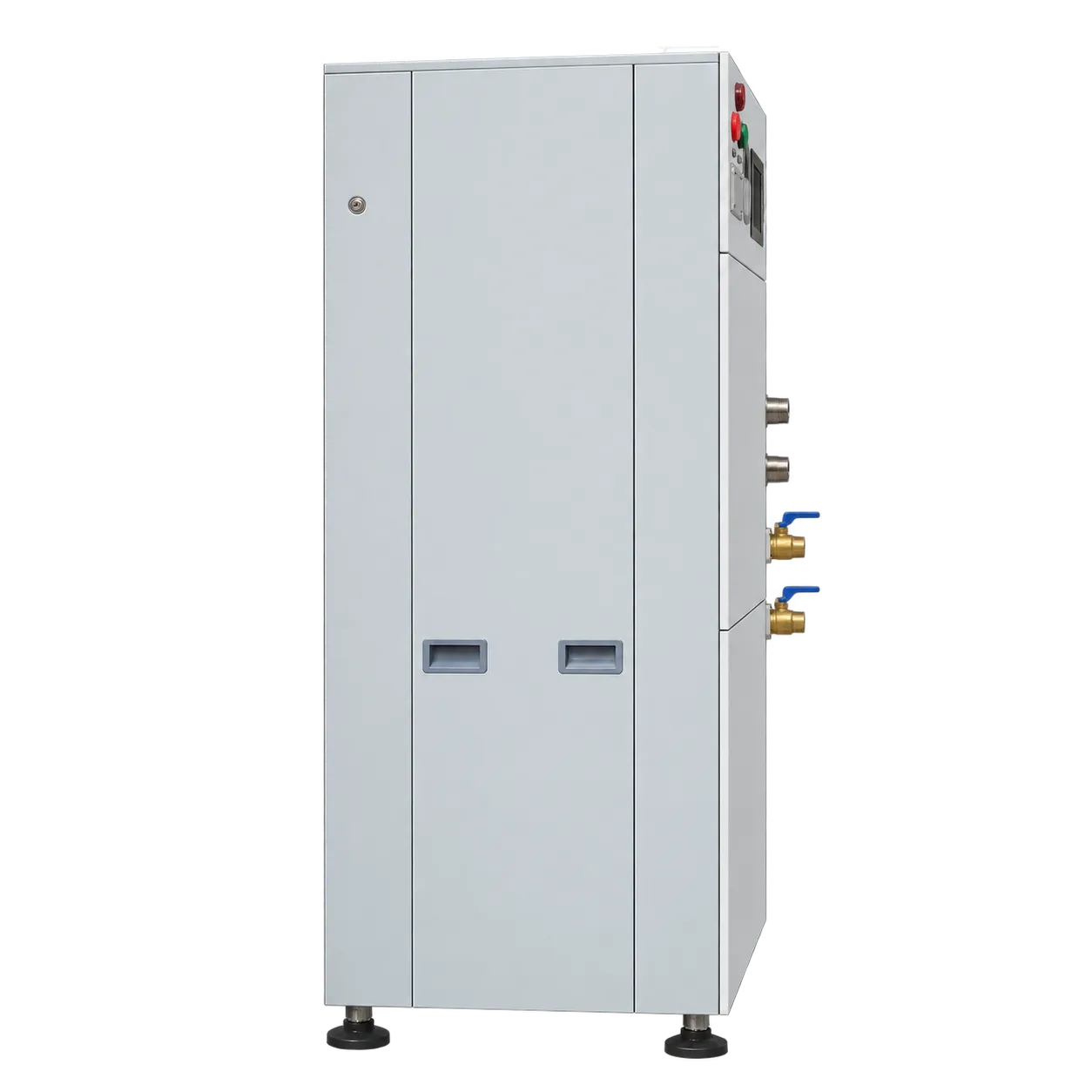
Research and university laboratories, hospital pathology and microbiology departments, pharmaceutical quality control laboratories and teaching facilities with bulky loads are the natural buyers for the WY-300D. Large flasks, carboys, waste containers, glassware racks and media batches fit its 620 mm bore, and unwrapped solid instruments suit its gravity cycle as well.
Laboratory audits show why the building deserves as much attention as the chamber. One measured large autoclave used about 8 kWh and roughly 38 litres of water in a 30-minute gravity cycle at 121 °C, then a further 3 kWh and nearly 8 litres for every idle hour. Energy audits of UK university laboratories found autoclave steam accounted for 18% of the total energy used by one life science laboratory. A US public university case study ranked powering down a steam-jacketed autoclave as the largest per-device energy reduction, at roughly 23,400 kWh a year.
Those figures turn the WY-300D's installation into an estates exercise. The doorway, the electrical circuit, the water feed, a drain that can take hot discharge and ventilation sized for the heat all need agreeing before delivery. Once it is running, a switch-off routine for nights and weekends, full loads and scheduled cycles keep its demands on the building in proportion to the work it does.
Health services that buy through formal tenders, including the NHS, list installation and energy requirements in laboratory equipment specifications, and laboratory buyers in other countries do the same. The conformity documentation those procurement routes require is issued by the manufacturer and shared by the enquiry team.