
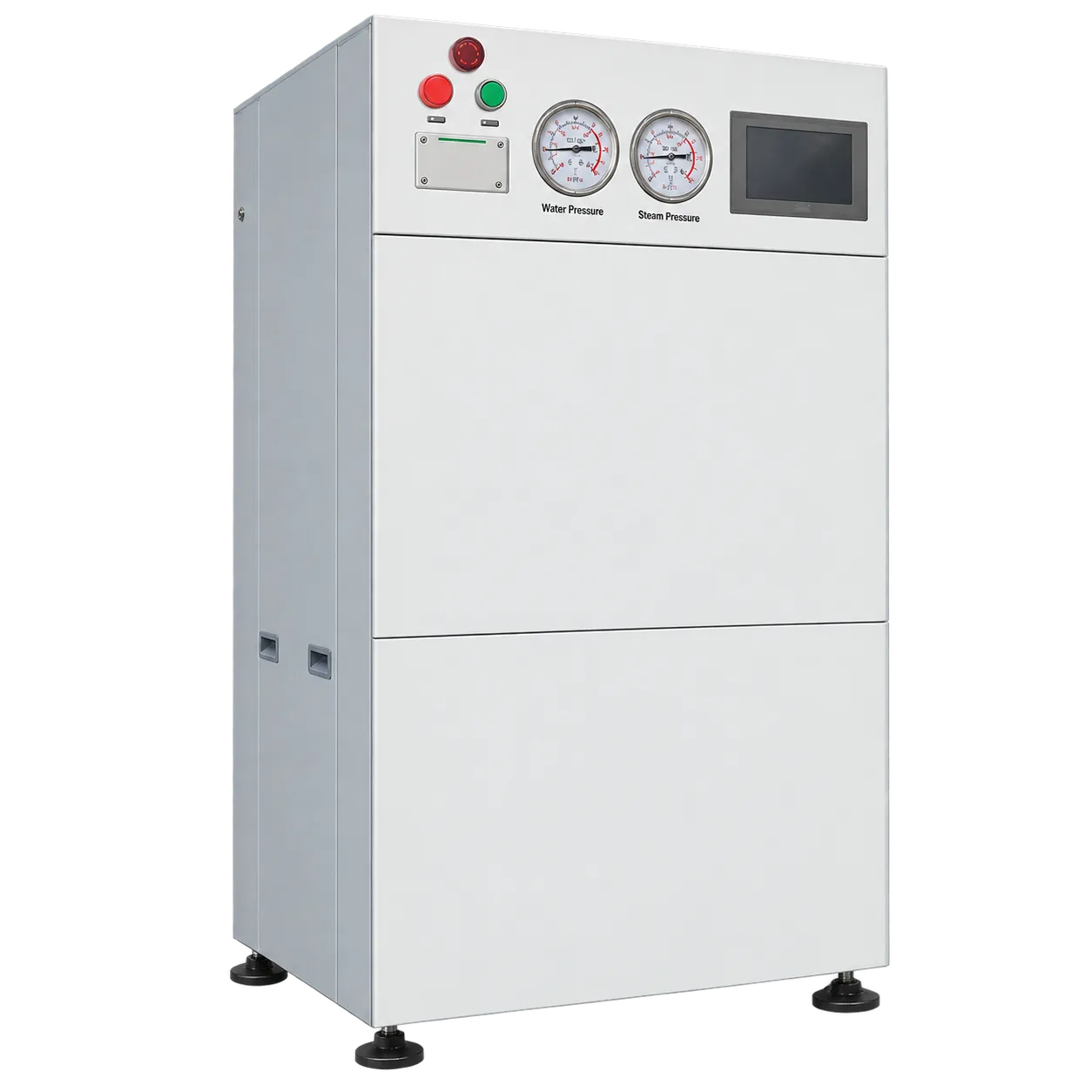
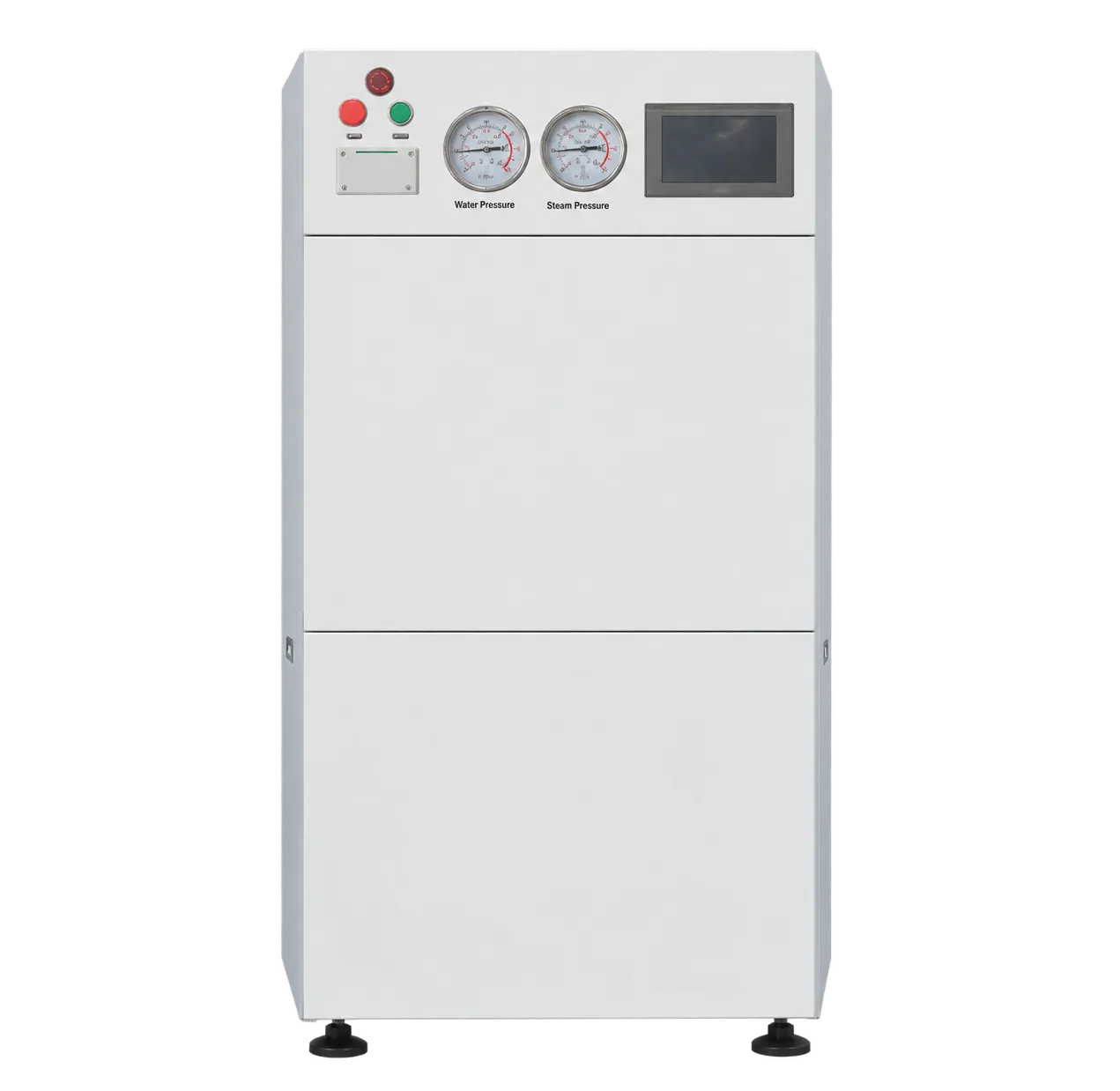
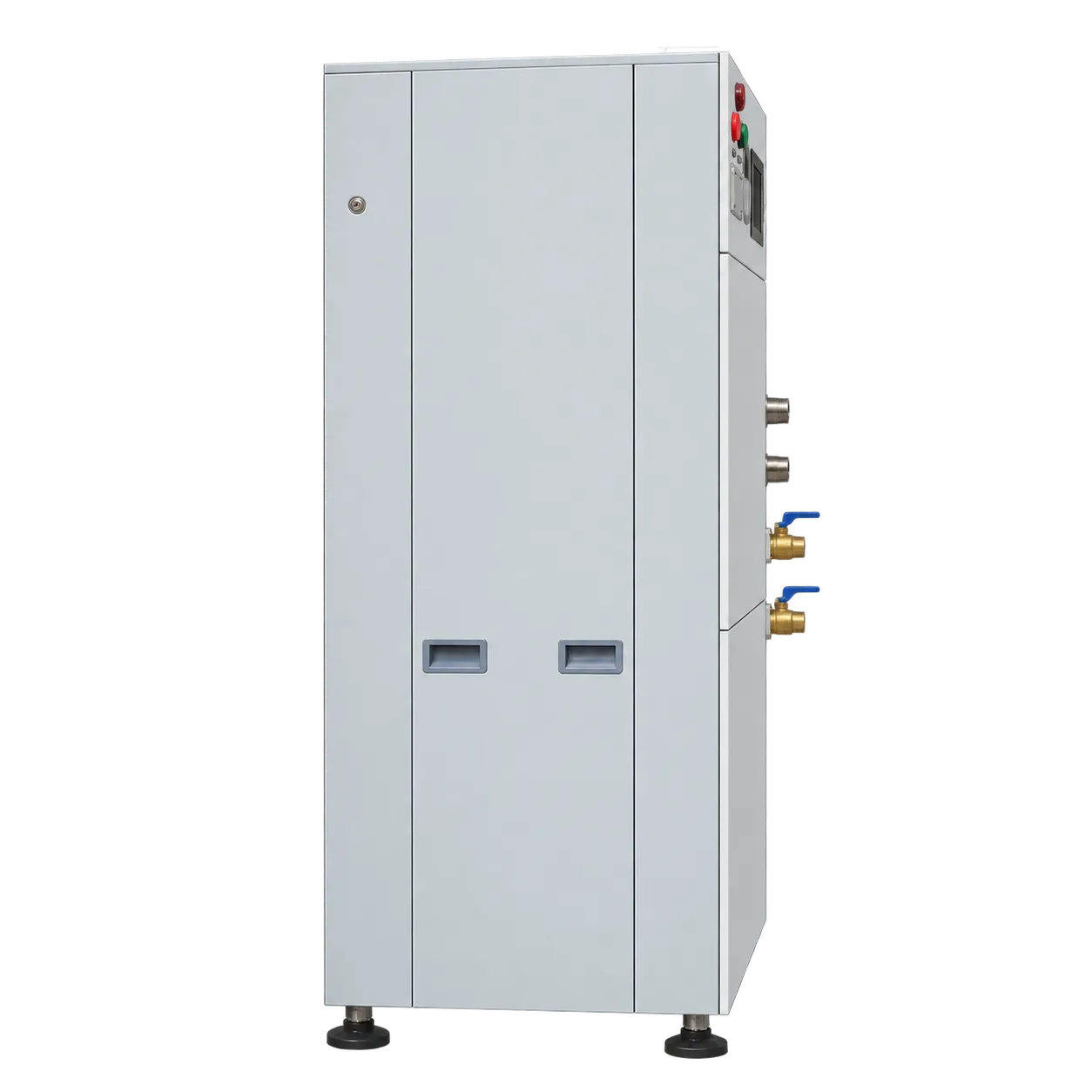
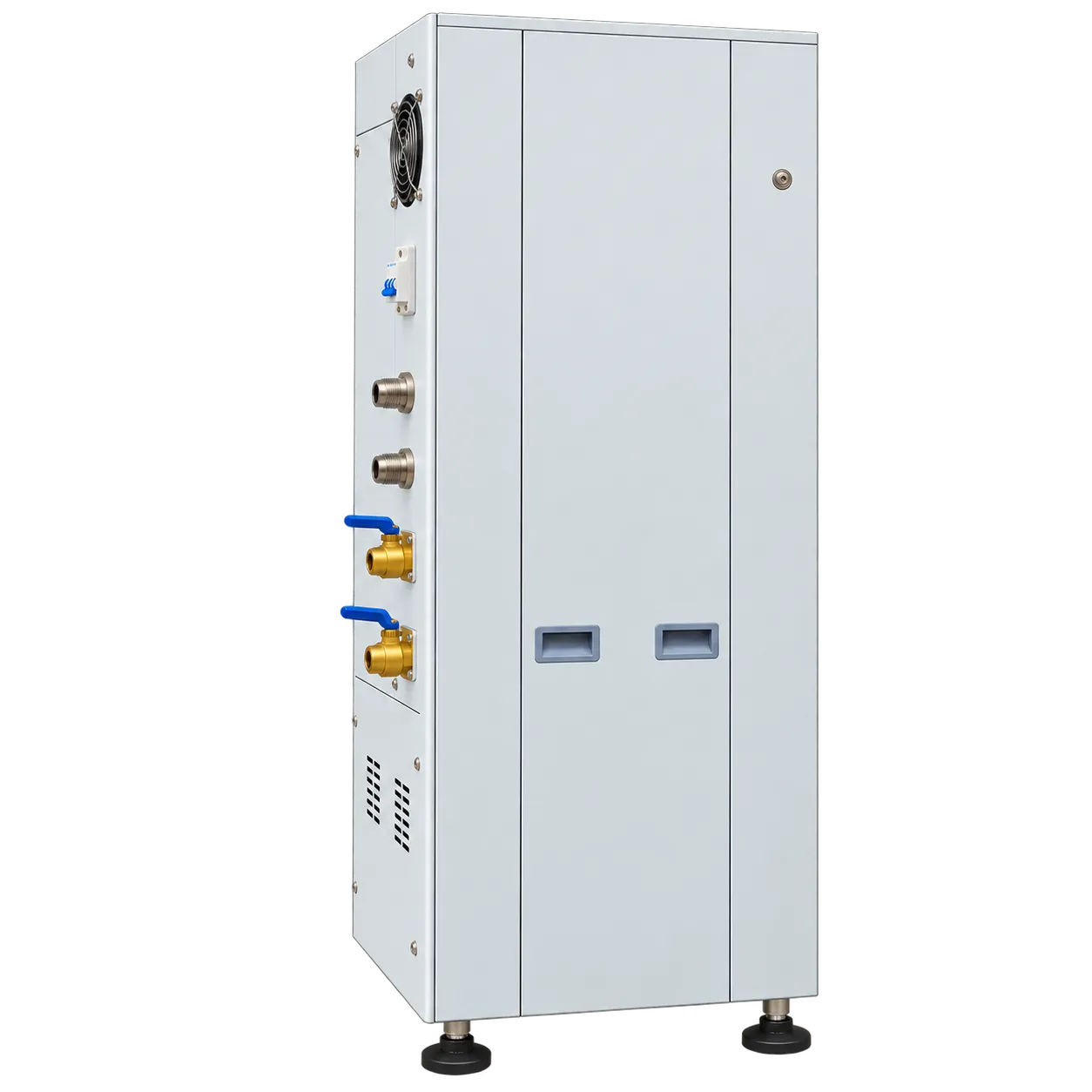
Hospital pathology and microbiology departments, university and research containment laboratories, and public health laboratories handling biological agents are where a pass-through gravity steriliser belongs. Biohazard waste, used glassware and culture media are its everyday loads, and its own steam generator means no plant steam has to be piped into the laboratory suite.
UK guidance for containment level 3 work prefers an autoclave inside the laboratory, or readily accessible within the suite, with waste carried there in leak-resistant containers so nothing spills on the way. University specifications for new containment suites go further, siting a dedicated autoclave within the containment zone and setting rules for any double-ended unit built into its boundary.
Evidence from a biosafety level 3 facility shows why validation cannot be skipped. Its pass-through autoclave served as the barrier for all waste leaving the laboratory, yet factory default cycles proved inadequate for some highly infectious waste, depending on the type, packaging, quantity and starting temperature of the load. Animal carcasses and bedding were the hardest to treat.
The safety case for the WY-200S therefore has two halves. The steriliser removes the corridor journey for untreated waste; the laboratory takes on the wall seal, the interlock checks, the effluent route and a validation programme for every waste stream, all recorded in its risk assessment.
Health services that buy through formal tenders, including the NHS, specify containment and validation needs for laboratory sterilisers, and laboratory buyers in other countries do the same. The conformity documentation those procurement routes require is issued by the manufacturer and shared by the enquiry team.