
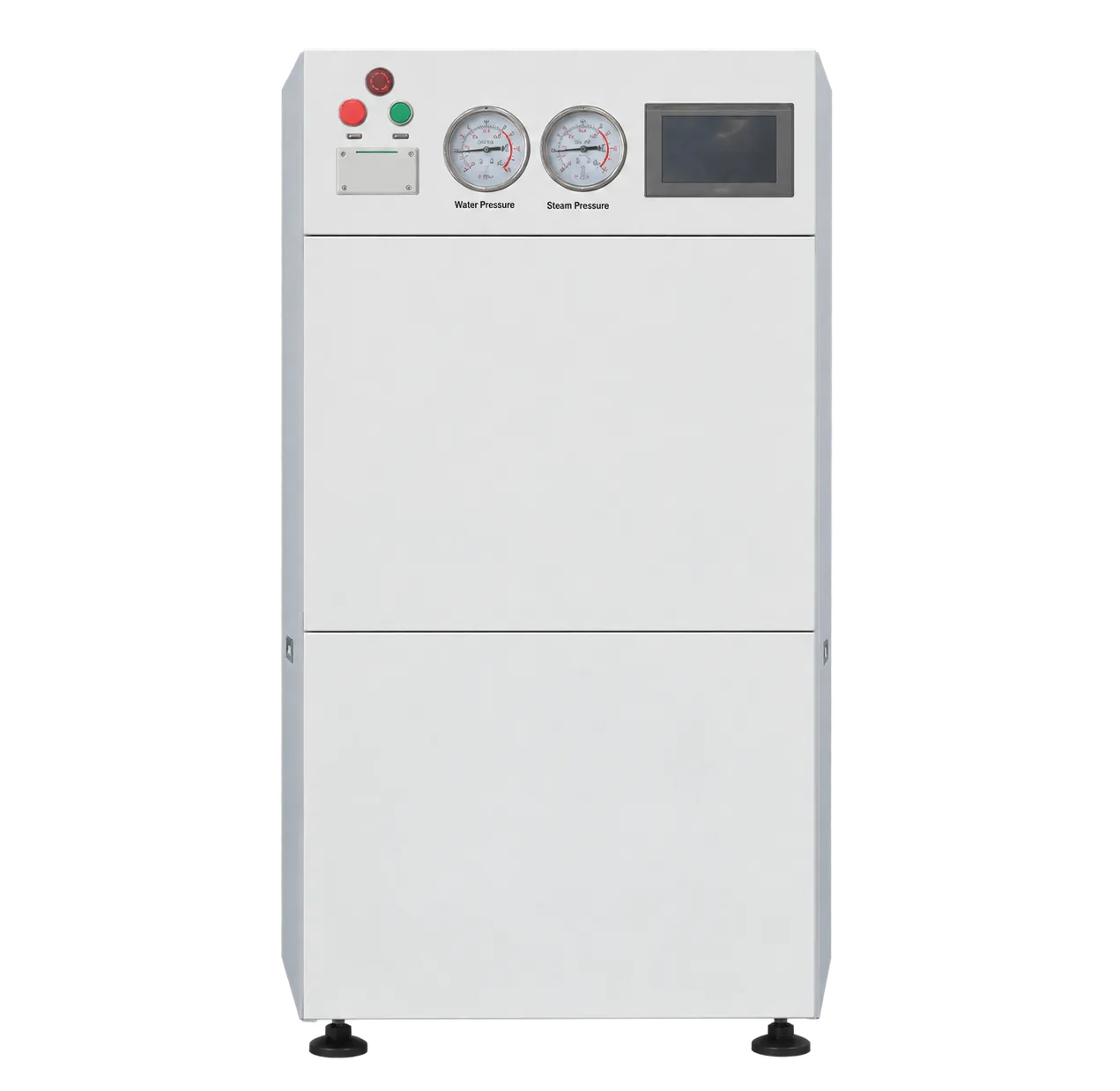
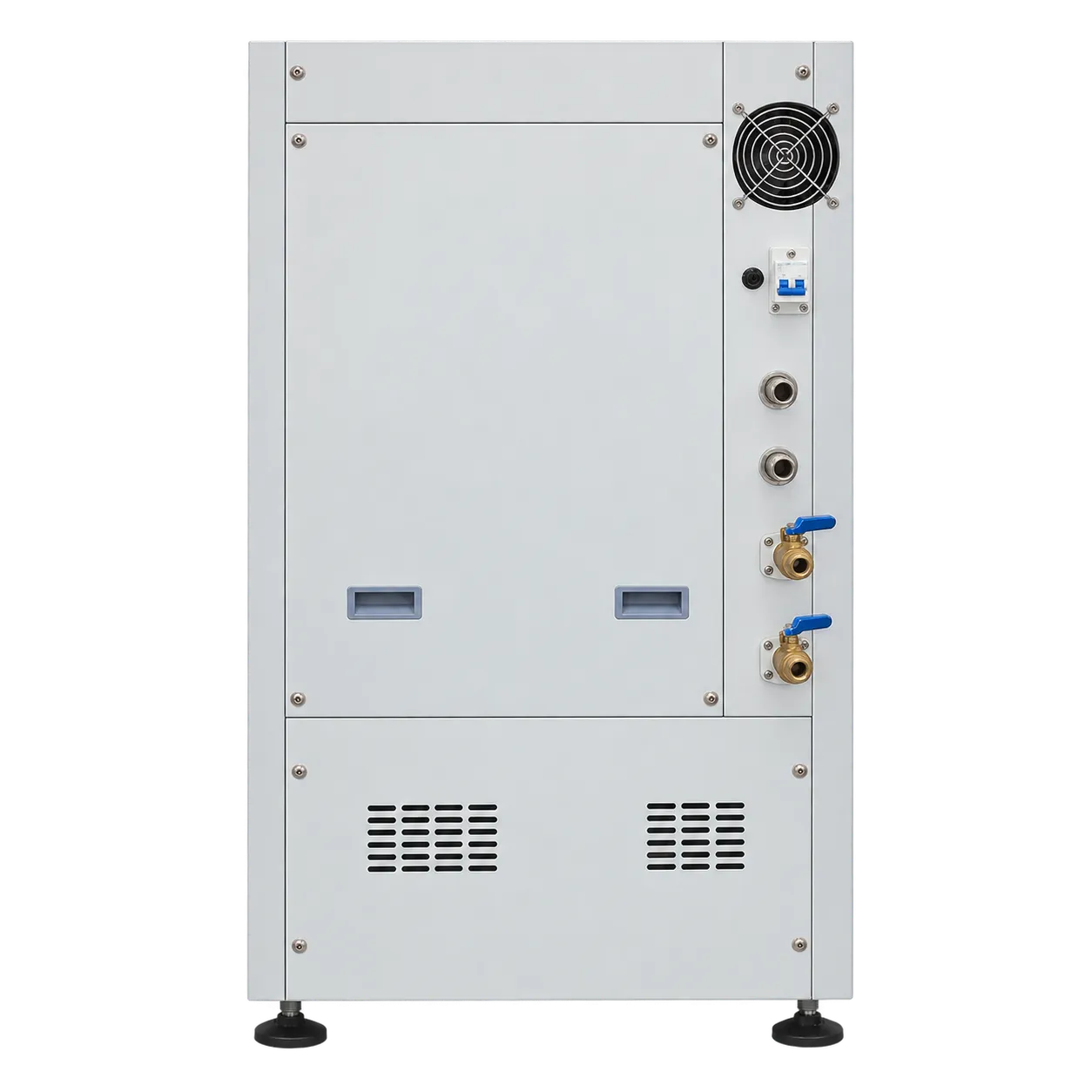
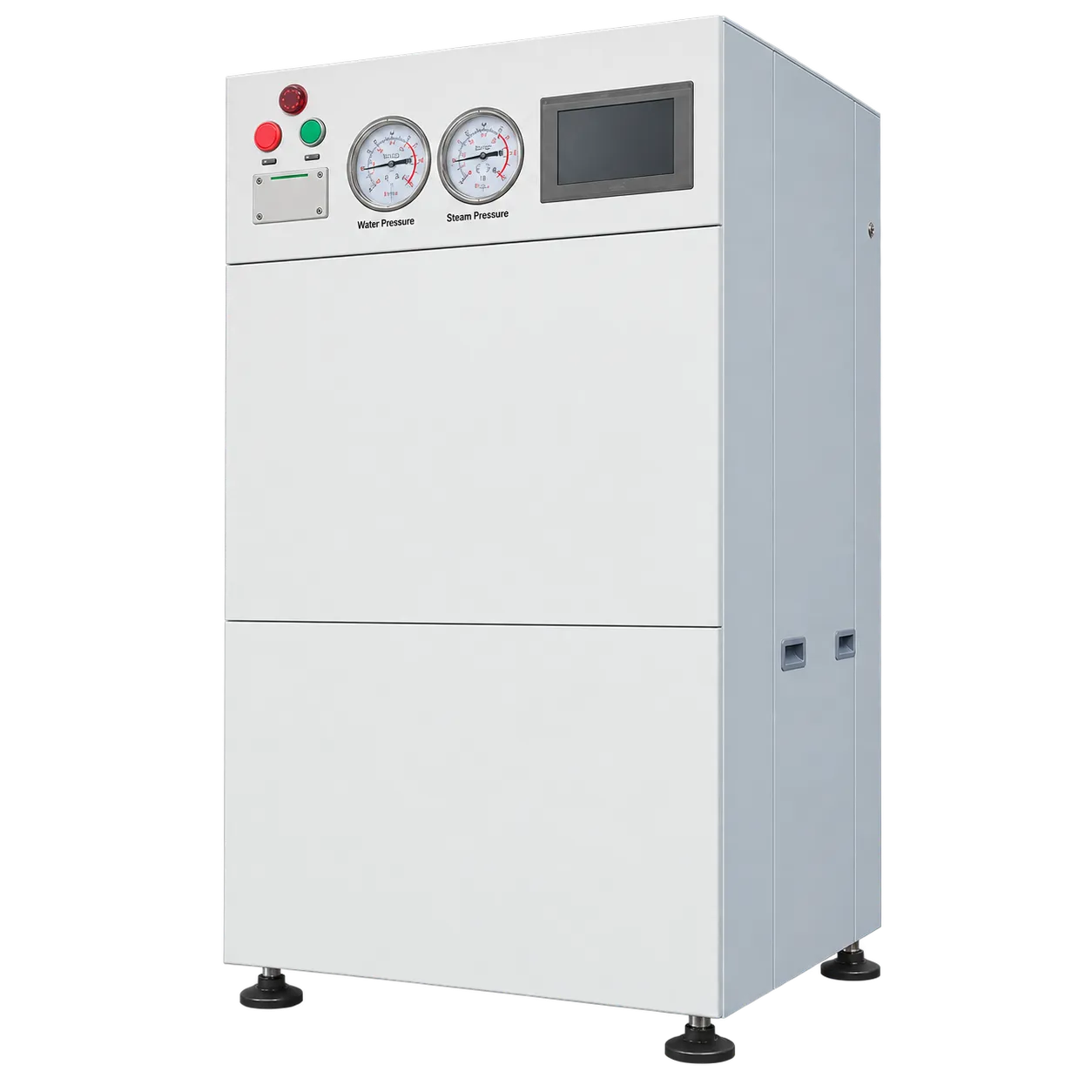
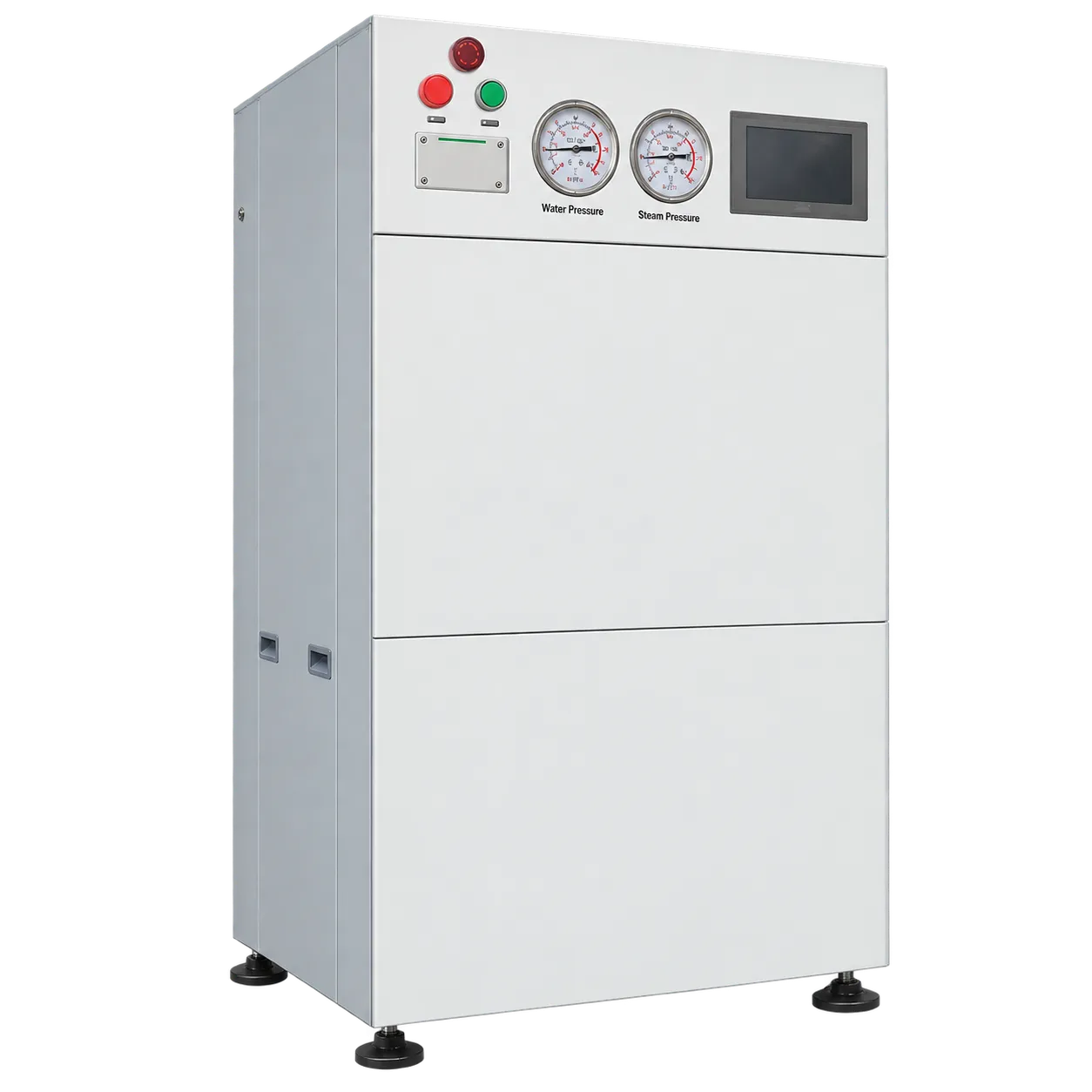
Hospital and university laboratories, microbiology and pathology departments, research facilities and clinics that reprocess unwrapped solid instruments are the natural buyers for the WY-150D. Culture media, glassware, water, laboratory waste, and unwrapped metal instruments are the loads its gravity cycle is built around, and its steam generator lets it work wherever three-phase power, water, and compressed air reach.
US infection control guidance describes gravity displacement autoclaves as primarily used for laboratory media, water, pharmaceutical products, regulated medical waste and nonporous articles whose surfaces meet the steam directly. The same guidance notes that steam penetration into porous items is prolonged because air removal is incomplete, which is why wrapped, porous and hollow healthcare loads belong in a vacuum steriliser.
Waste is where validation matters most. A hospital study validating cycles for four waste categories found that laboratory and sharps waste needed nine test loads, with the sterilising time doubled to 60 minutes, before biological indicators were inactivated three times in succession. Load size, bag type and the water inside each bag all changed the result, so every laboratory should prove its own waste cycles.
Read honestly, the WY-150D does a narrower job well. A department that knows its loads are unwrapped, solid, liquid or waste gains a self-contained steriliser with no boiler to connect and a short list of loads to train for.
Health services that buy through formal tenders, including the NHS, set out load types and validation needs in their specifications, and laboratory buyers elsewhere work the same way. The conformity documentation those procurement routes require is issued by the manufacturer and shared by the enquiry team.