
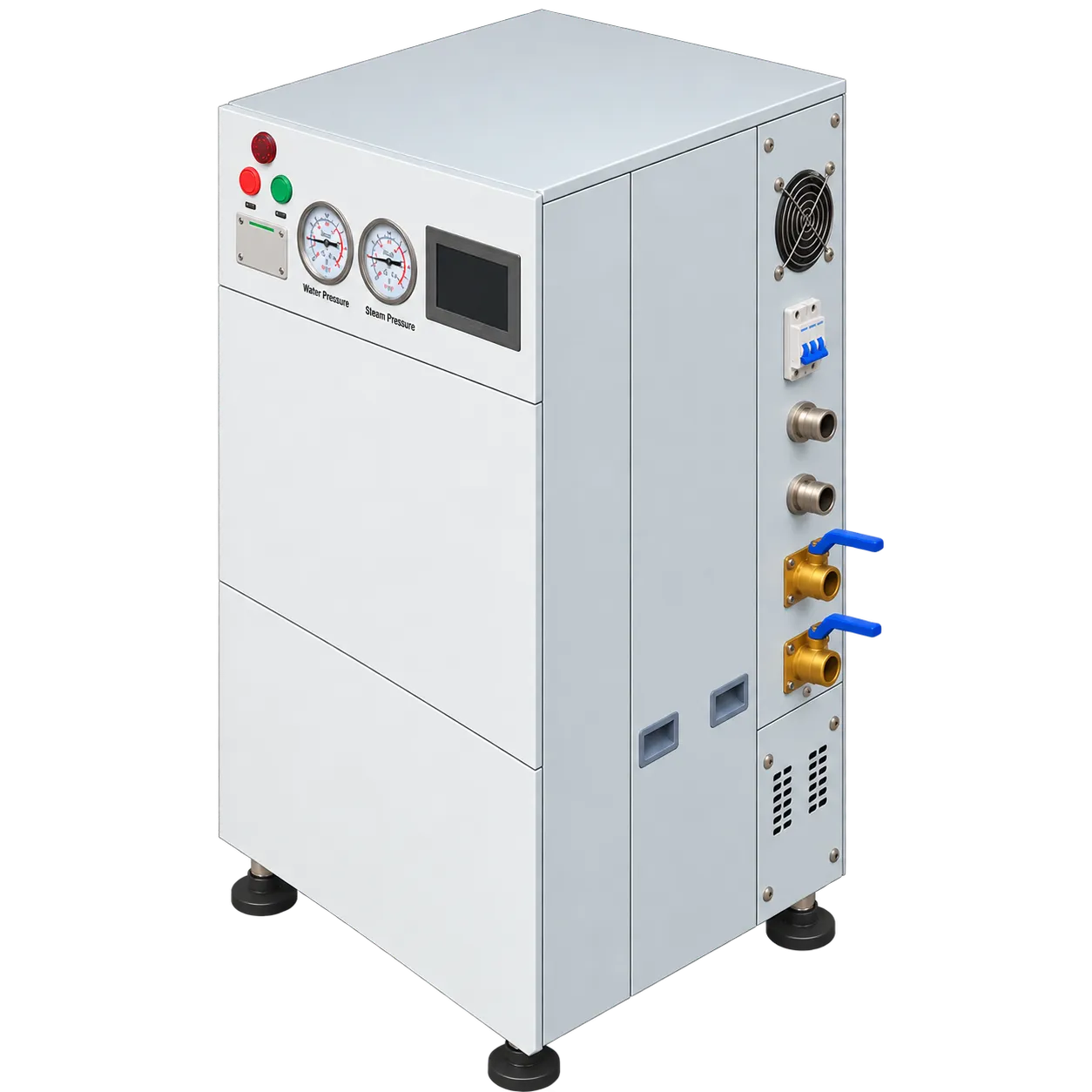
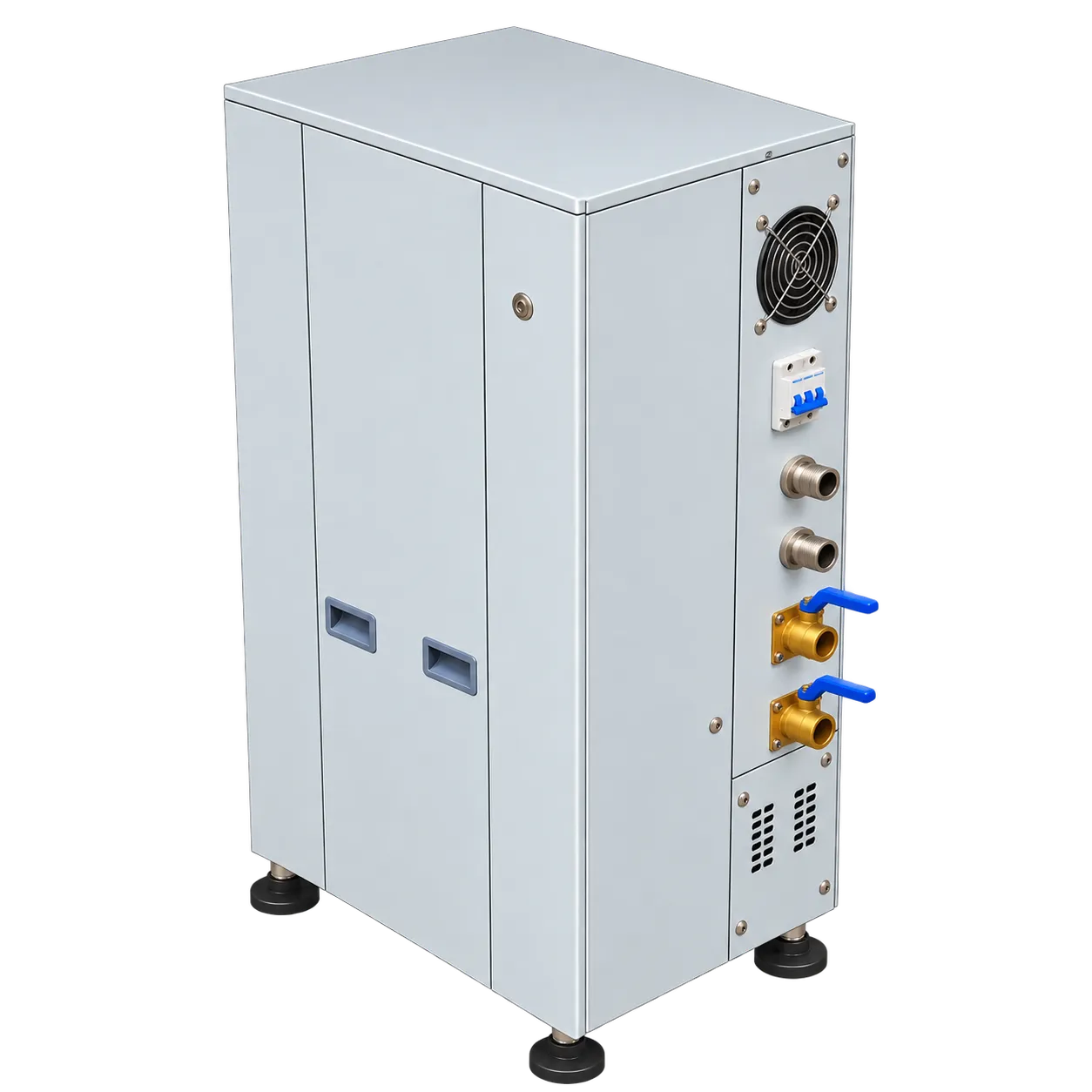
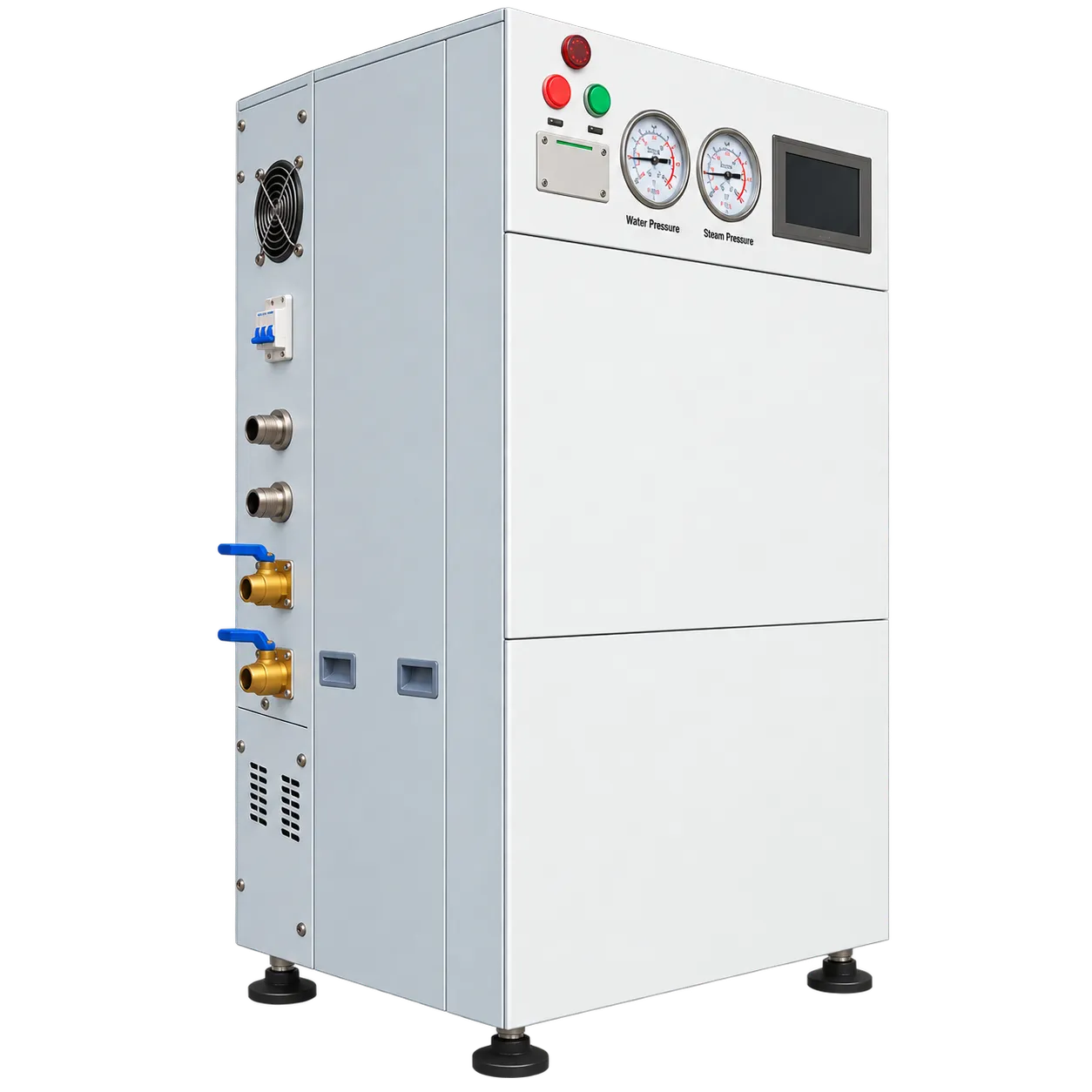
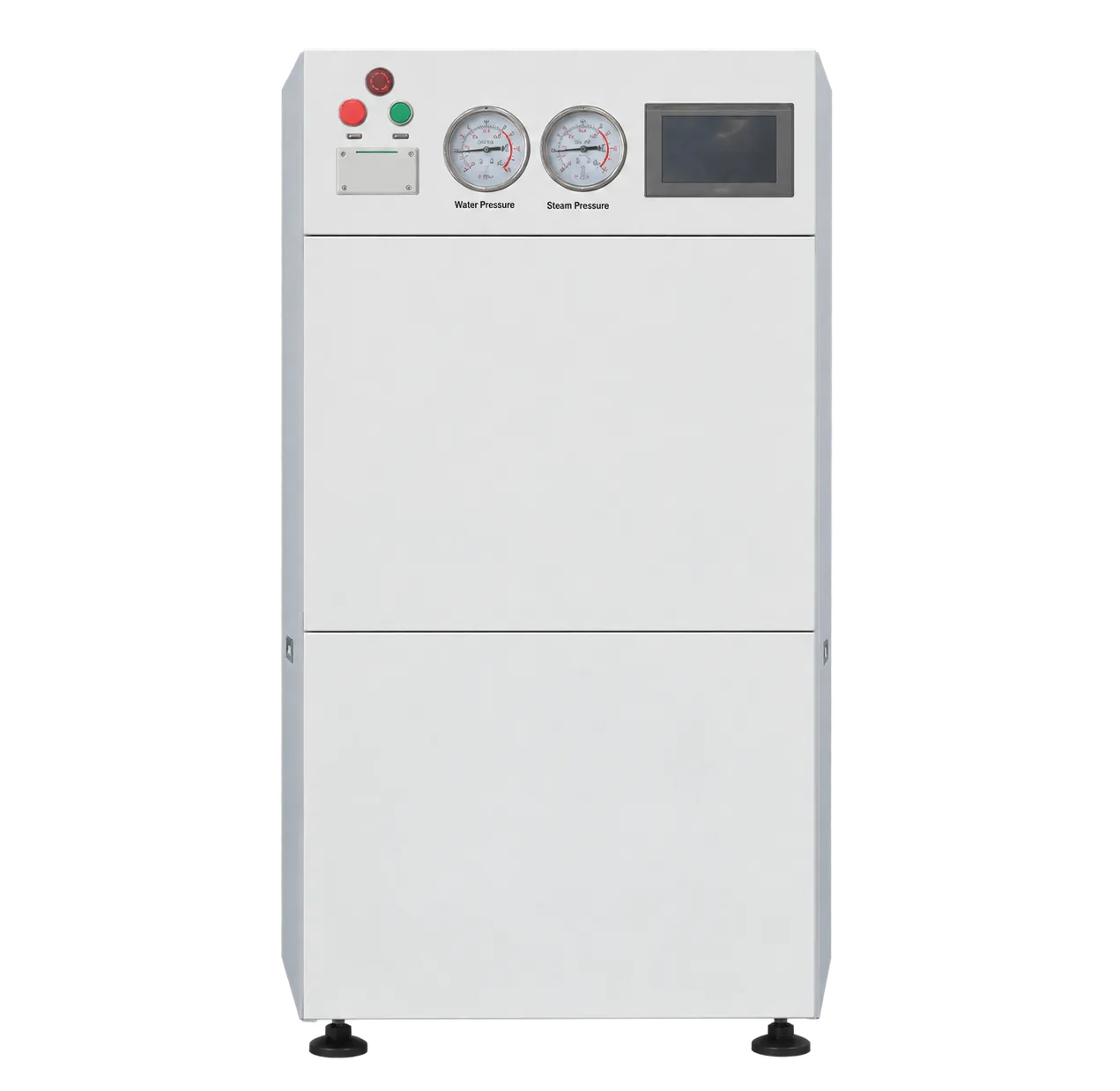
Community and rural hospitals, satellite clinics, day surgery units and small decontamination rooms without plant steam are the natural home for the WY-100DM. Wrapped instrument kits, dressings and other porous items, and hollow or lumened instruments are its everyday loads, which is why it keeps pulsed vacuum despite its size. Temporary and field facilities without plant steam fit the same profile, provided they can offer a three-phase supply.
Evidence on hollow loads explains the choice and its limits. In a study of 476 helix tests, every steriliser passed the Bowie-Dick test, yet 41% of the helix tests failed, with outcomes depending on test conditions and the type of air removal used. A clinical review of steam sterilisation makes the same point: the helix test checks whether trapped air can be removed from inside hollow instruments, which needs dynamic vacuum. Vacuum air removal is necessary for these loads, and a hollow-load test is what shows it is working.
The WY-100DM is a reduced design with the essential part intact. It leaves out a building-steam connection, a second door and module-sized capacity, and keeps pulsed vacuum in a cabinet that passes a standard door and runs on mains services. For a site whose loads fit a 420 mm bore and whose layout is a single room, nothing that matters is missing.
Formal tenders, including NHS ones, specify load types, testing regimes and site constraints, and public buyers in other countries do the same. The conformity documentation those procurement routes require is issued by the manufacturer and shared by the enquiry team.