
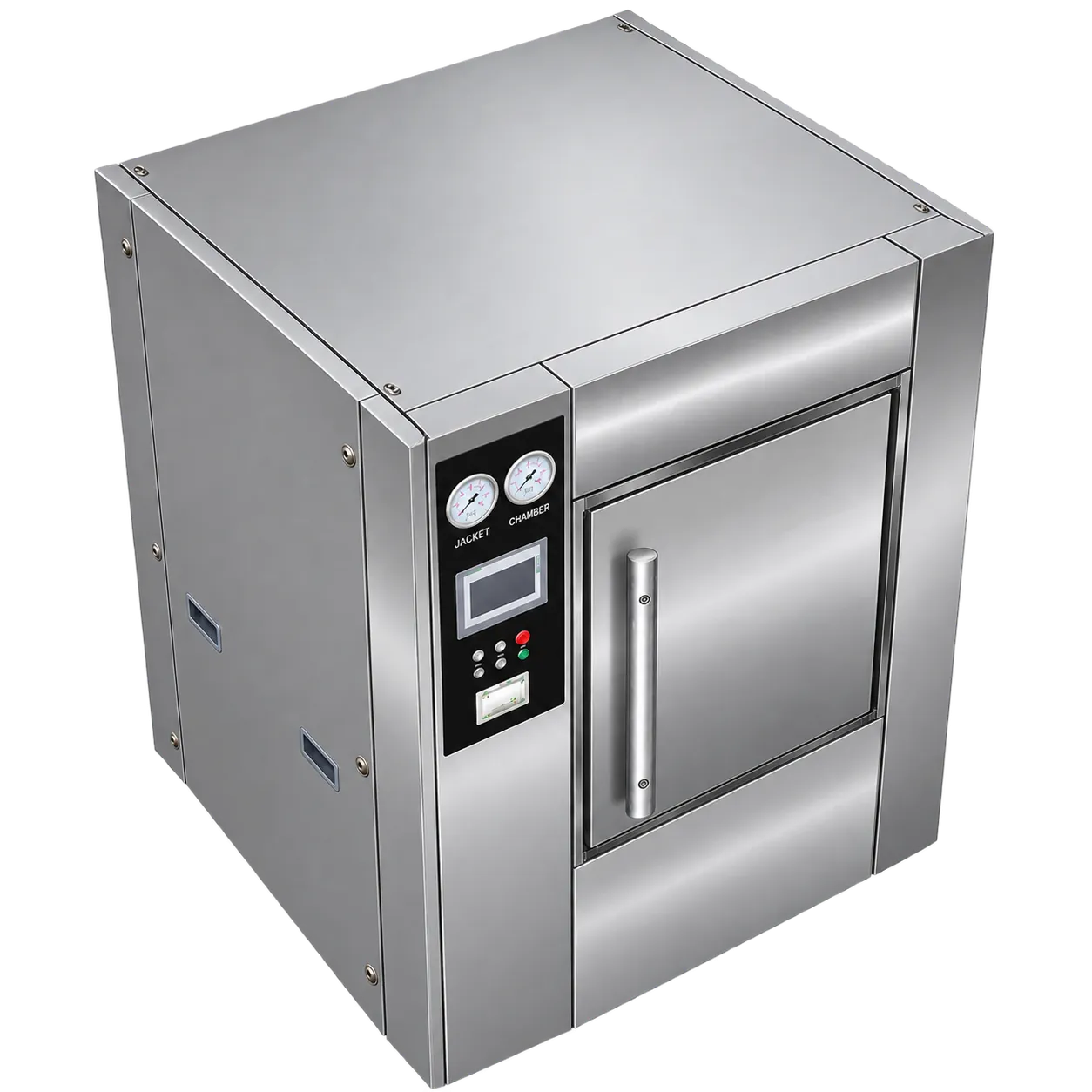
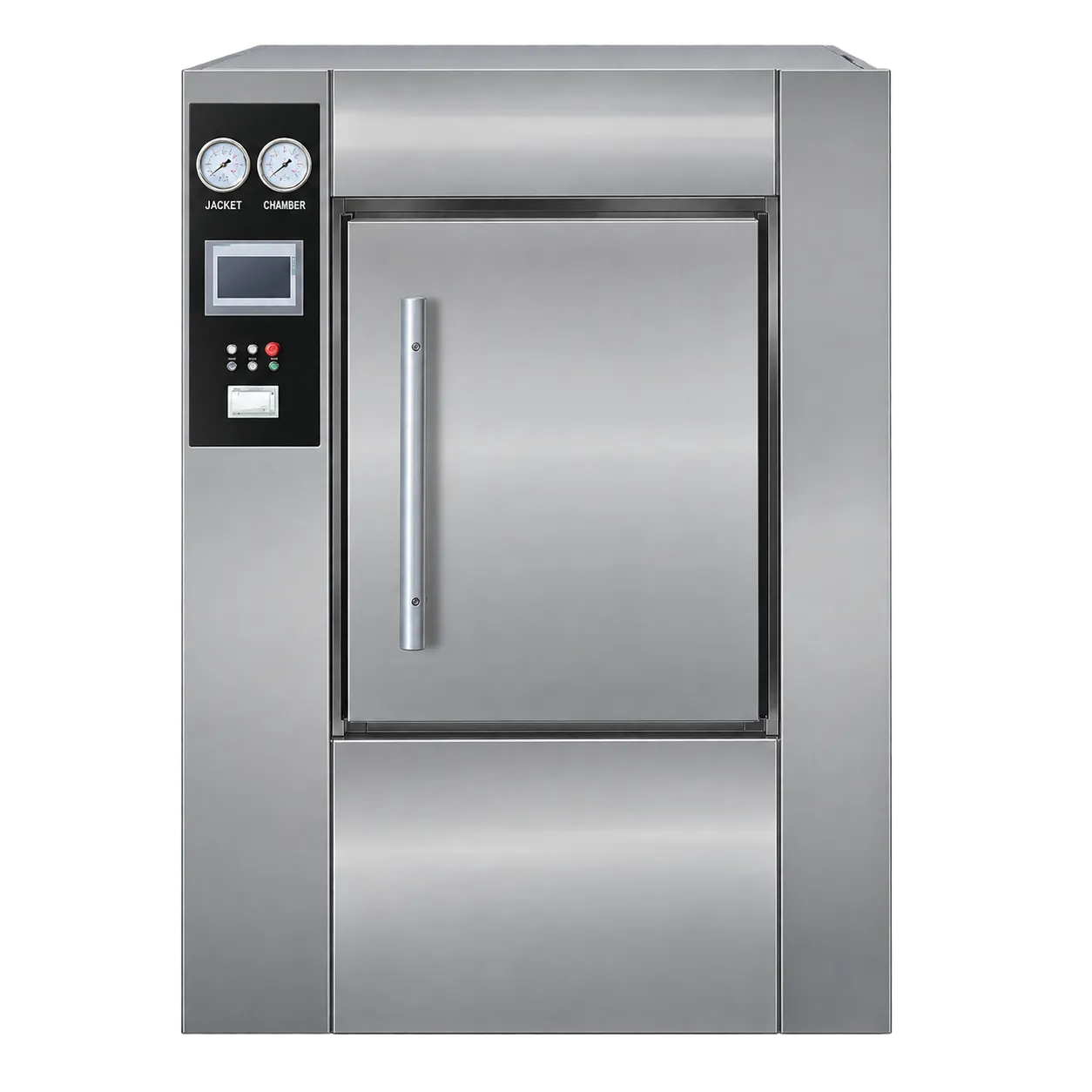
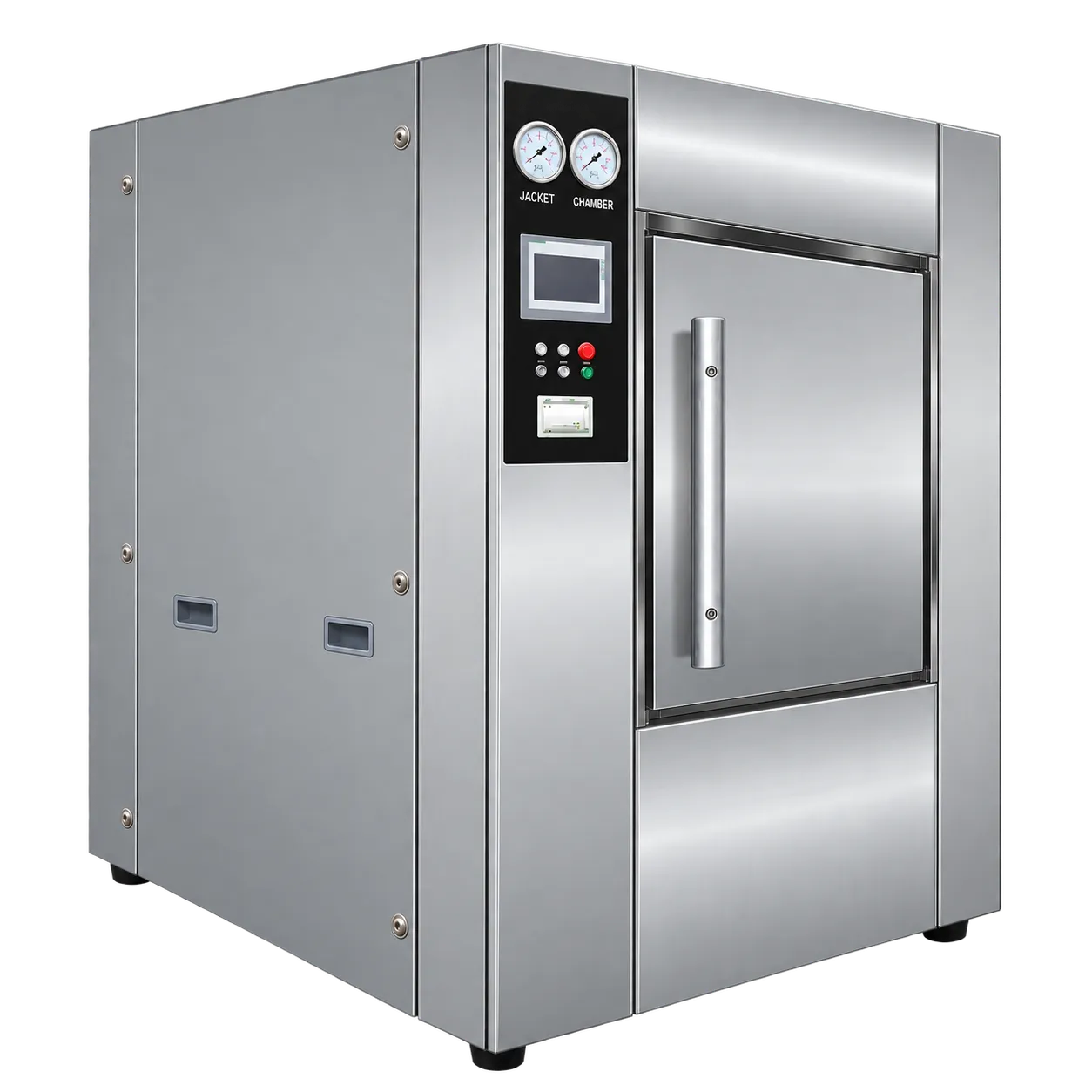
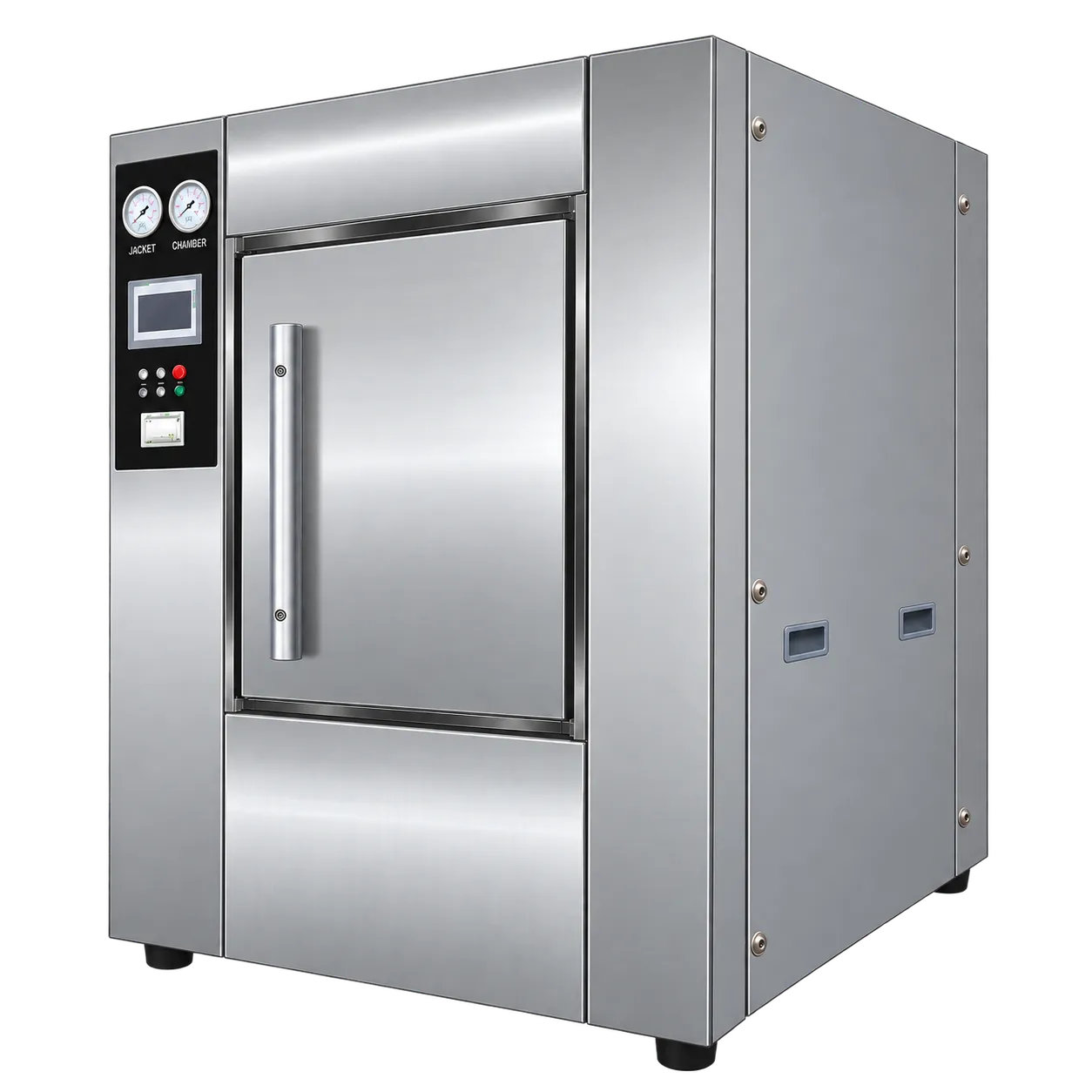
Central sterile services departments that supply several theatre suites, large dental hospitals and regional decontamination units are where a 600-litre trolley-loaded chamber fits. Wrapped instrument trays, rigid containers, surgical textiles, lumened instruments and bulky orthopaedic sets all suit its pulsed-vacuum cycles, and the car lets a full batch move as one load. In departments that run two or three shifts, the loading routine repeats many times a day, so its demands on staff add up quickly.
The case for trolley loading rests on the people doing the work. A survey of 142 central sterile supply technicians across 23 hospitals in Thailand found a 12-month prevalence of musculoskeletal disorders of 70.4%, with the lower back most often affected. In a Brazilian sterile supply department, almost a third of the nursing professionals surveyed had been functionally readapted, alongside a high prevalence of work-related musculoskeletal disorders and repetitive strain injuries.
Occupational safety guidance for sterile supply areas points in the same direction, naming repeated reaching and lifting as hazards and recommending carts with large, low-resistance wheels. Pushing and pulling heavy carts appears on the same hazard list, so a trolley moves the effort without removing it. Smooth floors, well-maintained wheels, and a clear approach to the door determine how much strain the cart actually saves.
Health services that buy through formal tenders, including the NHS, expect EN 285 evidence and a validation plan for sterilisers of this capacity, and public procurement elsewhere asks for much the same. The conformity documentation those procurement routes require is issued by the manufacturer and shared by the enquiry team.