
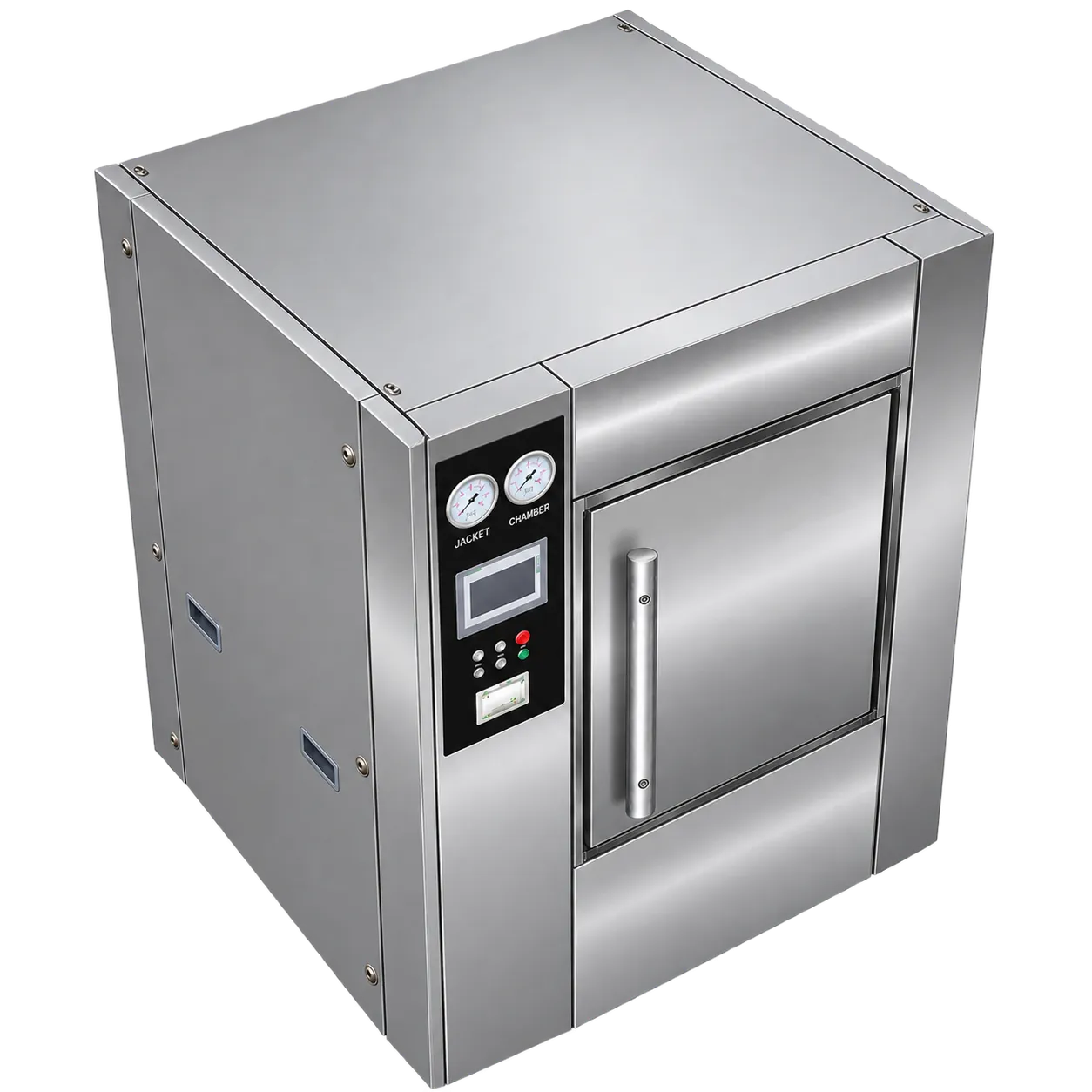
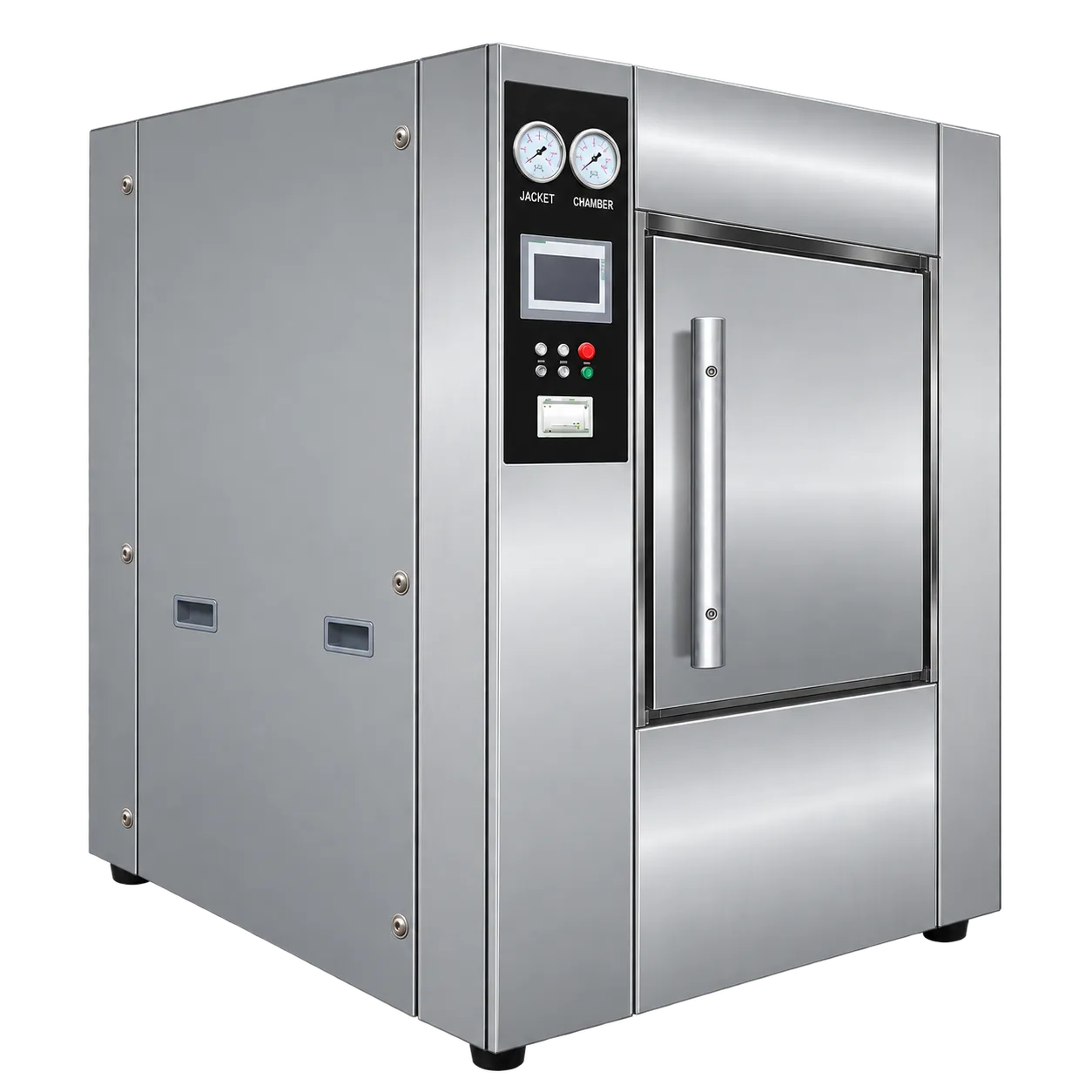
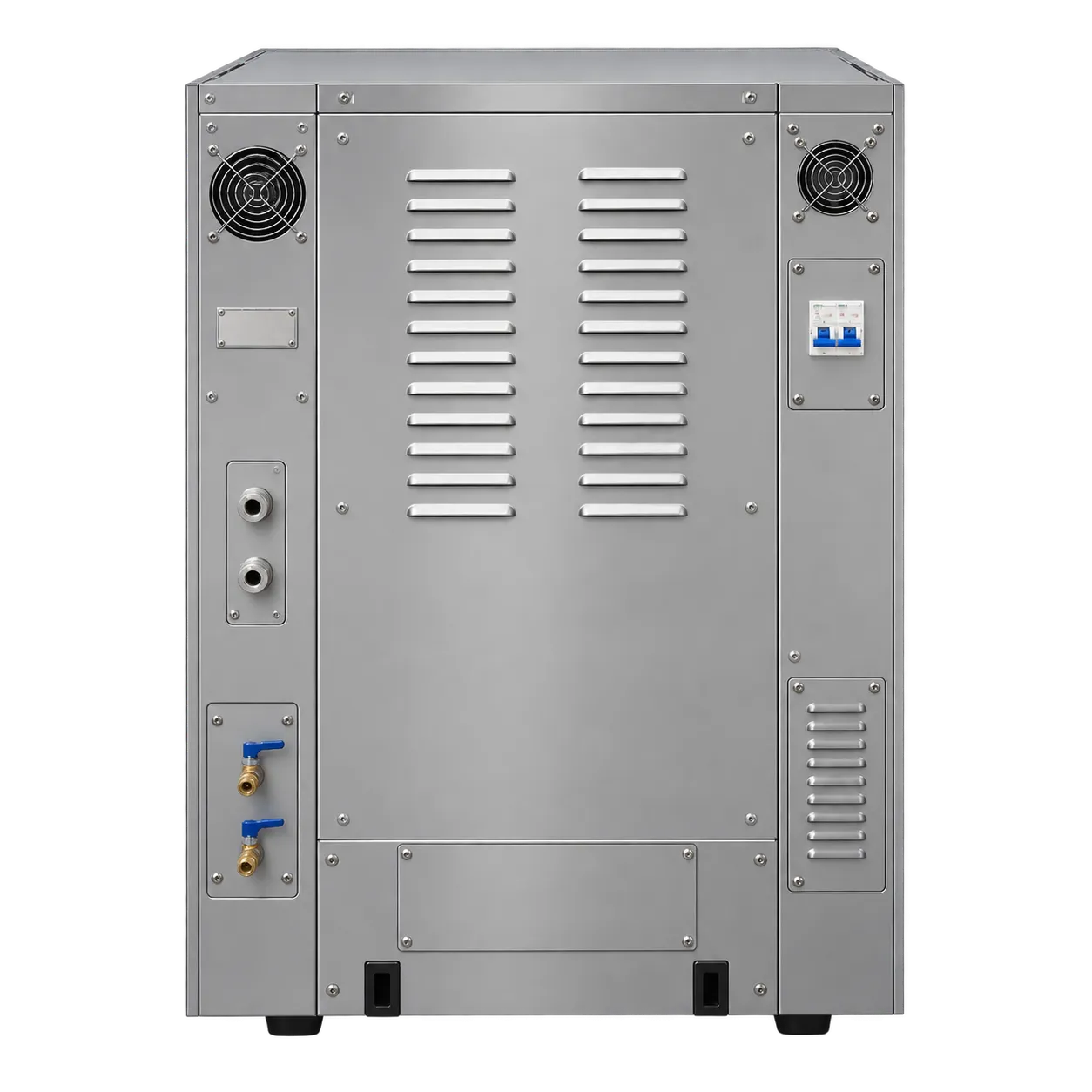
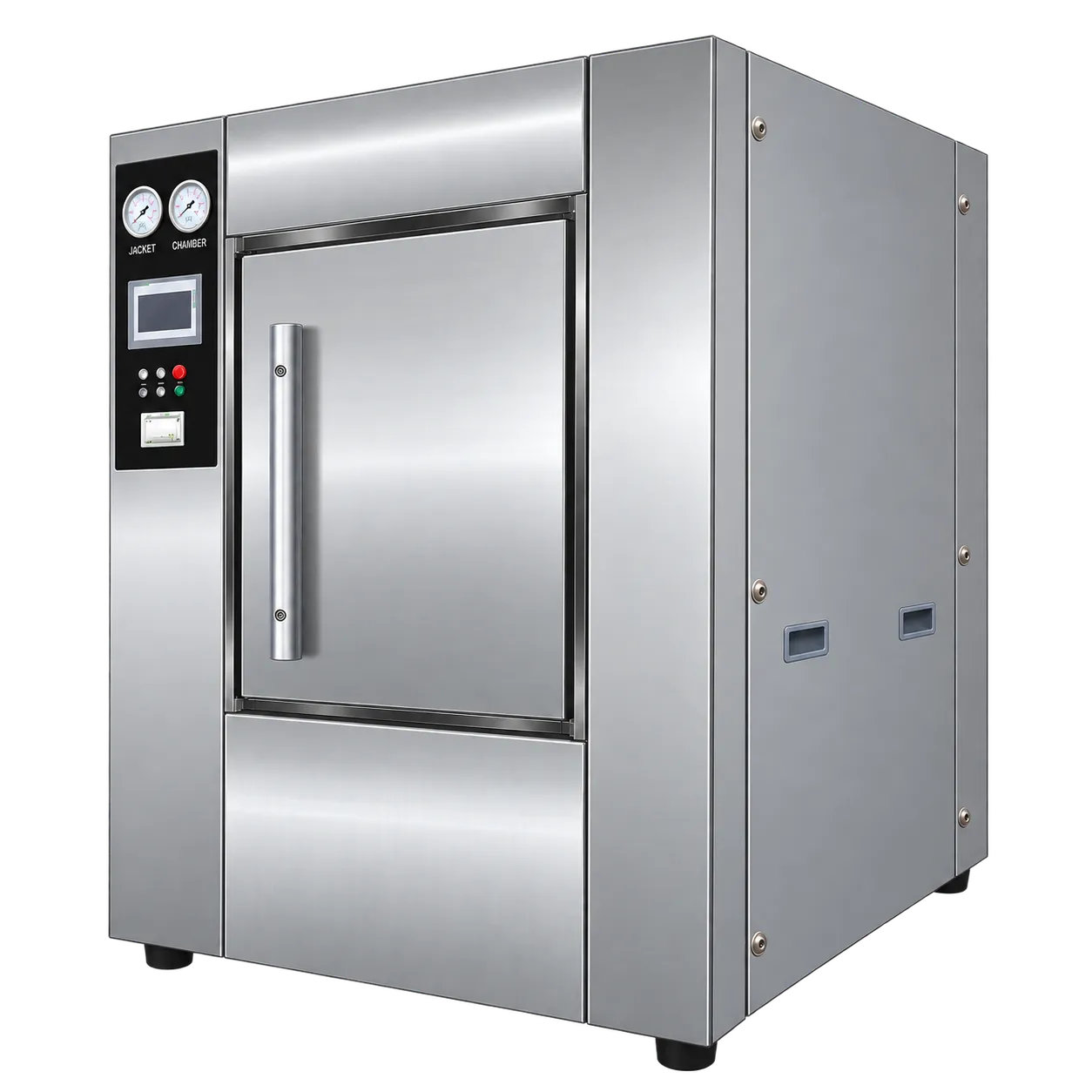
Central and off-site sterile services with site steam, segregated packing and sterile rooms, and theatre lists across several hospitals are the natural home for the WF-1200SM. Wrapped trays, rigid containers, heavy orthopaedic and implant sets, textiles, and lumened instruments all suit its pulsed-vacuum cycles, and long sets fit flat in a chamber 1,450 mm deep.
A chamber this size concentrates a department's capacity, and recent incidents show what an outage means in clinical time. A mechanical fault in the sterile services department of Wirral University Teaching Hospital forced the cancellation of more than 1,300 elective theatre cases. Patients waiting over 65 weeks rose from 4 to 26, with 21 of the increase put down to the incident. In Aberdeen, closing the central decontamination unit postponed 120 elective operations and 100 dental procedures, and the unit was expected to take several weeks to return to full operation. When a hospital in northern Canada lost its main steriliser, its smaller backup units could handle only limited quantities, and elective surgery was cancelled.
Those cases make the whole-life plan as important as the specification. Service response times, on-site spares holding, a validated fallback such as a second steriliser or a mutual-aid agreement, and test schedules that avoid peak theatre days all keep the chamber, and the lists that depend on it, running.
Public tenders, including those run for the NHS, ask for EN 285 evidence and a validation plan for a steriliser this large, and procurement bodies abroad expect the same. The manufacturer issues the conformity documentation those procurement routes require, and the enquiry team shares it.