
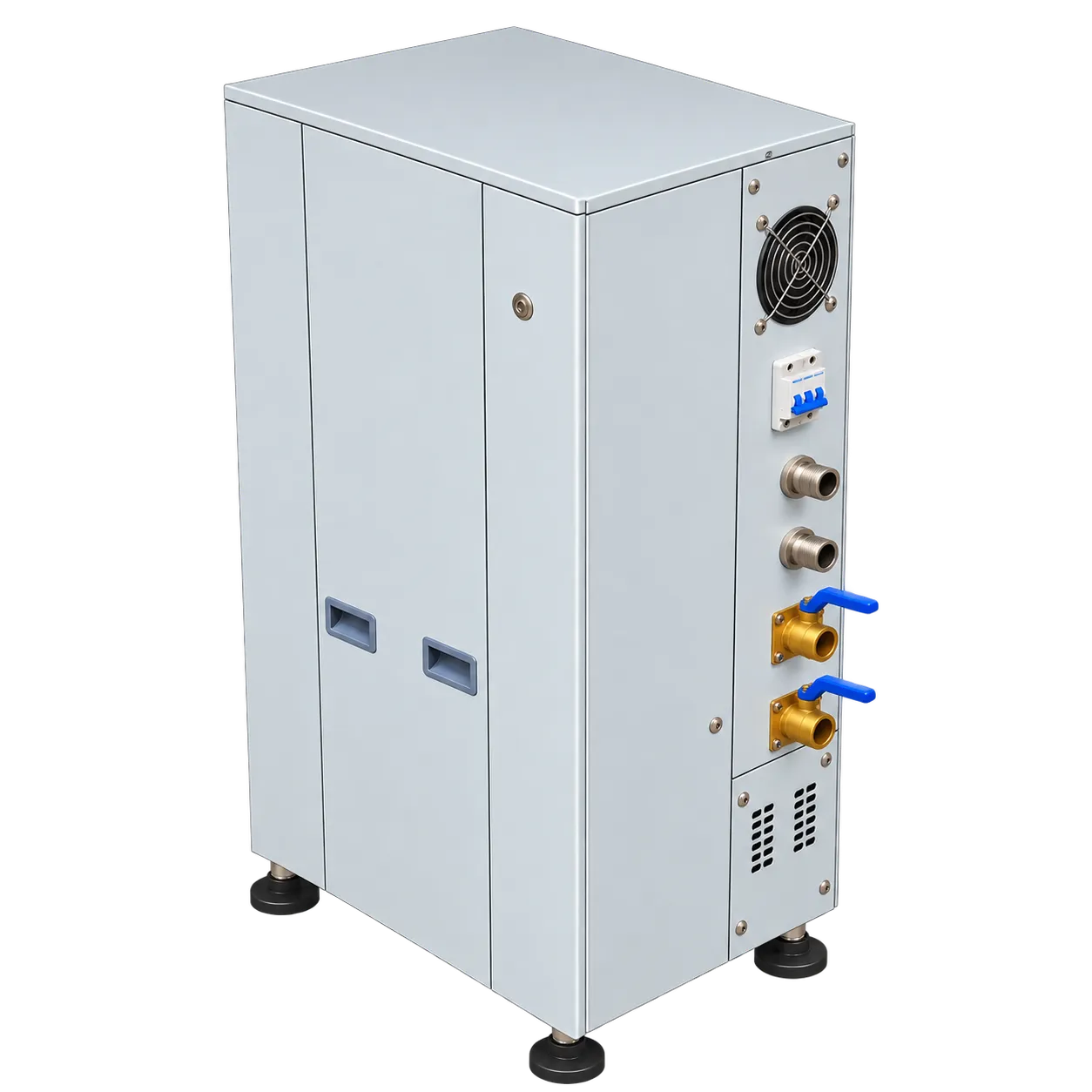
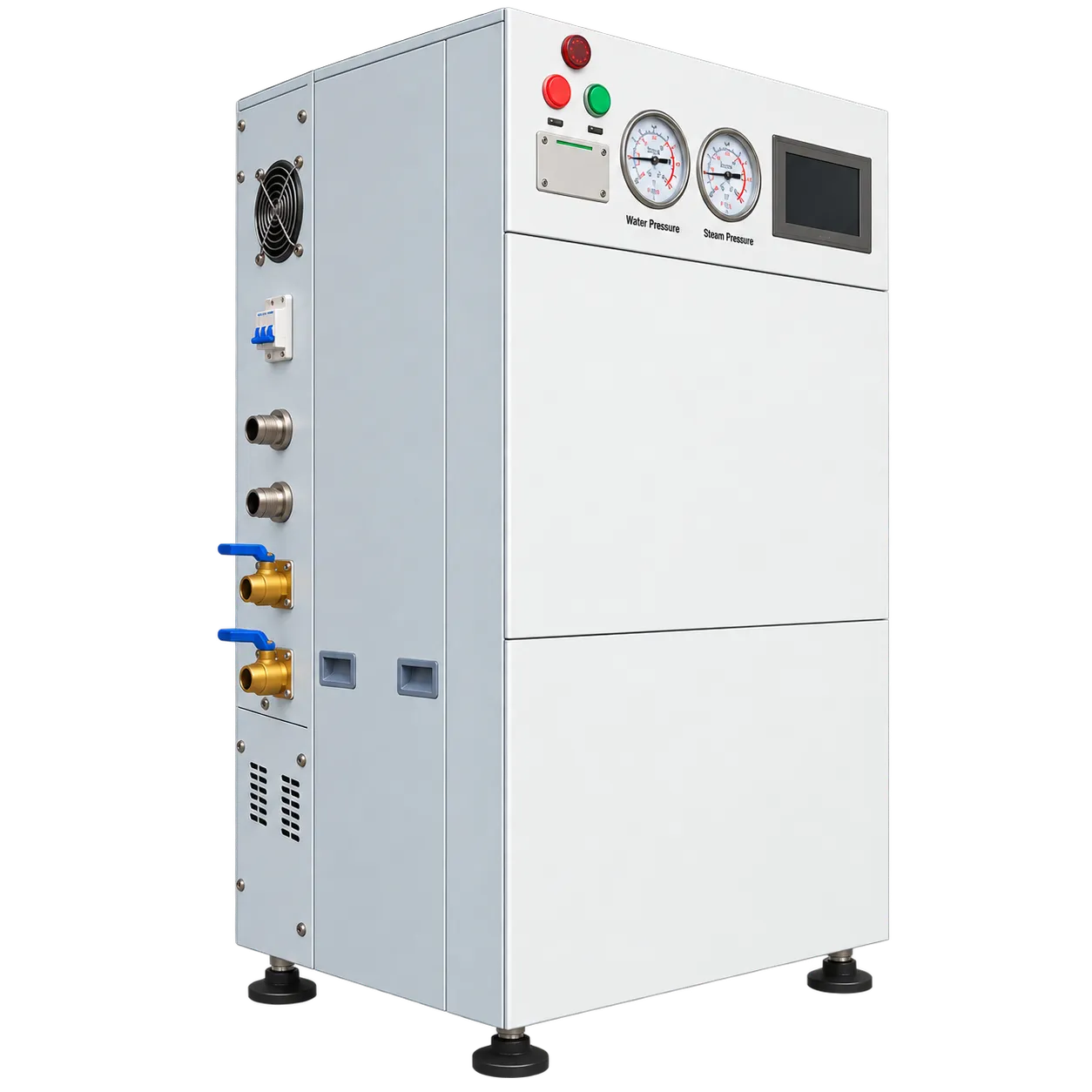
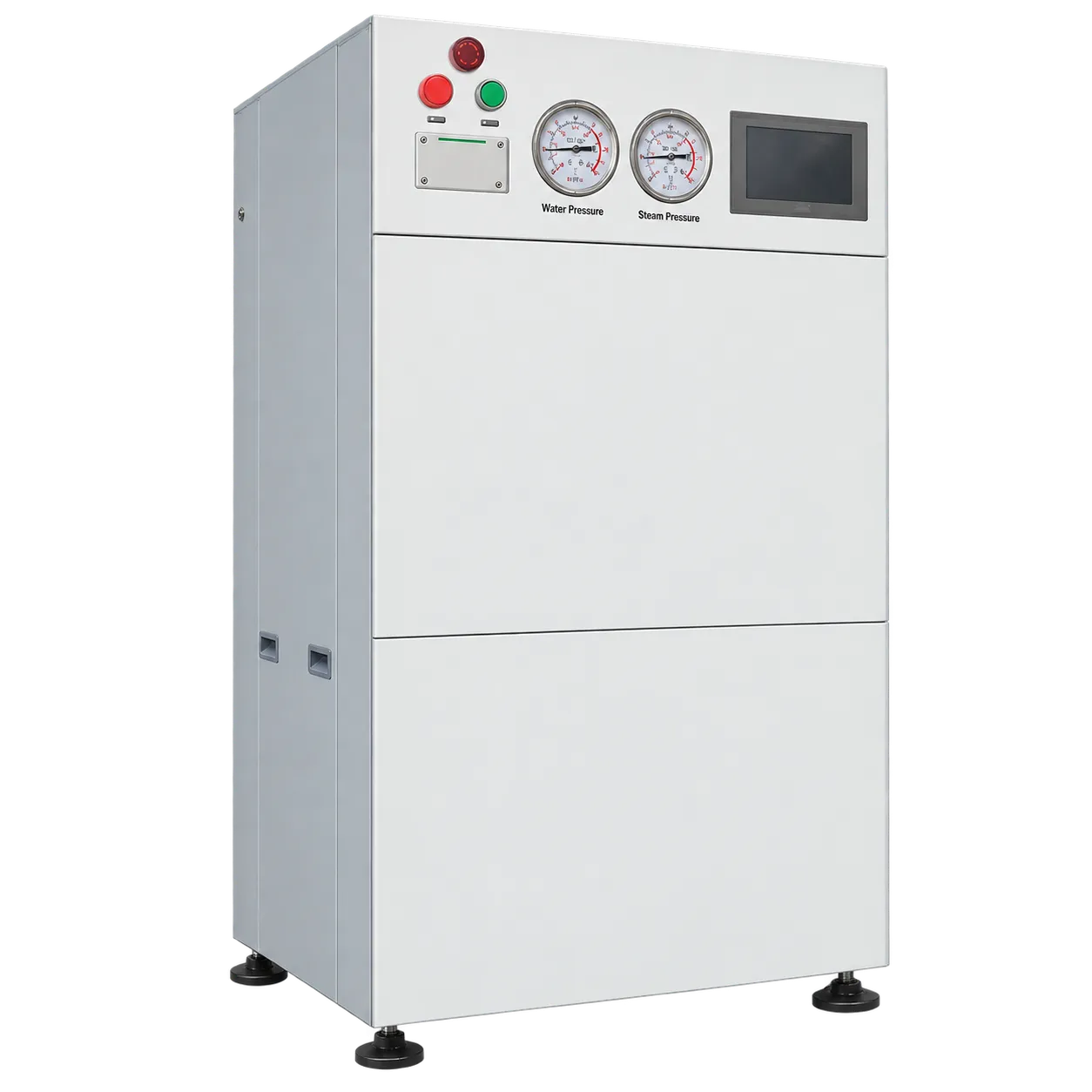
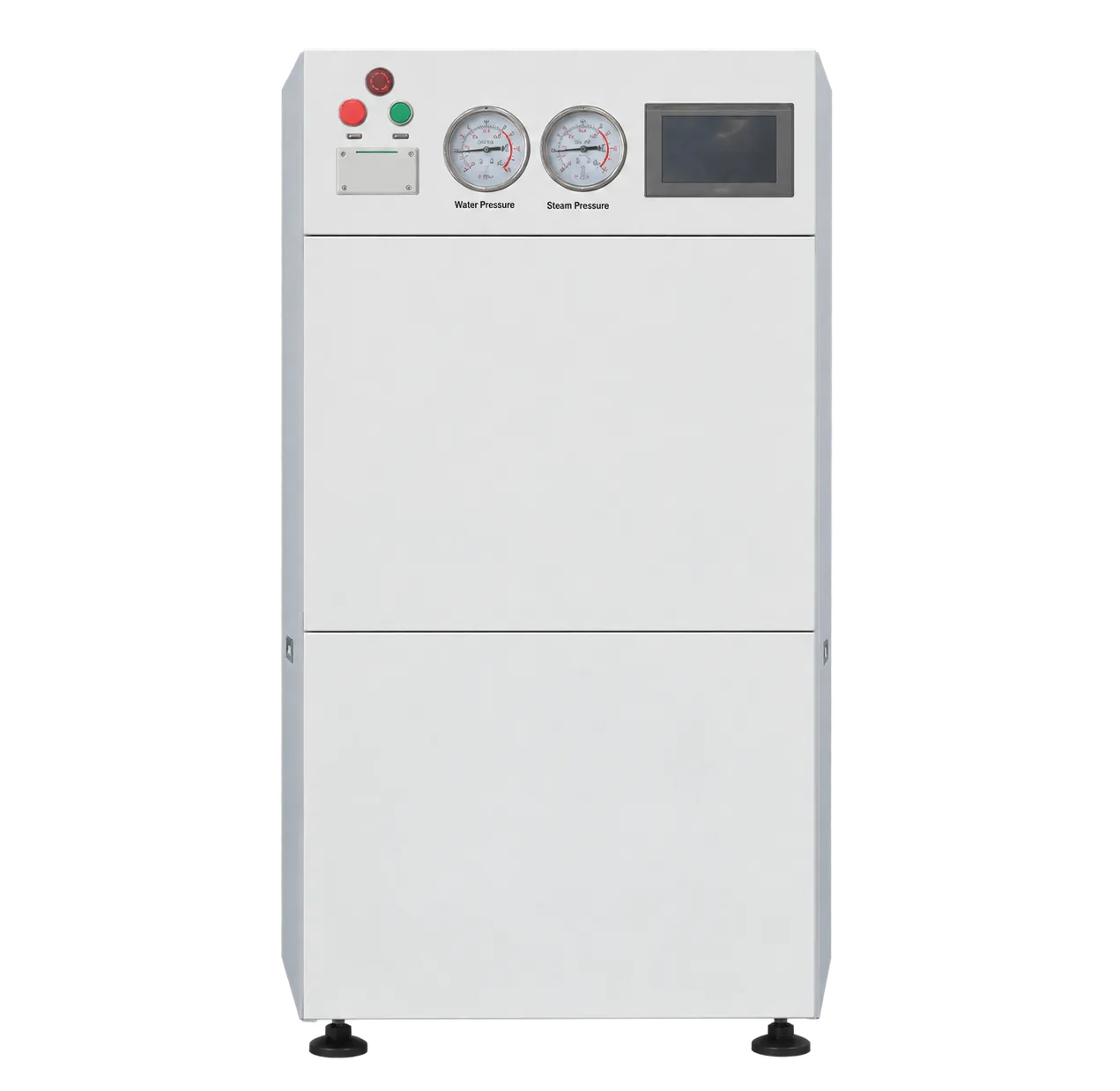
Small hospital decontamination units, dental hospitals, community decontamination rooms with separate wash and clean sides, day surgery units, and independent hospitals without plant steam are where the WY-150SM fits. Wrapped instrument sets, dressings and other porous items, and hollow or lumened instruments suit its vacuum cycles, while its pass-through layout keeps finished loads on the clean side.
The obligations that come with it deserve as much planning as the machine. A pressure system with its own steam generator sits under a written scheme of examination, a pass-through opening becomes part of the building's fire strategy, and decontamination guidance sets daily and periodic tests whose results must be kept. Inspectors look at all of it.
Recent history shows how much weight those records carry. In 2018, inspectors suspended Glasgow's Cowlairs decontamination unit, which supplied all of the city's hospitals, and more than 1,000 operations were cancelled. The health board said the issues concerned the building fabric, record-keeping and training, not the sterilising processes themselves, and reports said important safety checks had been missed.
For a department choosing the WY-150SM, that is the practical lesson. The steriliser removes a building steam supply from its responsibilities. Still, the scheme, the validation, the test results, the interlock checks, and the training records remain, and they need an owner from day one.
Health services that buy through formal tenders, including the NHS, ask for EN 285 evidence, validation plans, and record systems for sterilisers like this, and public buyers in other countries ask for much the same. The conformity documentation those procurement routes require is issued by the manufacturer and shared by the enquiry team.