
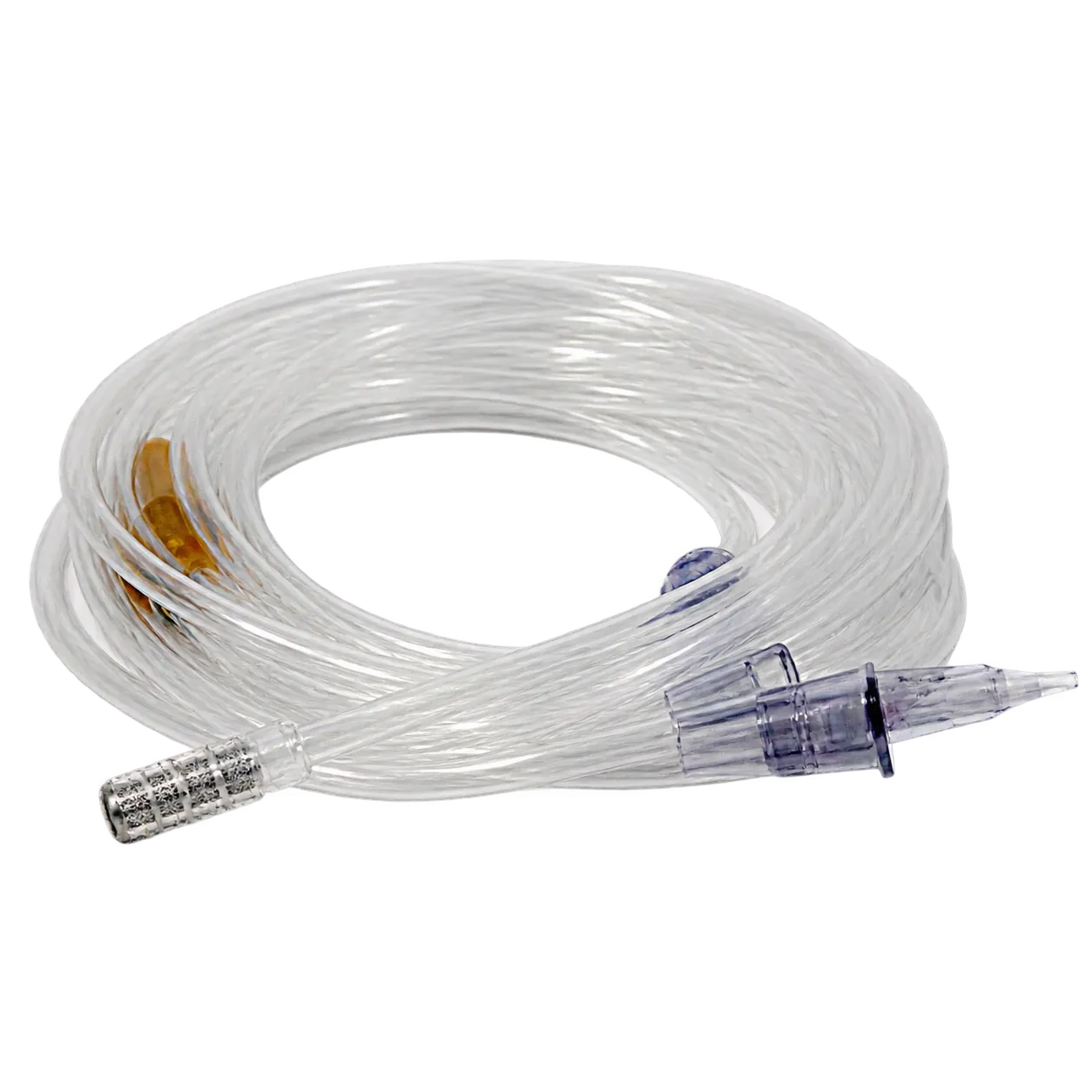
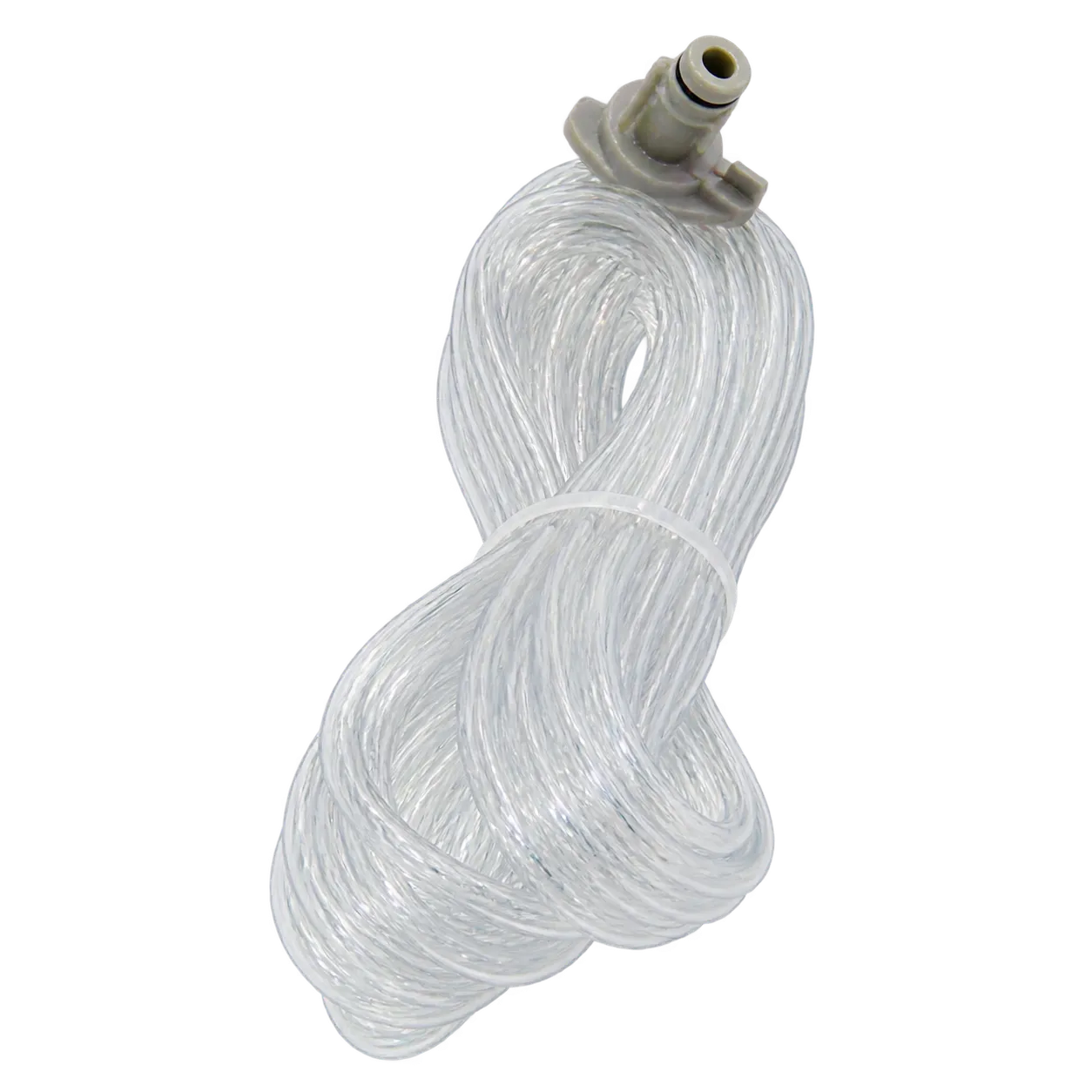
Blackstone names no procedure, so the fit of this surgical irrigation pump depends on how it will be used. For laparoscopic irrigation, the upper end of the range gives a firm jet for washing the field and loosening clots, and a flow of up to a litre a minute keeps fluid moving during a washout. The sheet lists no suction function, so the pump would work alongside a separate suction source.
Distension work is more demanding. In operative hysteroscopy, the BSGE/ESGE guideline asks for intrauterine pressure to be kept as low as a clear view allows and below the patient's mean arterial pressure, with 70 to 100 mmHg typically needed for visualisation. It also sets maximum fluid deficits of 1,000 mL for hypotonic and 2,500 mL for isotonic media in healthy women, and expects the deficit to be tracked during surgery. This pump can reach four times the upper end of that pressure band and describes no deficit measurement. For hysteroscopy, it would therefore need a firm upper pressure limit and a separate fluid management system.
Two routine points apply to any use. NICE expects irrigation fluid to come from a warming cabinet at 38 to 40°C, and the sheet mentions no heater. The tubing also needs priming to purge air before distension, since air in the line can reach the circulation through vessels opened during resection.
Medigear.uk has asked Blackstone for the intended applications, the pressure limit and alarms, and the tubing set, and passes the replies to theatre teams and clinical engineers.