
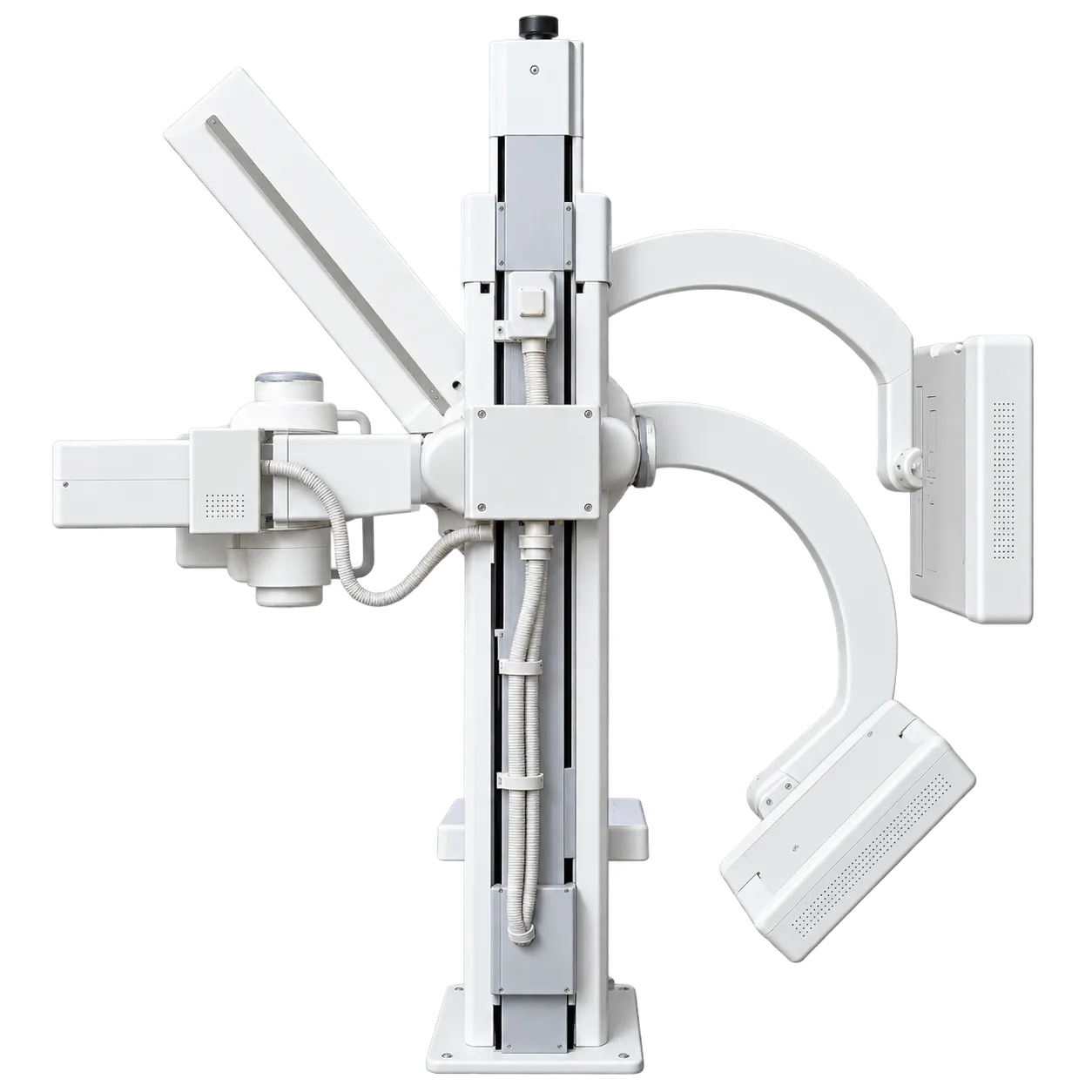
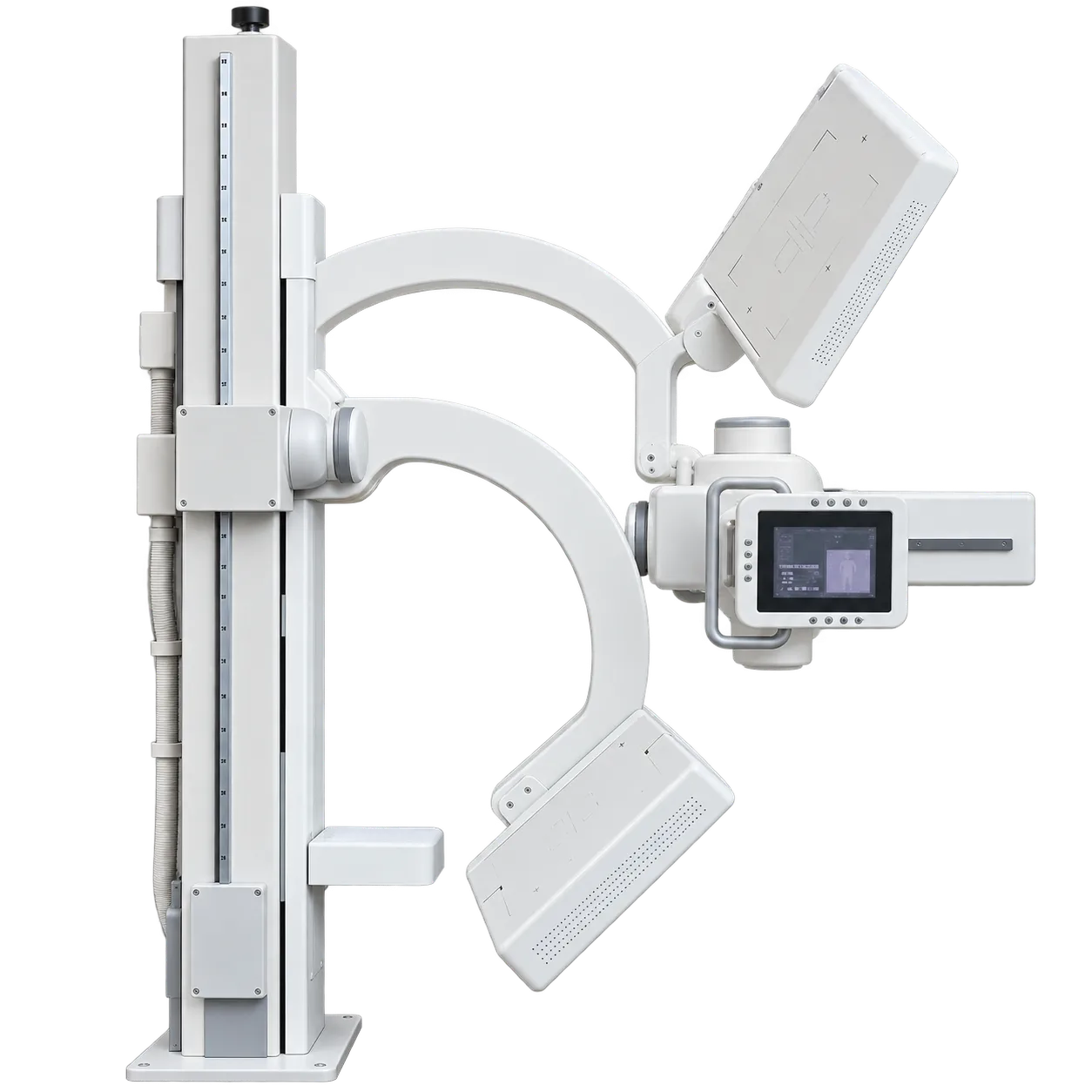
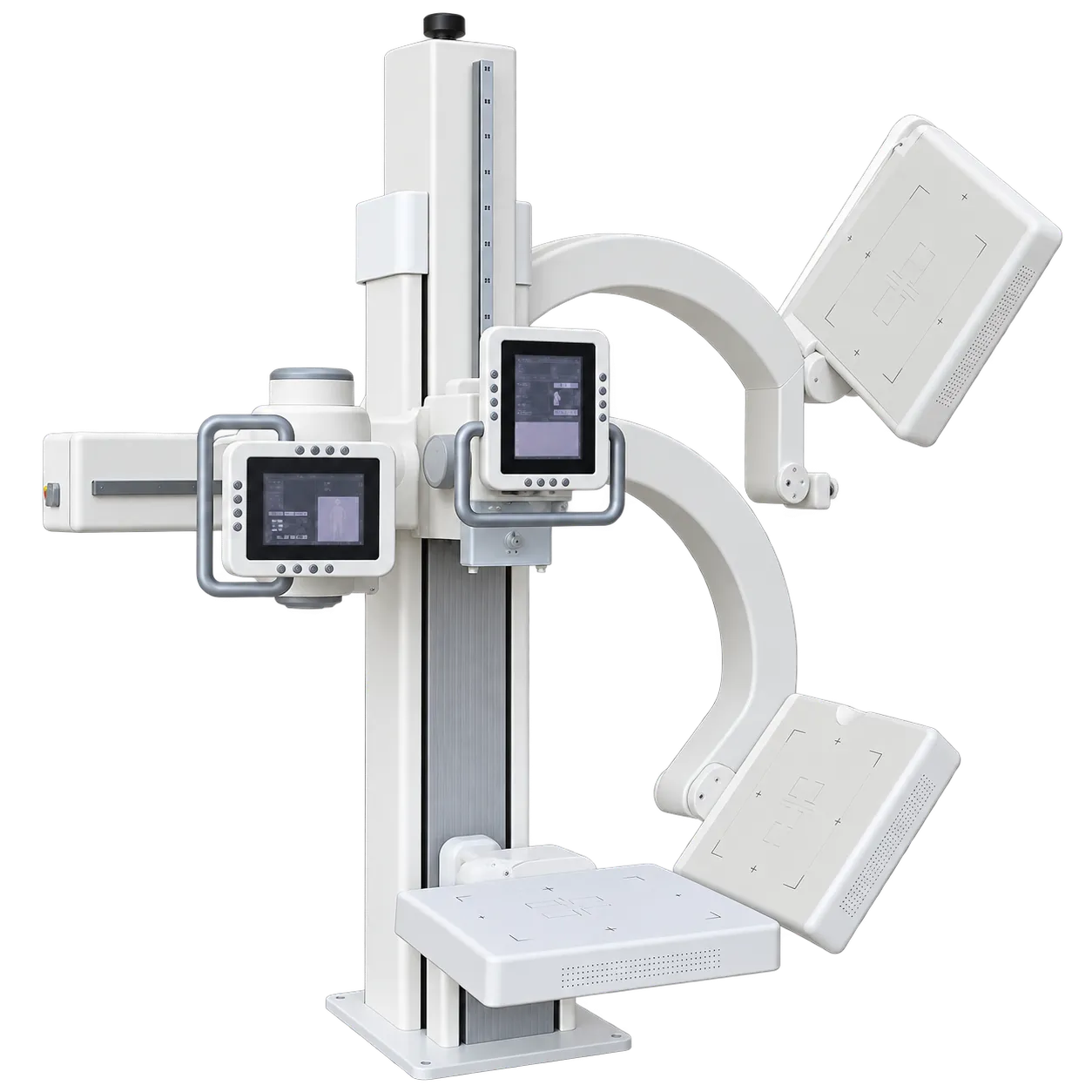
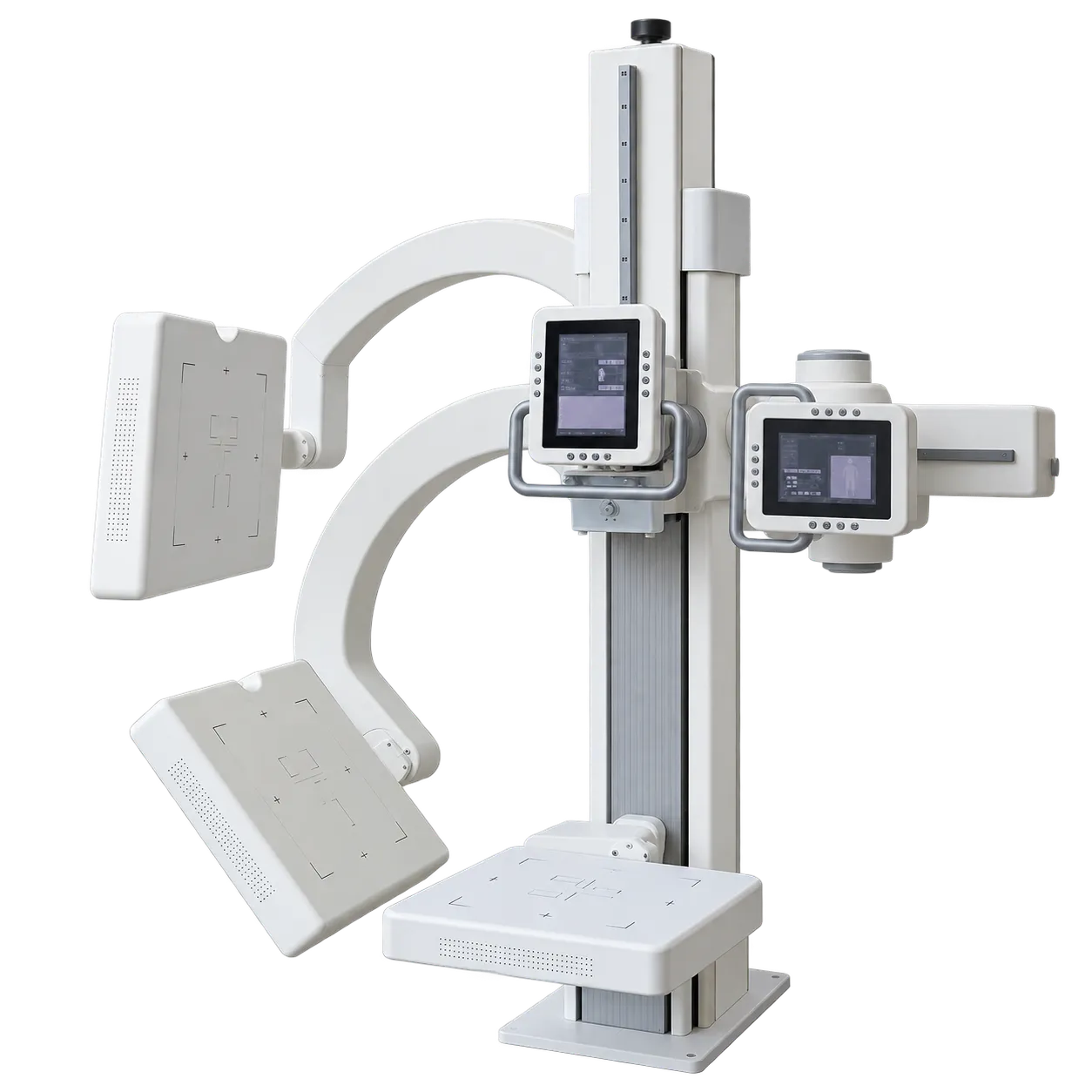
A kilowatt-class generator belongs in a department with a high volume. Trauma units, large outpatient services, and hospitals running long lists benefit from exposures measured in a few milliseconds, because each shortened exposure reduces the chance of motion blur and a repeat. At the low-kilovoltage settings used for extremities, the full 1000 mA is available, where the shortest times are found. Paediatric work benefits for the same reason. Throughput matters here as much as image quality, because one room may carry an entire emergency workload.
Higher kilovoltages tell a different story. For chest work near the top of the range, available current falls as voltage rises, and the tube's rating chart governs what can actually be set. In practice, a radiographer works from technique charts built around those limits, not from the headline figures. The rating chart and the loading limits of the two spots are therefore worth obtaining before any technique planning begins, and heat capacity belongs on the same list, since it governs the interval between exposures.
The same unknowns apply here as across the INU range. Nothing has been published about the detector, the equipment format, the supply, or the installation. A UK buyer cannot plan shielding, controlled areas or electrical work from a generator column alone, and the radiation protection adviser will want the full specification before commenting.
Medigear.uk continues to seek the complete page from Blackstone so that this model can be assessed against rival high-output systems on equal terms and with full documentation.