
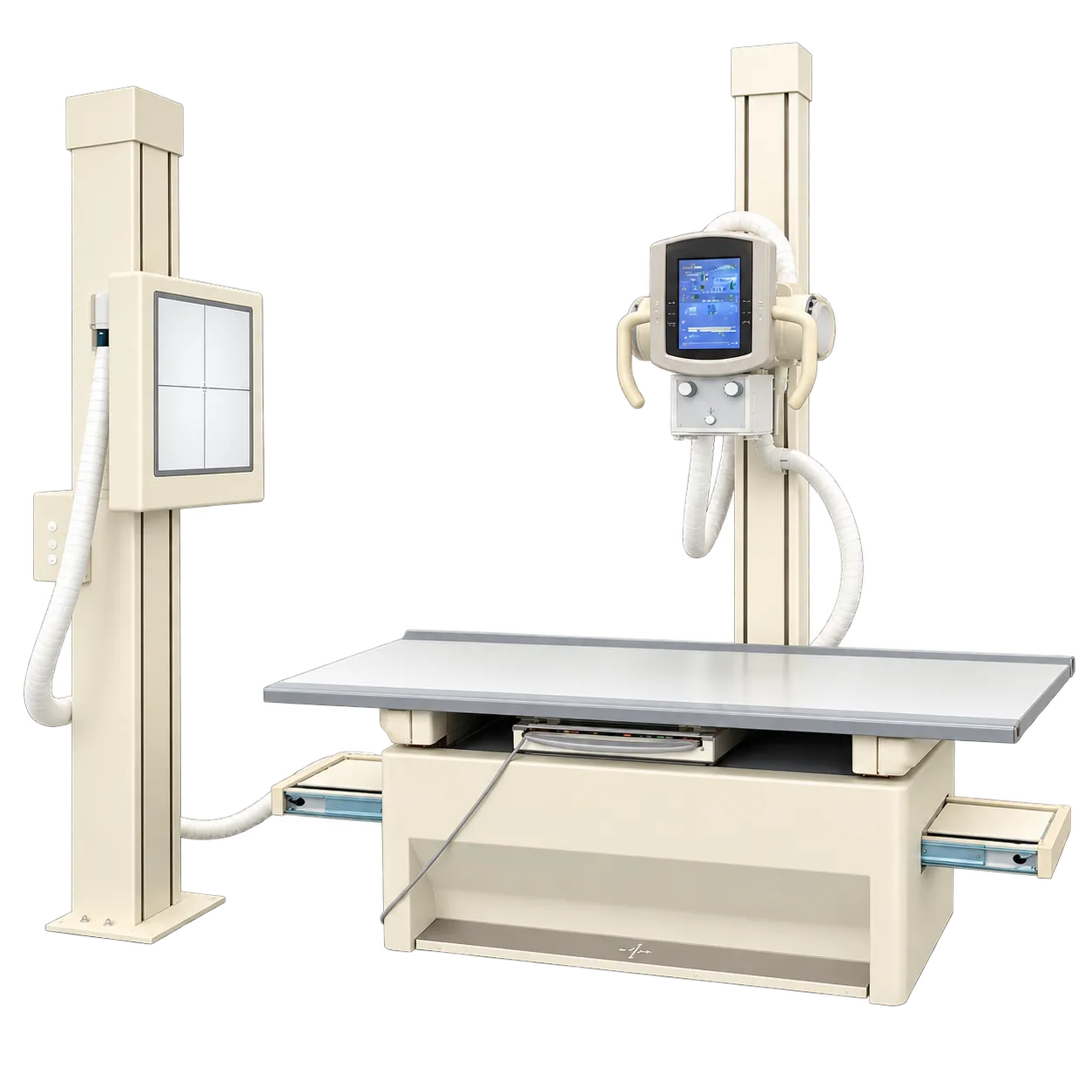
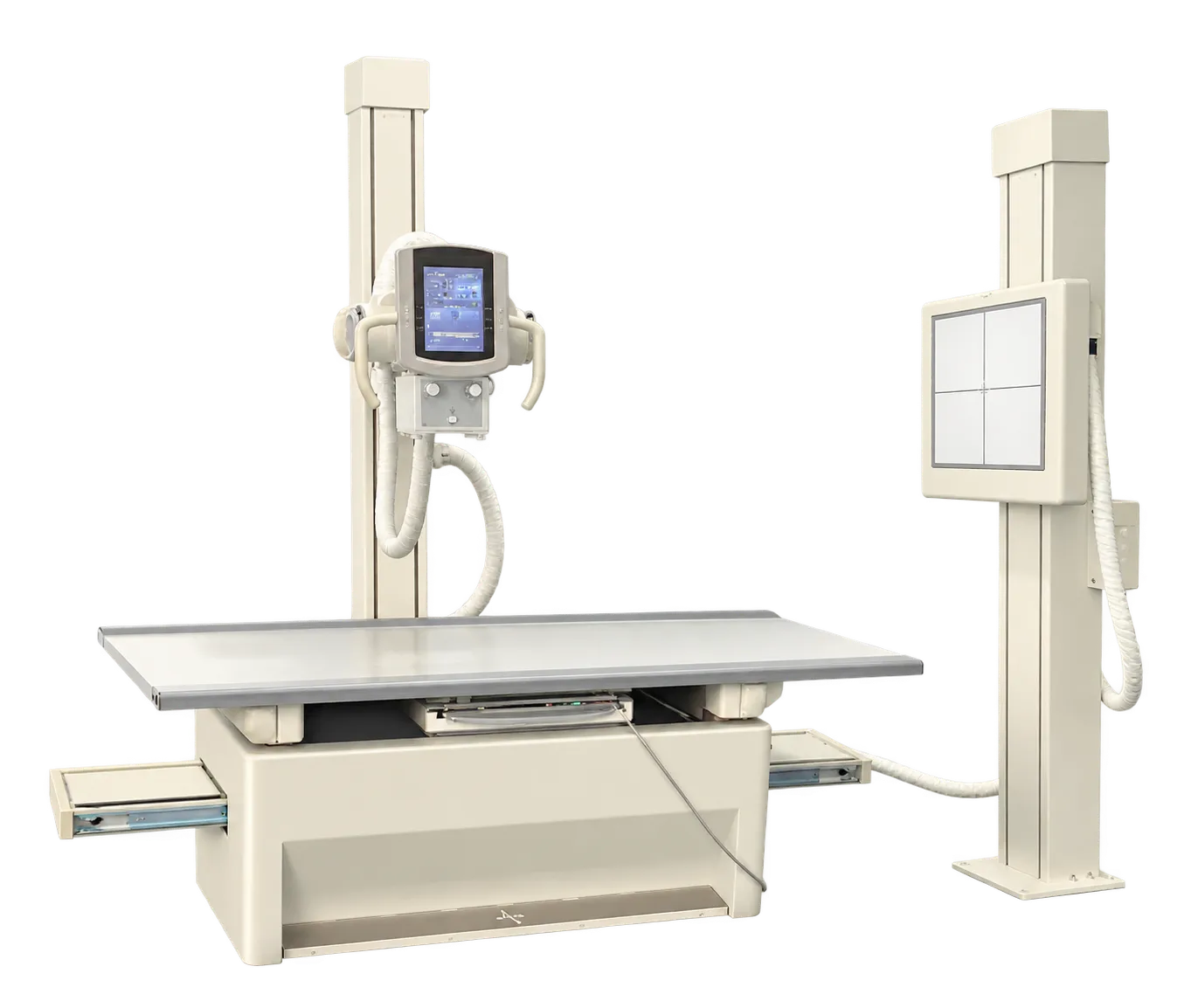
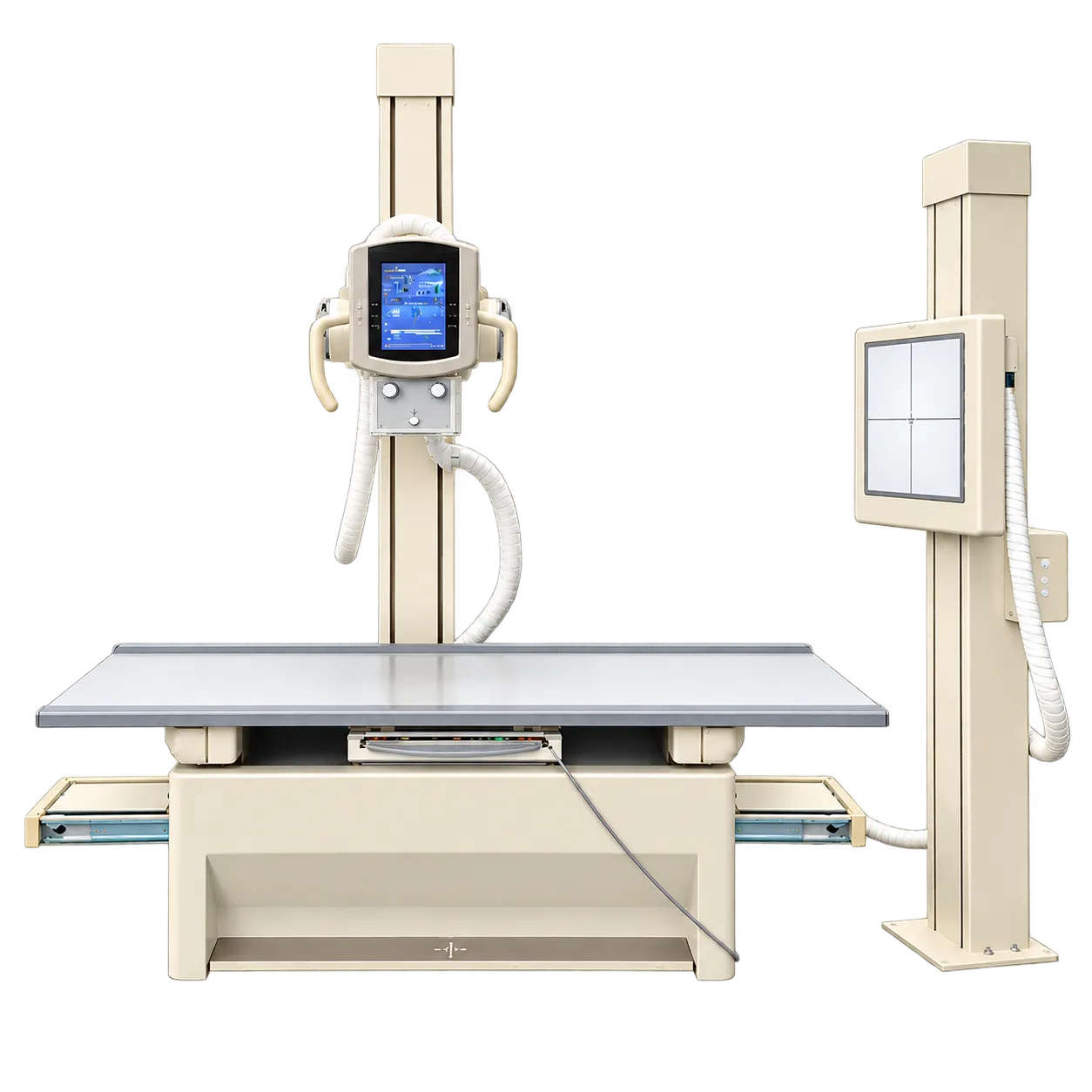
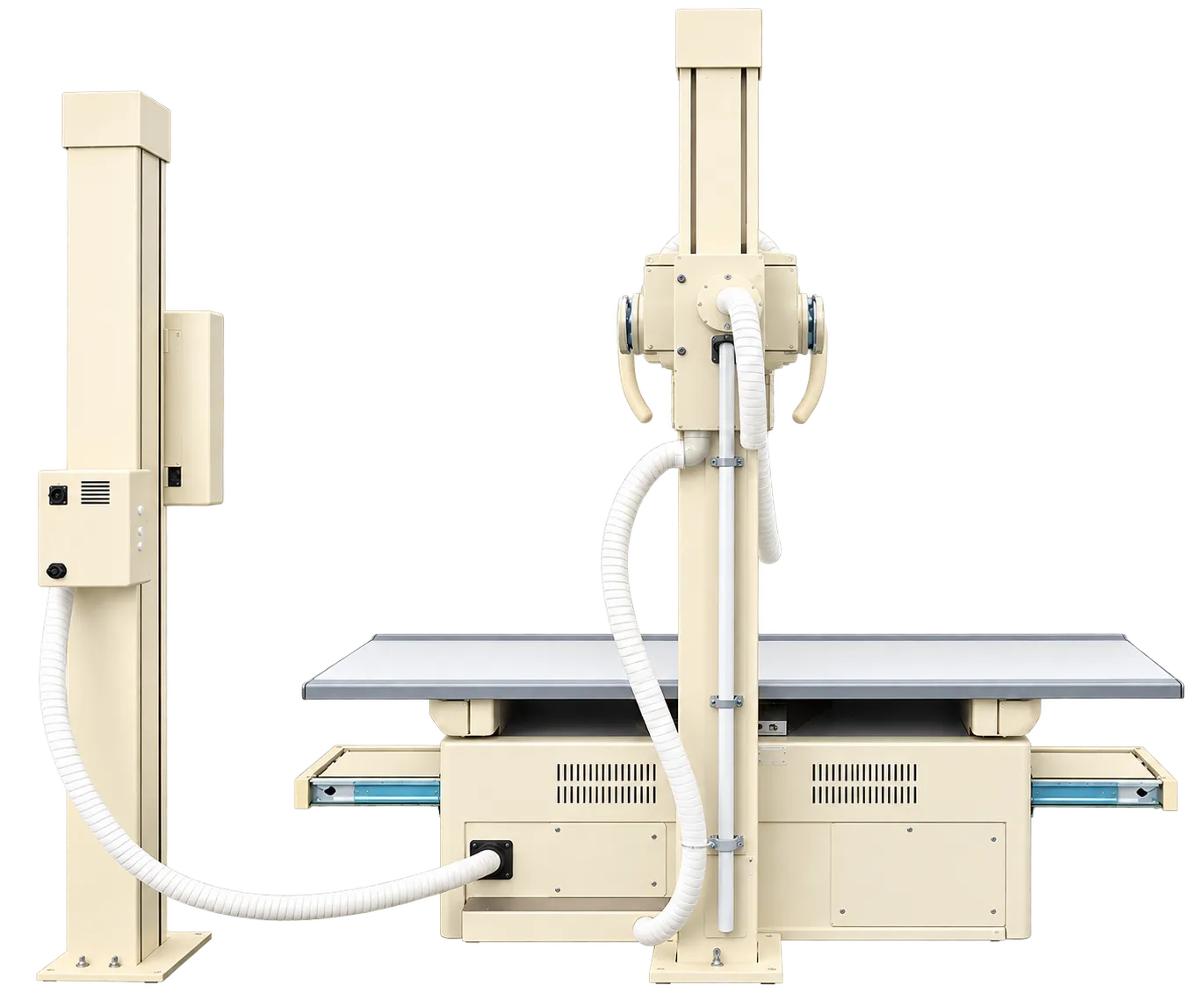
An 80 kW room is built for high patient volumes. Emergency departments, trauma centres, and large outpatient services can run long lists without pausing to cool the tube, provided its heat capacity matches the generator. With up to 1000 mA, exposure times can be kept to a few milliseconds even for large patients and dense anatomy. That greatly reduces blur from breathing and movement. It also reduces repeat films, saving both time and radiation dose.
The extra power also helps with children, who often cannot hold still for long. For smaller clinics with modest workloads, an 80 kW room may offer more output than they will use. A lower-rated room in the same series could serve them just as well. Matching the generator to the expected workload and patient mix avoids installing idle capacity. It also keeps the electrical and structural work in proportion to the planned service. Service contracts and spare parts for a high-power tube also deserve early attention.
Installation is a bigger undertaking than for lower-power rooms. The estates team must confirm that the building's supply can meet the generator's peak demand within its impedance limit. Floor loading for the column and table also needs checking. Shielding design, warning systems and a critical examination then follow the usual UK process with a radiation protection adviser.
Medigear.uk obtains the electrical, structural and component data from Blackstone so that the project can be scoped properly from the outset and delivered without unwelcome surprises on site.