
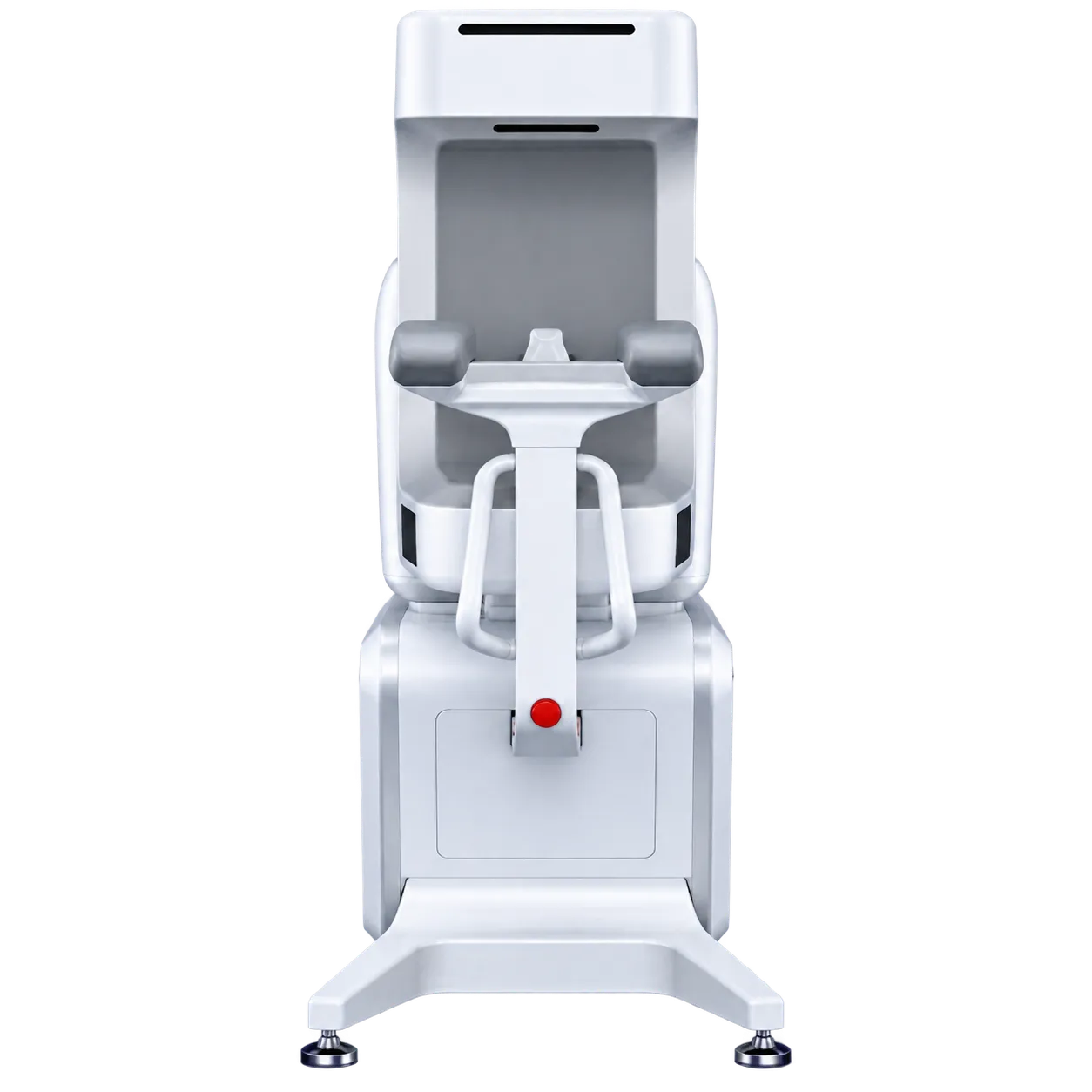
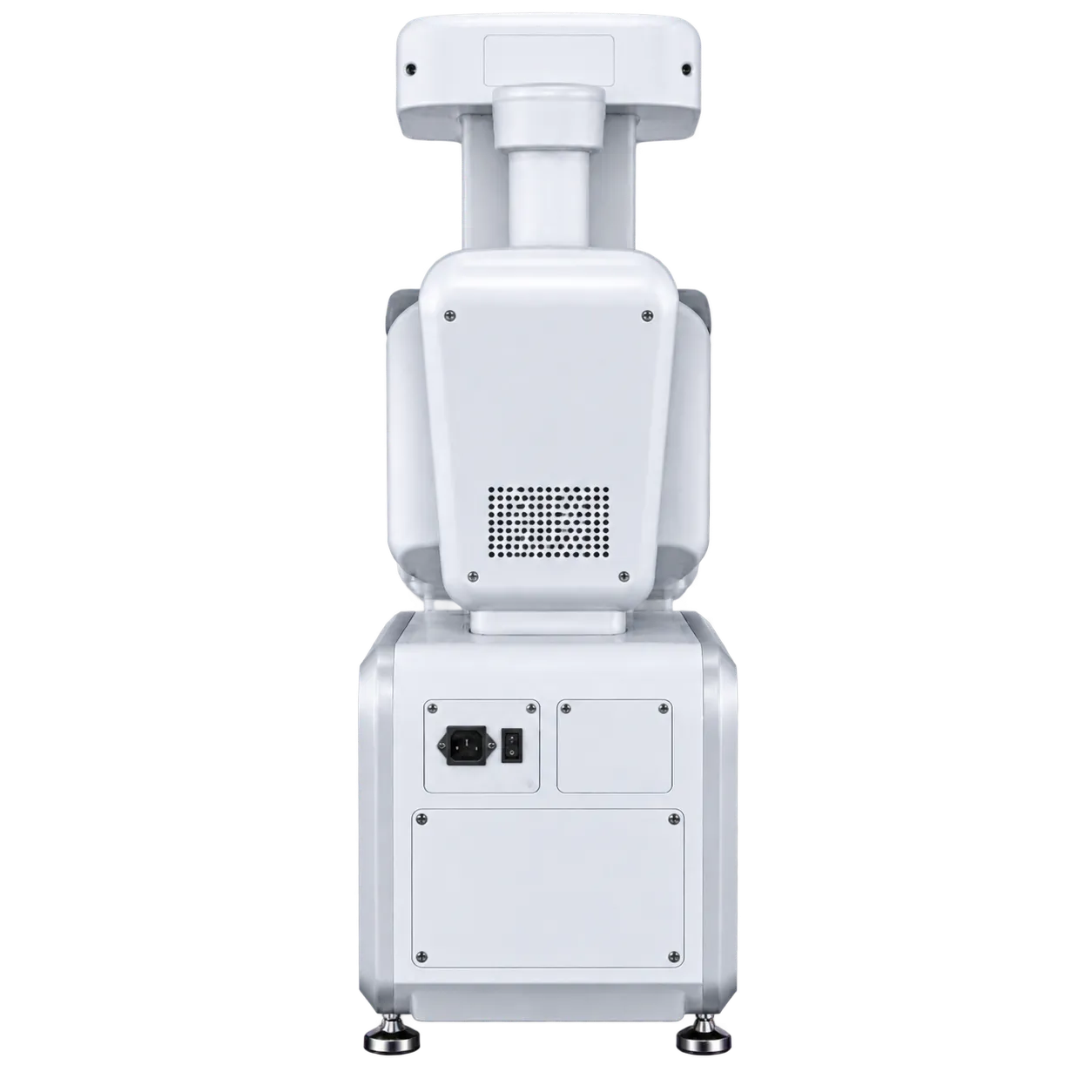
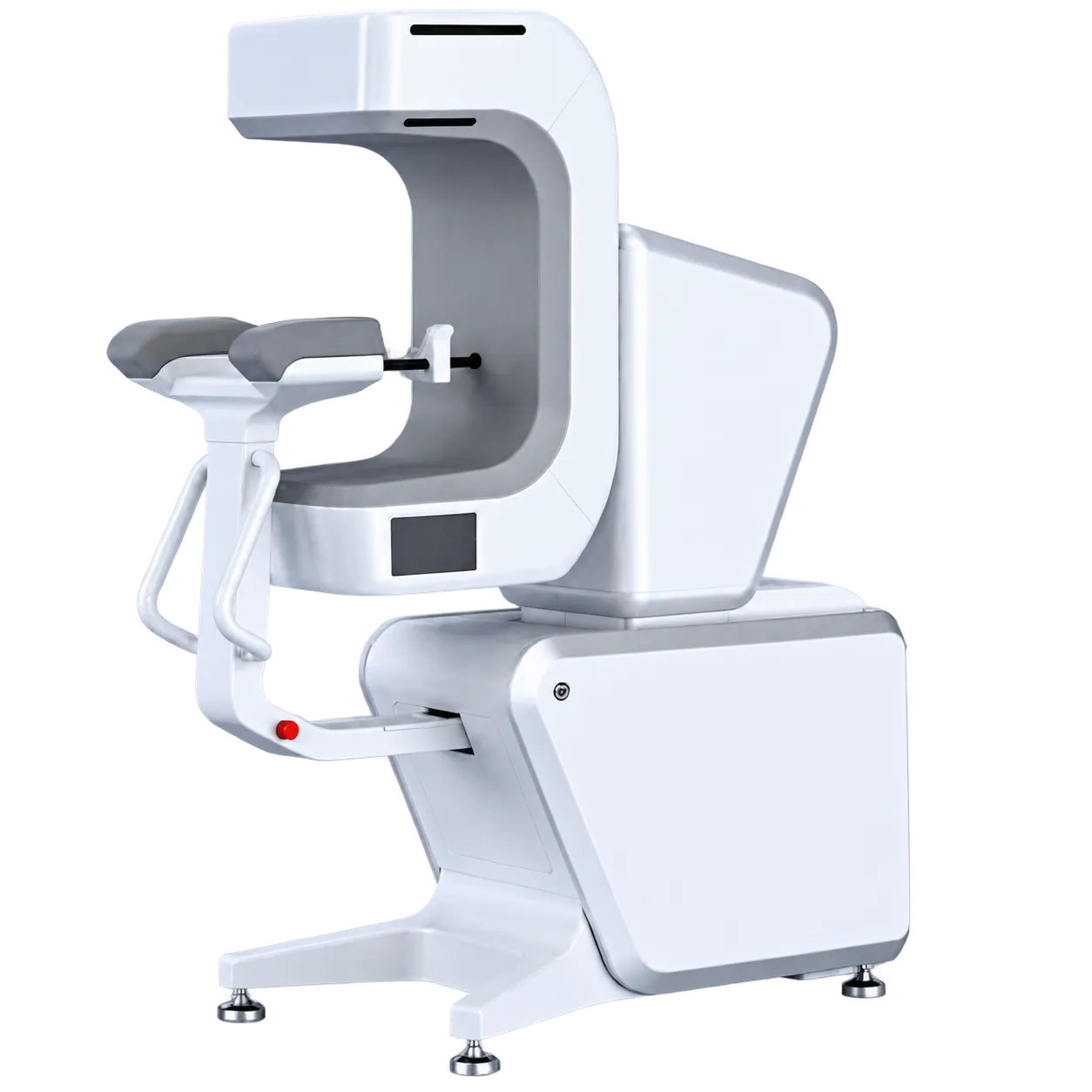
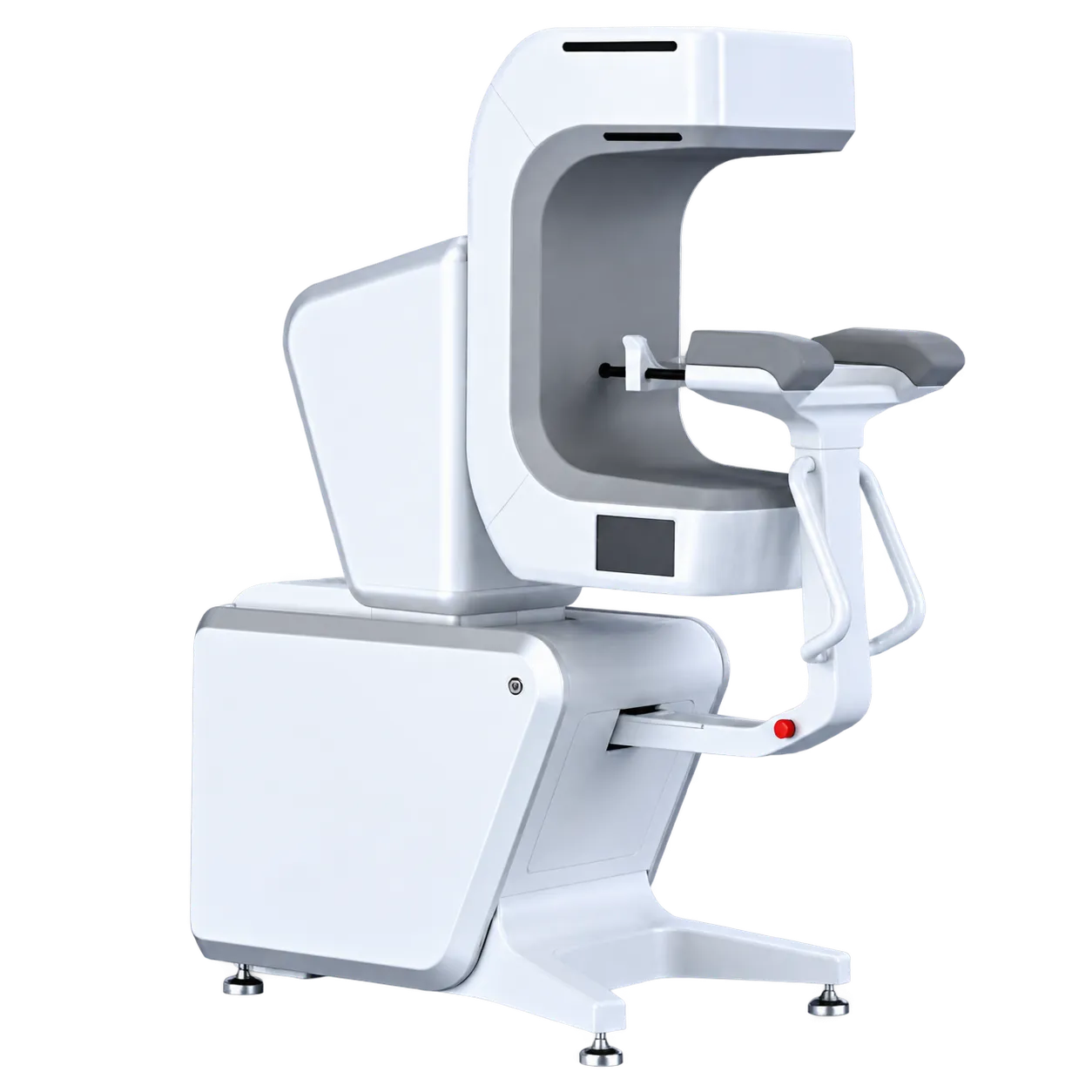
The appeal of deriving every view from one acquisition is obvious. A patient is positioned once, the machine turns once, and the practice ends up with its volume along with the flat views taken from it. Time is saved, repositioning errors disappear, and a child or an anxious patient spends less time inside the machine than they otherwise would have done during several separate exposures.
A caution belongs beside it, though. A panoramic image rebuilt from a cone beam volume is not the same thing as a conventional panoramic radiograph, and a derived profile view is not a cephalogram in the traditional sense, since the geometry and magnification differ from the projections that orthodontic measurement was built around. Whether those images substitute for conventional ones in a given clinical decision is a question for the practitioner rather than for the brochure.
The more important point concerns justification. UK dental guidance is clear that cone beam imaging is used when conventional radiography cannot answer the question, rather than as a default. A machine whose selling point is producing everything from one CT invites the opposite habit, in which a patient needing only a panoramic ends up receiving a volume instead. Used properly, a machine of this design saves exposures. Used carelessly, it multiplies dose.
The claim about lead rooms deserves the same care, since smaller room dimensions are not the same thing as less shielding, and an adviser still sets that. Medigear.uk is obtaining the technical data behind all of it.