
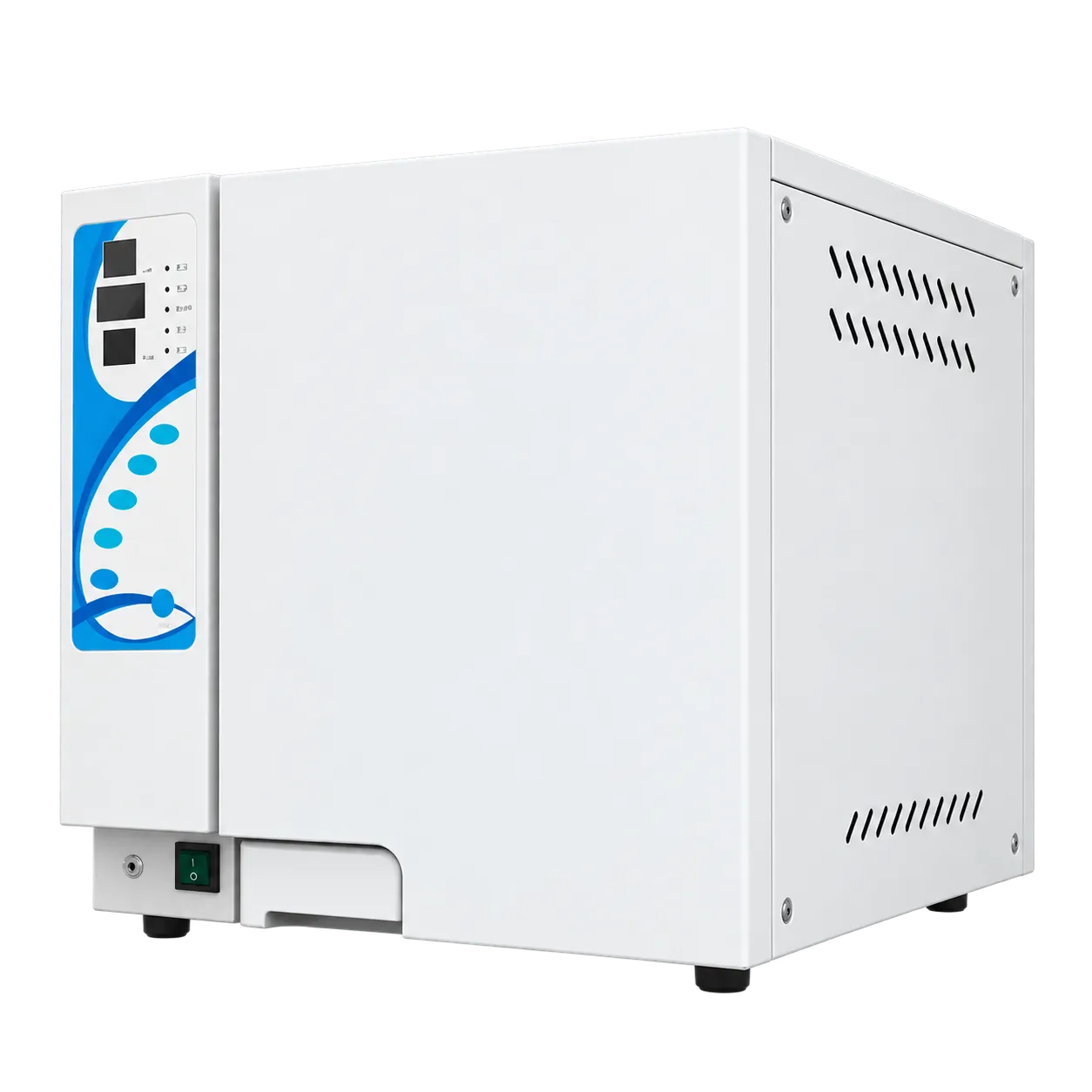
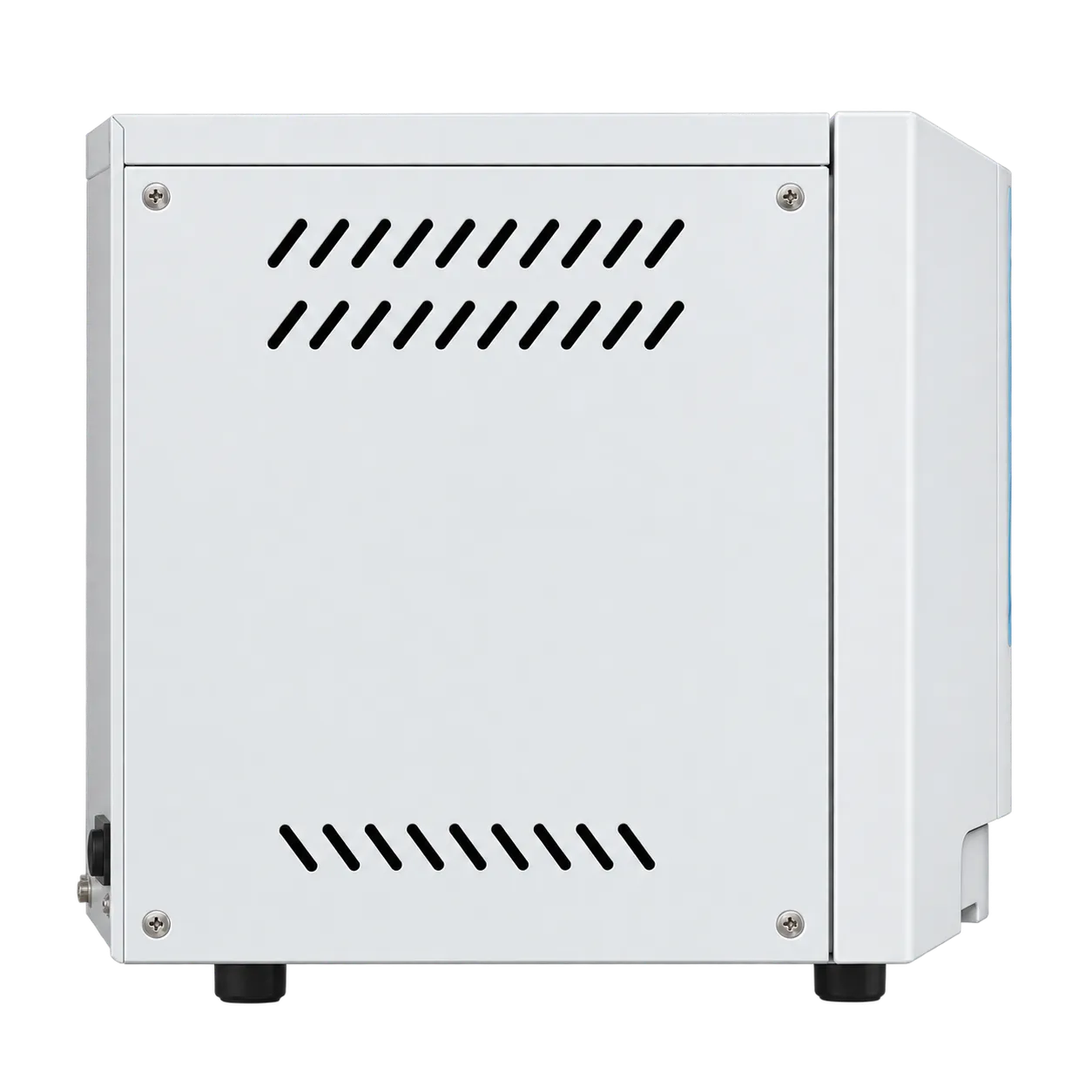
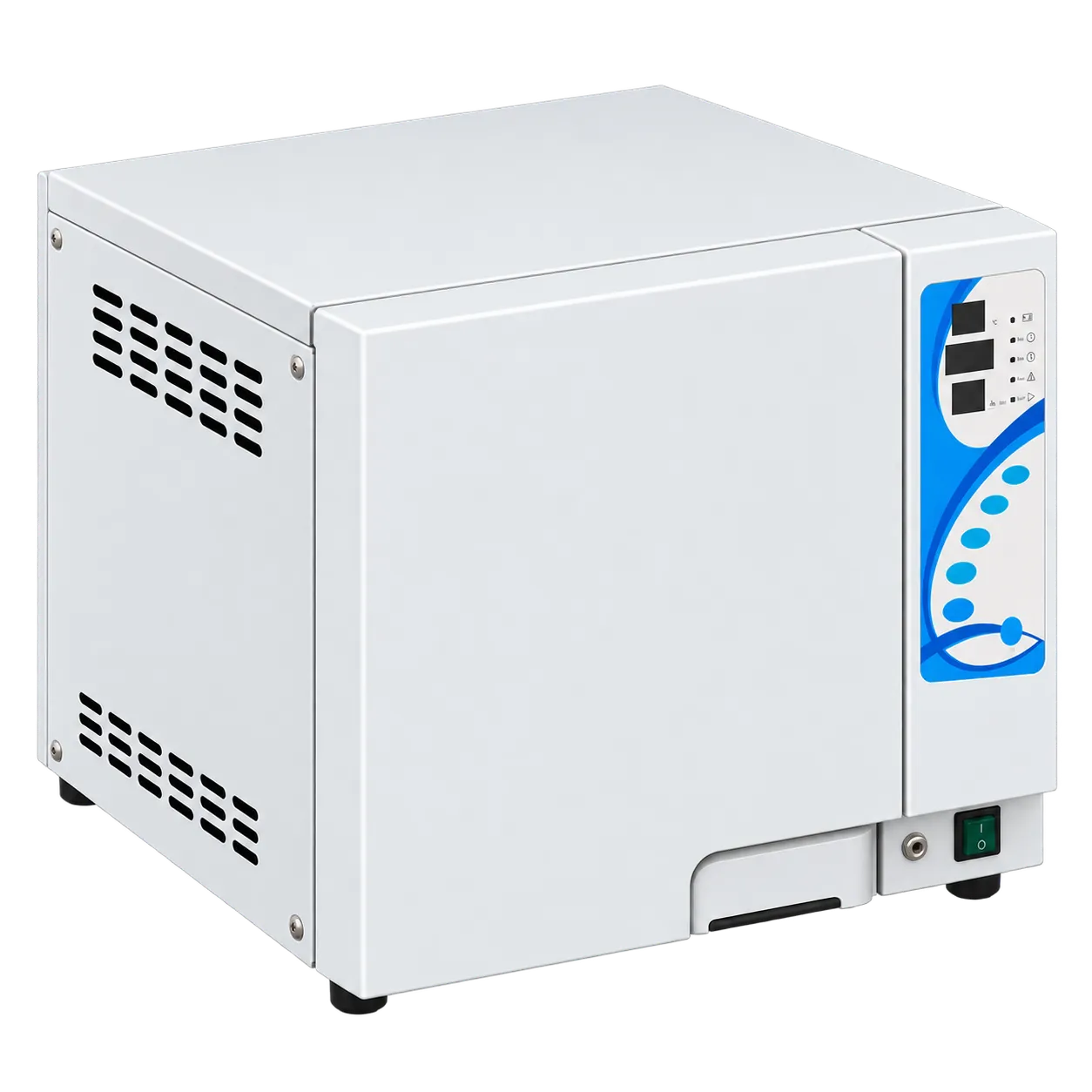
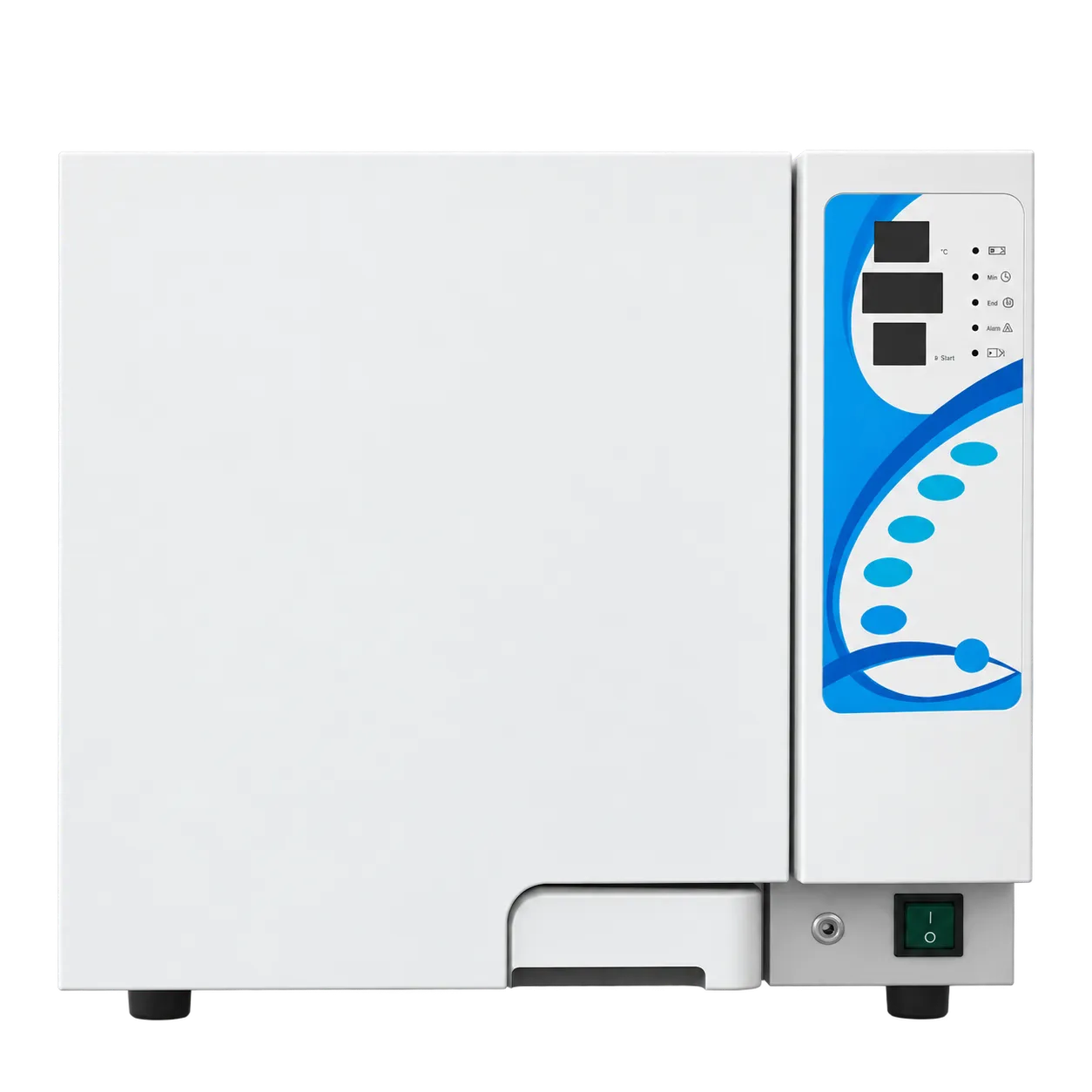
Long instruments are where the E523 earns its bench space. Gynaecology clinics reprocessing specula, minor surgery and emergency rooms with long forceps and needle holders, and veterinary practices with larger instrument sets all gain from trays that let each item lie flat. The manufacturer lists all of these settings, along with dental clinics, ophthalmology, cosmetic clinics and laboratories. Veterinary equipment sits outside UK MDR 2002, and the RCVS Practice Standards Scheme applies on veterinary premises.
Every setting applies the same test: the load must be solid, unwrapped and able to take steam. Dental hand instruments, solid piercing forceps and steel tattoo grips qualify. Handpieces, hollow tattoo tubes and anything pouched do not, because each needs a vacuum cycle. Laboratories are held to solid items, since the manual gives load limits for solid material alone.
The literature points to loading, not hardware, as the usual weak spot. Saskatchewan's quality assurance laboratory analysed 198,771 spore tests from 362 dental offices and put just 40 of 486 failures down to the equipment. The authors classed the other 446 as human error and cite overloading, unsuitable packaging and short exposure times as the errors earlier studies found most often. A 1998 survey of selected practices in the UK reported a 2.0% failure rate. Long trays do not remove that risk, but they allow loading up to 2.4 kg without stacking.
NHS procurement routes expect evidence that decontamination equipment conforms and can be validated, and public buyers in other countries generally ask for the same. The conformity documentation those procurement routes require is issued by the manufacturer and shared by the enquiry team.