
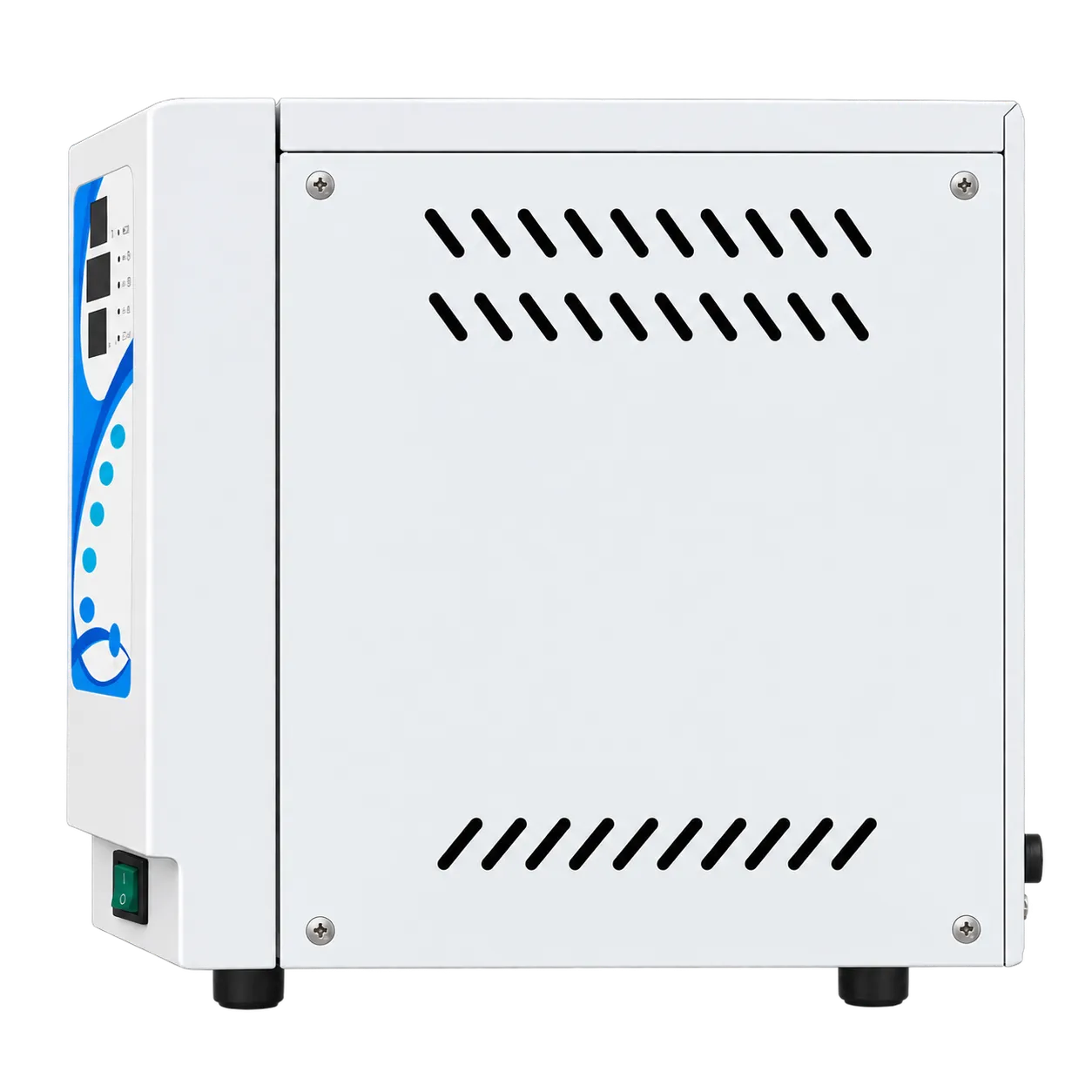
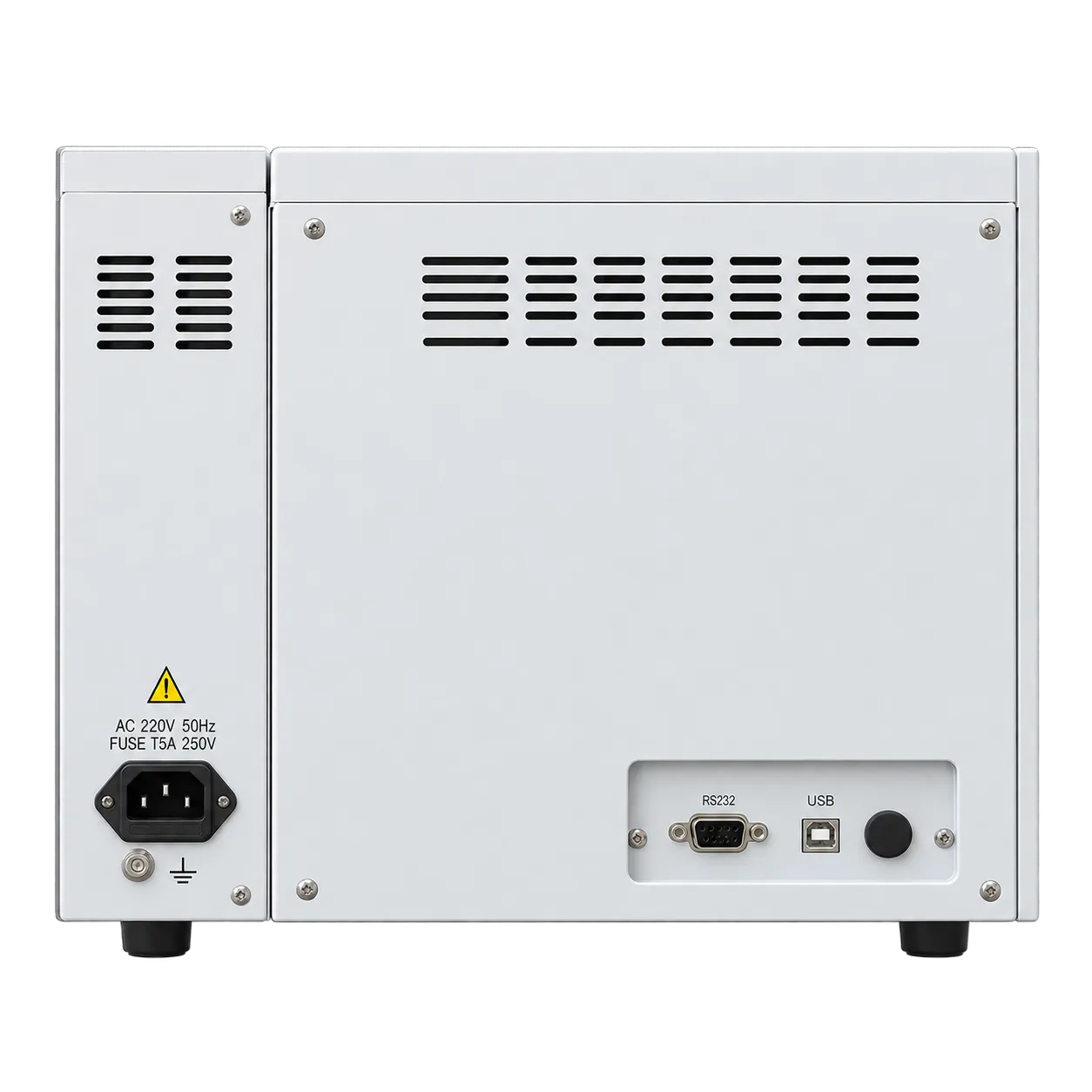
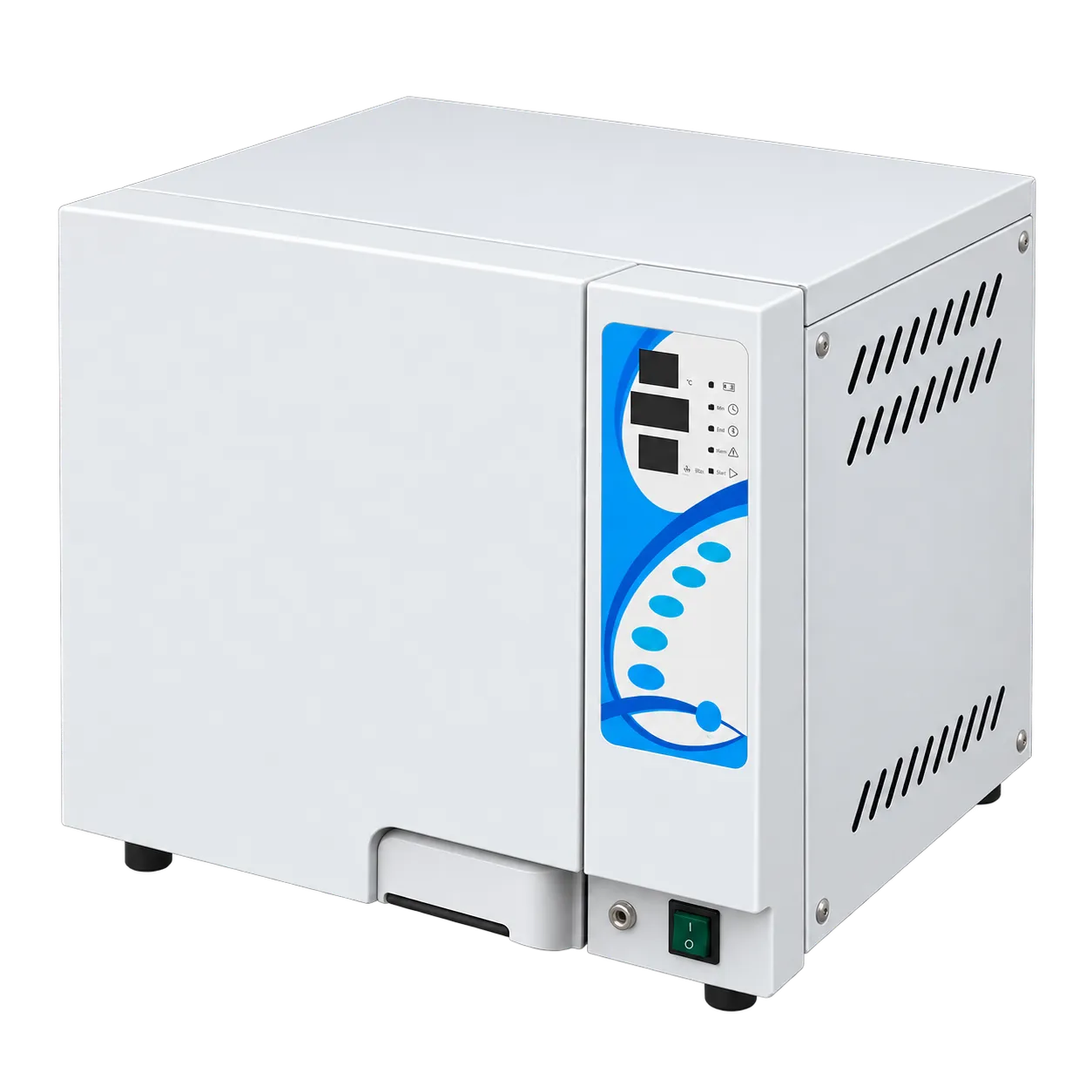
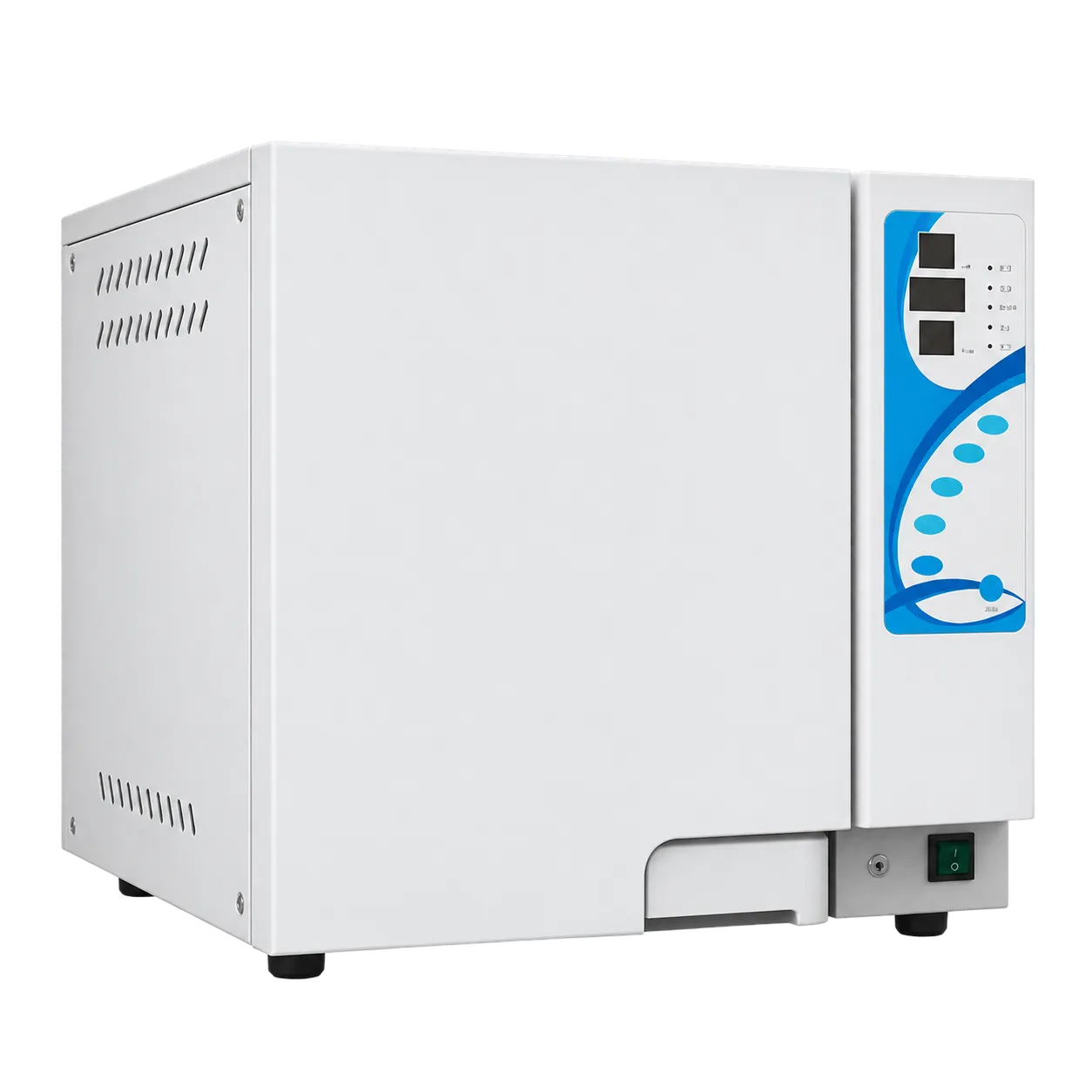
Dental practices head the manufacturer's list of settings. Mirrors, probes, tweezers, forceps, hand scalers, and other solid hand instruments fit the Class N scope, and the two drying stages make the wrapped-storage route in HTM 01-05 workable for sets not used the same day. Handpieces and other lumened instruments need a vacuum cycle, so a practice that reprocesses them in-house keeps a second steriliser for that work.
The manufacturer also lists surgical and emergency rooms, ophthalmology, gynaecology, cosmetic clinics, laboratories and veterinary practices. In each, the test is the same: the load must be solid, unwrapped and steam-tolerant. That suits stainless specula, scissors, needle holders, podiatry nippers and solid piercing forceps, and it excludes hollow tattoo tubes and anything processed in a pouch. Laboratory use is confined to solid loads, because the manual's load table covers solid material only. Equipment used on animals falls outside UK MDR 2002, and in veterinary practices the RCVS Practice Standards Scheme governs the setting.
Steam sterilisation has a strong record, but the record depends on the people running it. A retrospective study of 198,771 biological indicator tests from 362 dental offices in Saskatchewan, covering 2015 to 2022, found an overall failure rate of 0.20% and attributed 91.8% of failures to human error. A national survey of Scottish dental practices, published in 2007, found that 88% of benchtop sterilisers were Type N, yet only 51% had been tested on installation and 26% commissioned. Loading within the 2.4 kg limit, filling to the heater,r and validating at installation determined results like these.
NHS procurement routes require conformity and validation evidence for decontamination equipment, and equivalent public procurement elsewhere asks the same. The conformity documentation those procurement routes require is issued by the manufacturer and shared by the enquiry team.