
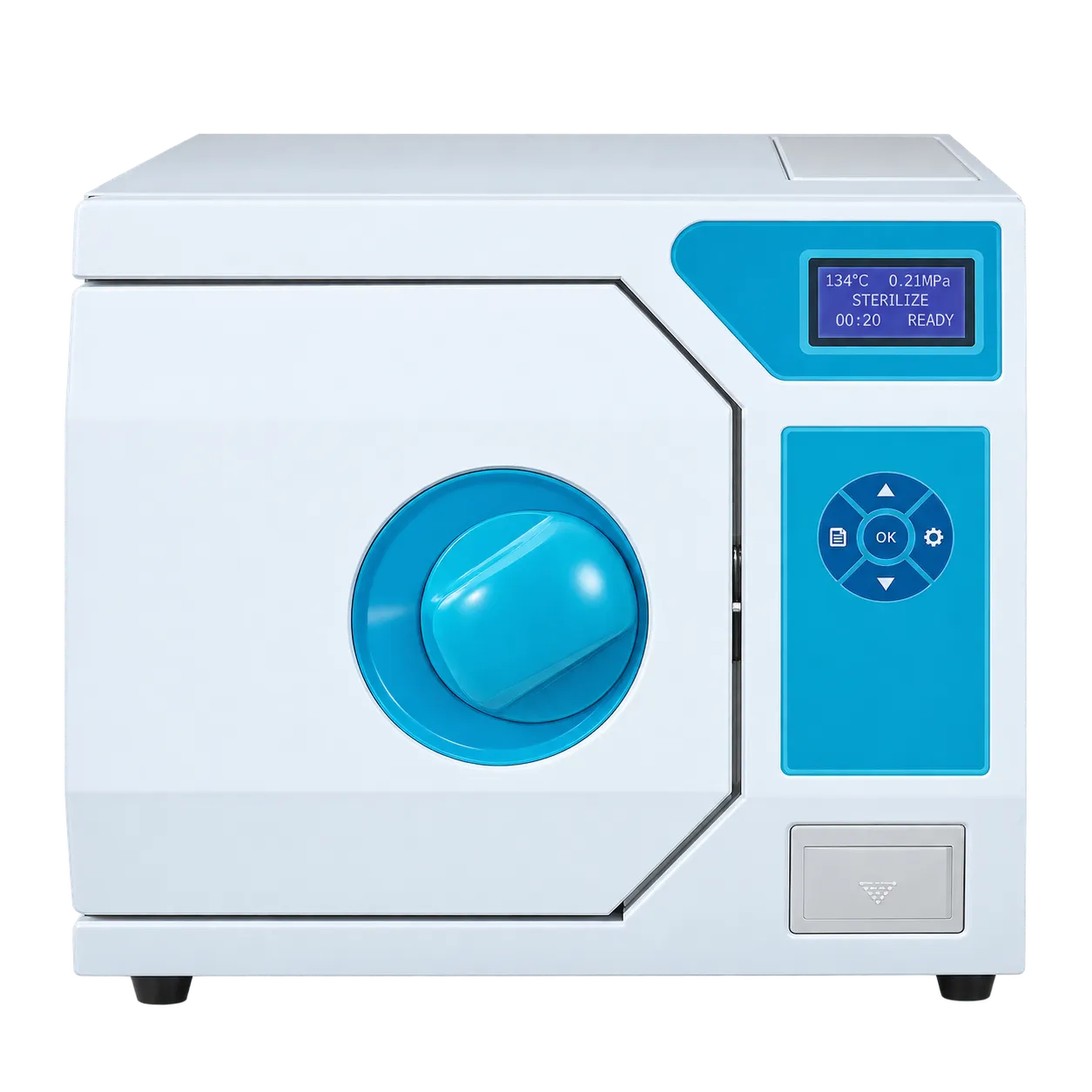
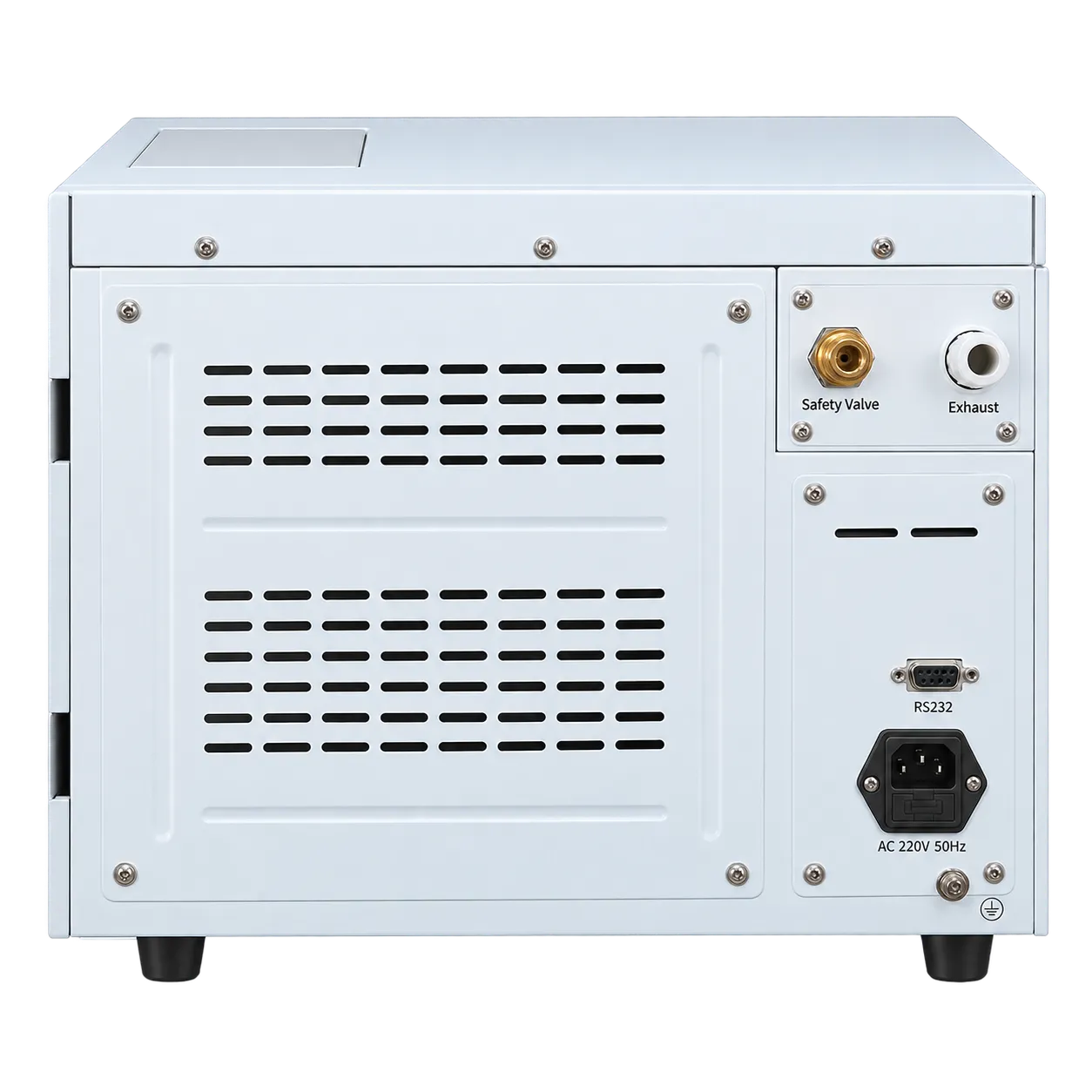
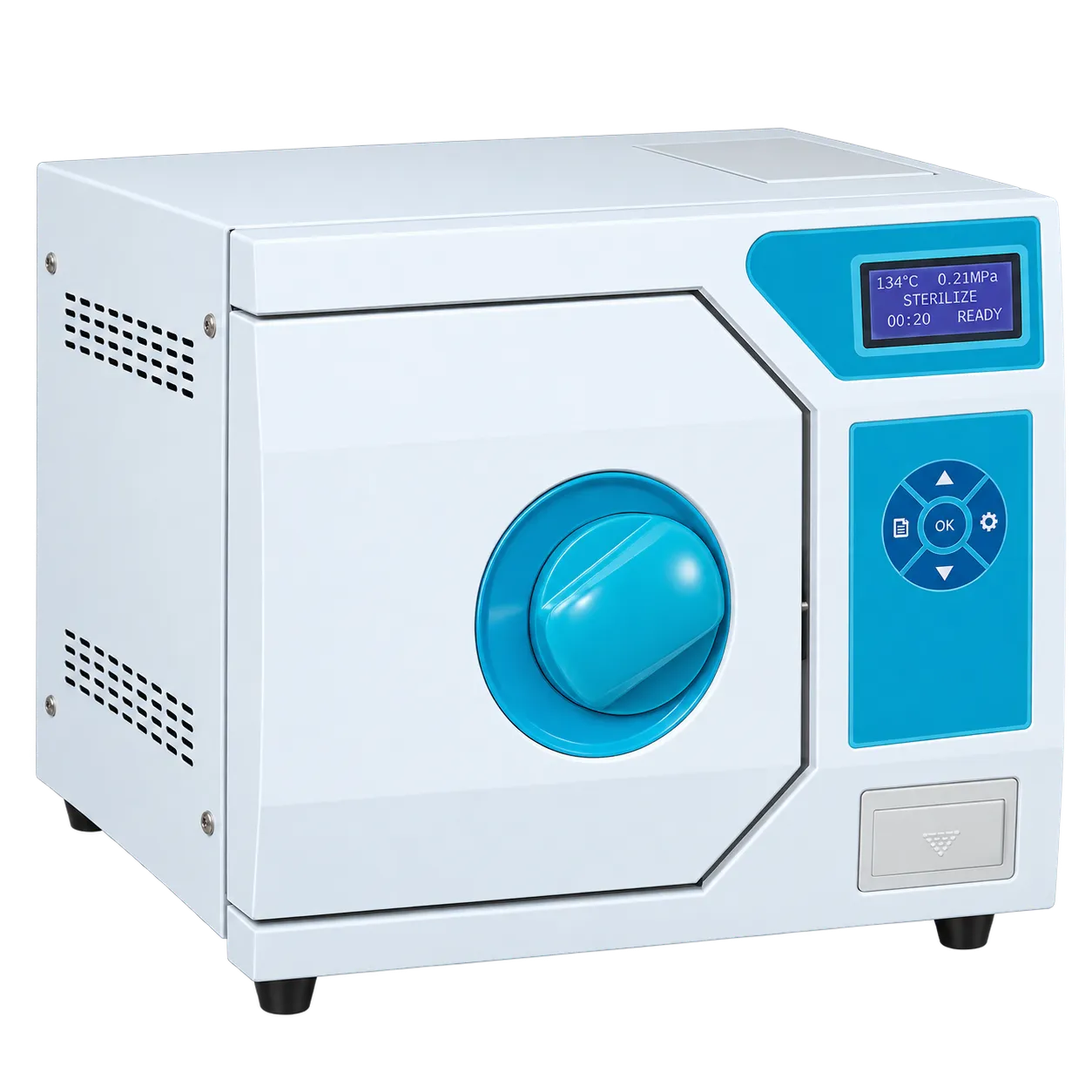
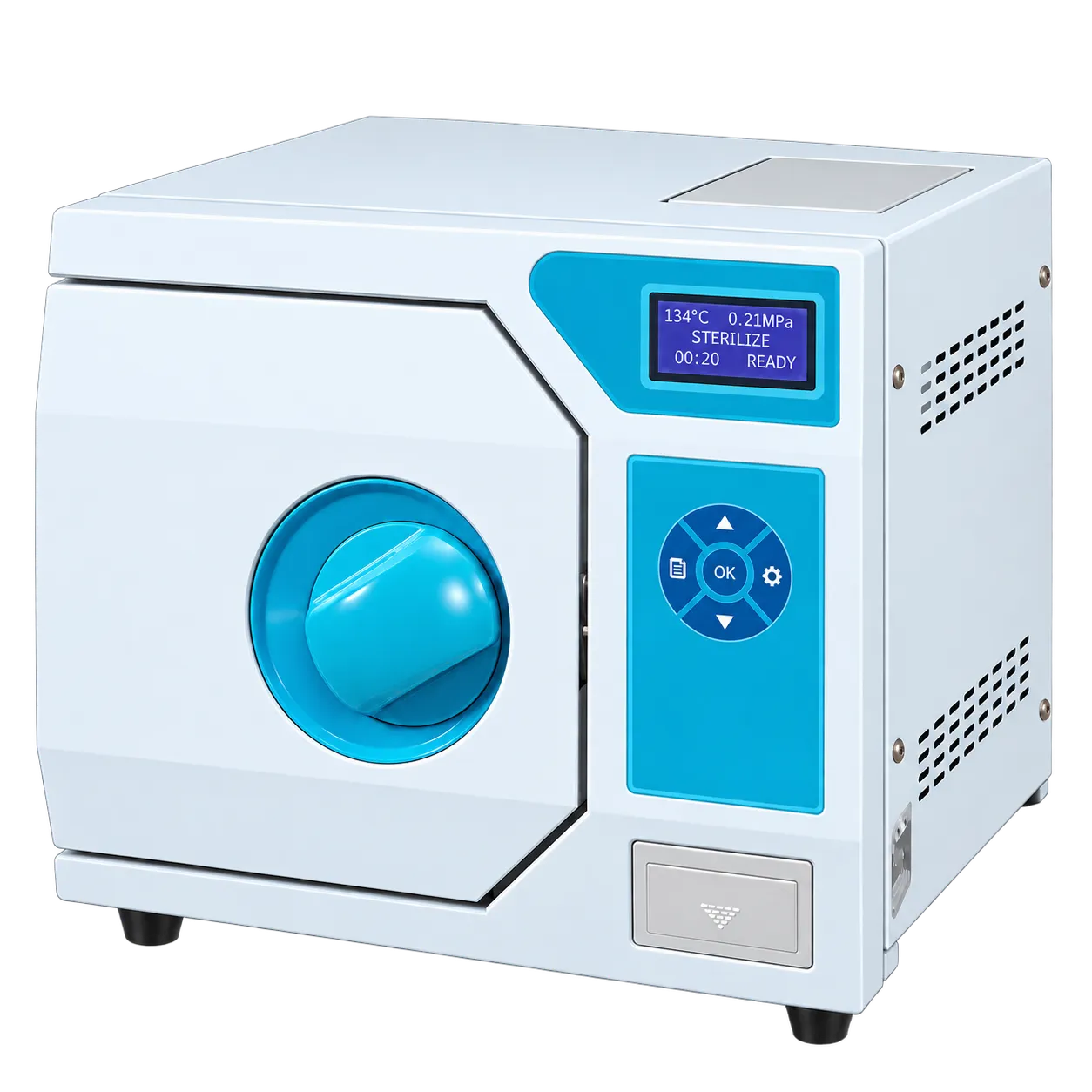
Solo dental practitioners, chiropody and podiatry clinics, veterinary practices, aesthetic clinics and GP minor surgery rooms that reprocess a few pouched instruments at a time are the natural buyers for the DGT-8B. Its Class B cycles suit pouched instruments, small hollow items and small porous loads in an 8-litre chamber.
The honest question for a chamber this size is what fits, and loading guidance answers it. Guidance drawing on CDC recommendations places peel pouches on edge in mesh racks, paper facing plastic, and warns that overloading is the most common cause of wet packs. Pouch makers add that packages must not be folded and must not touch the chamber walls. A dental equipment maker notes that overloading or crowding pouches interferes with air removal, steam penetration and drying. In a 170 × 320 mm chamber, those rules set a firm limit on instrument length and pouch count.
That limit is the trade the DGT-8B makes. It gives up capacity and keeps the parts of Class B that matter most: vacuum air removal, drying, test programmes and a small footprint on a standard worktop. For a practice whose sessions produce a handful of pouches, it leaves nothing essential out.
Before choosing, list the longest pouched instrument and the busiest session's pouch count, and check both against the tray dimensions and maximum load.
Tender specifications, including NHS ones, set out load sizes, sterilisation class, and testing for small sterilisers, and public buyers in other countries do much the same. The conformity documentation those procurement routes require is issued by the manufacturer and shared by the enquiry team.