
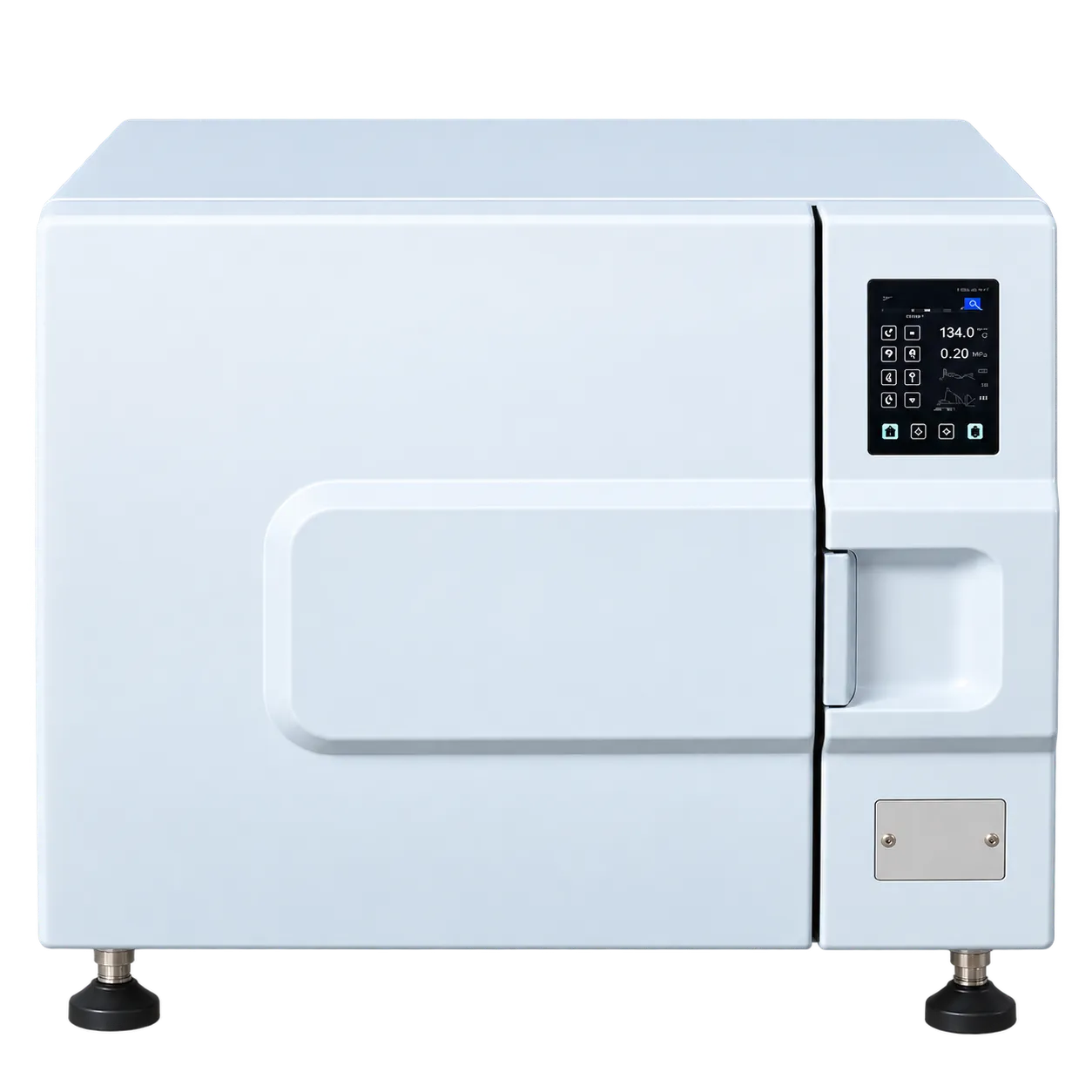
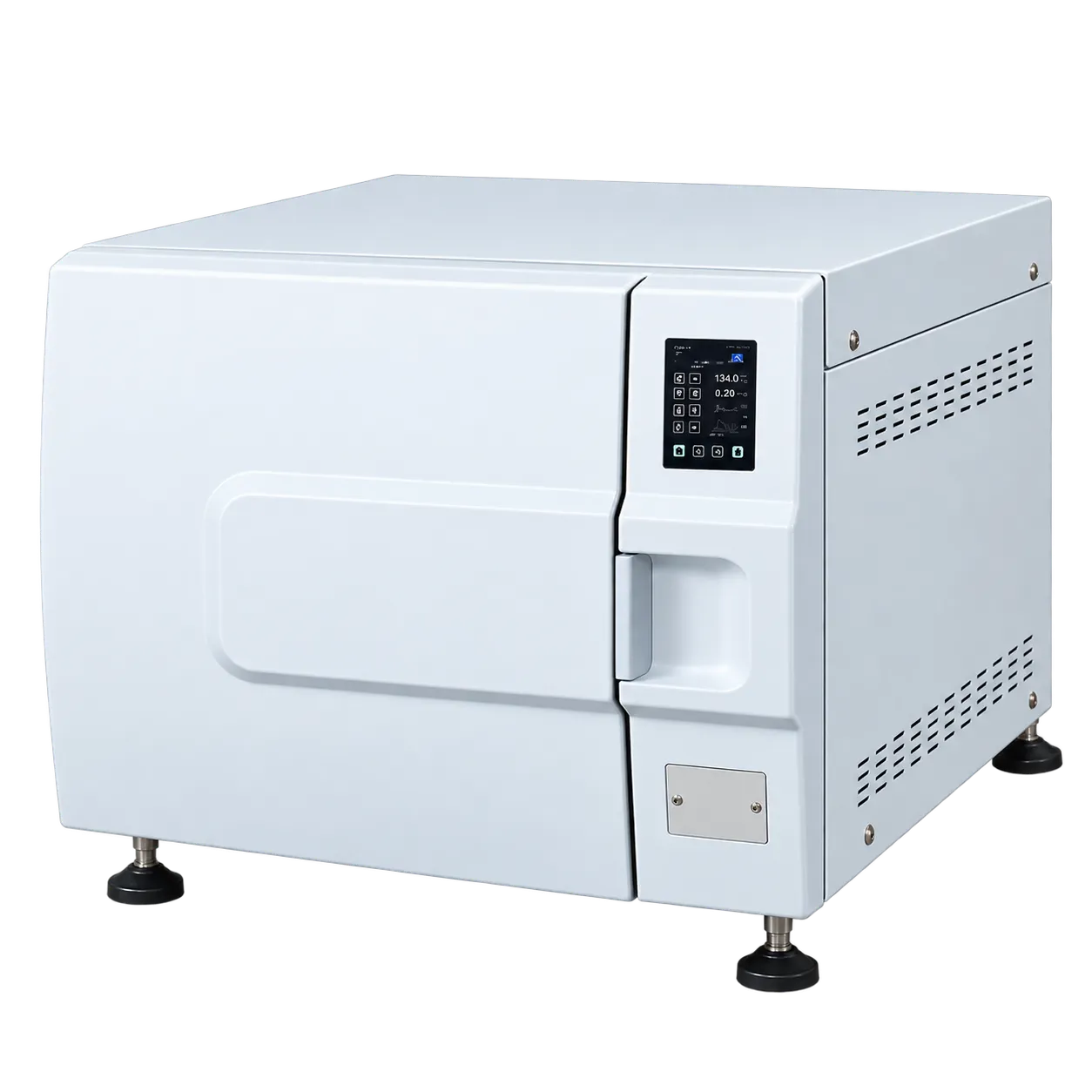
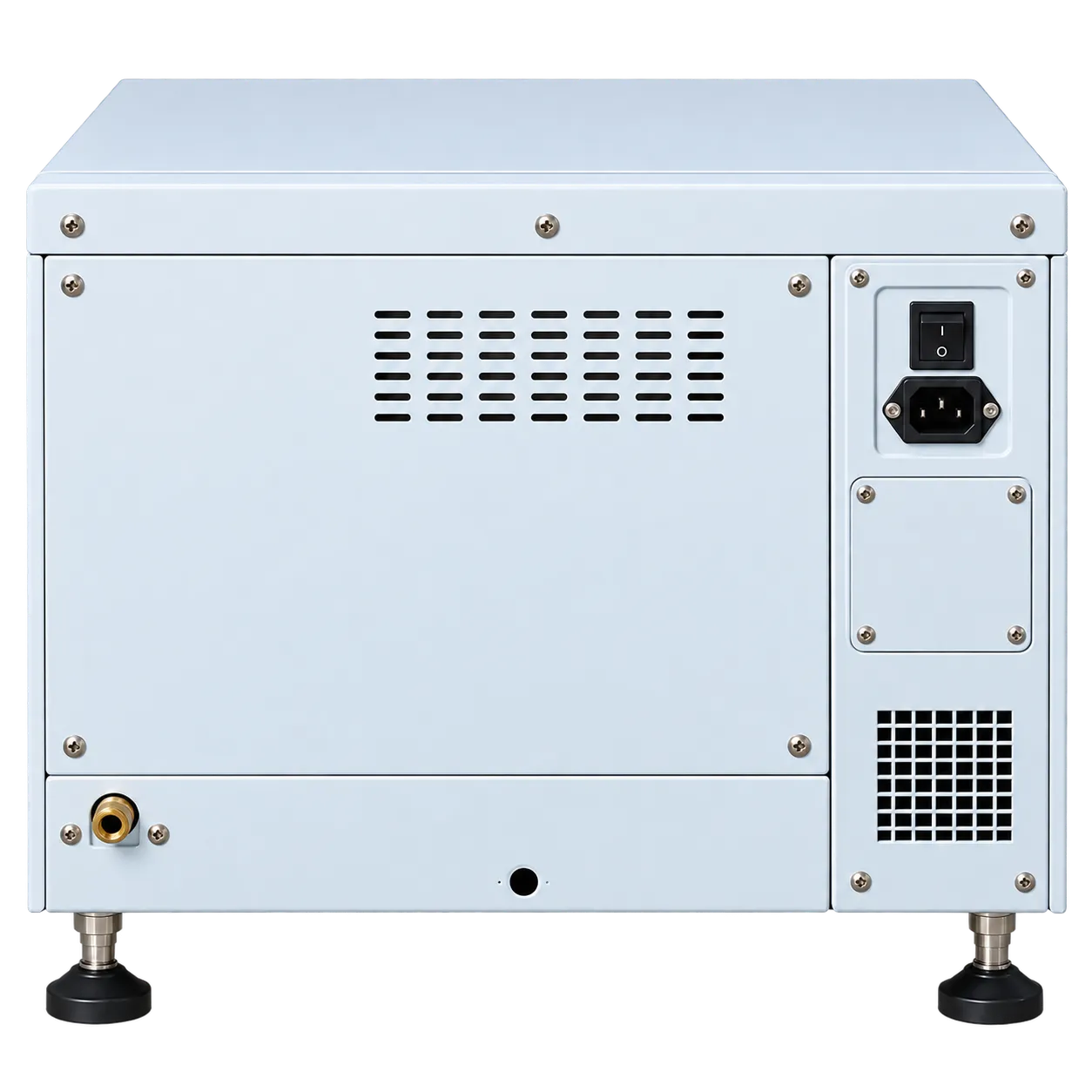
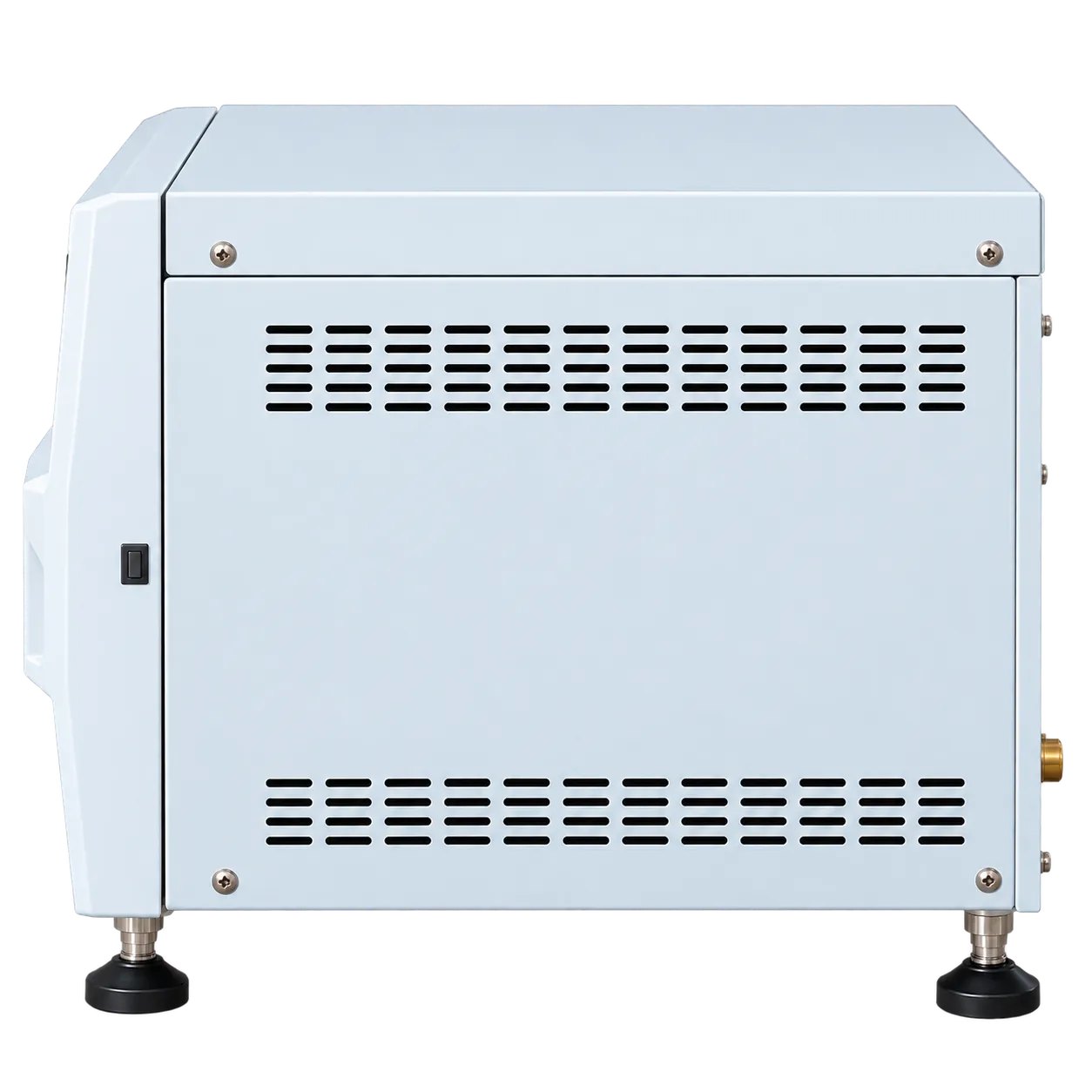
Multi-chair dental practices, community dental services, oral surgery units and minor surgery or podiatry services are the buyers the DGT-23Z is built for. Their instrument mix of pouched sets, handpieces, and longer surgical instruments needs a vacuum-class steriliser and a chamber deep enough to keep pouches flat.
Survey evidence shows how often the match between steriliser and routine goes wrong. A study of 179 dental surgeries in Scotland found that most handpieces were processed in non-vacuum bowl-and-instrument sterilisers, and that 21% of surgeries were wrapping handpieces in paper pouches before sterilising them in those machines. The same survey programme found that 88% of benchtop sterilisers in those practices were non-vacuum types. Pouching before sterilising only works in a vacuum steriliser, so practices that want pouched handpieces and sets need this class of machine.
The fit runs the other way as well. A practice that sterilises only unwrapped solid instruments for same-day use, or processes a few loads a week, does not need a vacuum chamber of this depth. The DGT-23Z is aimed squarely at practices whose routine is pouch first, sterilise under vacuum, and store.
Before choosing, count the chairs the steriliser will serve, measure the longest instruments that must lie flat, and check that the team can fit a daily air removal test into its morning.
Tender specifications, including NHS ones, describe instrument mix, sterilisation classes,s and test requirements for benchtop sterilisers, and public buyers in other countries work the same way. The conformity documentation those procurement routes require is issued by the manufacturer and shared by the enquiry team.