
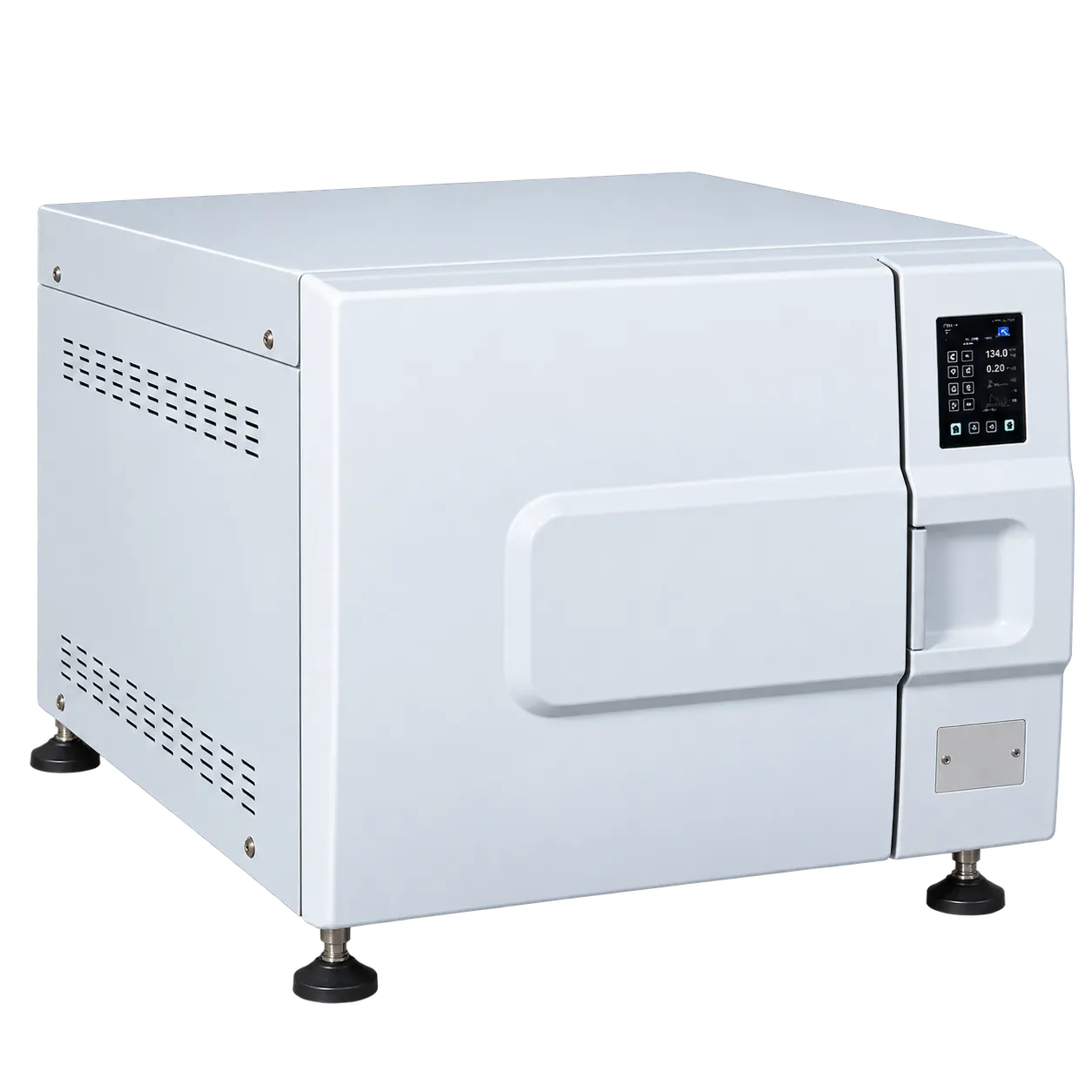
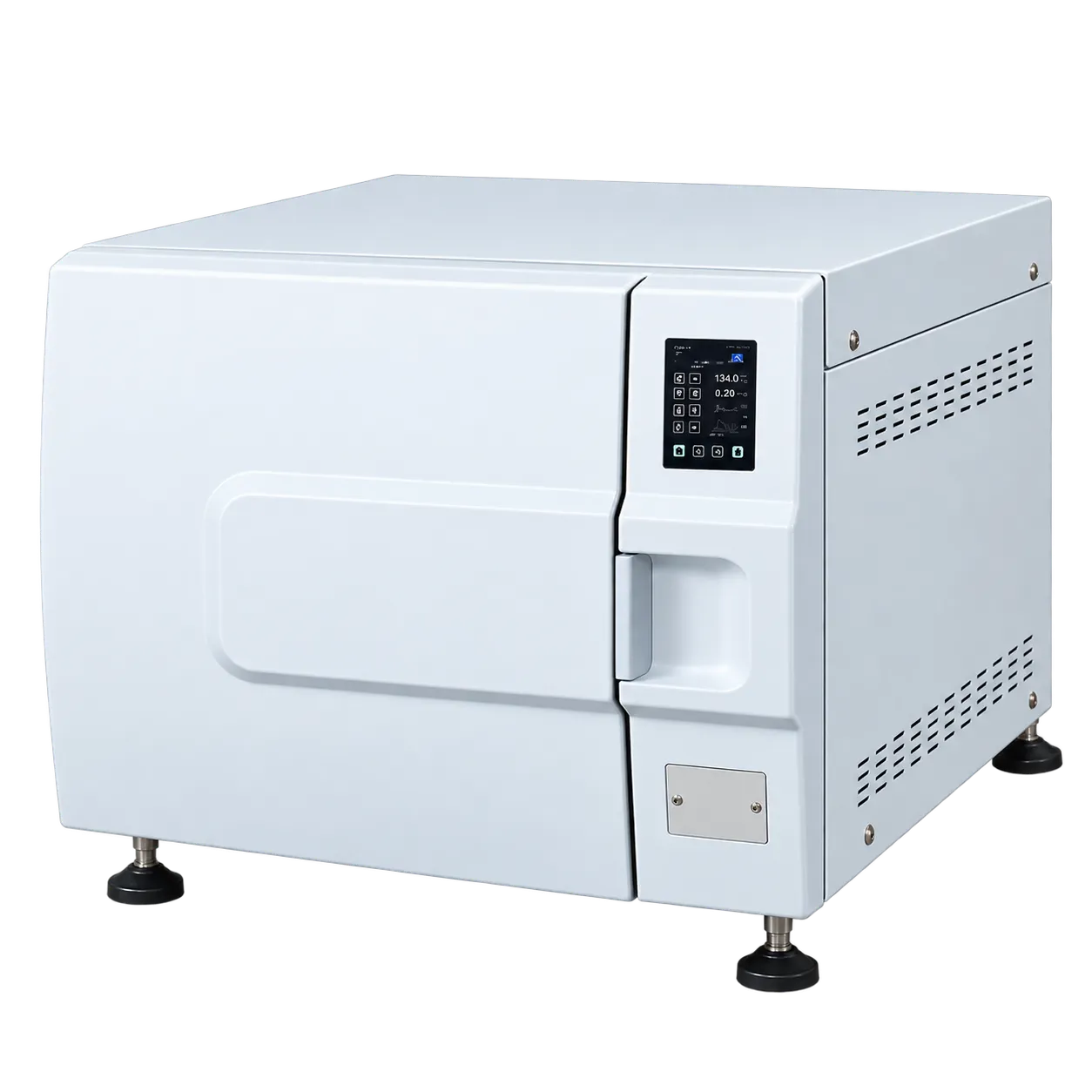
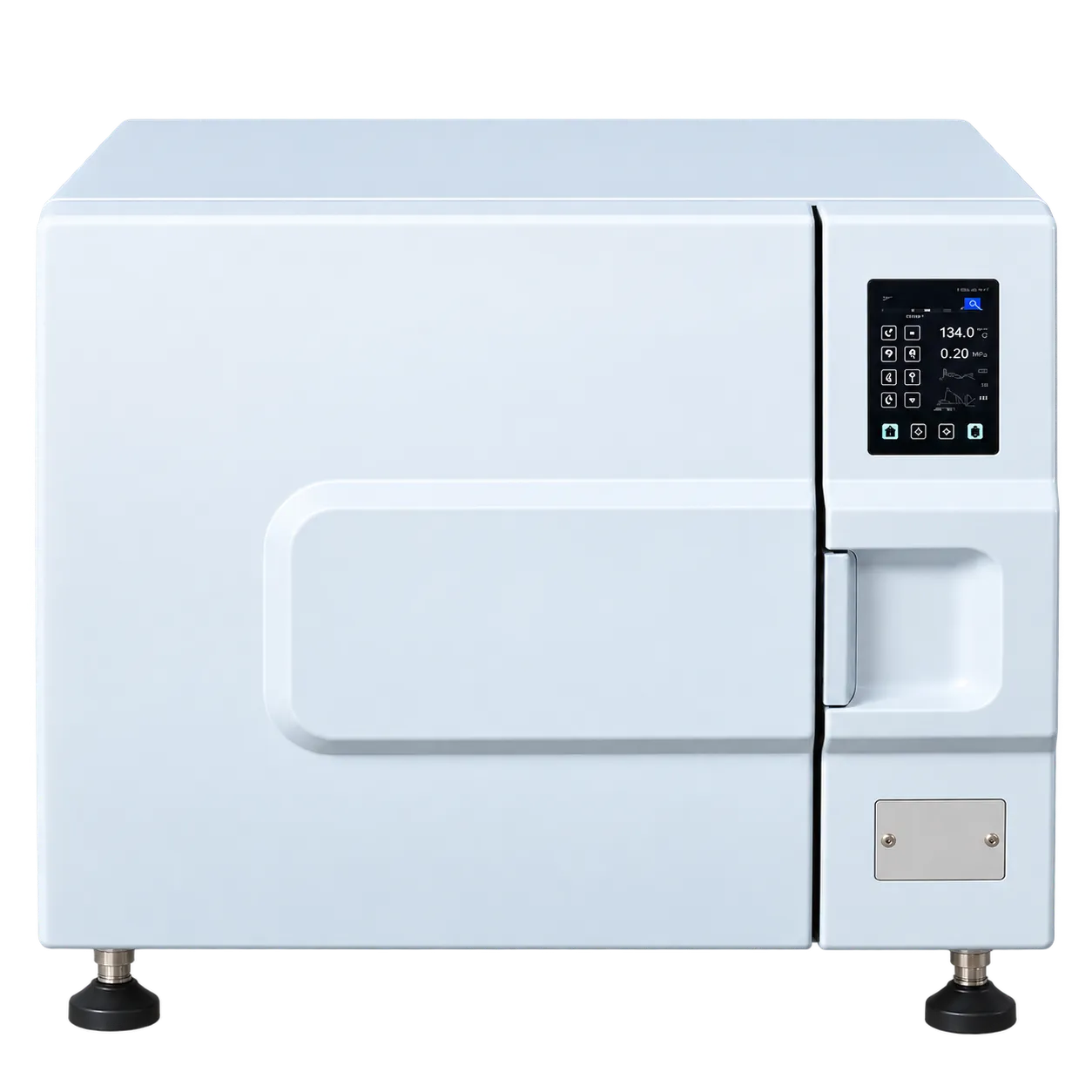
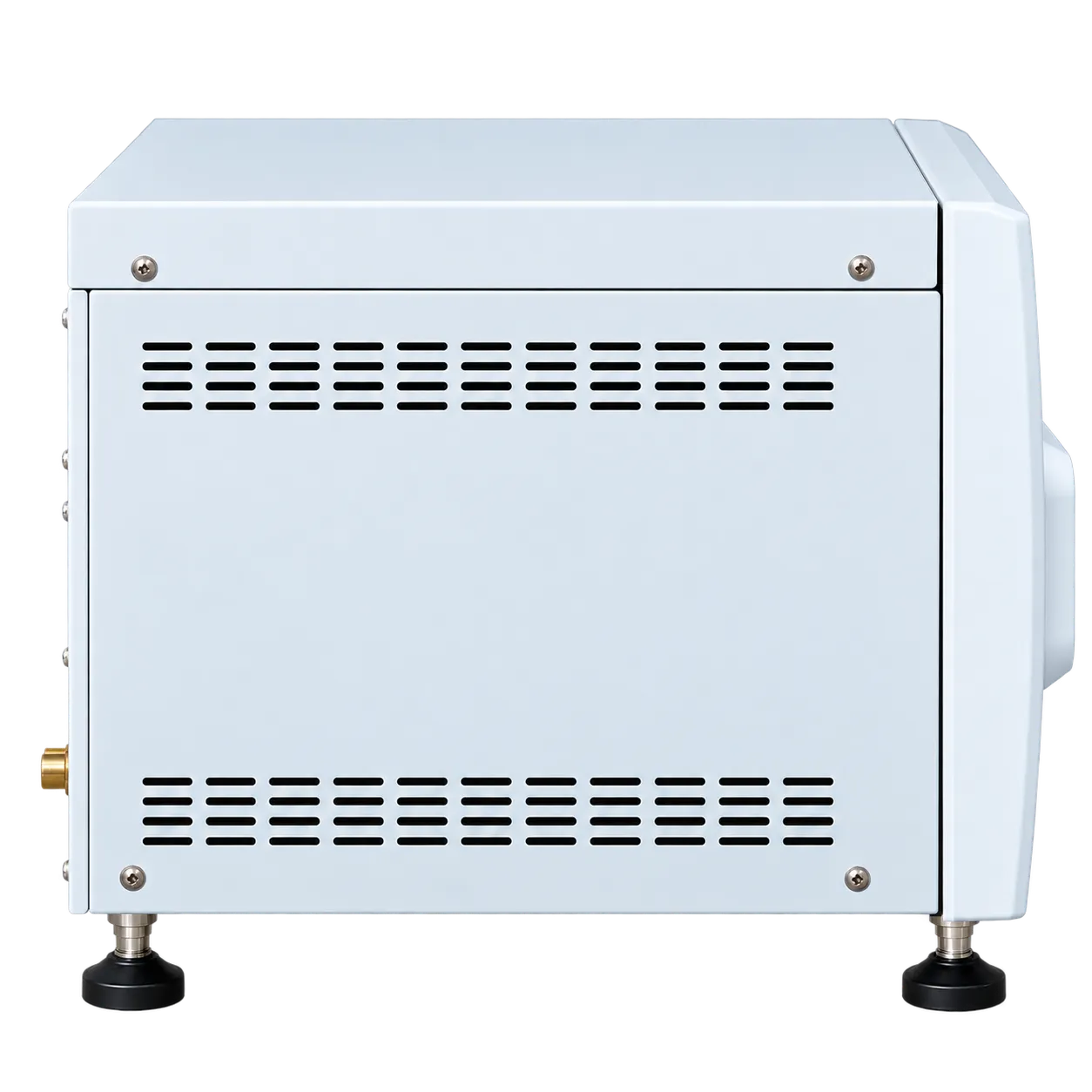
Dental practices, community dental services, podiatry clinics and GP or minor surgery rooms that reprocess wrapped instruments and handpieces are the natural setting for the DGT-18Z. Its Class B vacuum cycles suit pouched sets, hollow instruments such as handpieces, and small porous items, all within an 18-litre benchtop chamber.
Guidance has clarified the routine around such a machine. Scottish dental guidance states that instruments can only be processed wrapped in a vacuum steriliser or a compatible Type S unit. In England, the 2013 edition of HTM 01-05 allows instruments wrapped before vacuum sterilisation to be stored for up to a year, having recognised that recontamination depends on events, not elapsed time. A British Dental Journal study had earlier found no published data supporting the previous 60-day limit for vacuum-sterilised packs.
In practice, the workflow becomes clean, inspect, pouch, sterilise, store. The nurse finishes each instrument before the cycle, and nothing needs drying or wrapping once the door opens. The day begins with a steam penetration test so that every later cycle starts from a verified machine, and each pouch carries a date and cycle reference for traceability.
The practical checks are equally simple: confirm the programme list and test cycles, match the tray capacity to the practice's instrument sets, and plan the bench, electrical circuit,t and water arrangements.
Tender specifications, including NHS ones, set out sterilisation class, test capability, and record keeping for benchtop sterilisers, and public buyers in other countries do the same. The conformity documentation those procurement routes require is issued by the manufacturer and shared by the enquiry team.