
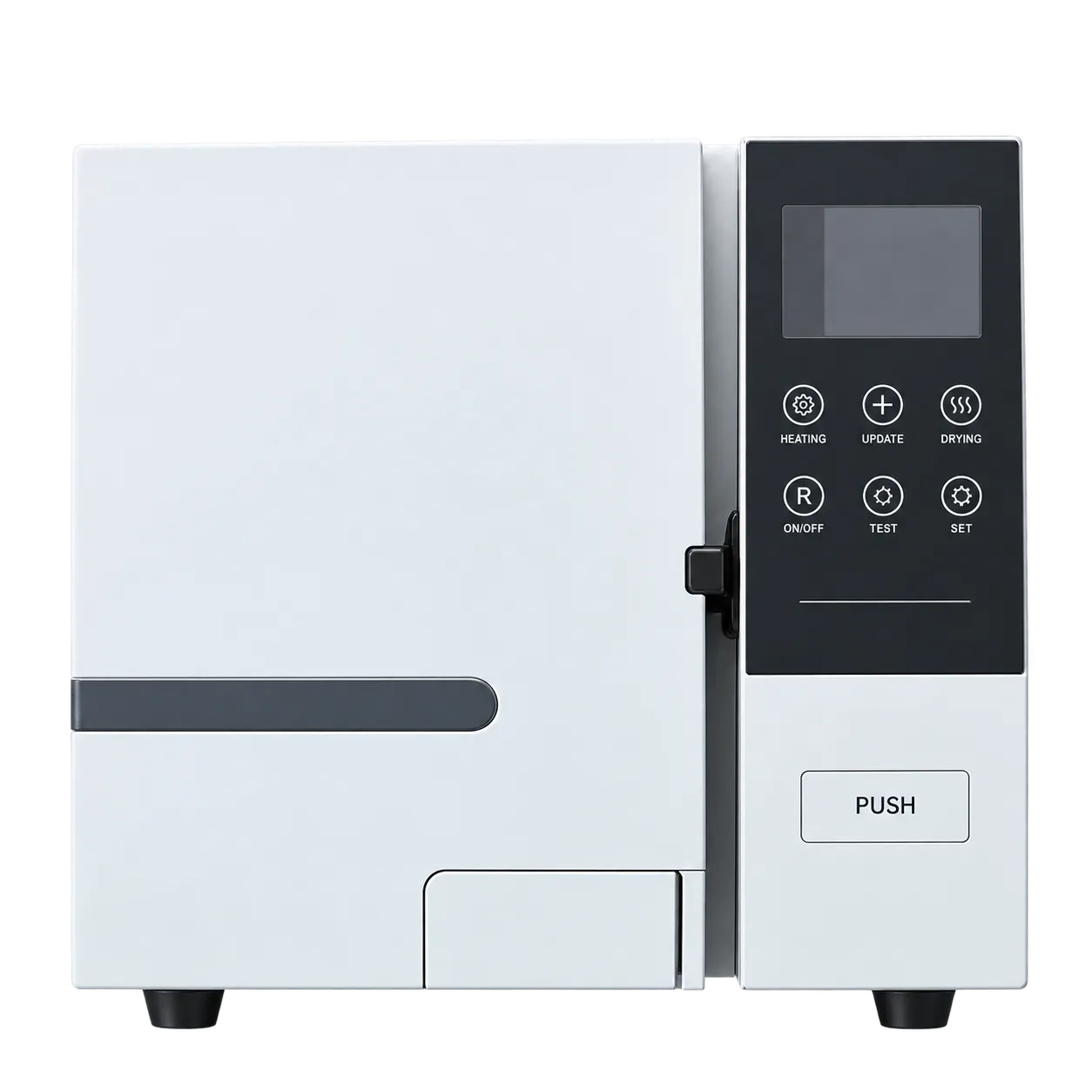
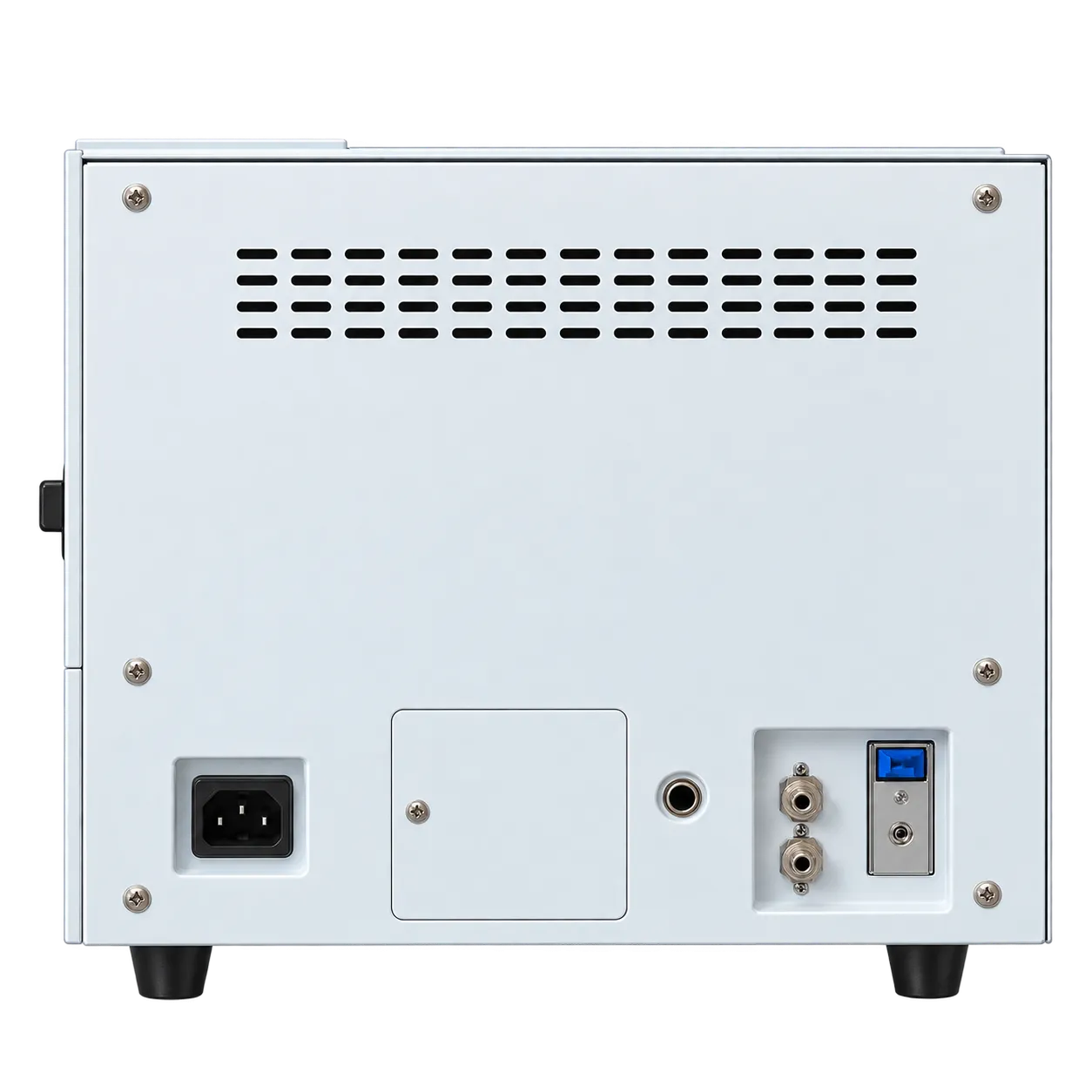
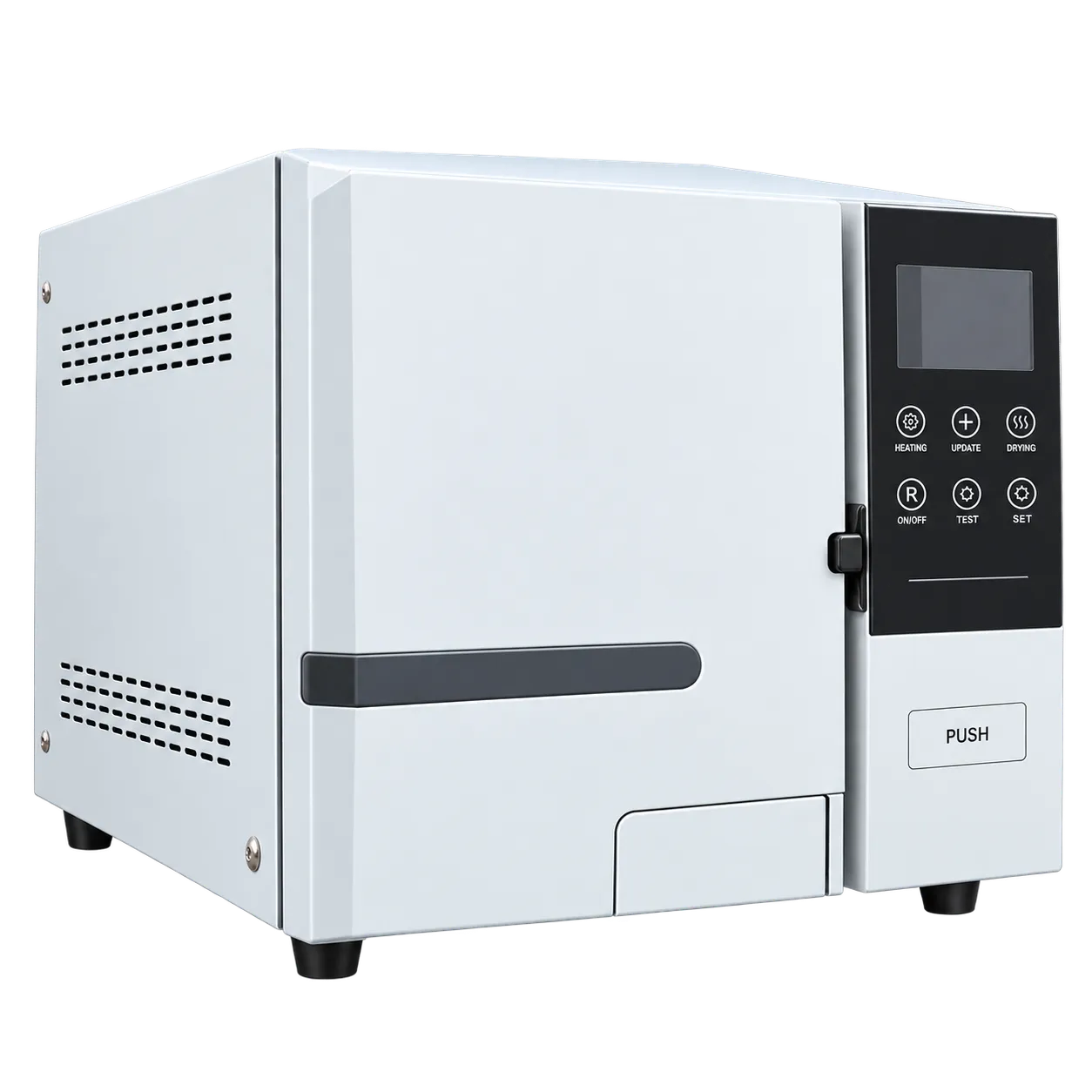
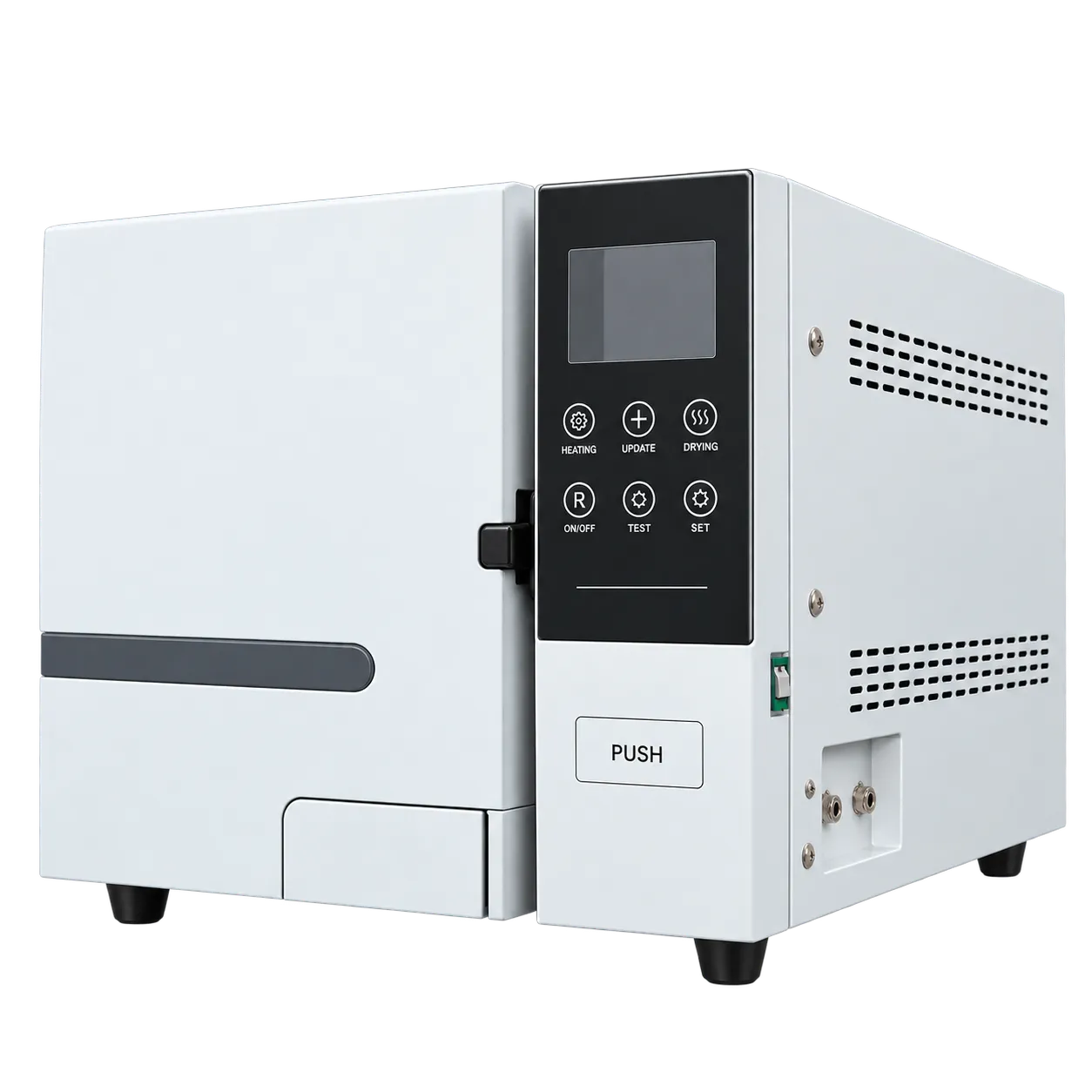
Dental practices, podiatry clinics, minor surgery rooms and GP practices that want Class B vacuum cycles on an ordinary worktop are the natural buyers for the DGT-18X. Its cycles cover pouched instrument sets, hollow instruments such as handpieces, and small porous items in an 18-litre chamber.
The evidence on sterilising failures points at people more than machines. A Saskatchewan quality assurance laboratory analysed 198,771 biological indicator tests from 362 dental offices over eight years. Steam sterilisers failed 0.20% of the time, the lowest rate of the methods studied, and 91.8% of all 486 failures were put down to human error, with equipment responsible for the rest.
For a practice installing a Class B unit, that shifts the safety question from which machine to how it is run. The vacuum removes air; staff load within limits, package in a way steam can penetrate, choose the right programme, run the daily air-removal test, and act on any failure: a one-page checklist, unit induction, and a competency record cover most of the ground. Refresher sessions after any programme change keep the checklist current.
Planned that way, the DGT-18X does its half reliably, and the practice does the other half on purpose.
Tender specifications, including NHS ones, increasingly ask how staff will be trained and tests recorded, alongside the steriliser's class, and public buyers in other countries do the same. The conformity documentation those procurement routes require is issued by the manufacturer and shared by the enquiry team.