
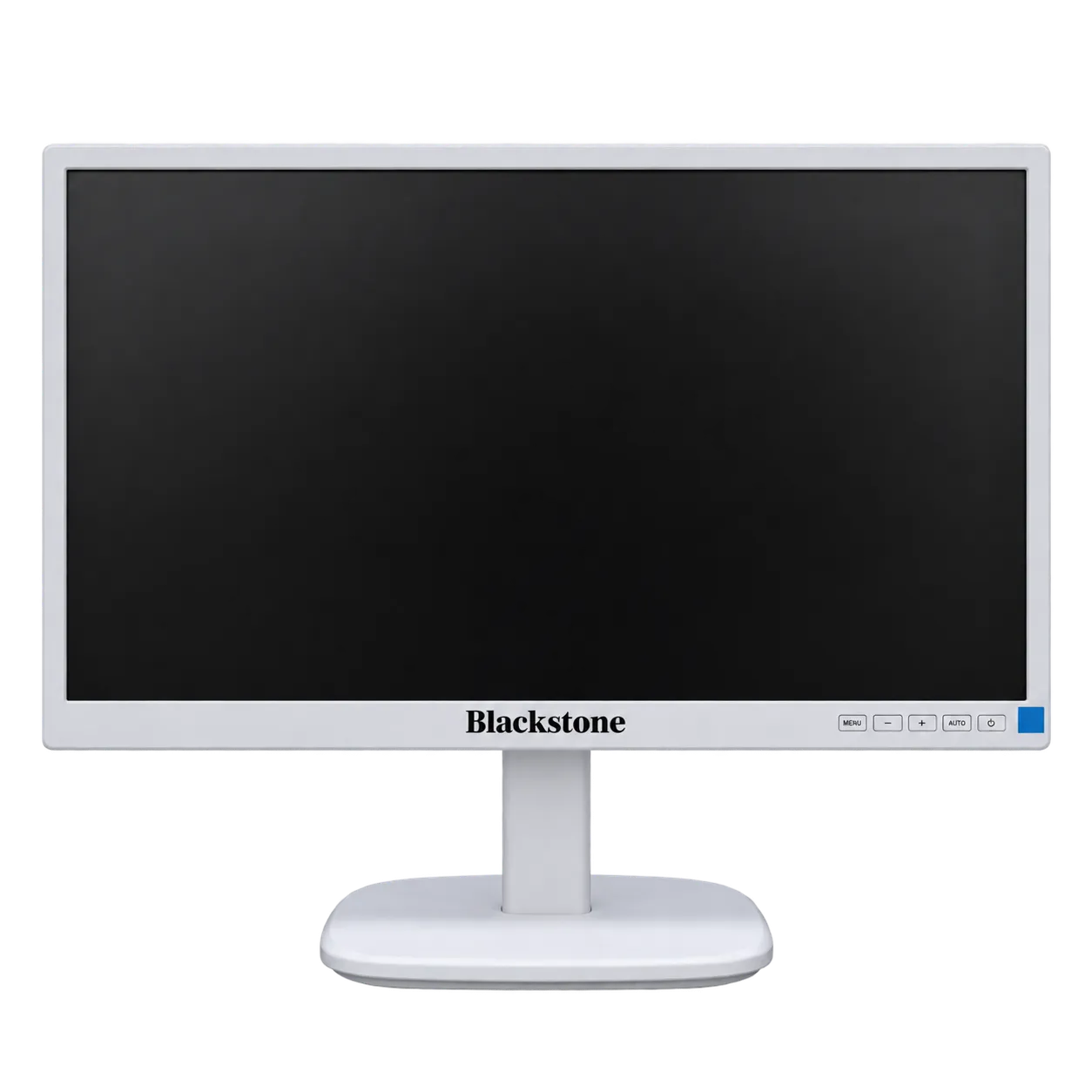
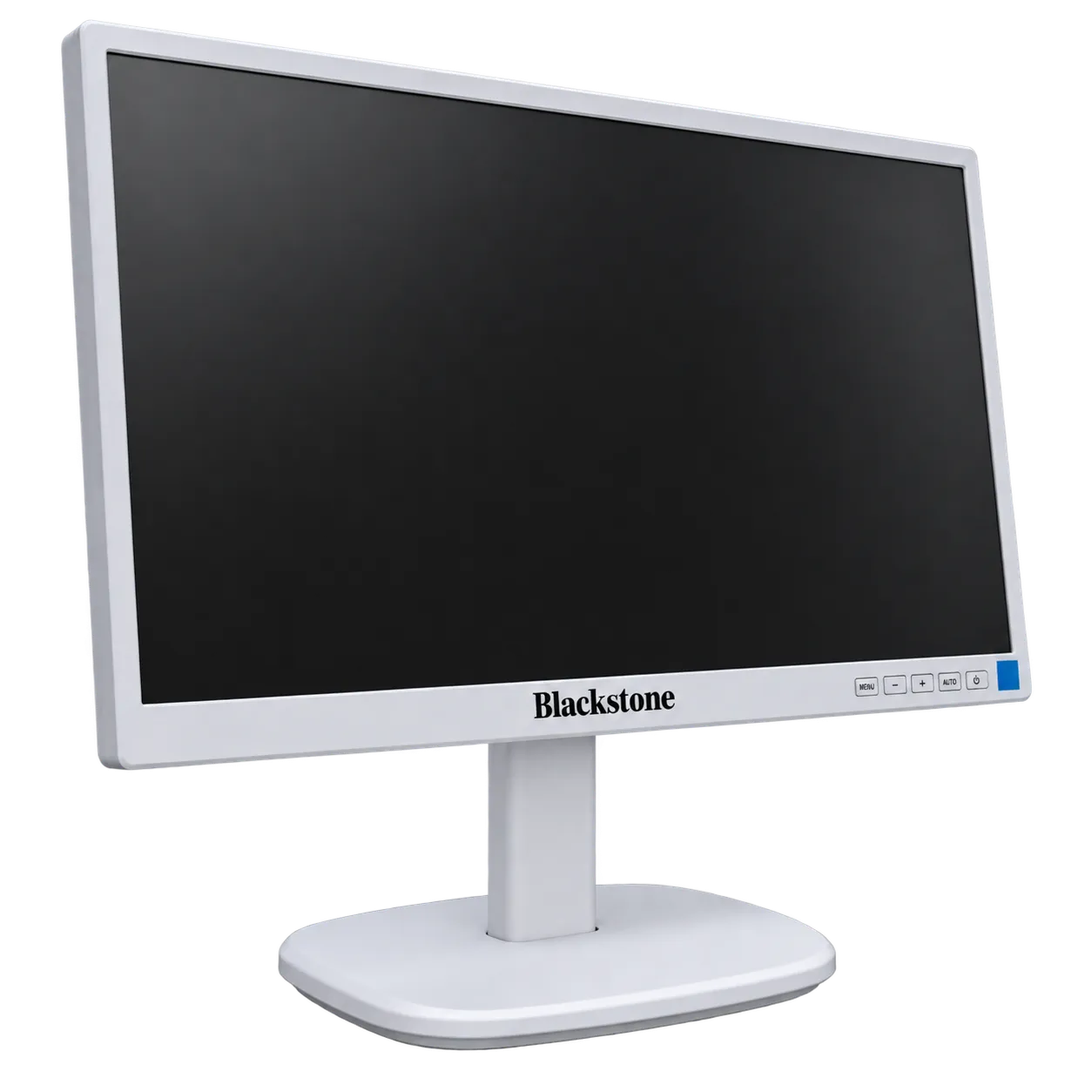
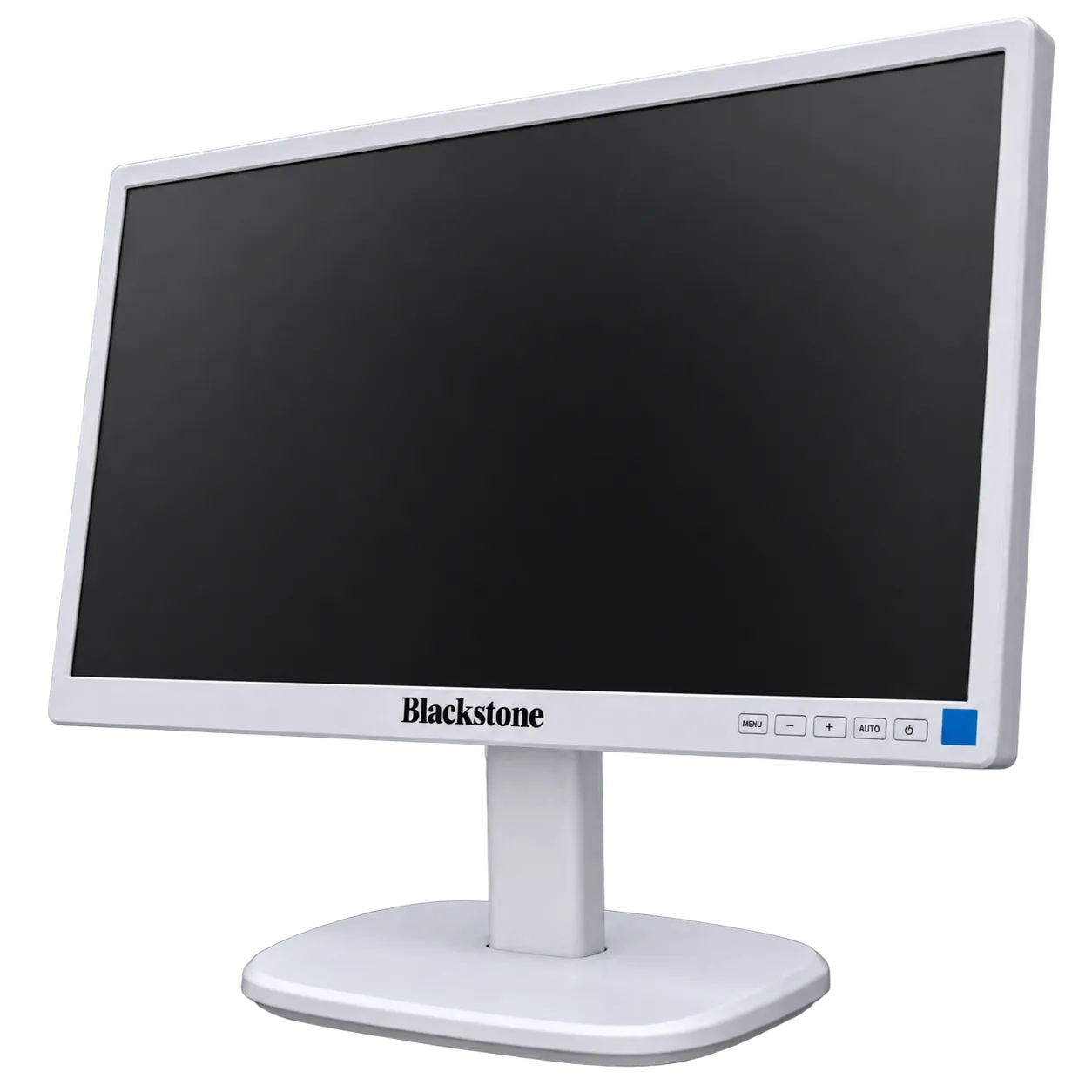
A 4K medical monitor in an operating theatre is judged on whether the surgeon can see what matters, from where they stand, under the lights that are on at the time. Brightness comes first, because theatre lighting is intense and a dim panel washes out under it. Viewing angle follows, since the operator, the assistant opposite, and the scrub nurse all watch the same screen from different positions, and colour shifts off-axis on lesser panels than this one claims to be. Neither figure appears here.
Response time belongs on the same list. When an instrument is being guided by the image, any lag between the movement and the display is felt at once, and a screen chosen on resolution alone can still disappoint on that count. Colour matters too, though differently from diagnostic reporting: tissue has to look like tissue, so consistency across a department's screens is worth more than an absolute calibration figure.
The interference note deserves following up properly. Theatres run electrosurgical units that generate considerable electrical noise, and a display working beside one has to keep its picture clean, which is what the anti-jamming phrase gestures at. Testing for that is defined in the medical electrical standards, so the useful question is which edition this panel was assessed against, rather than whether the phrase sounds reassuring.
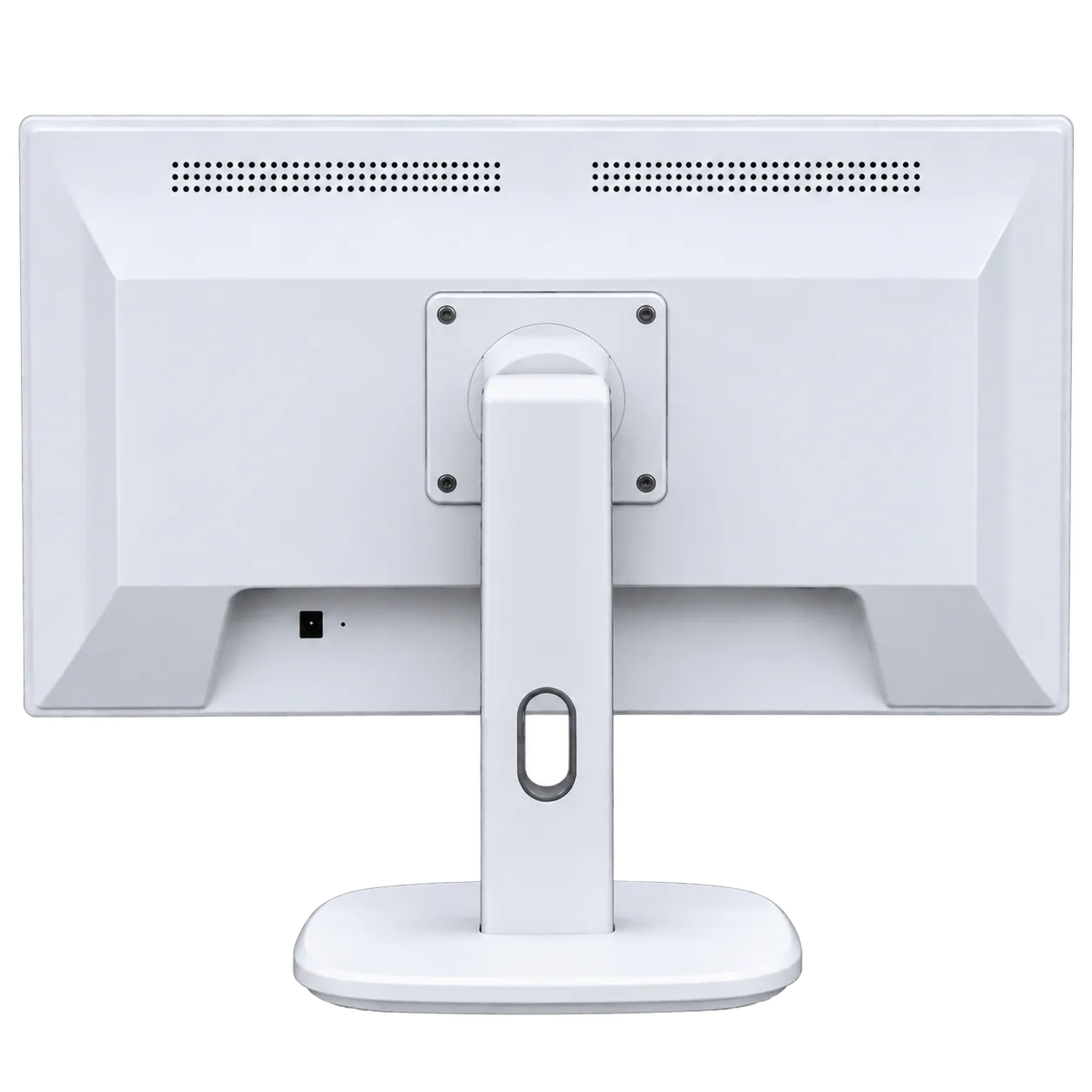
Mounting is the last practical point, since theatres often hang screens from arms or booms instead of standing them on a surface. Medigear.uk is obtaining those figures from Blackstone, together with the fixing pattern and the test certification.