
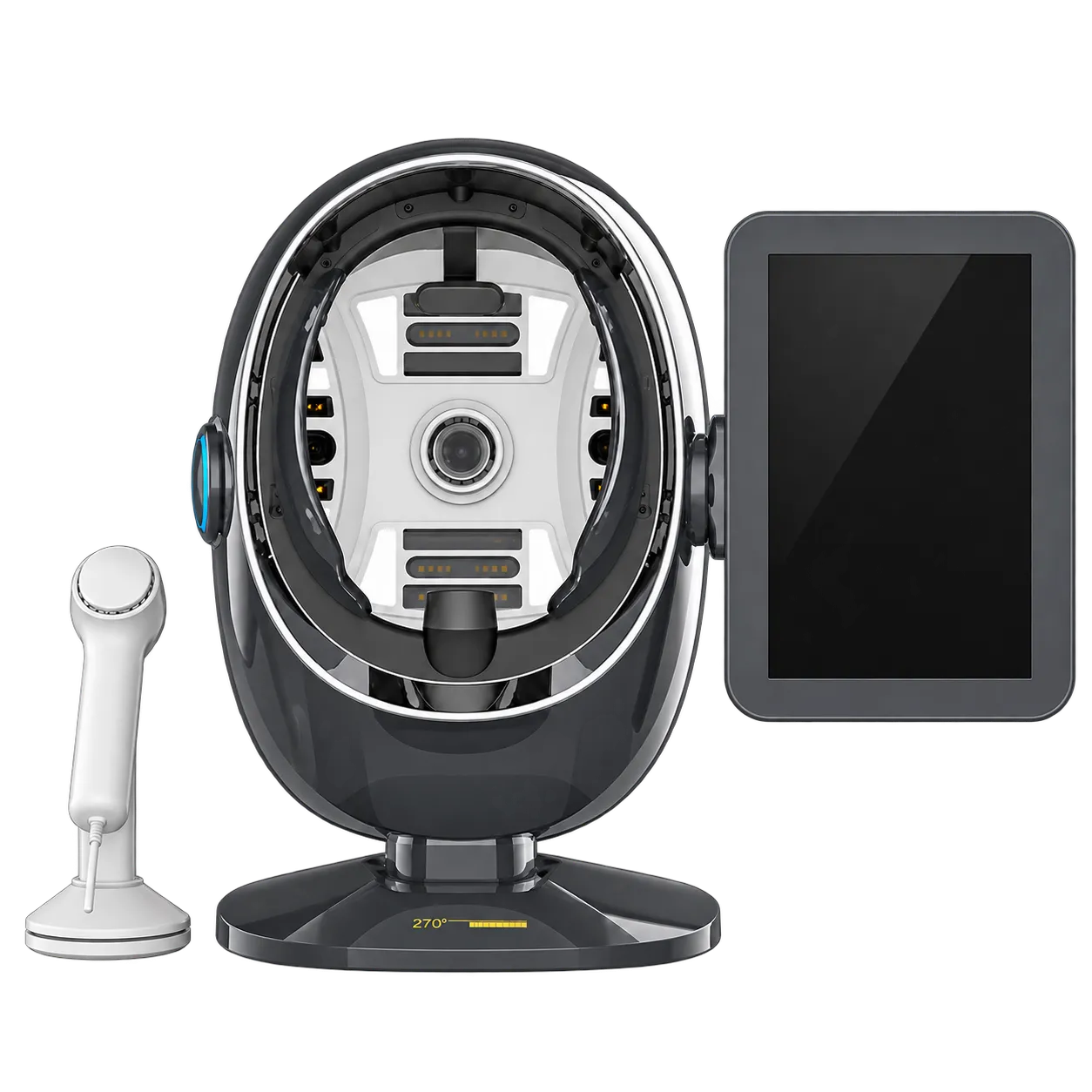
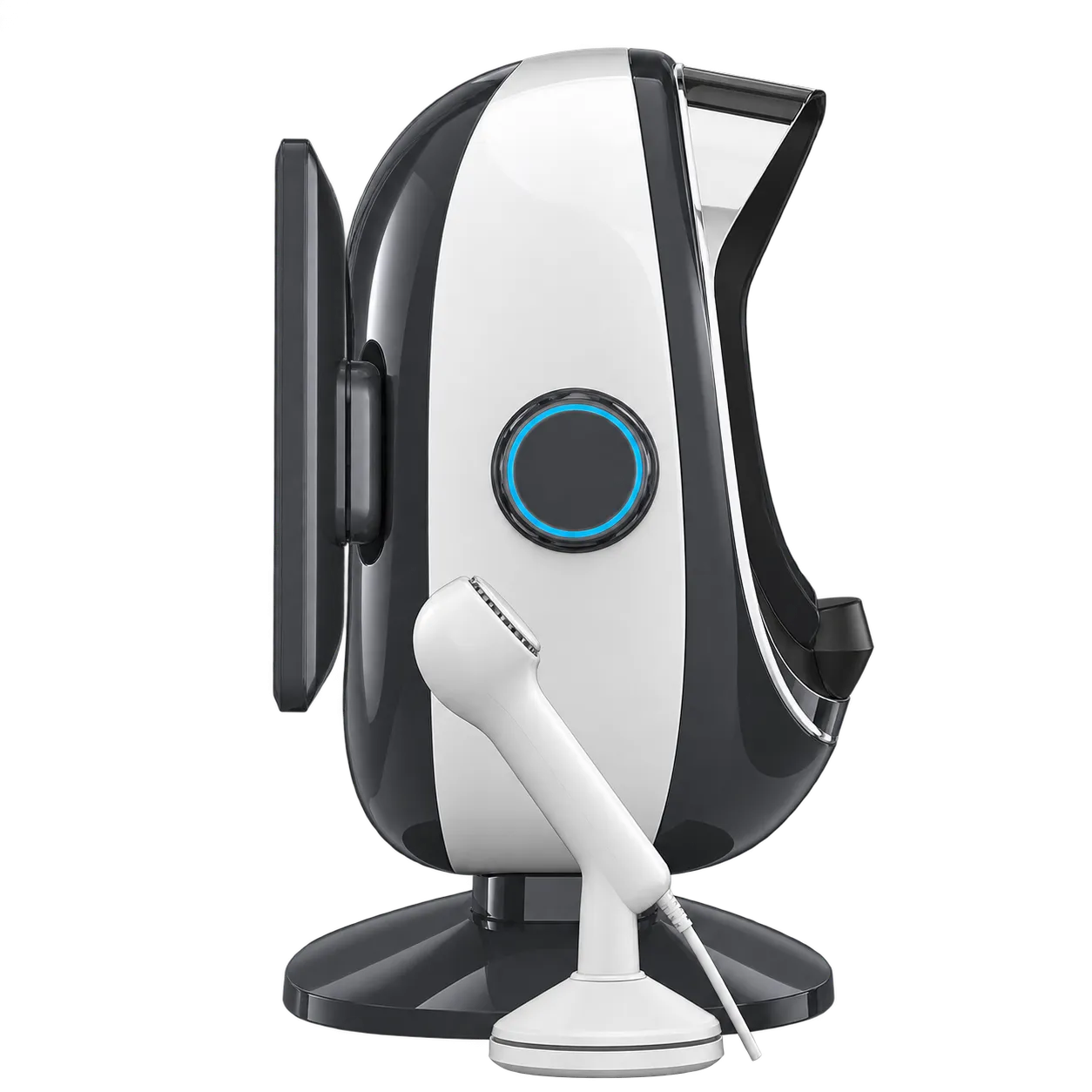
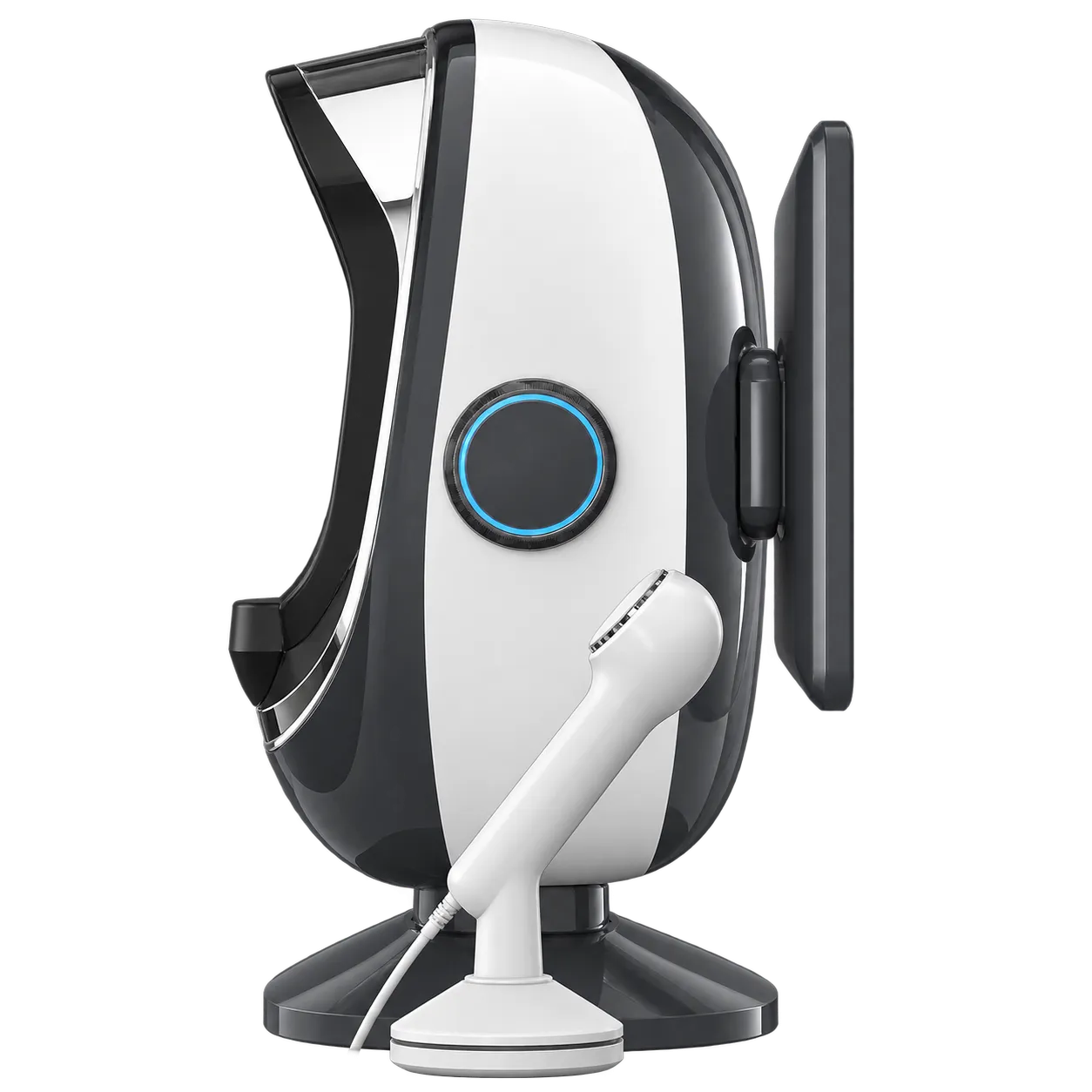
The K57 earns its place in practices that sell courses and need to show what changed. Aesthetic clinics, skin management centres, and cosmetics counters can photograph a client before a course of peels, laser, or microneedling, repeat the capture at each review, and compare the dated sets on screen. Skincare brands can use the same records to document a product's effect on a test panel.
Evidence on standardised facial imaging runs in both directions. An independent study of a closed-booth imaging system found repeat captures a week apart differed by under 2% for texture, UV spots, brown spots and porphyrins, and by about 6% for spots and wrinkles. It enrolled only eight volunteers, and its figures say nothing direct about the K57, so brands using the unit to support product claims need their own repeatability data. A 2021 scoping review of 70 dermatology AI studies found only seven reported skin tone in their image sets, and later testing on diverse images found leading models performed worse on dark skin. The K57 asks the operator to choose one of four skin-tone groups before capture, and the enquiry team can ask the manufacturer how its scores hold across those groups.
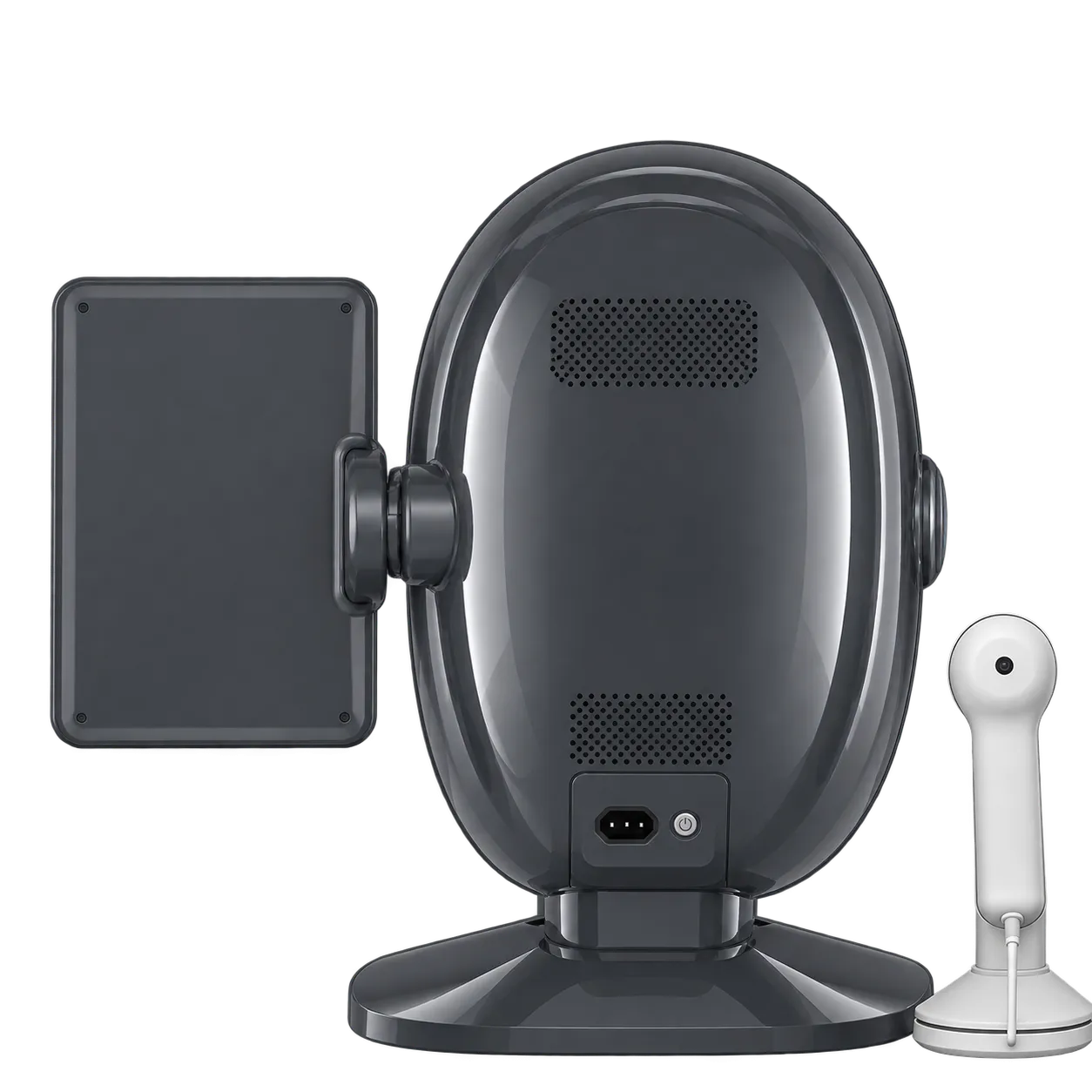
It is the wrong unit for diagnosing skin disease and for mobile or home-visit work, since it is a mains-powered desktop station packed as fragile and not to be tilted. Practices whose data policy rules out cloud processing of client images should also look elsewhere.
Clinic groups and franchise networks buying through central procurement routes will ask for the declaration of conformity, the data processing terms and electrical safety information before approval. The conformity documentation those procurement routes require is issued by the manufacturer and shared by the enquiry team.