
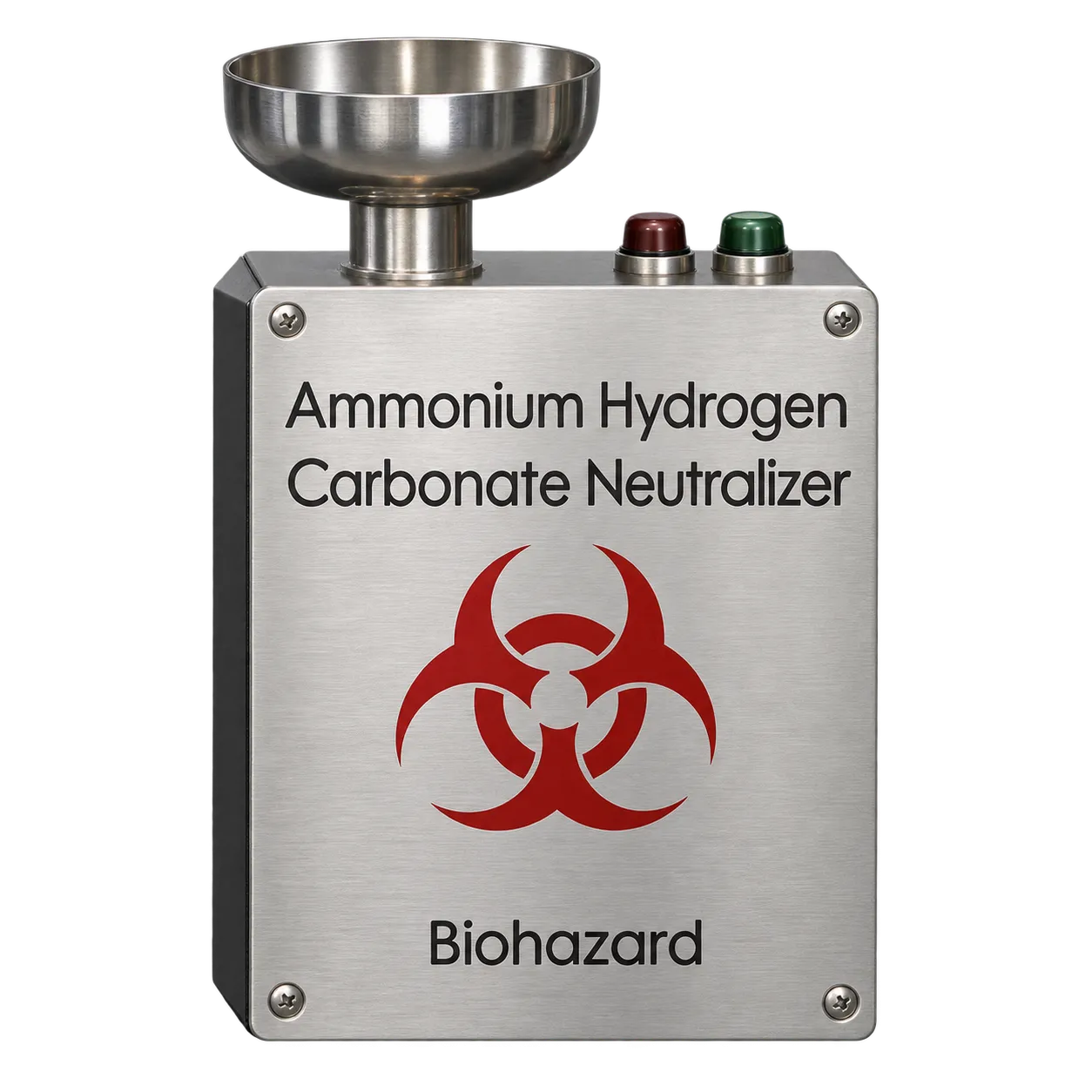
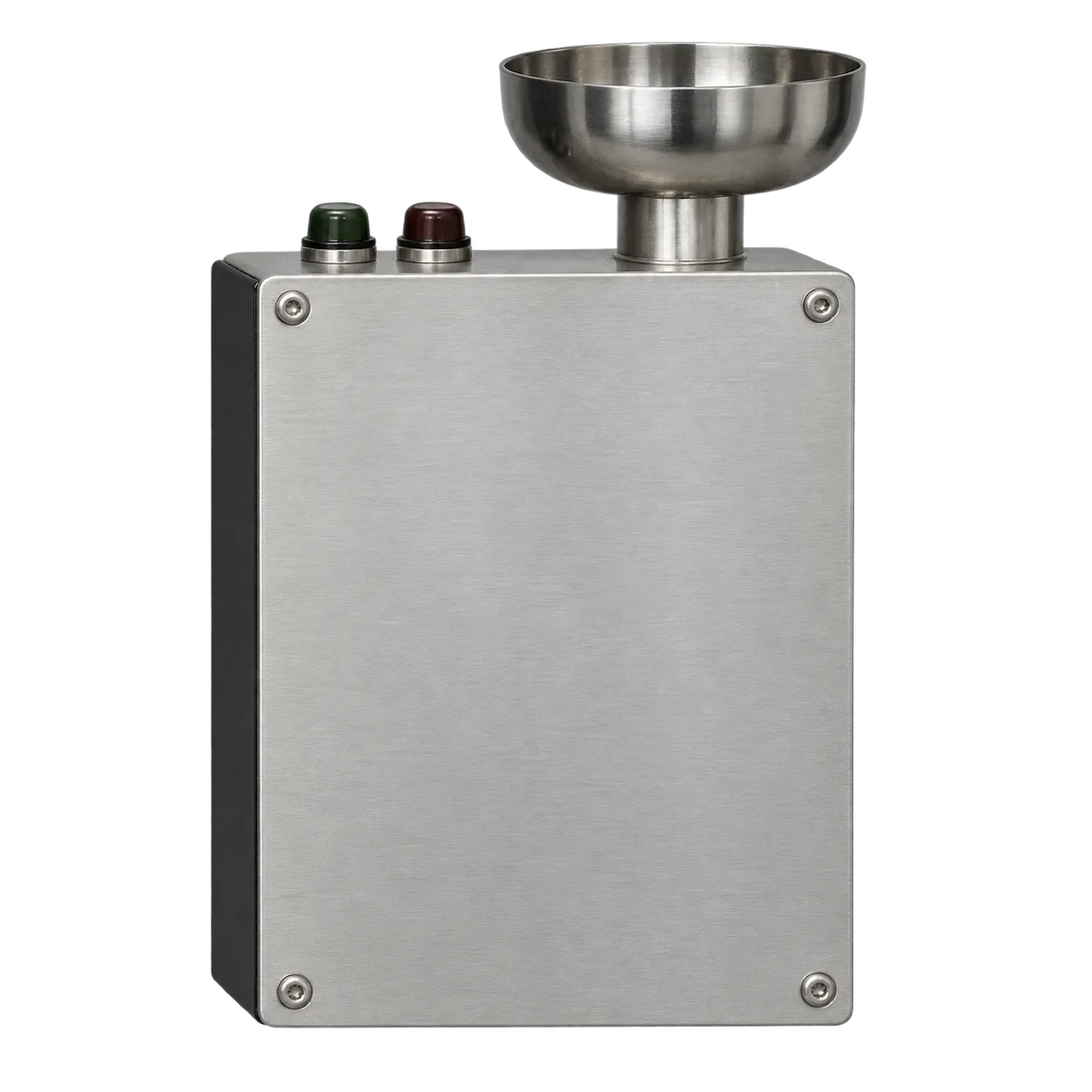
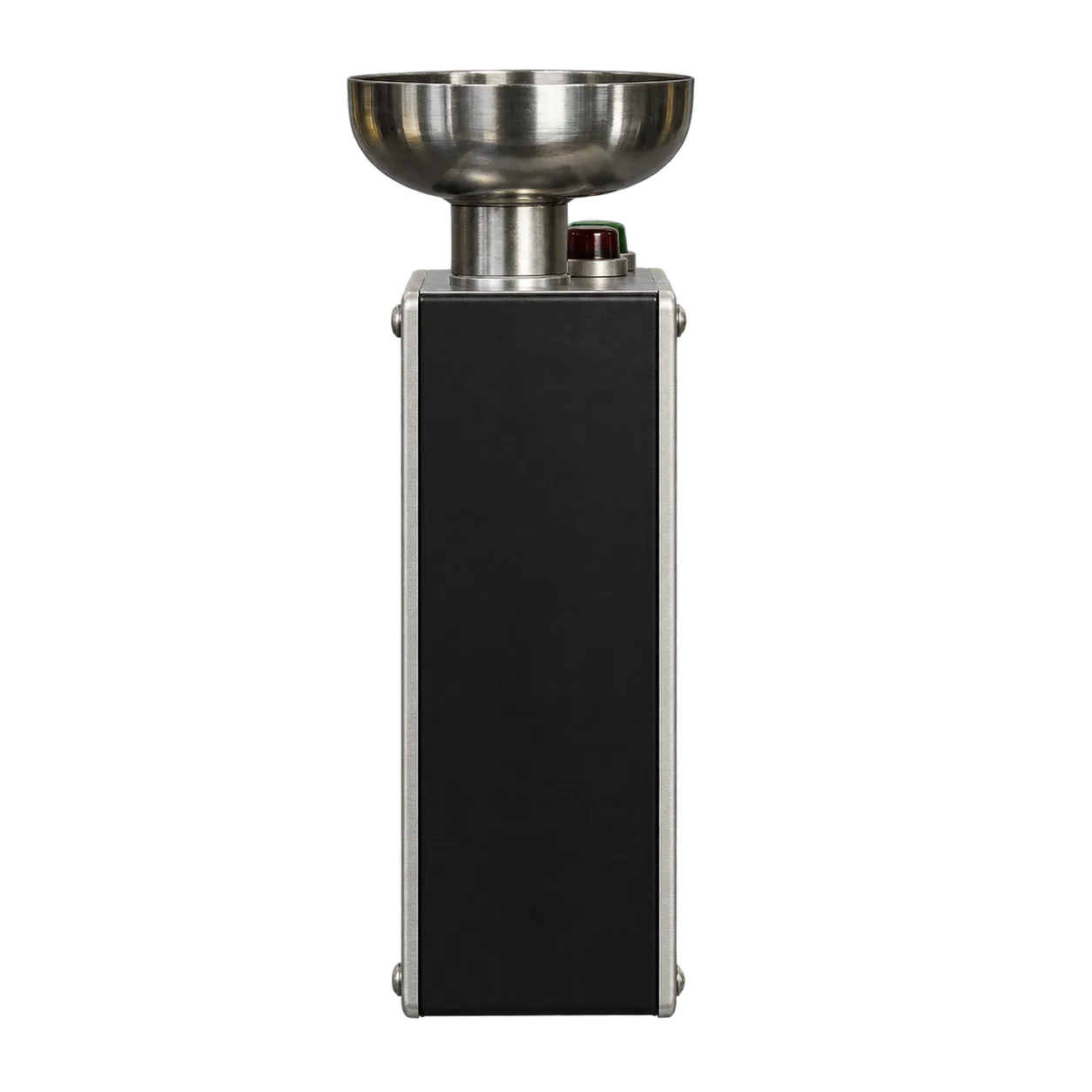
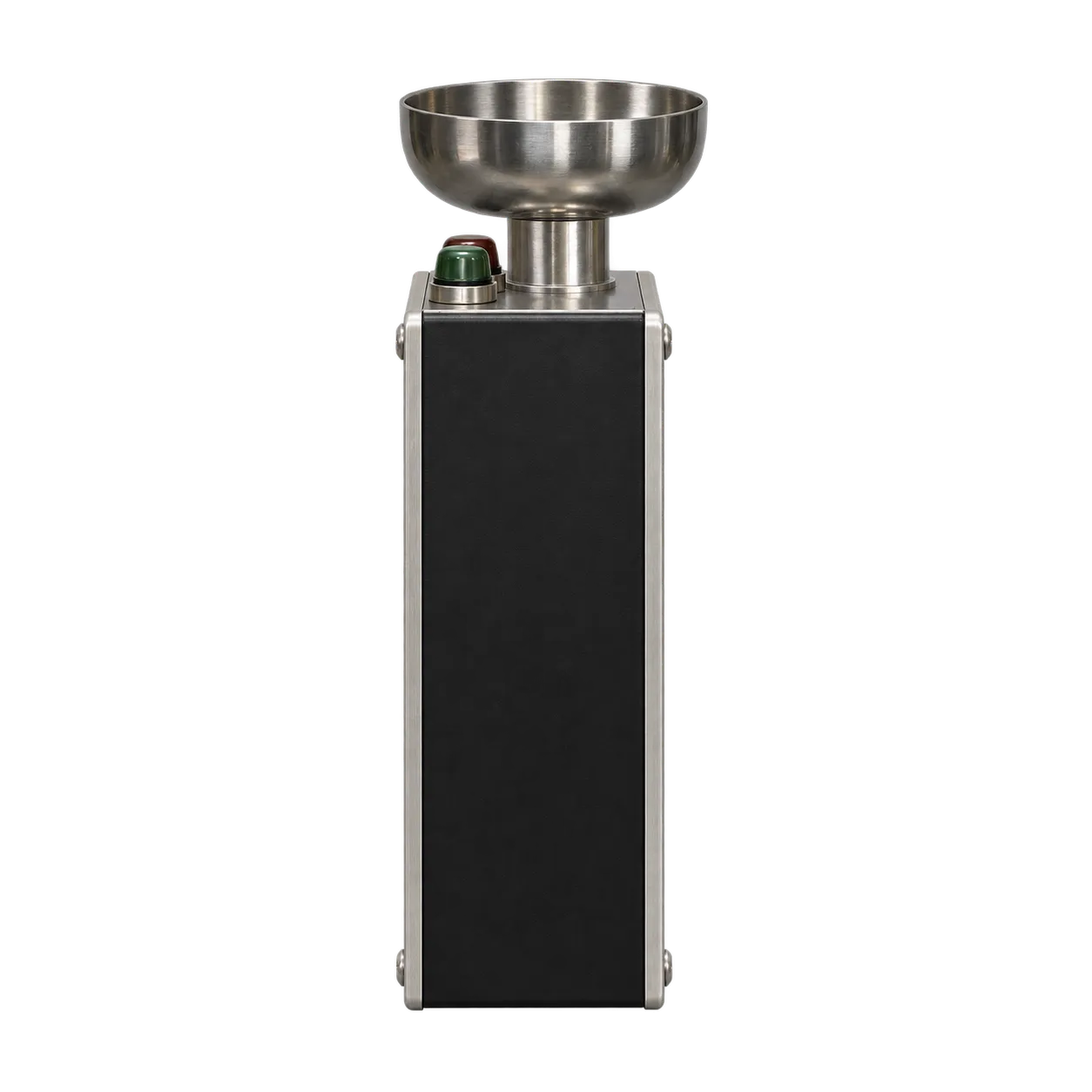
Biosafety cabinets sit in laboratories where samples are handled with care, and the Ammonium Hydrogen Carbonate Neutraliser is part of the routine that follows formalin sterilisation of such a cabinet. Its natural settings are laboratory and pathology departments that run biosafety cabinets and fumigate them with formalin.
The people who work with the stage are the laboratory technicians who run the cabinet and the laboratory managers who schedule it. A technician meets a stage with one agent, ammonium hydrogen carbonate, and one running time of 8 hours. That stage sits directly after a sterilising stage of the same length, so the sequence reads in two clear parts from start to finish.
A manager meets the same stage as a scheduling figure. The 8-hour running time can be entered in a cabinet rota, written into a log, or added to a maintenance plan, and it stays the same whenever the stage is run. A fixed length also makes the stage easy to hand over between shifts, because every staff member reads the same figure.
The use itself is specific and clearly stated. The neutraliser takes the formalin that sterilised the cabinet and neutralises it with ammonium hydrogen carbonate. Laboratories that already fumigate their biosafety cabinets with formalin therefore find the closing step named, timed and tied to one agent. That clarity helps teams explain the sequence to new colleagues, record each run in the same way and plan cabinet availability around a known period. Each of these uses draws on the same two facts: the agent and the running time.