
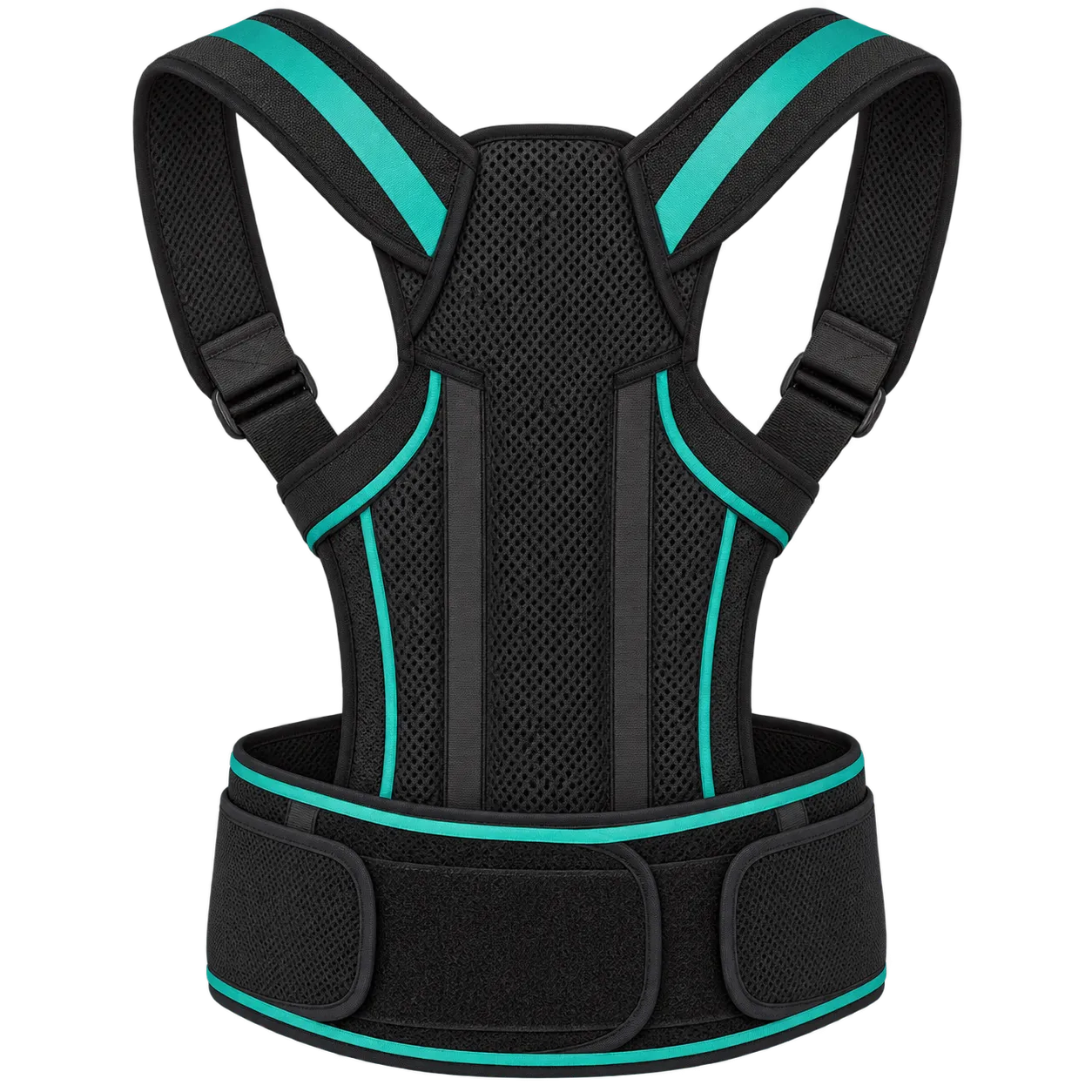
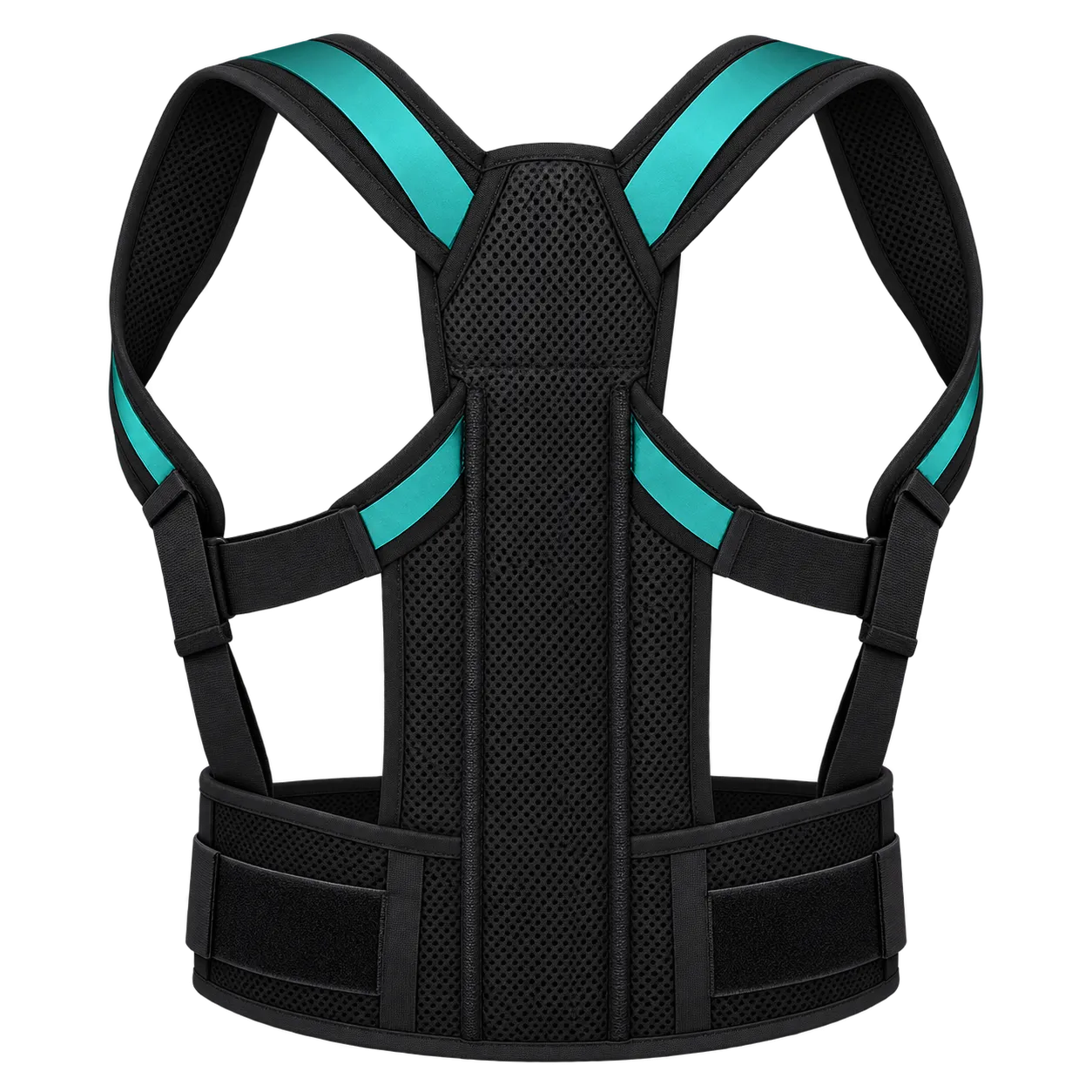
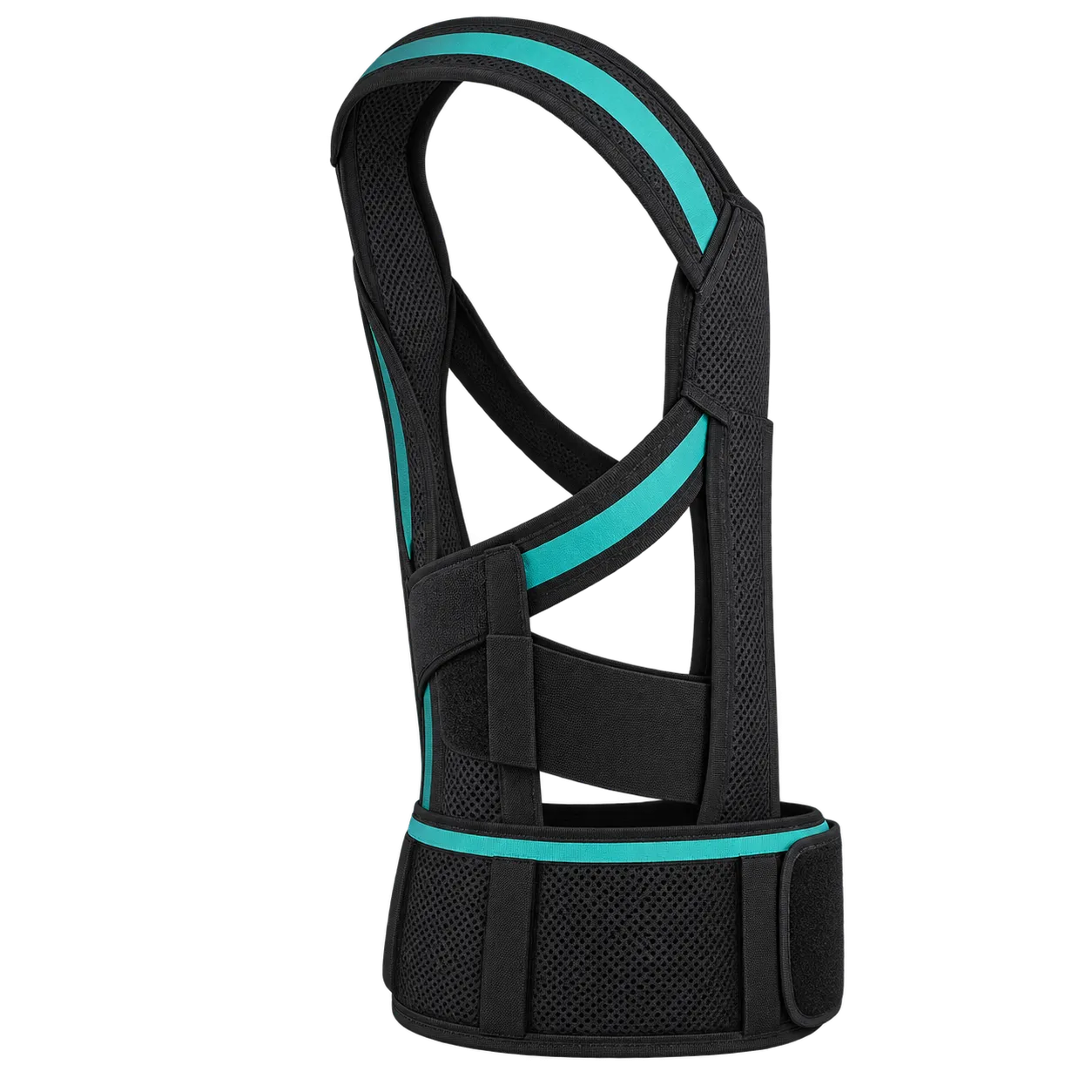
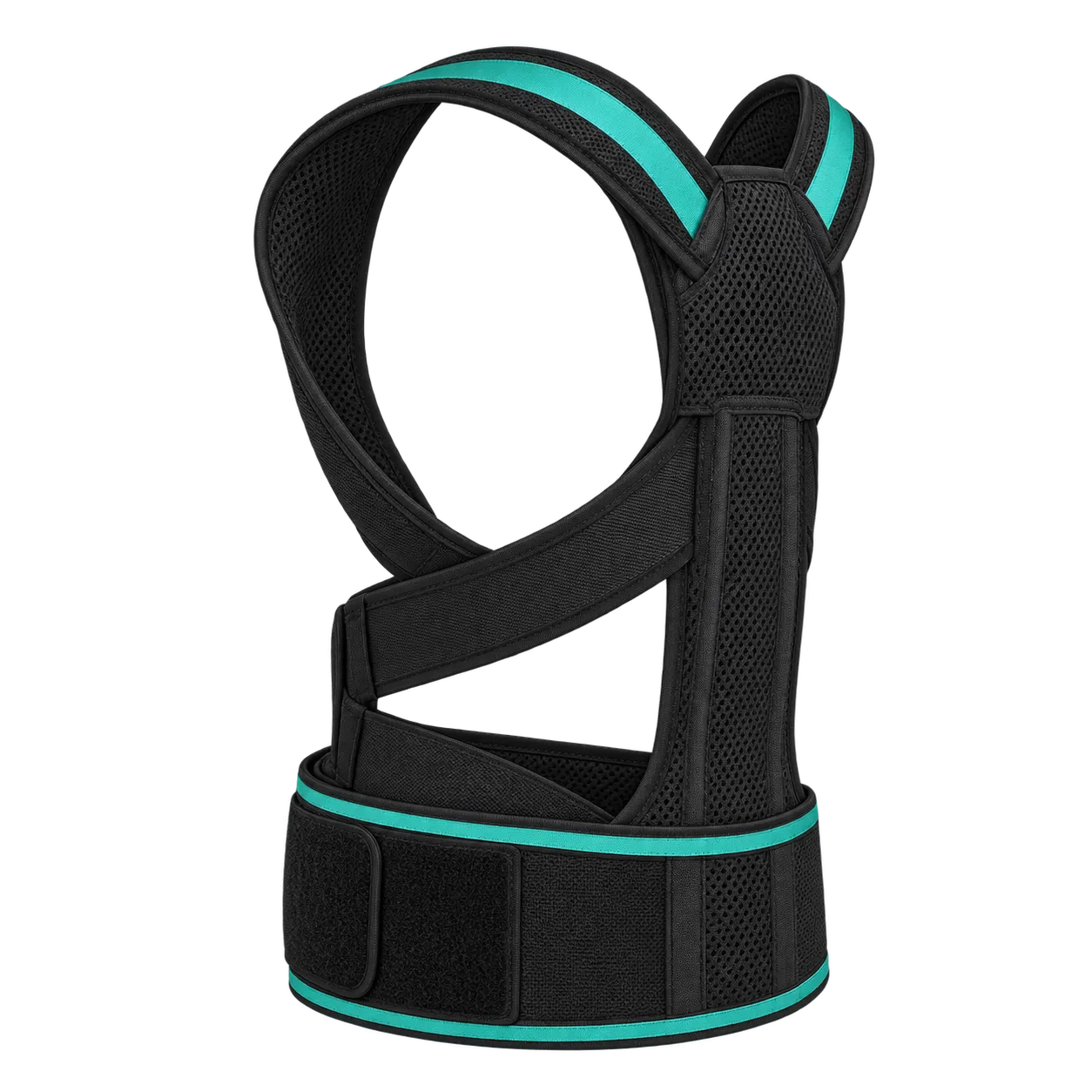
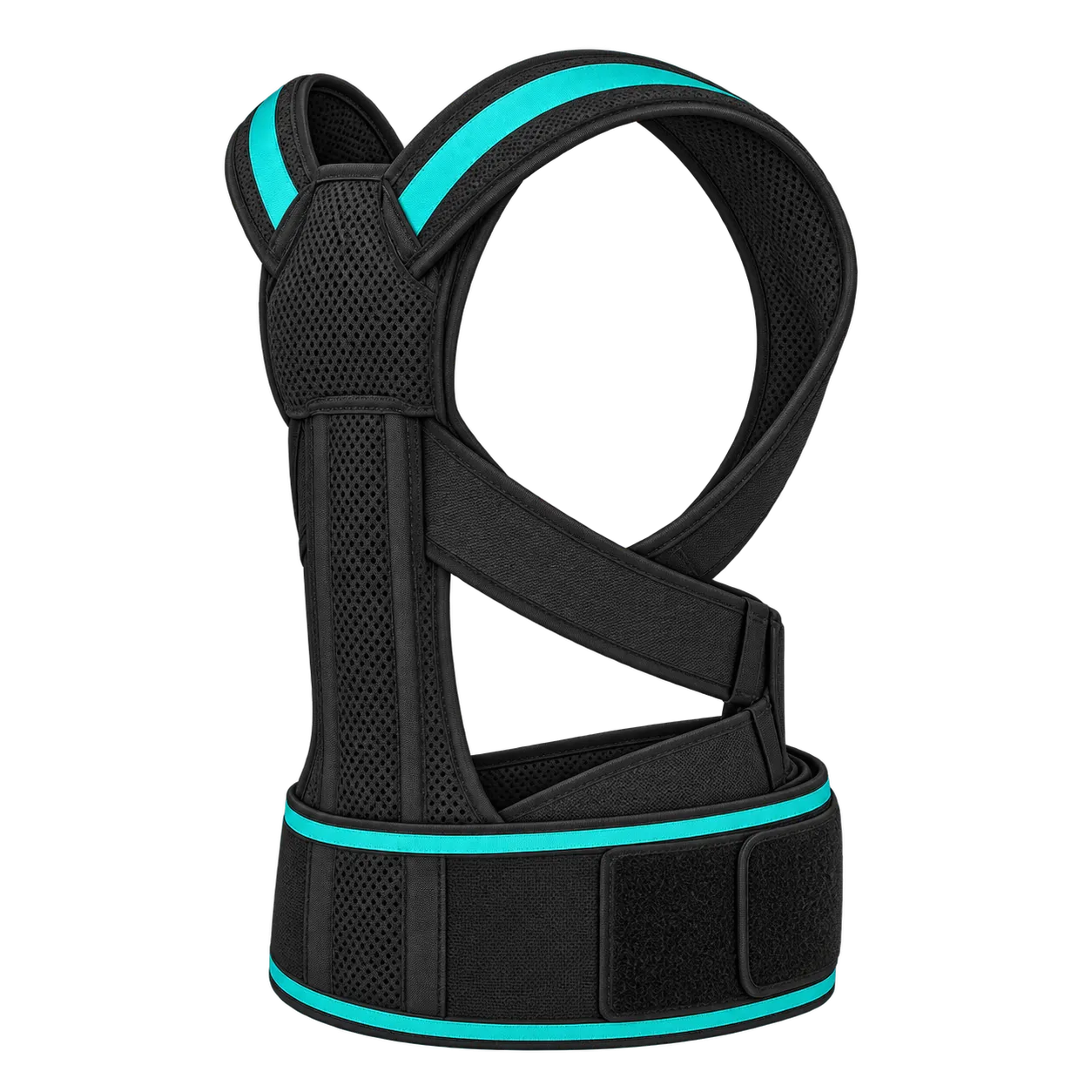
Chiropractic and osteopathy practices can issue the BL-92003 as an awareness aid within a treatment plan, fitting it at one visit and reviewing it at the next. Workplace health providers and ergonomics assessors can add it to their options for home-based and hybrid staff after a display screen assessment. HSE guidance applies the display screen equipment rules to people who work at home long term and lets trained workers complete their own assessment, with a waist measurement taken at home to support that remote routine. Staff wellbeing teams in hospitals and practices can also hold it for call-handling and administrative roles that keep people at a screen for most of a shift. Each setting can record who was fitted, in which size, and when the review falls due.
The evidence base for a posture corrector is narrow. Posture has not been shown to cause low back pain, according to a 2020 umbrella review of 41 systematic reviews, and NICE guideline NG59 rules out belts and corsets for managing that pain. Older adults with a rounded upper back need a medical assessment first, since osteoporosis-related vertebral fractures can cause kyphosis. People with respiratory conditions need advice before wearing anything that wraps the trunk. Teenagers showing uneven shoulders or a rib hump need a GP appointment and, where scoliosis is confirmed, care from a specialist team.
NHS frameworks and public tenders in other health systems are procurement routes that ask for a device's conformity status and registration details. The conformity documentation those procurement routes require is issued by the manufacturer and shared by the enquiry team.