
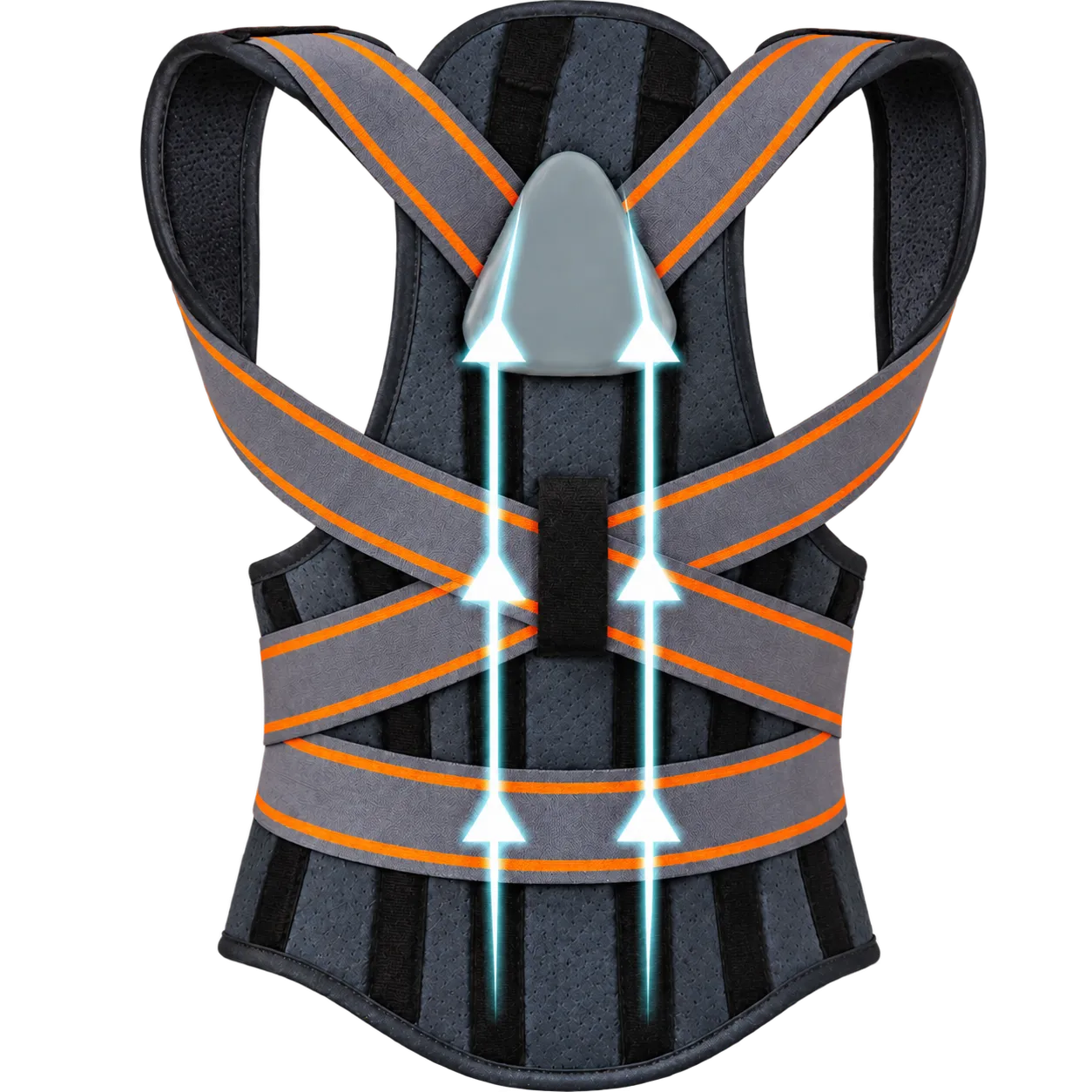
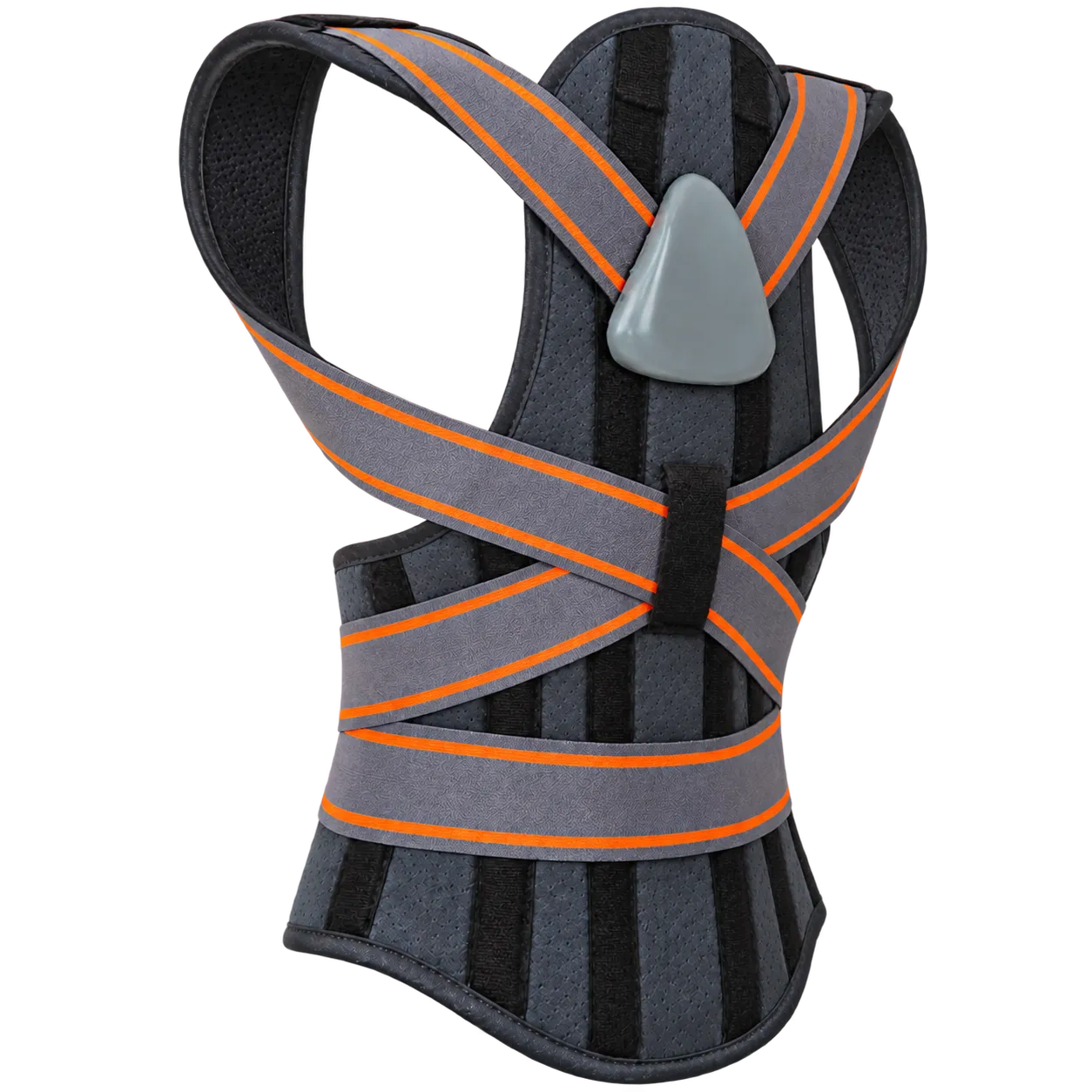
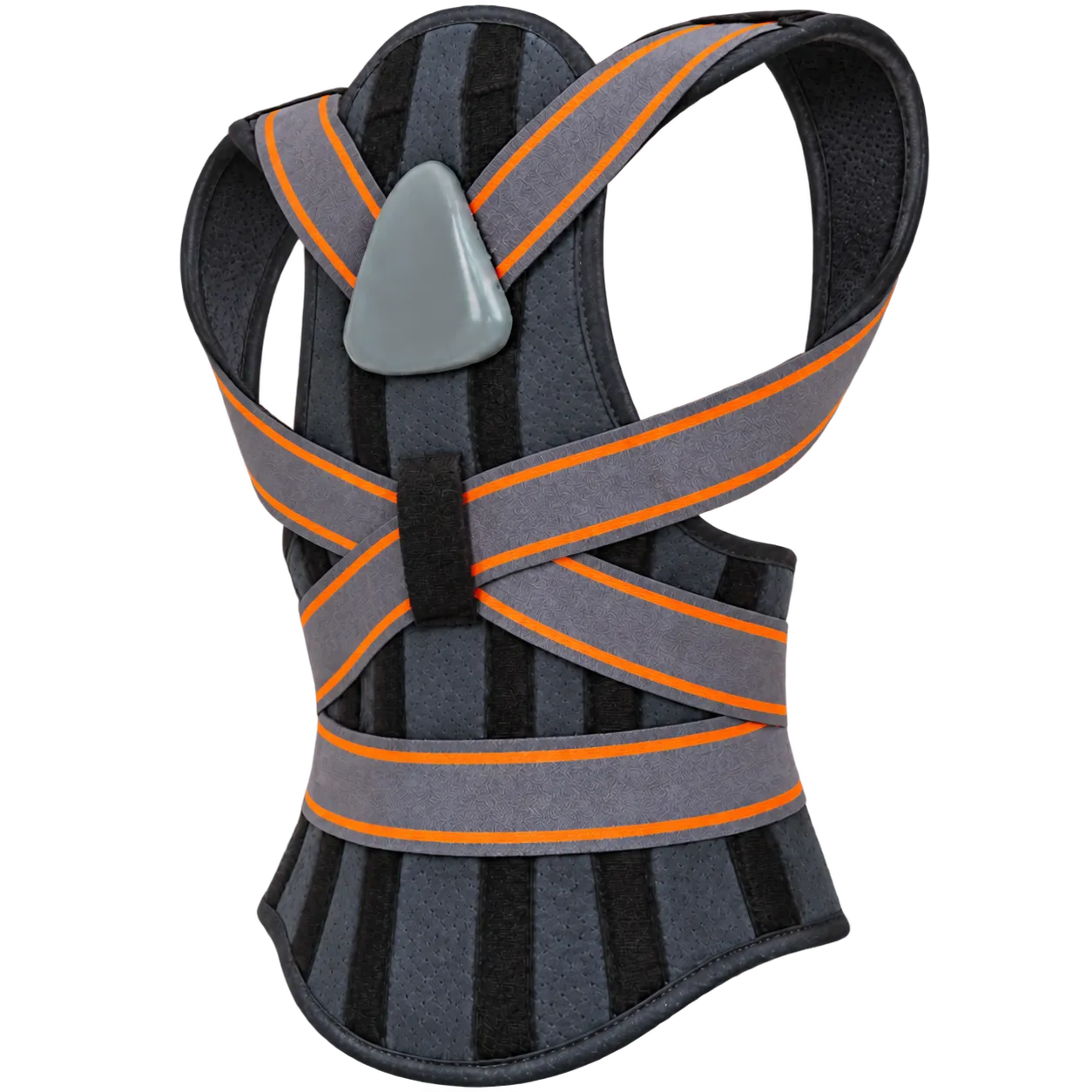
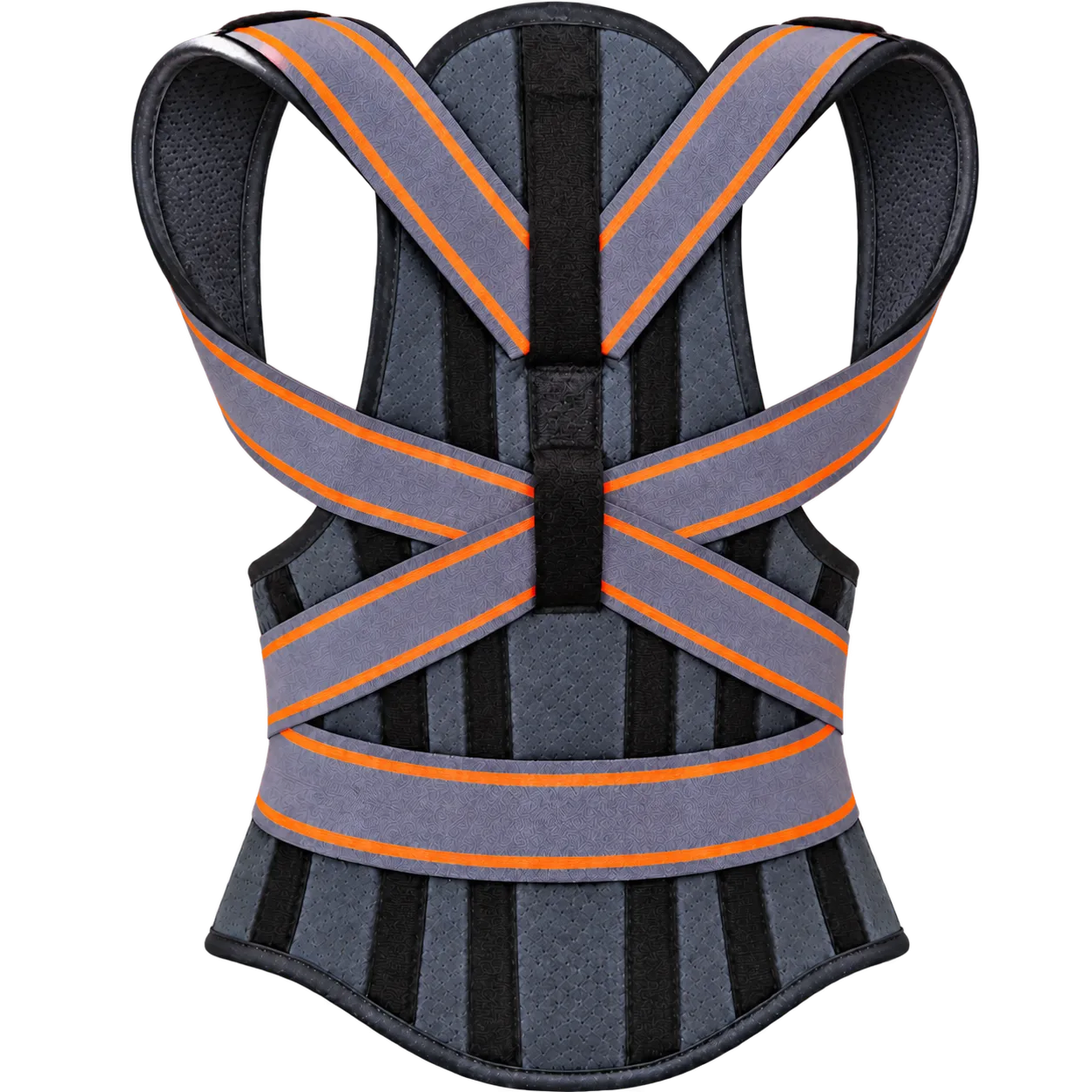
Physiotherapy and musculoskeletal clinics can use the BL-92002 as a short-term postural prompt for adults who spend long hours at a desk, issued alongside an exercise programme and reviewed at follow-up. Occupational health services supporting office-based workforces can add it to workstation advice for staff who want a physical reminder between breaks, after the display screen equipment assessment that UK employers must carry out for regular screen users. Community pharmacies and orthotic suppliers that stock off-the-shelf supports can hold all five sizes against one waist measurement. In each setting, the professional issuing it decides how long it is worn and when it is set aside. Review appointments are the natural point to check the skin under the straps and agree whether to continue wearing them.
The evidence frames that role. An umbrella review of 41 systematic reviews found no consensus that particular spinal postures cause low back pain. NICE guideline NG59 also tells clinicians not to offer belts or corsets for managing low back pain, which places the brace outside back pain pathways. Older adults worried about a rounding upper back need a medical review before any brace, because kyphosis can follow vertebral fractures linked to osteoporosis. Adolescents need particular care too. A teenager with suspected scoliosis or Scheuermann's kyphosis belongs with a specialist team, and NHS guidance describes scoliosis bracing in growing children as worn for around 23 hours a day under specialist supervision.
NHS procurement routes and public buyers in other markets ask for a device's conformity position and registration. The manufacturer issues the conformity documentation those procurement routes require, and the enquiry team shares it.