
.webp)
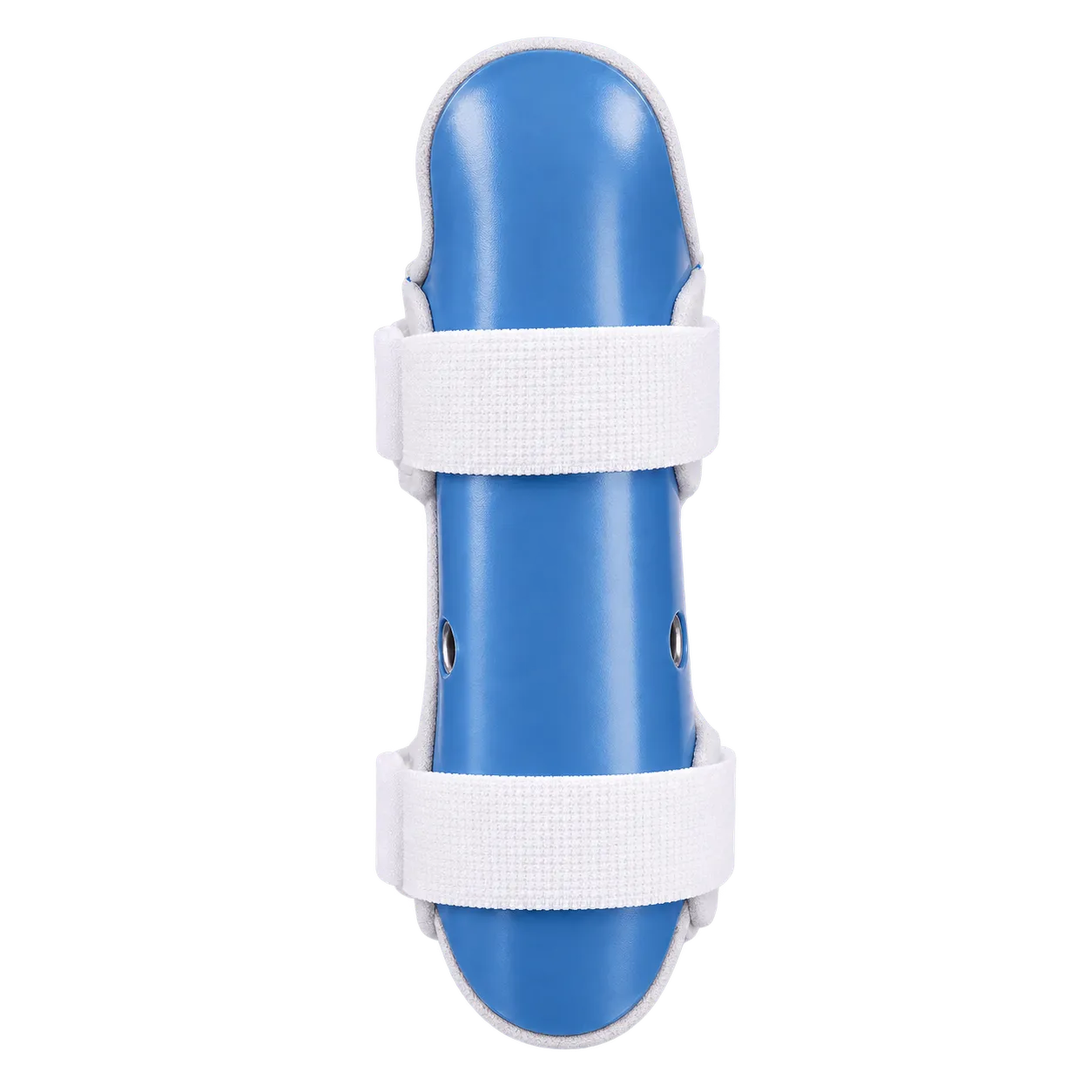
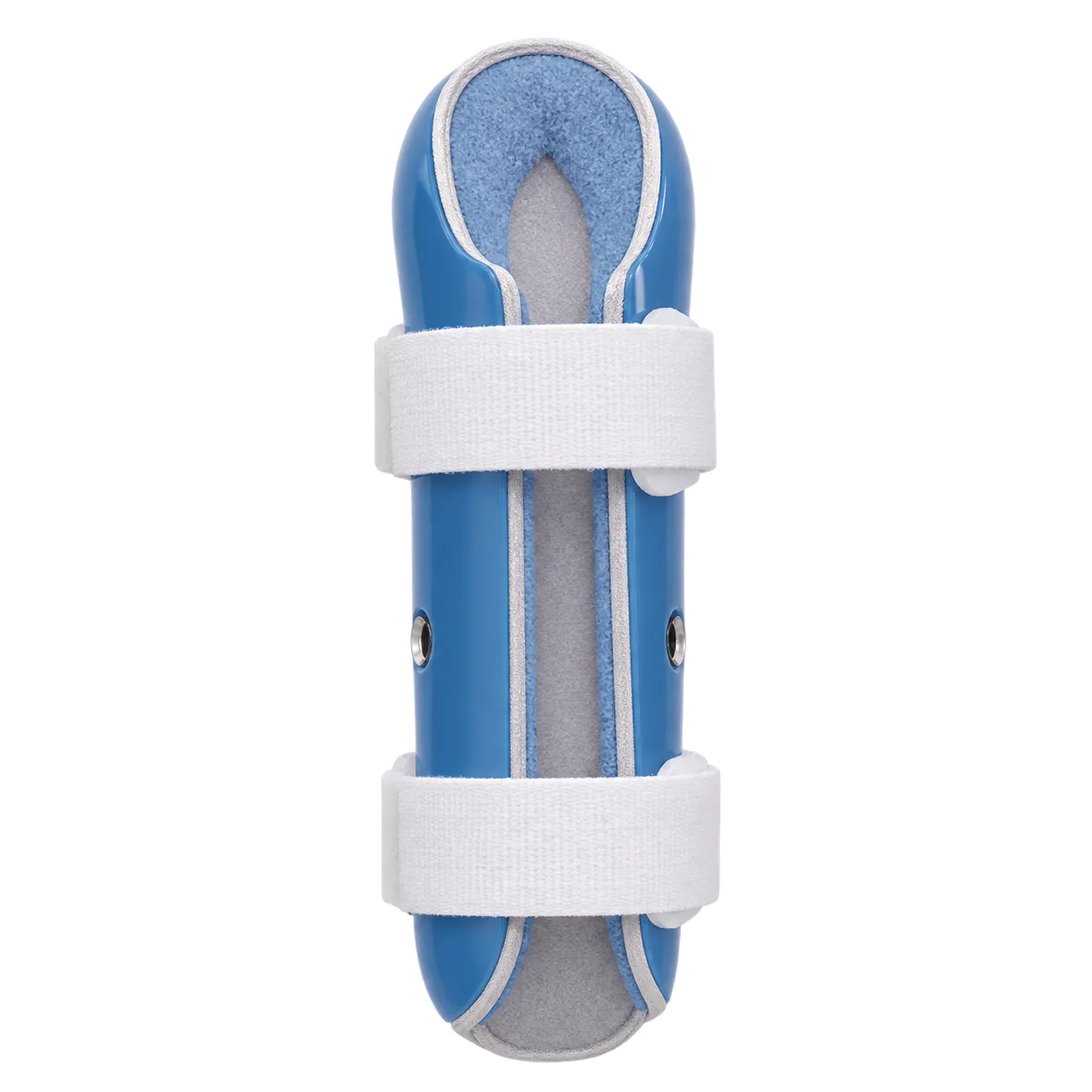
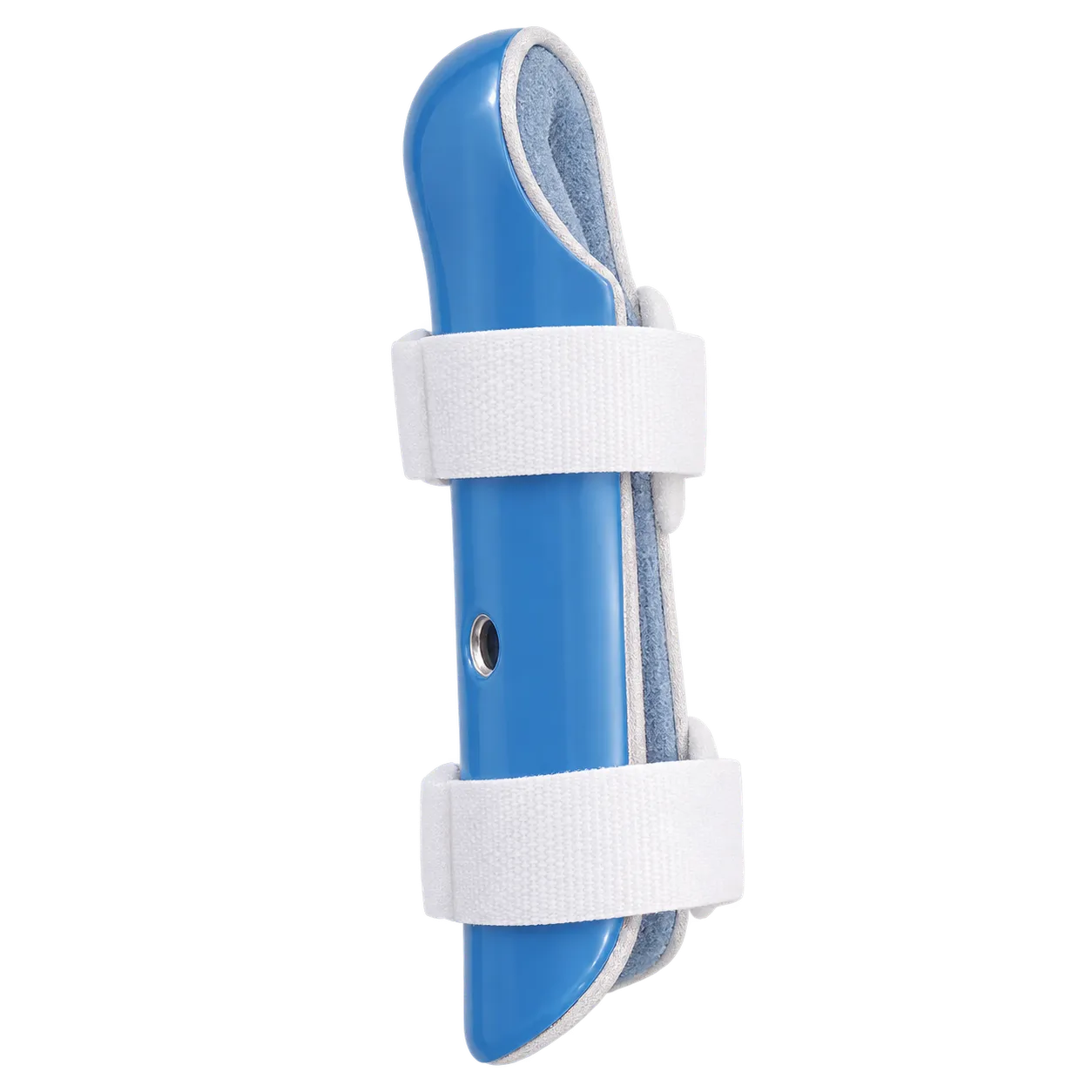
Emergency departments and minor injury units can issue the BL-86222 for mallet finger and stable finger injuries after assessment, sizing it by finger length and bending it to the angle the clinician sets. Hand therapy services can manage the long splinting period for mallet finger by checking the skin and teaching patients to change the splint without letting the fingertip drop. Fracture clinics and hand surgery services can use it for stable phalangeal fractures and after finger surgery where their protocol allows a prefabricated splint. Sports medicine teams and occupational health services can use it for finger sprains and strains once a fracture has been excluded and a date for starting movement is planned.
The workflow carries risks. Fractures that leave the finger rotated or shortened, open wounds, and suspected tendon cuts need a hand surgery opinion before choosing any splint. During a mallet regime, the fingertip must not bend when the splint is changed, the skin over the back of the joint needs regular checks, and damp padding should be dried or replaced. Joints outside the splint should keep moving, and every patient needs a review date and a clear point of contact—written instructions on how to change the splint safely help patients follow a long-term regimen at home.
NHS trusts and public health systems abroad purchase through procurement routes that ask for a device's conformity status and registration. The conformity documentation those procurement routes require is issued by the manufacturer and shared by the enquiry team.