
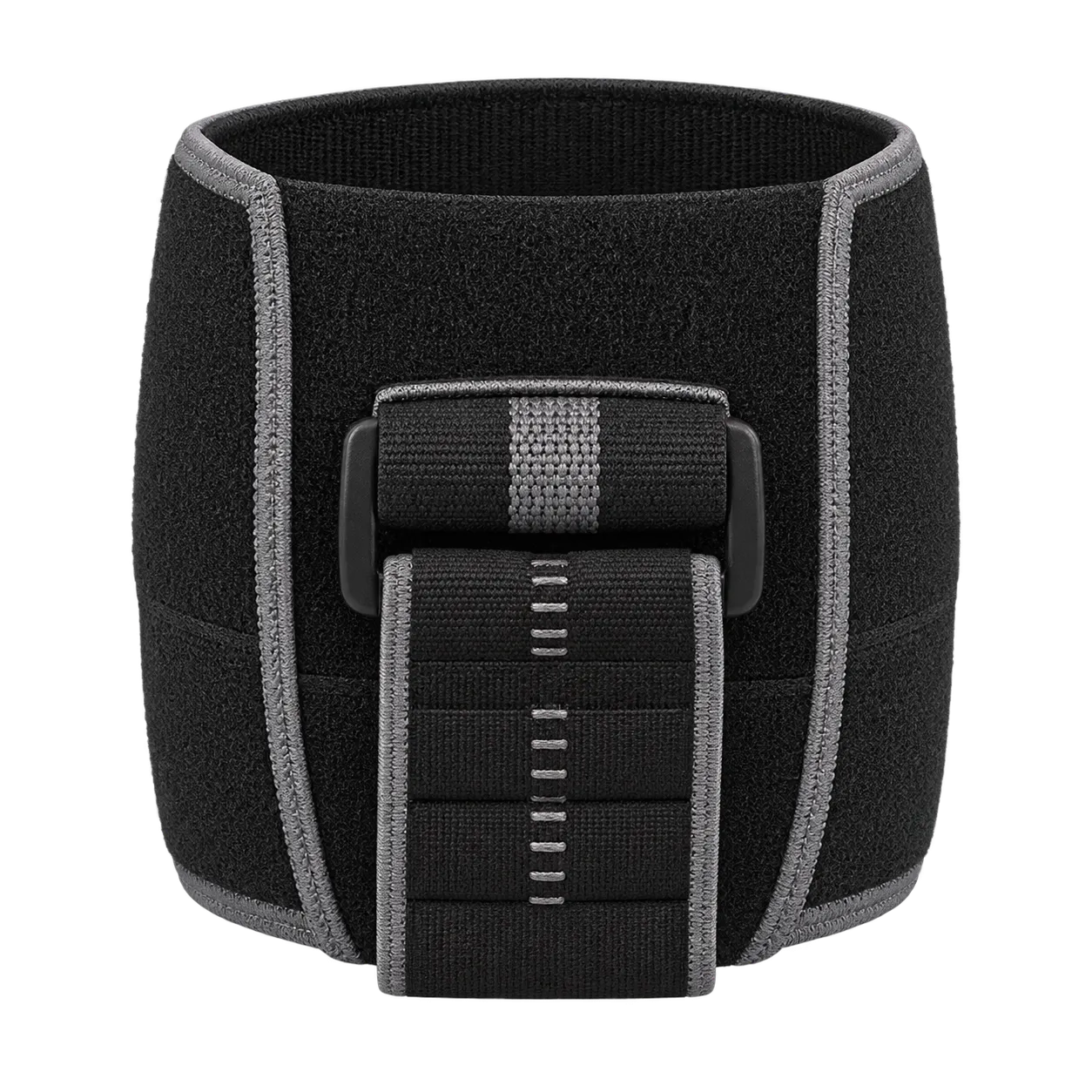
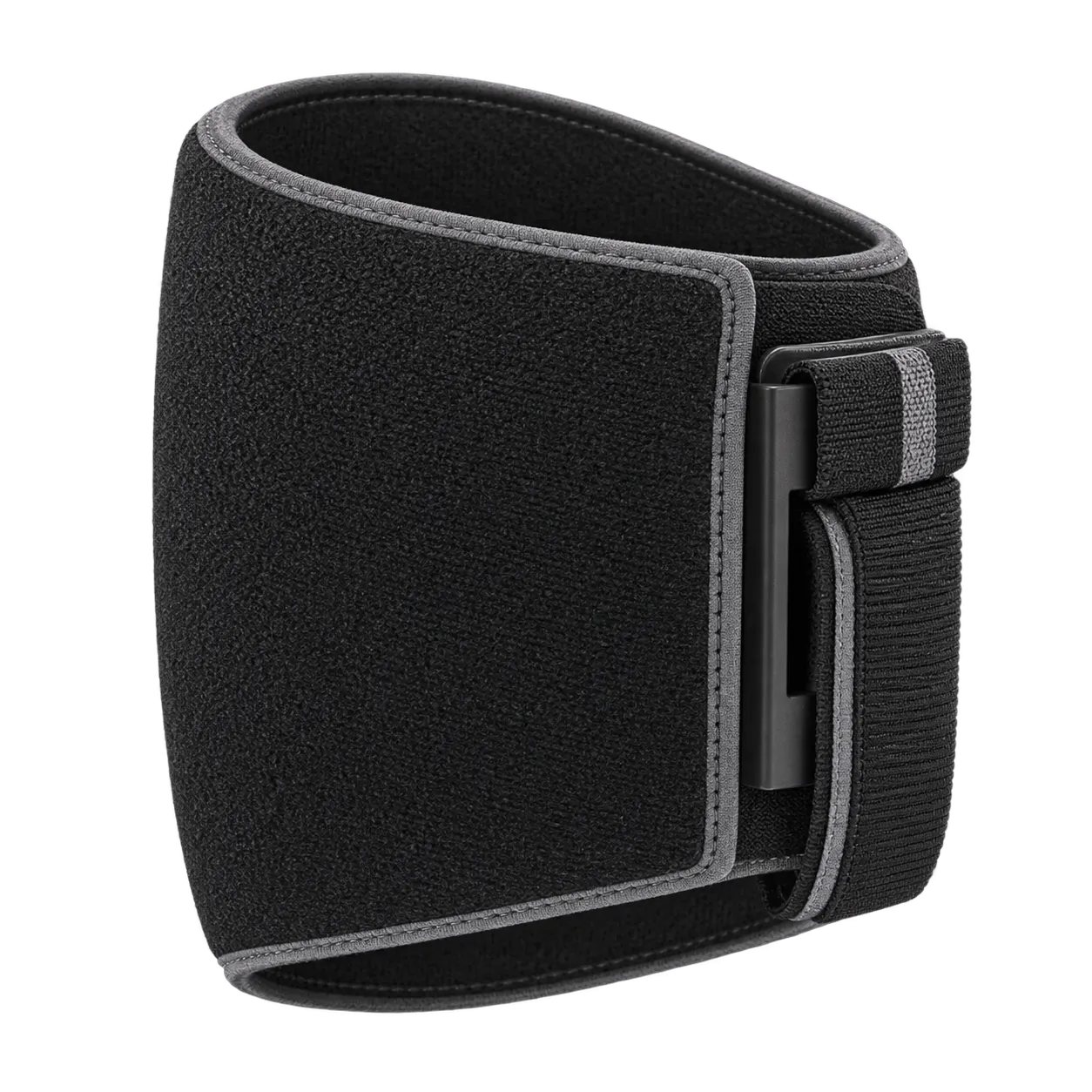
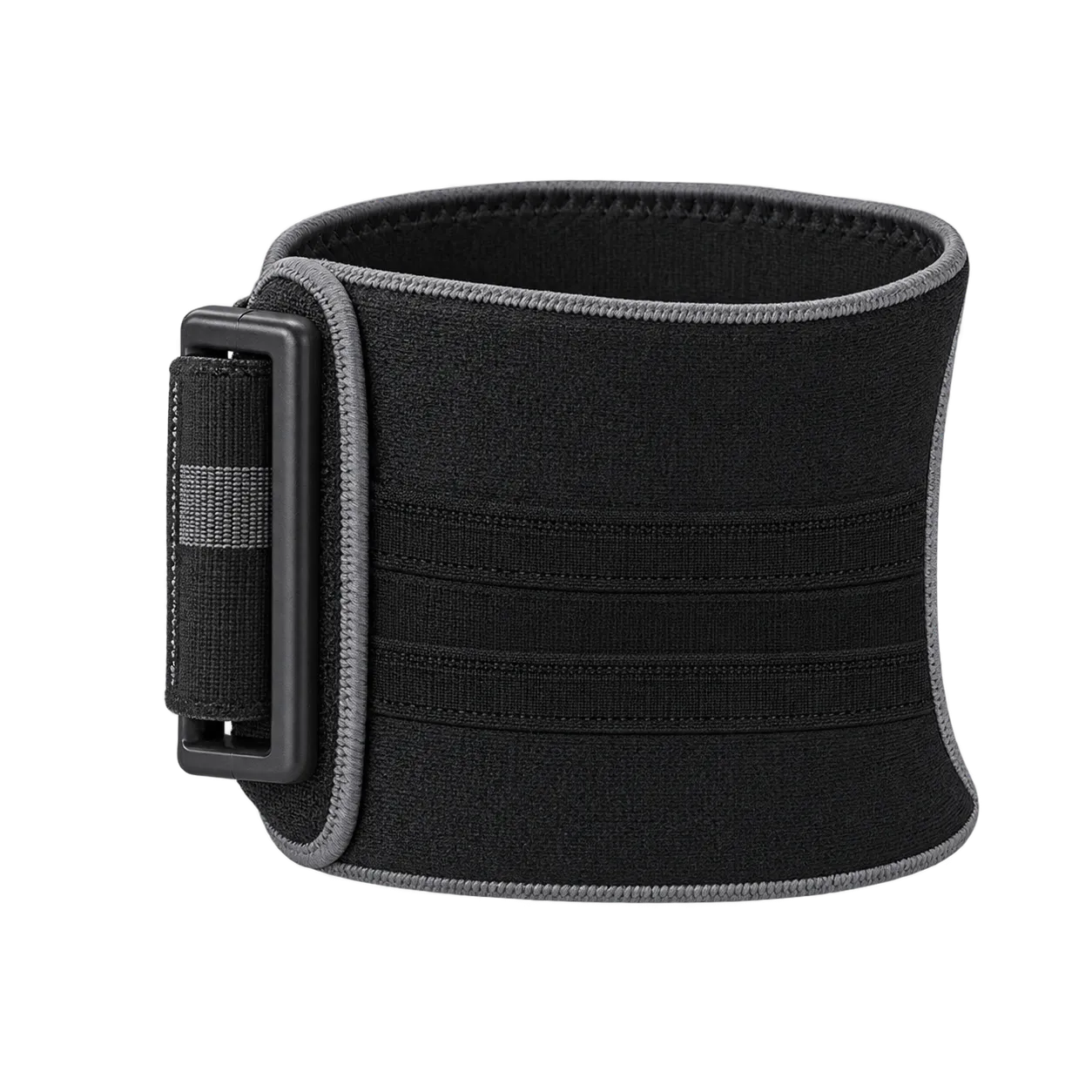
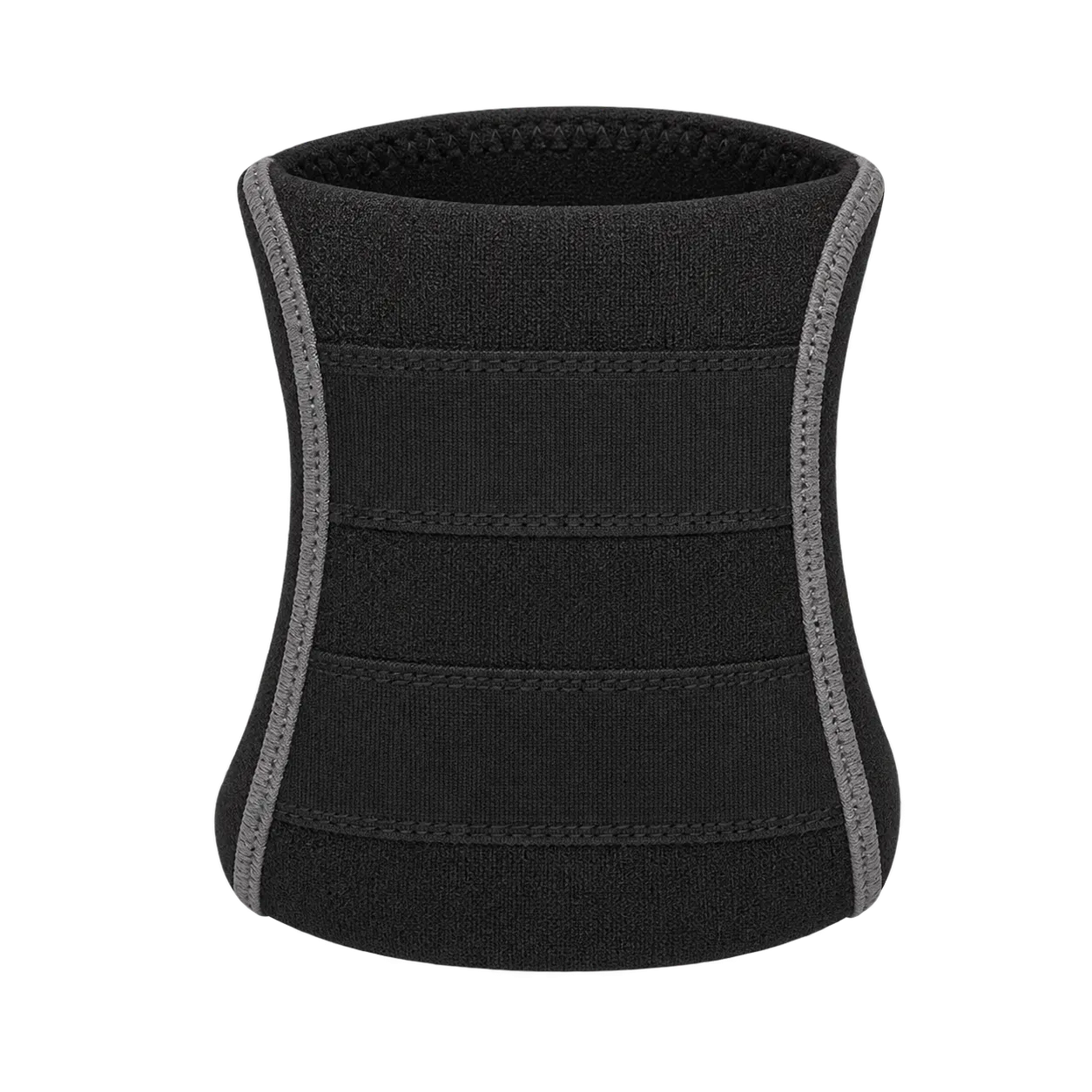
Physiotherapy services running exercise programmes for tennis elbow can use the BL-82019 to record strap tension in the notes, check it at each review, and repeat it at home. First-contact physiotherapists in primary care can issue it at the first appointment with the reading recorded, so a later clinician sees exactly how it was set. Occupational health and ergonomics teams can use it for workers whose jobs involve repeated gripping, with the recorded mark keeping tension the same at work and at home. Hand therapy and sports physiotherapy clinics can use the same recorded readings when a patient moves between services.
Services auditing their tennis elbow pathway gain a practical benefit: the printed scale gives a consistent measure of how straps were applied. The limits stay the same as for any strap. NICE describes the evidence for orthoses as limited and conflicting, so the strap supports an exercise programme and does not replace it. Red flags such as swelling, fever, deformity or hand numbness need assessment first; arms outside the 8.7 to 12.6 in range need another product, and hook-and-loop edges should be checked for rubbing on the skin. Staff should show patients how to read the scale and where to mark it before they leave, and readings should be rechecked if the arm swells.
Trust procurement teams and public buyers in other health systems use procurement routes that ask for a device's conformity status and registration. The conformity documentation those procurement routes require is issued by the manufacturer and shared by the enquiry team.