
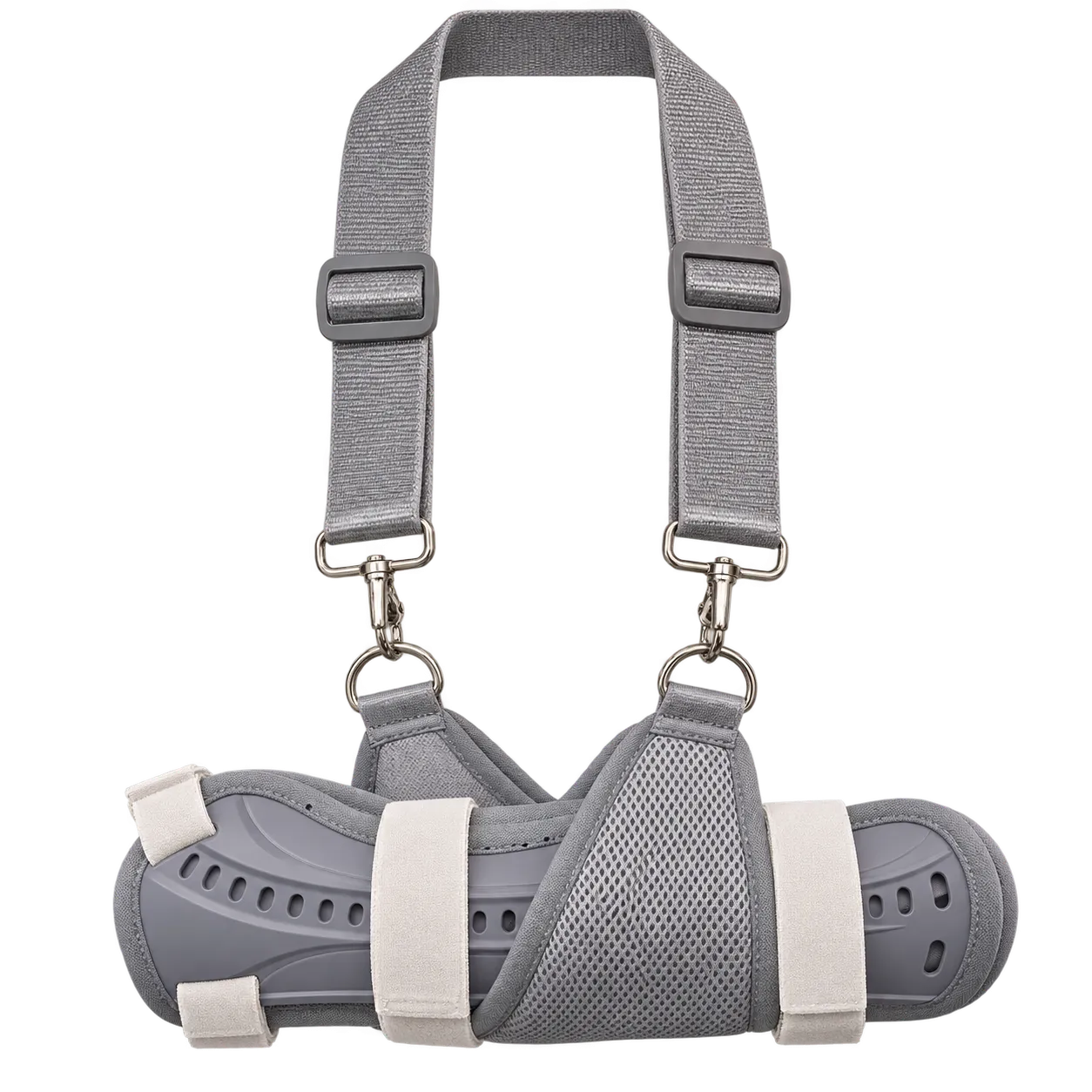
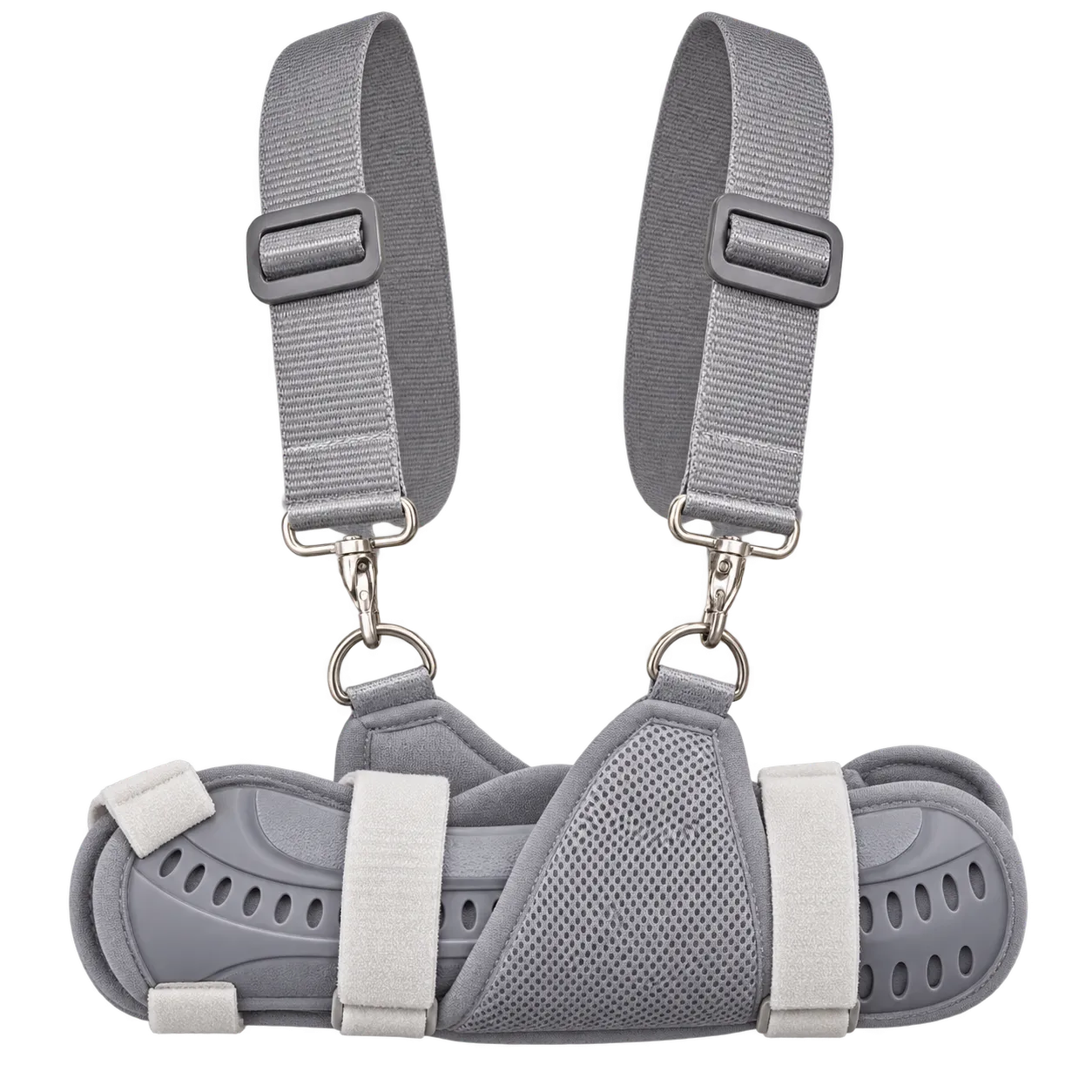
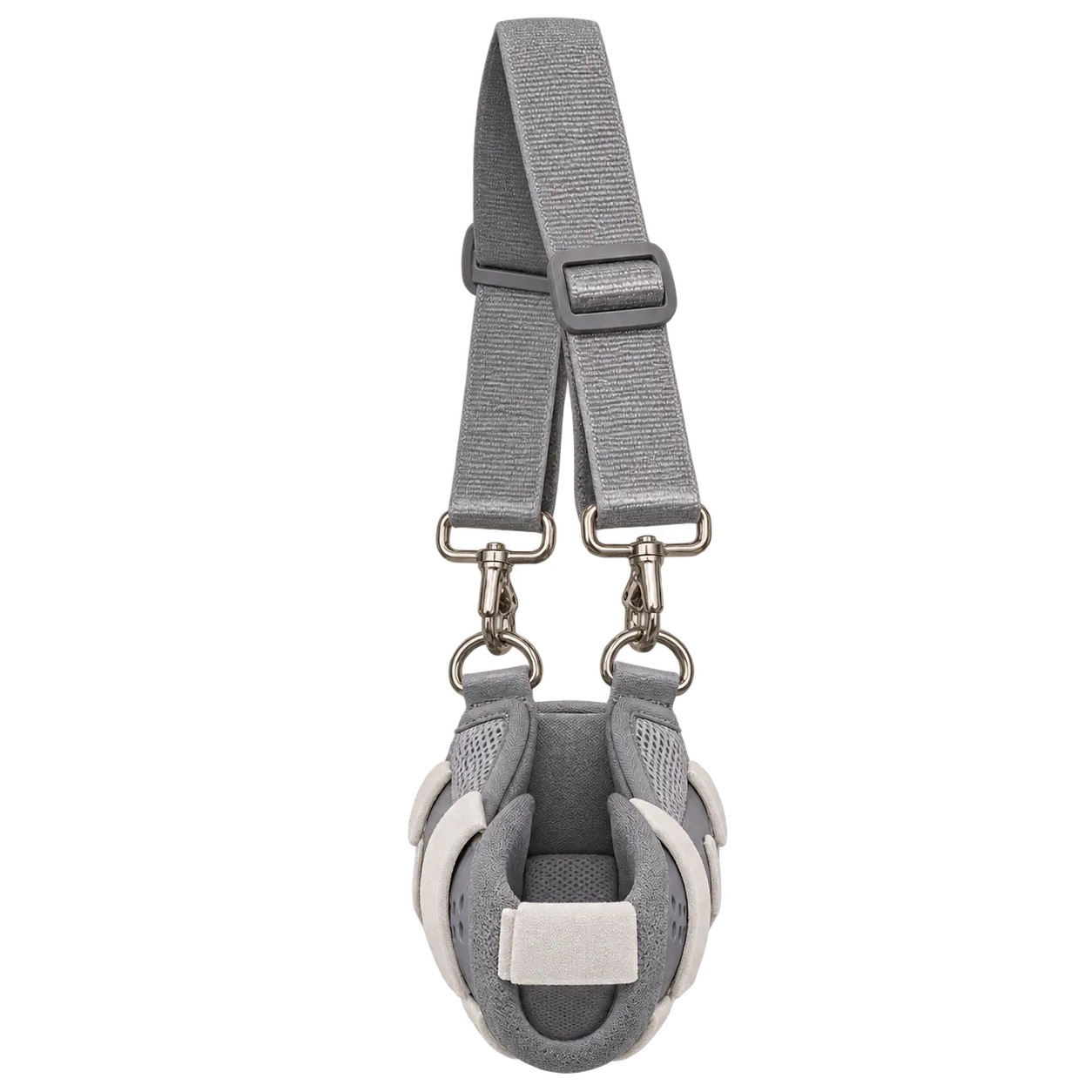
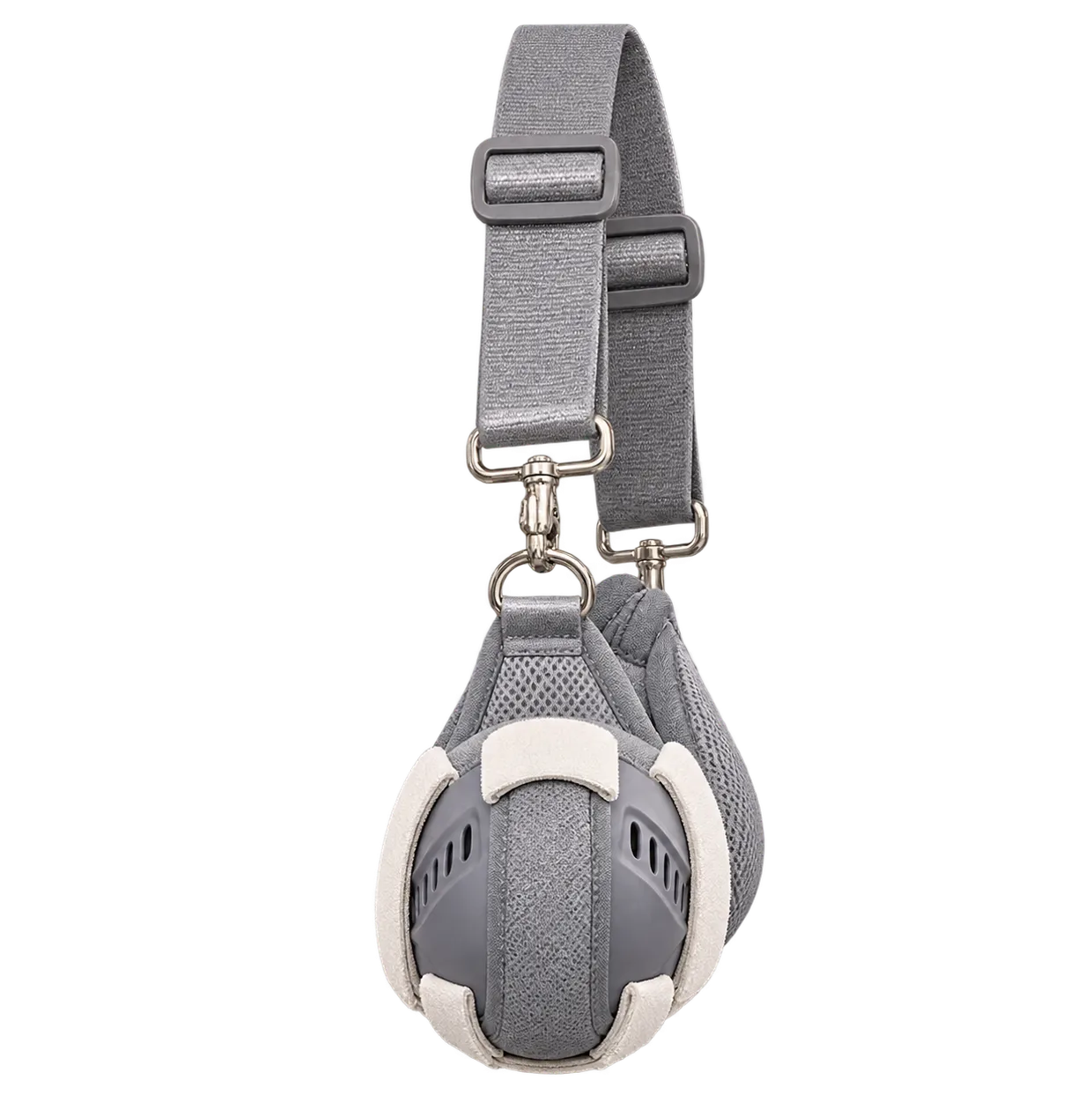
Fracture clinics and emergency departments can use the BL-82013, where the treating clinician chooses a removable splint, for example, for a stable injury or after cast removal, with the sling for the first days of swelling. Hand therapy and physiotherapy services can set the wrist angle for carpal tunnel night splinting or for ligament injuries, then reduce wear as rehabilitation allows. Primary care and community MSK services can issue it for mild to moderate carpal tunnel syndrome, set to neutral for night wear in line with NICE's clinical knowledge summary. Occupational health and sports medicine services can use it for a short period of rest for wrist strain or overuse, with the sling left off once the arm no longer needs support.
Imaging comes before bracing for fractures, dislocations and suspected scaphoid injuries, and displaced fractures may need reduction or surgery first. Severe carpal tunnel syndrome, with constant numbness or thumb weakness, needs referral for specialist assessment. Swelling, numbness, or colour change in the fingers means the straps need loosening and the patient needs review, and every issue should include advice to keep the fingers, elbow, and shoulder moving. Before the patient leaves, staff should see them take the brace off and put it back on correctly, and make sure they know who to contact if the fingers change colour.
Trust purchasing teams and public buyers in other health systems work through procurement routes that ask for a device's conformity status and registration. The conformity documentation those procurement routes require is issued by the manufacturer and shared by the enquiry team.