
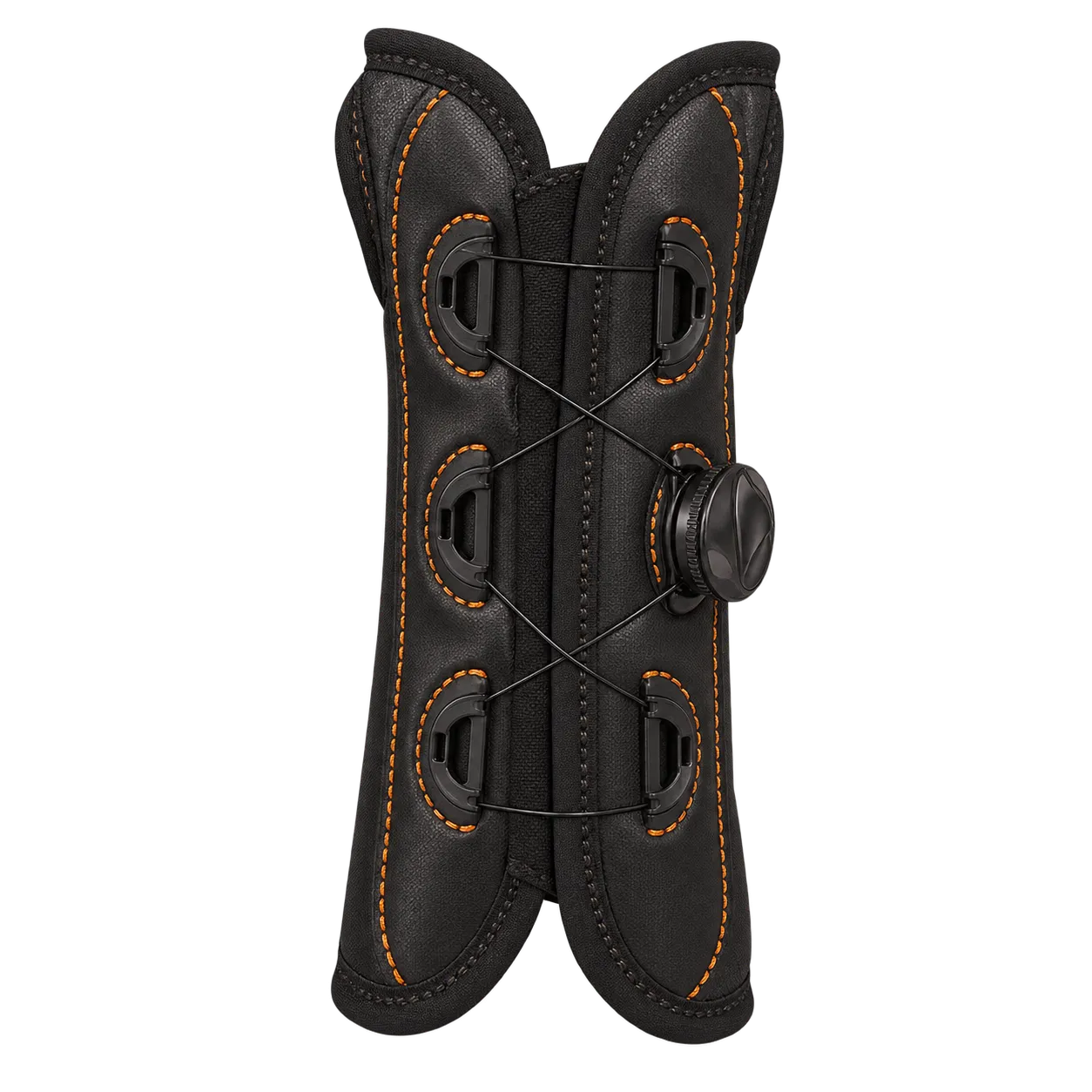
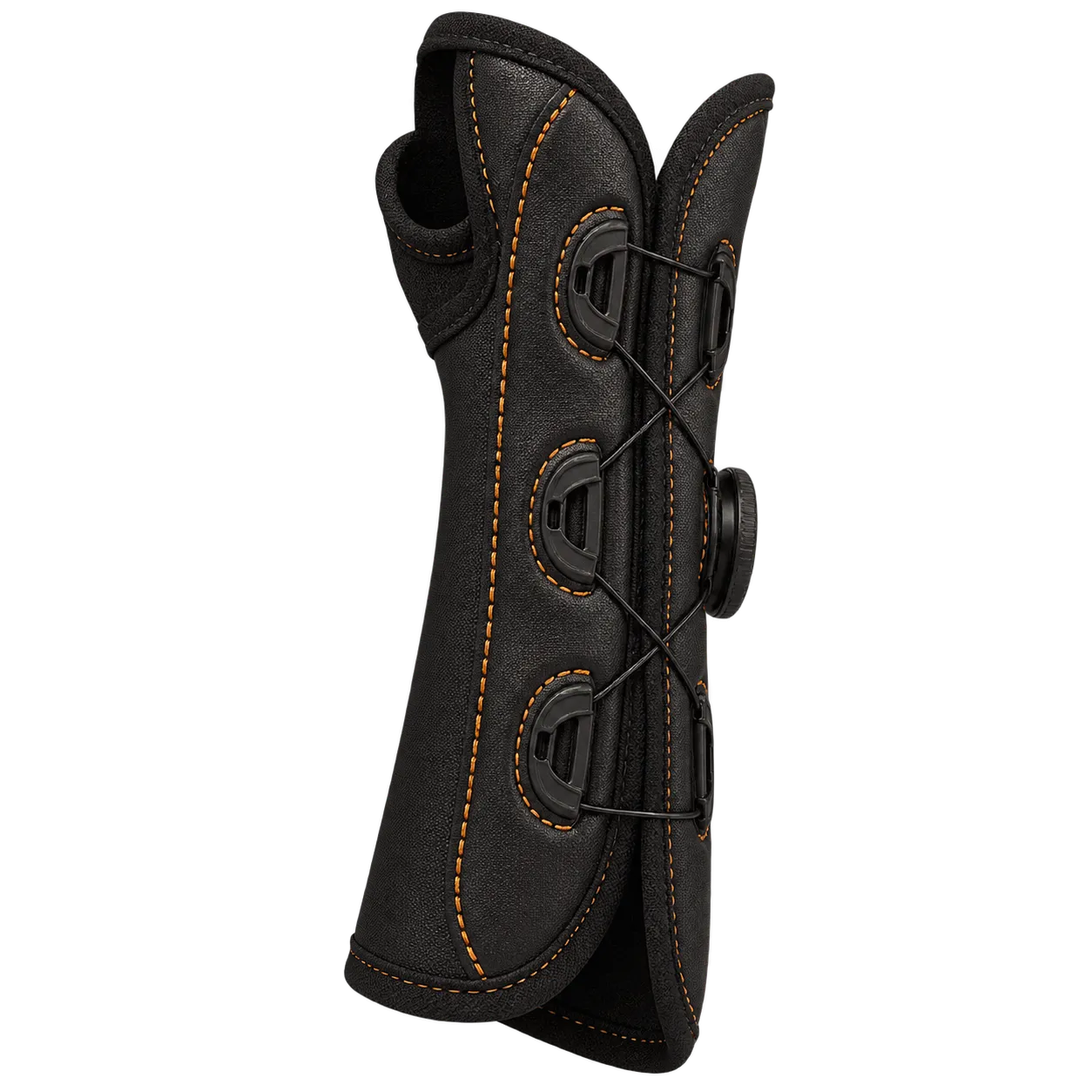
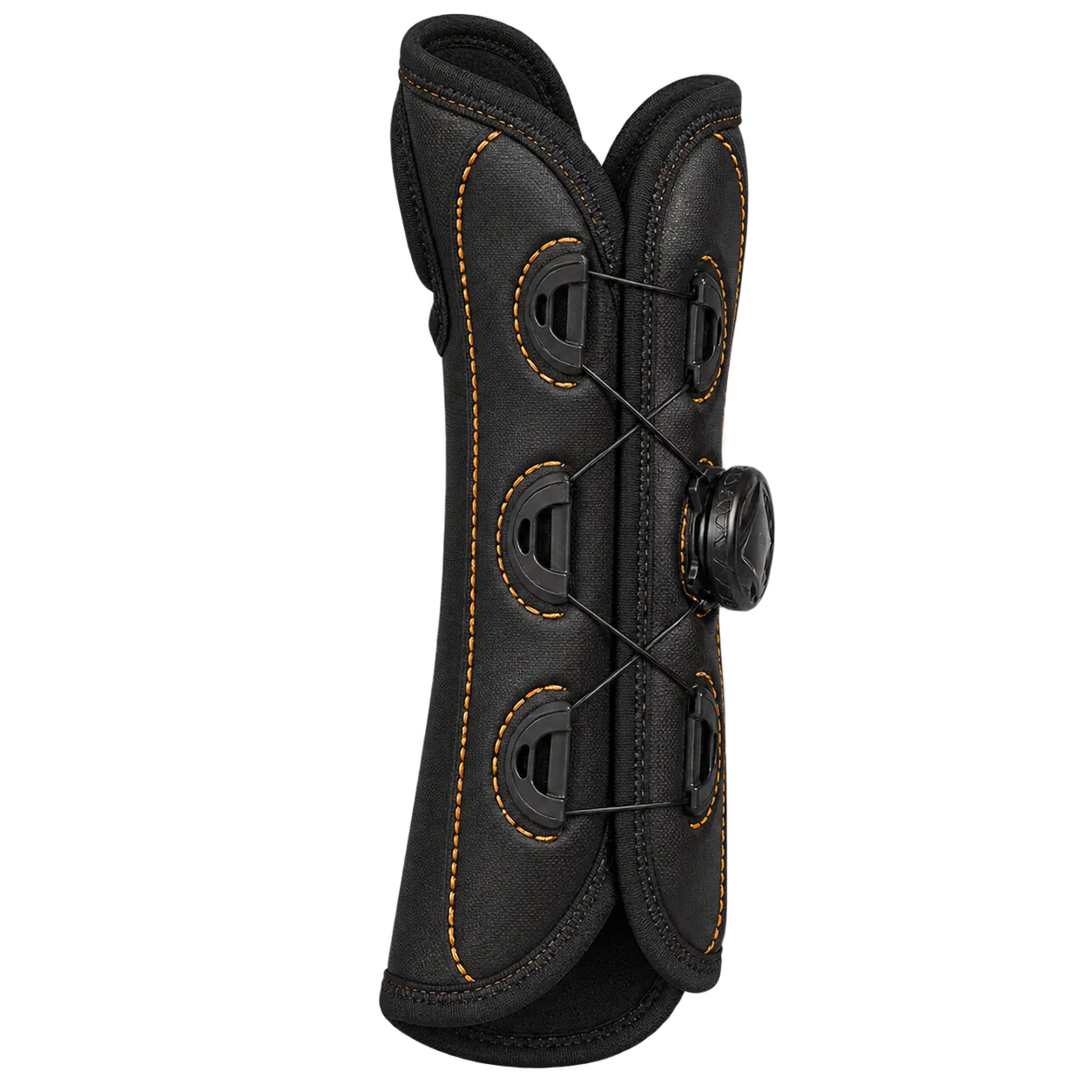
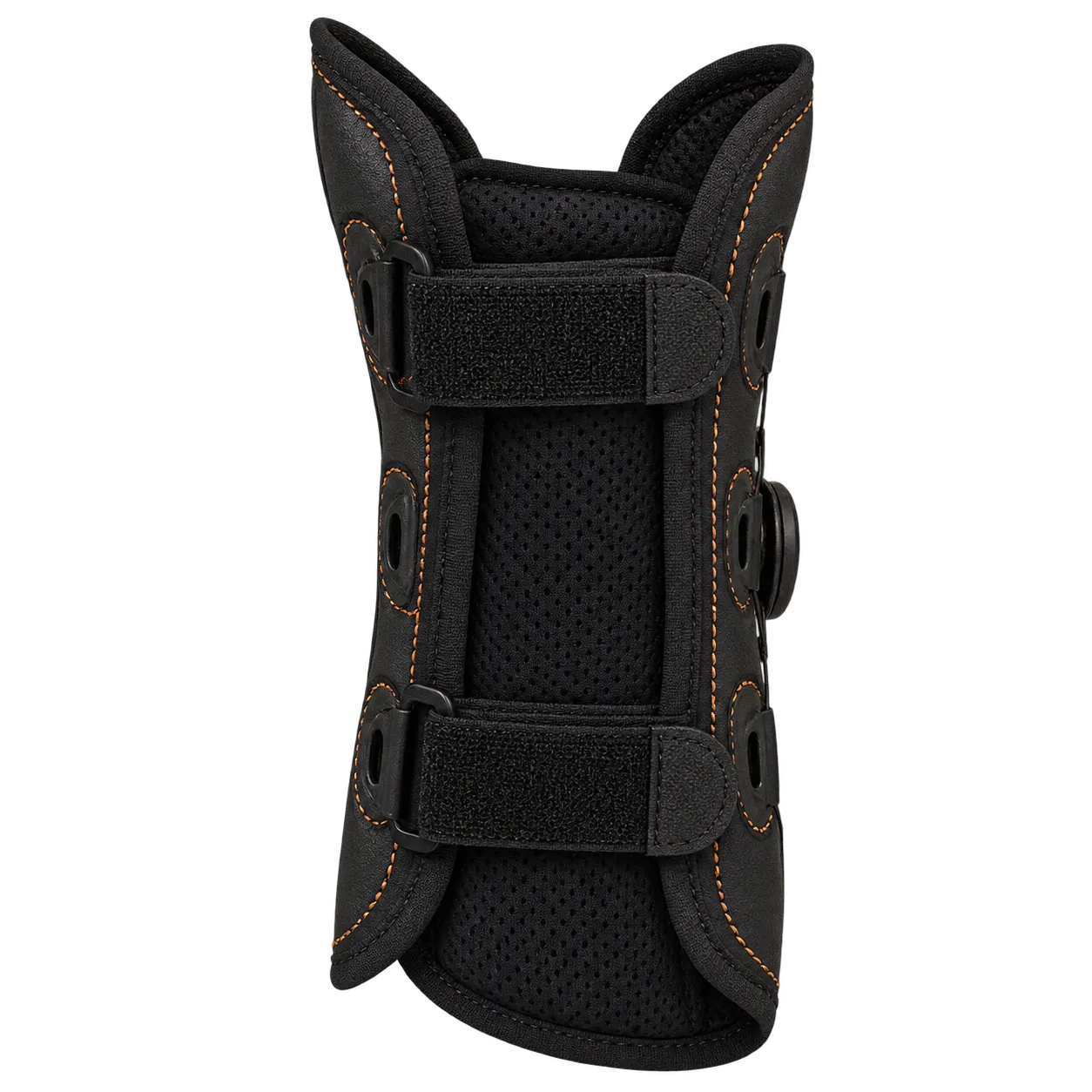
Hand therapy services can use the BL-82010 for De Quervain's tenosynovitis and thumb-base conditions once the manufacturer confirms that it encloses the thumb, and for wrist strains where a fine-adjustable immobiliser suits the patient. Musculoskeletal injection clinics can pair it with corticosteroid injection for De Quervain's on the same condition, following the 2023 evidence for combined care. Both uses depend on the manufacturer's answer for the thumb. Sports medicine and physiotherapy clinics can issue it for wrist sprains, strains and ligament injuries in active patients, using the dial to change tension between activity and rest. Occupational health services can issue it for wrist strain linked to repetitive tasks, as a short-term measure alongside a review of the work itself.
Assessment comes first. Suspected fractures, including scaphoid injuries, need imaging, and unstable ligament tears need specialist review before a prefabricated brace is used. The dial makes it easy to overtighten, so every issue should include checking finger colour, warmth, and sensation, and advice on releasing the tension. Wear plans should name a review date and the point at which the brace is reduced. Patients with diabetes or reduced sensation need particular care, because they may not feel a brace that is too tight. The first fitting should end with the patient releasing and re-tightening the dial themselves.
Procurement teams in NHS trusts, and their equivalents in other health systems, use procurement routes that ask for a device's conformity status and registration. The conformity documentation those procurement routes require is issued by the manufacturer and shared by the enquiry team.