
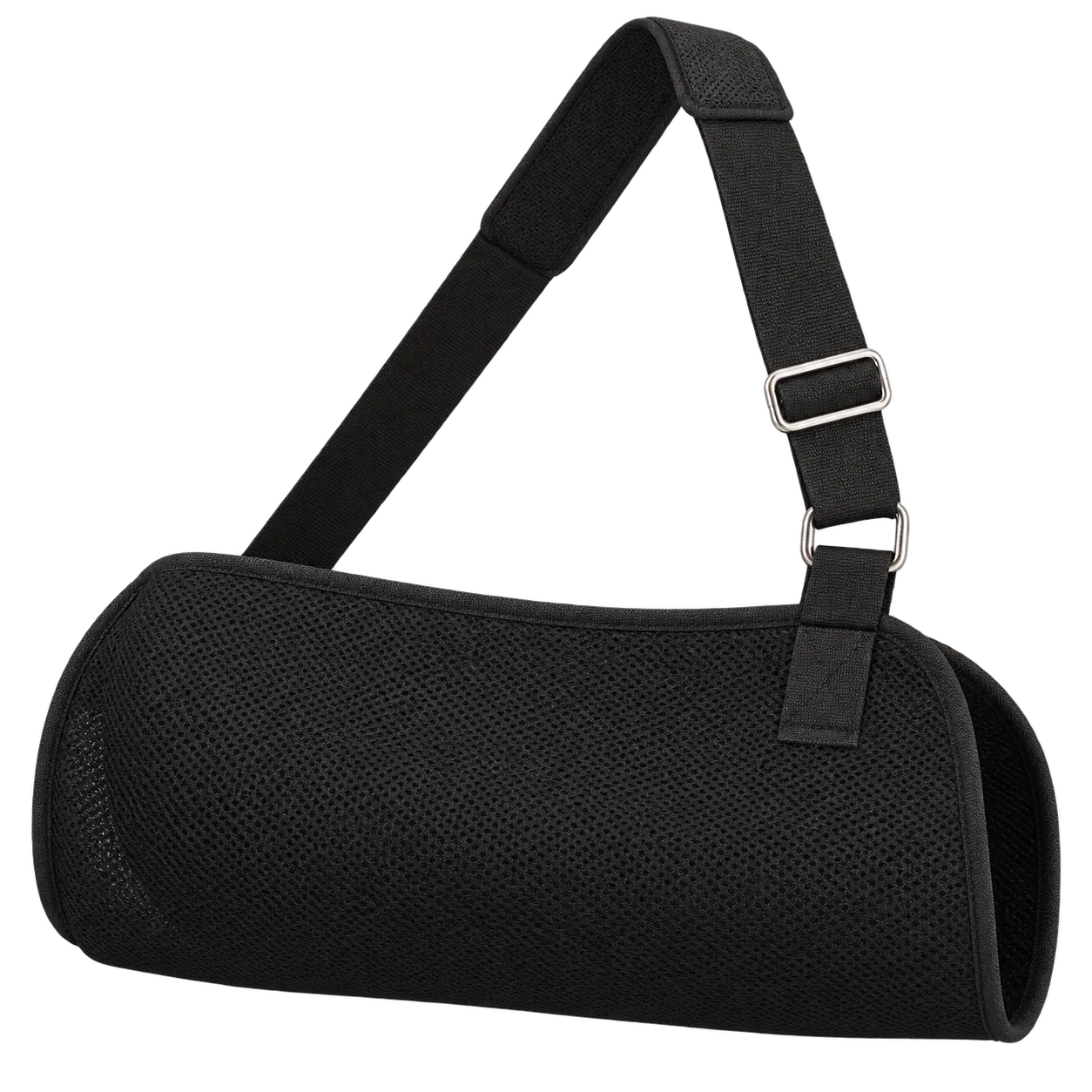
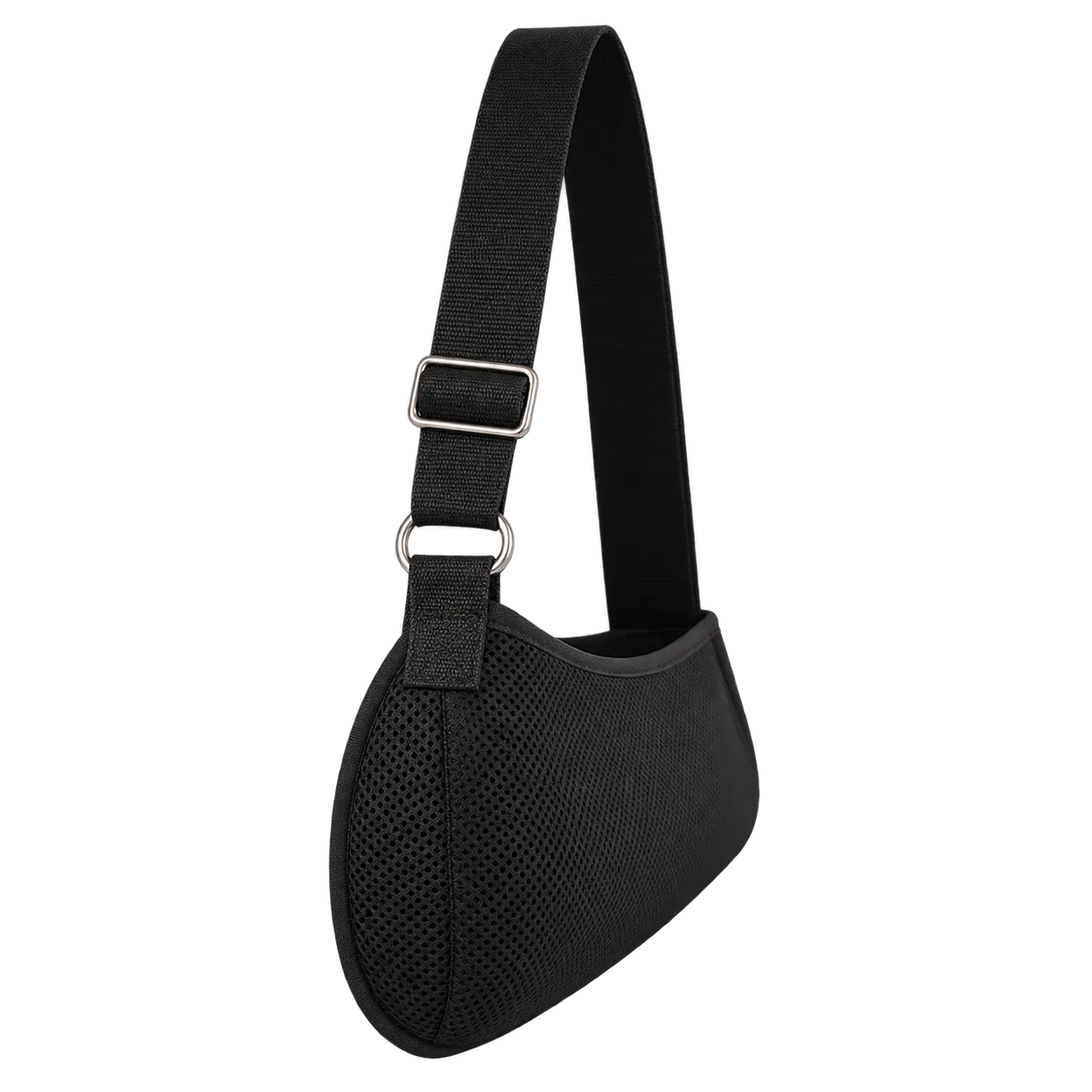
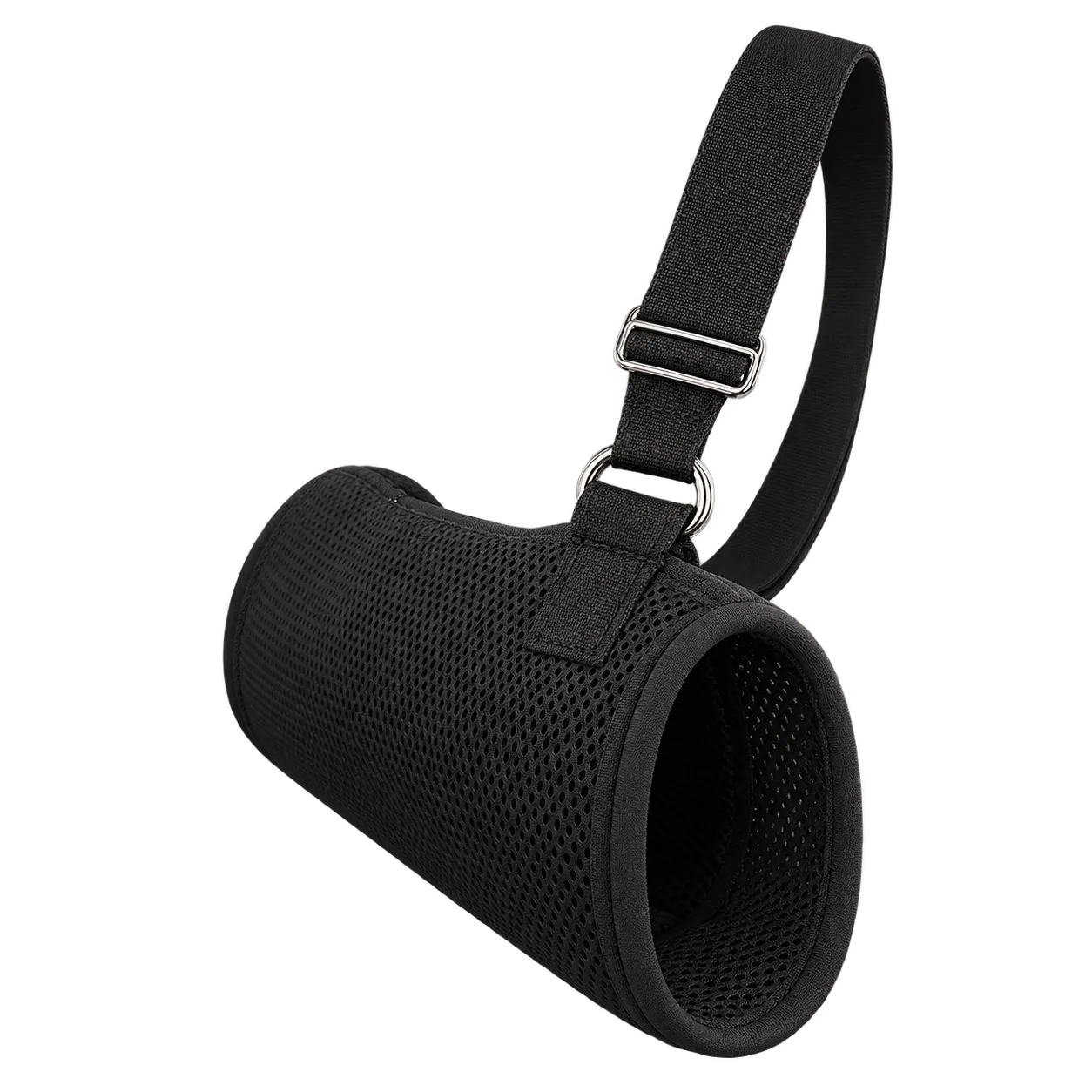
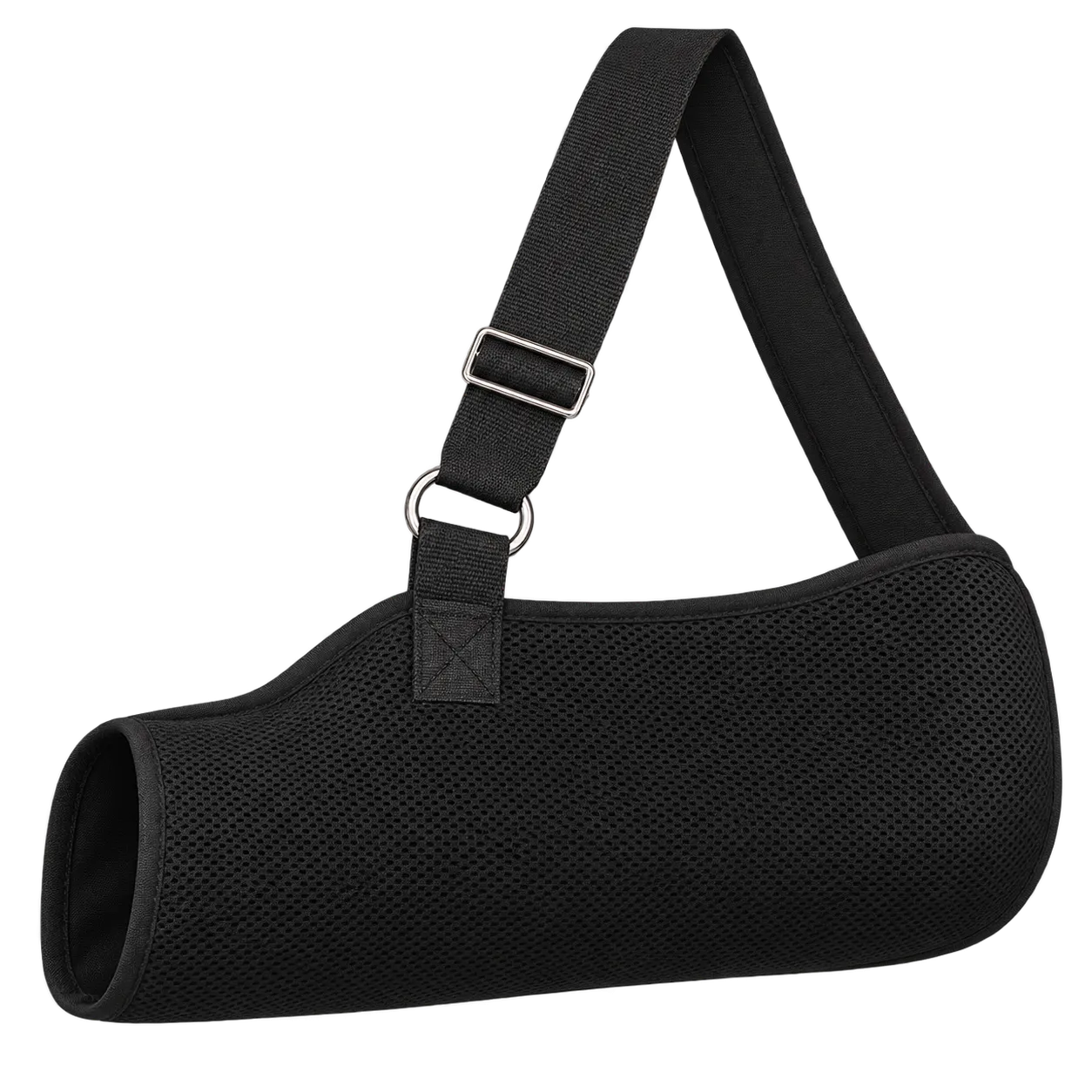
Emergency departments and minor injury units can issue the BL-72020 for forearm fractures and soft tissue injuries alongside a cast or splint, and after a dislocation has been reduced. Fracture clinics and orthopaedic wards can use it after wrist or hand surgery for comfort and elevation, and physiotherapy services can use it in the early days after a shoulder injury while restoring movement. Because it fits either arm and comes in one size, one stock line covers every patient, which suits busy units and community clinics alike. Community nursing teams and GP practices can keep it for patients who need short-term arm support at home.
Comfort should not turn into prolonged wear. Shoulders, elbows, and hands stiffen when kept still for too long, so every issue should include an exercise plan and a clear point at which the sling is reduced. Staff should check the neck and shoulder skin under the strap, especially in hot weather or for patients with fragile skin, and show patients how to dress and sleep with the sling. Dislocations need reduction and specialist follow-up first, and the sling does not replace a cast or splint for a fracture. Patients should leave knowing how to adjust the strap, how long to wear the sling each day and which warning signs to report.
NHS trusts and public health systems abroad buy through procurement routes that ask for a device's conformity status and registration. The conformity documentation those procurement routes require is issued by the manufacturer and shared by the enquiry team.