
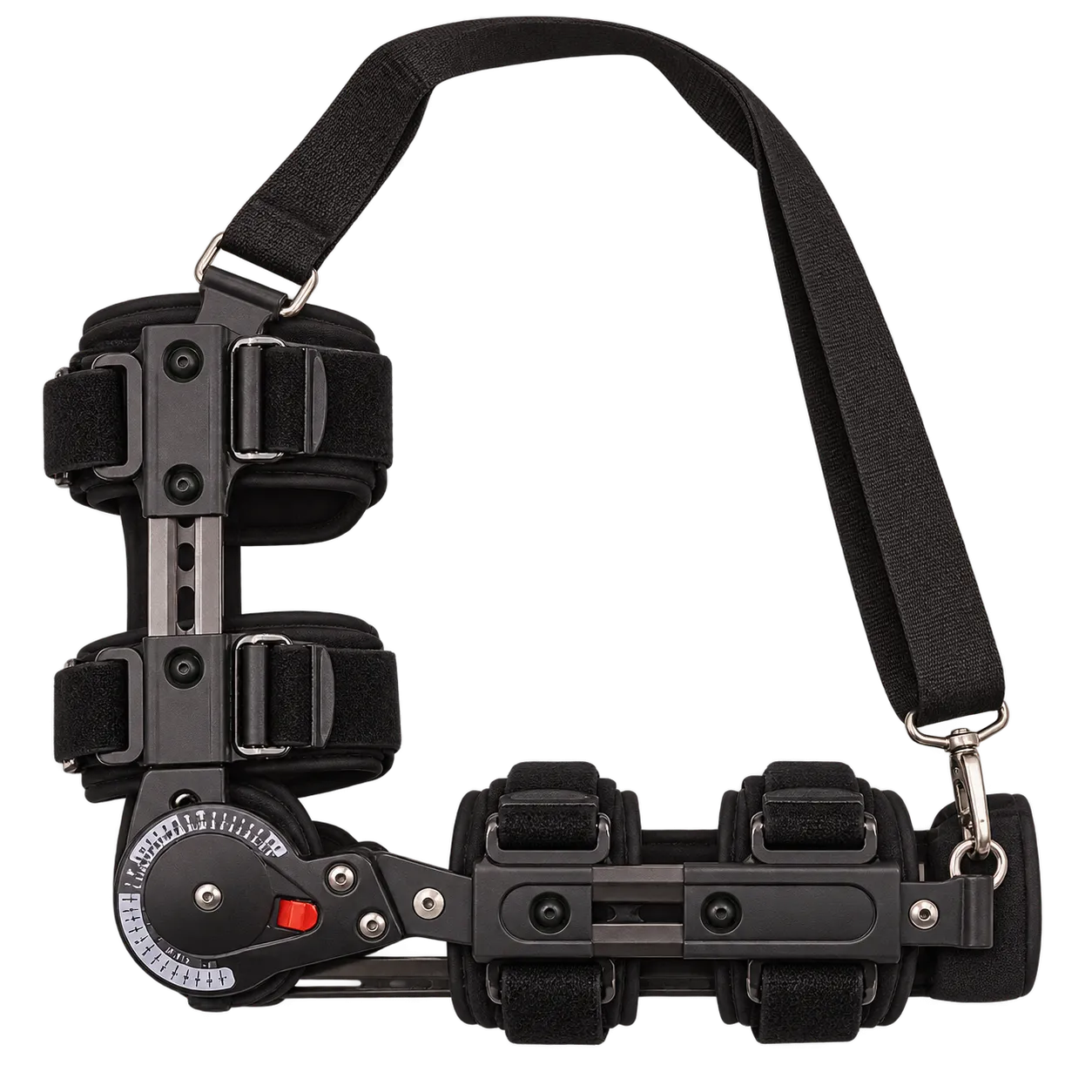
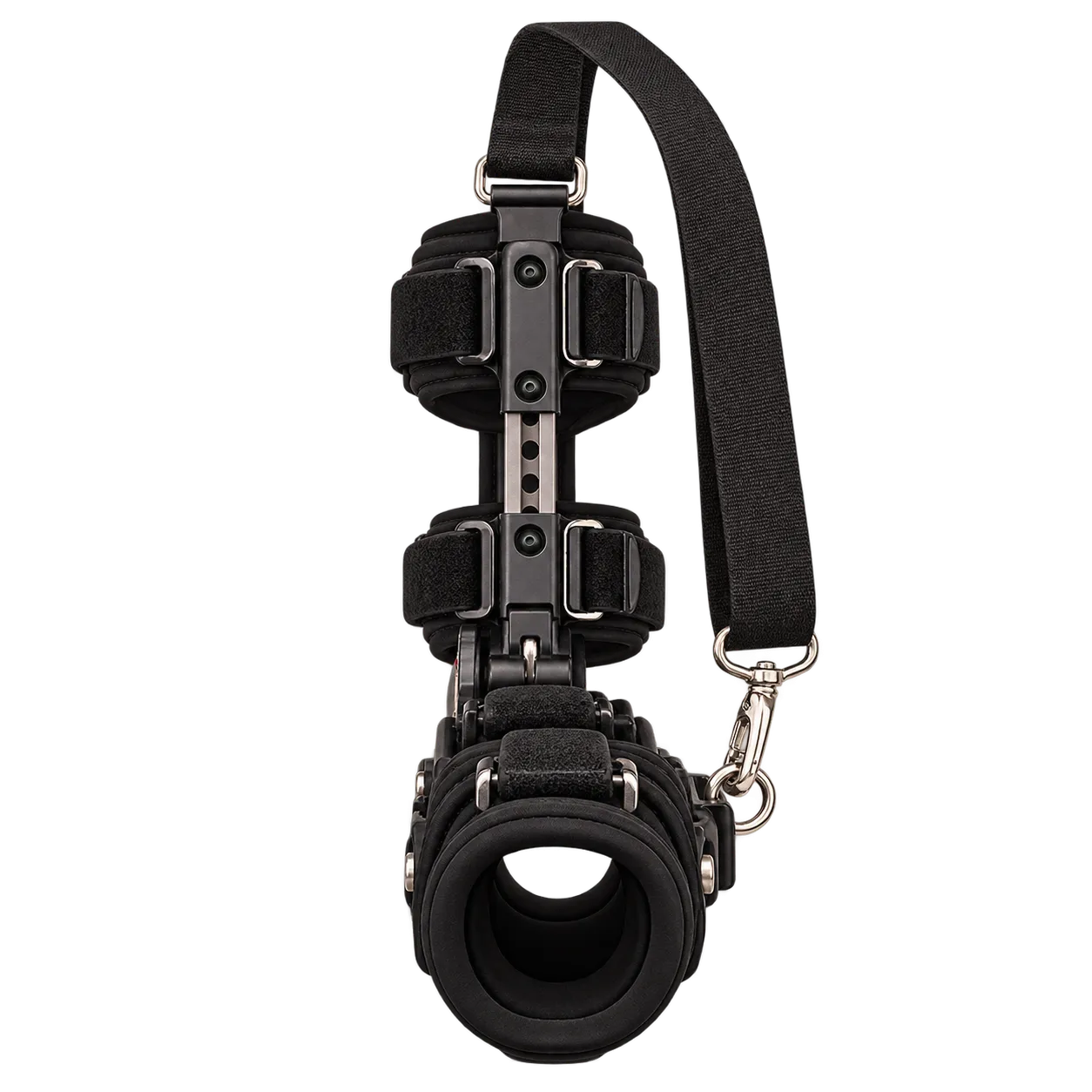
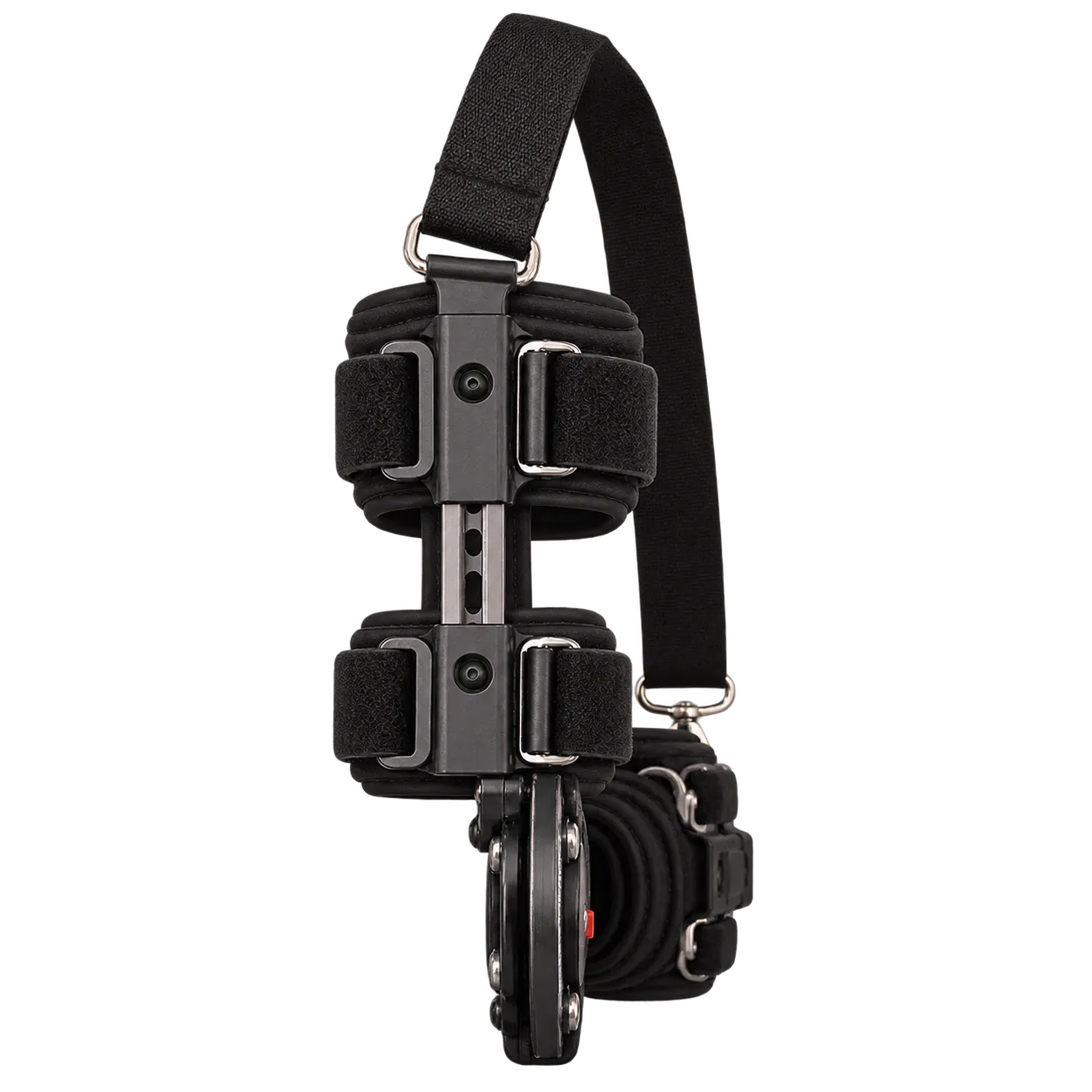
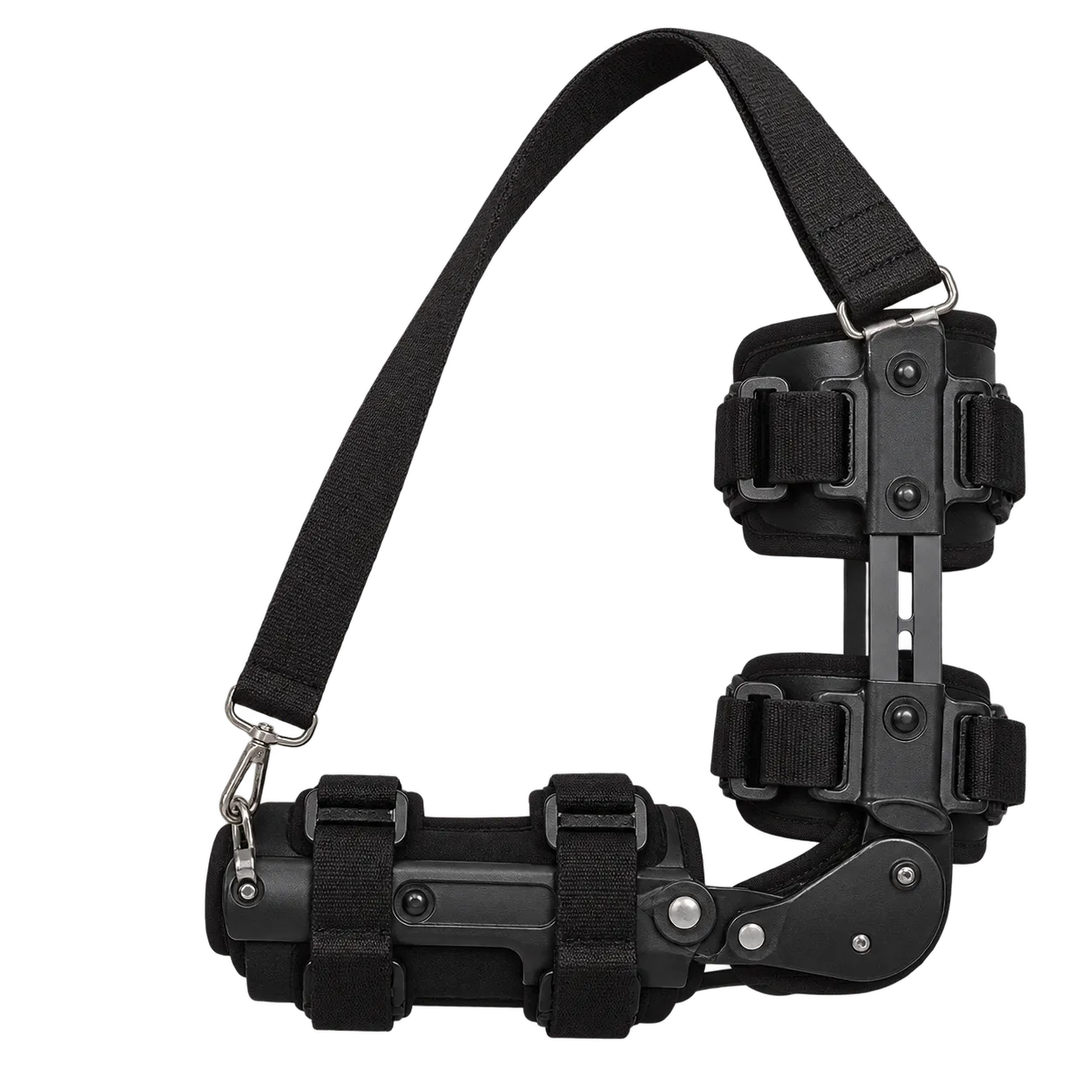
Orthopaedic and trauma services can fit the BL-72020 after elbow surgery, or for injuries where the surgeon wants the elbow held within a set arc and then opened up in stages. Upper limb and hand therapy units can use the dial to stage range-of-motion work, or to hold progressive angles for stiffness where the instructions for use allow the hinge to be fixed. Fracture clinics can use it where the treating team chooses a hinged brace that crosses the elbow, with the auxiliary sling helping through the first days. Sports medicine teams managing ligament injuries can use it to protect a healing elbow while the athlete keeps the rest of the arm active.
Mechanics and monitoring set the limits. The hinge must sit level with the elbow joint, the bars must clear the bony points, and the cuffs should be checked for pressure on the skin and on the nerve that runs behind the inner elbow. Fractures of the humeral shaft may need a different brace, dislocations and unstable elbows need specialist review, and every patient should be shown how to keep the shoulder, wrist and fingers moving while the elbow is braced. Each setting change should be written down with the date, so the next clinician knows the current arc.
Buyers across NHS trusts and overseas public health systems work through procurement routes that ask for a device's conformity status and registration. The conformity documentation those procurement routes require is issued by the manufacturer and shared by the enquiry team.