
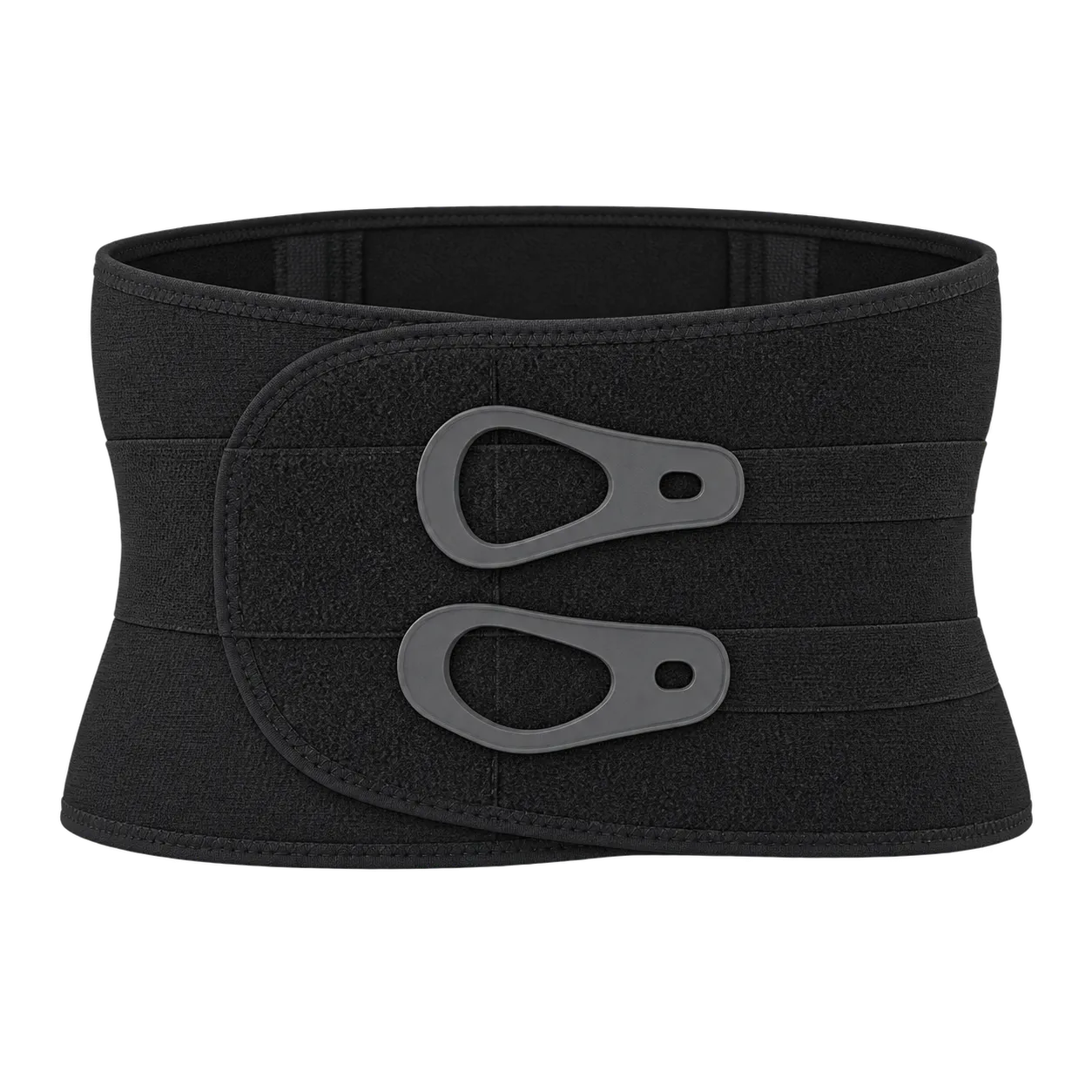
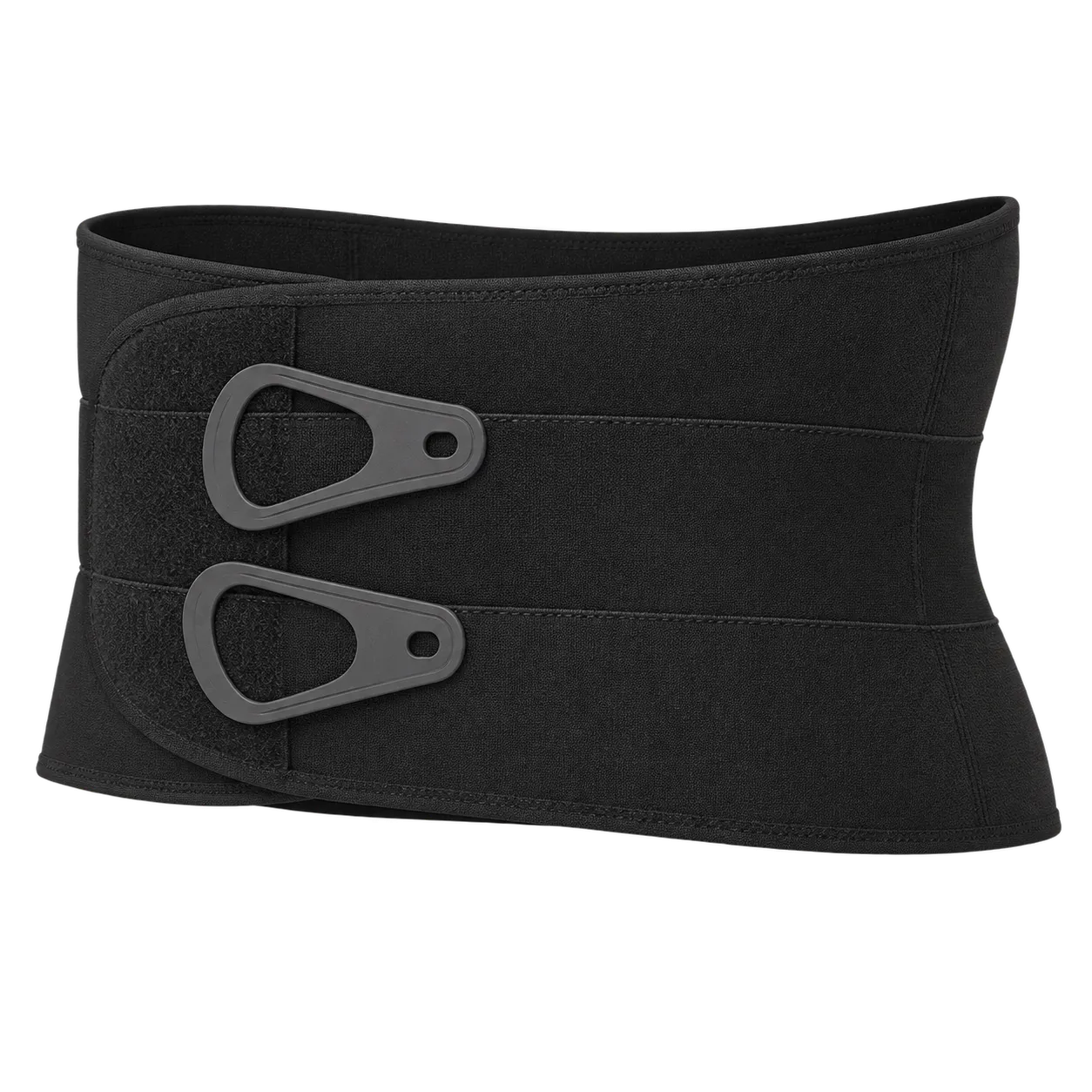
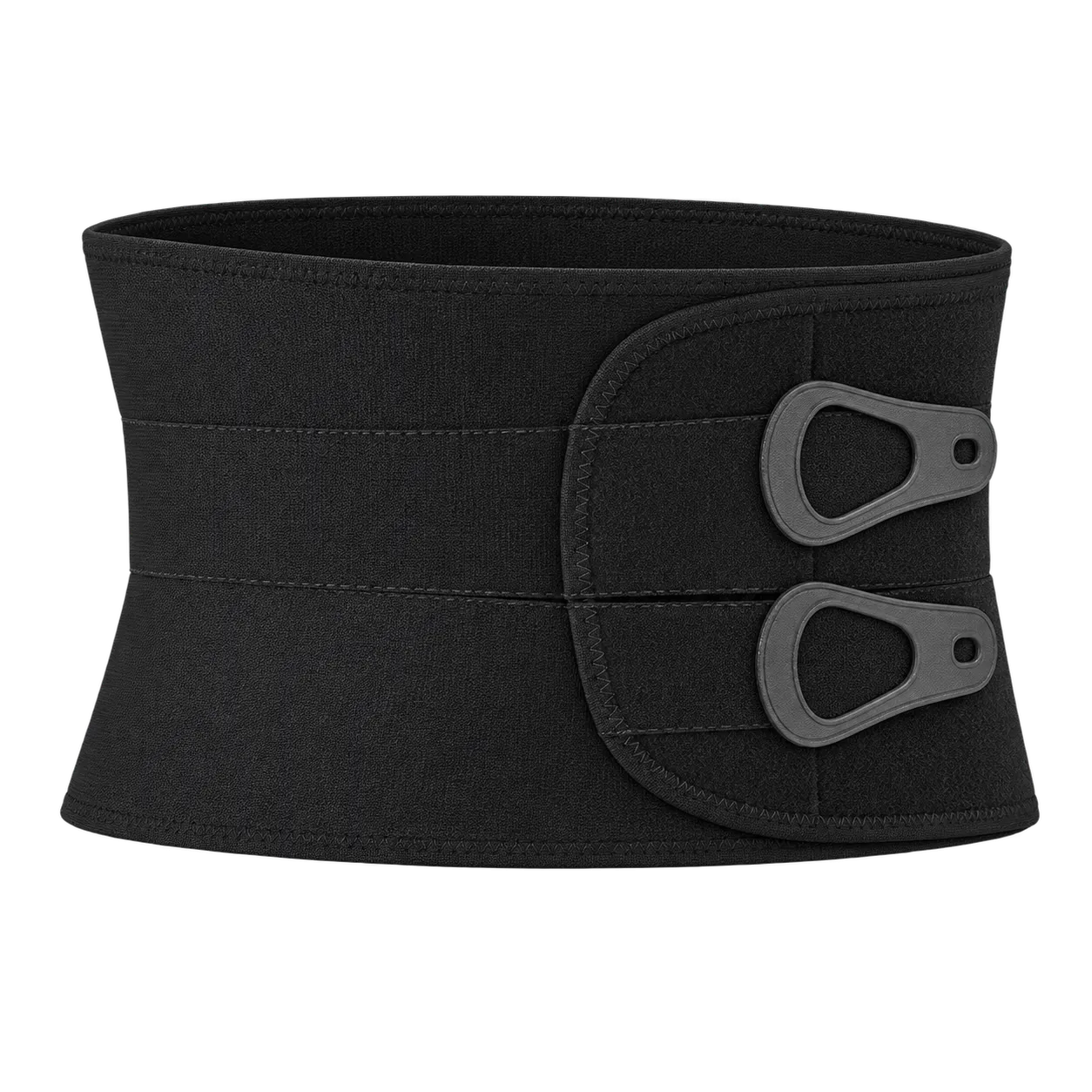
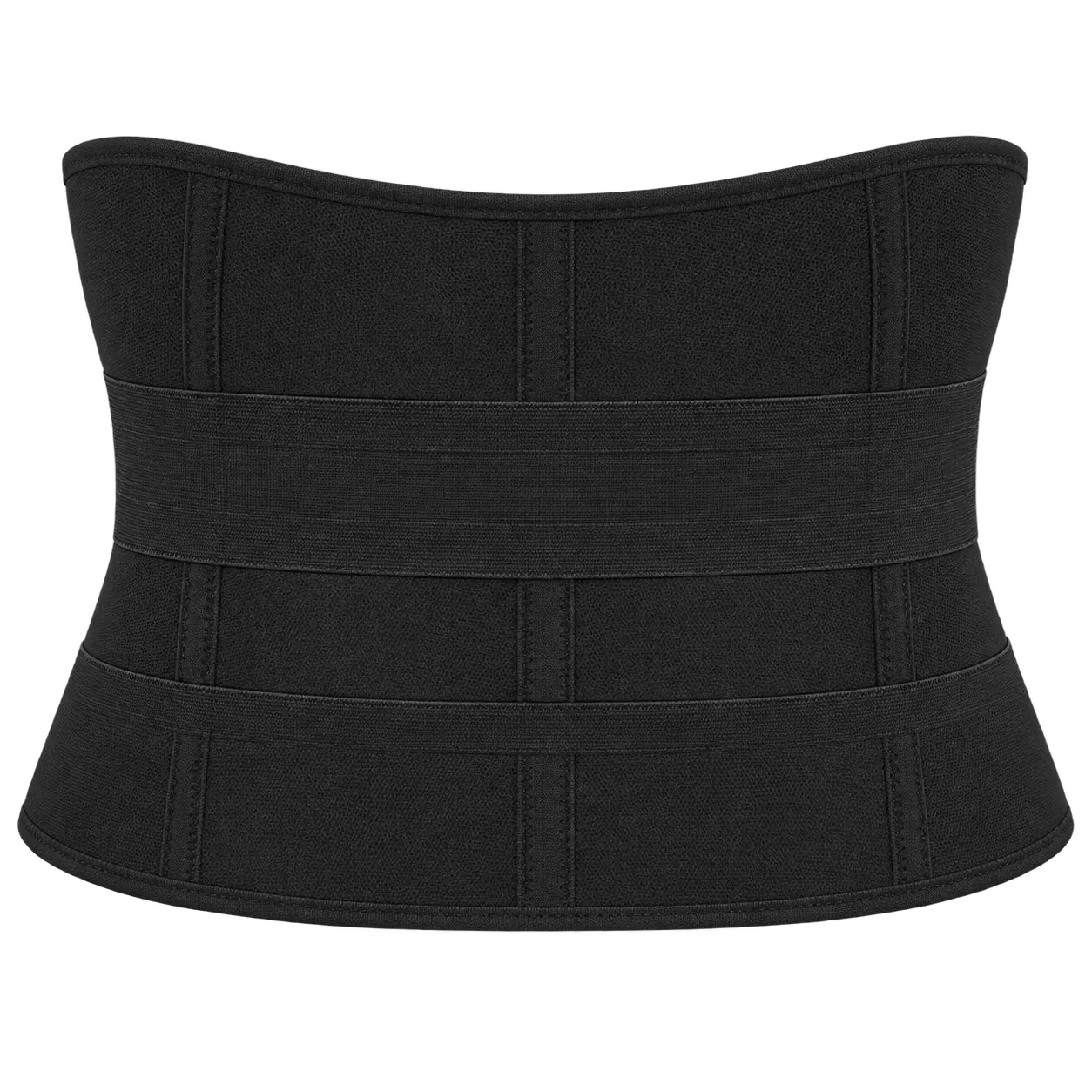
Services fitting smaller adults can stock the BL-70006 for waists from 24 in (about 61 cm), at the bottom of its chart. First-contact and primary care physiotherapists, in markets whose guidance allows short-term lumbar support, can issue it to adults with recent nonspecific low back pain who want to stay active and manage the support themselves. MSK self-management programmes can use the front handles as a teaching point, showing patients how to add tension for activity and release it at rest. Where a service posts supports to patients, the wearer can practise the handle routine at home and bring questions to the first review. In the UK, belts sit outside the NICE NG59 pathway for low back pain, so UK use rests on individual clinical judgement.
Evidence and safety set the limits. The 2026 French trial supports short-term, add-on use for nonspecific low back pain of one to six months, and back belts have not been shown to prevent back pain. Red-flag symptoms, such as numbness in both legs, loss of feeling around the genitals or anus, or bladder and bowel changes, need emergency care before any support. Wearers with weak grip or limited hand movement may need help with the handles, and that belongs in the fitting record alongside the agreed wear time. The first review is also the moment to check that the wearer releases the handles when sitting.
Health service buyers, whether in an NHS trust or a public system abroad, use procurement routes that ask for a device's conformity status and registration. The conformity documentation those procurement routes require is issued by the manufacturer and shared by the enquiry team.