
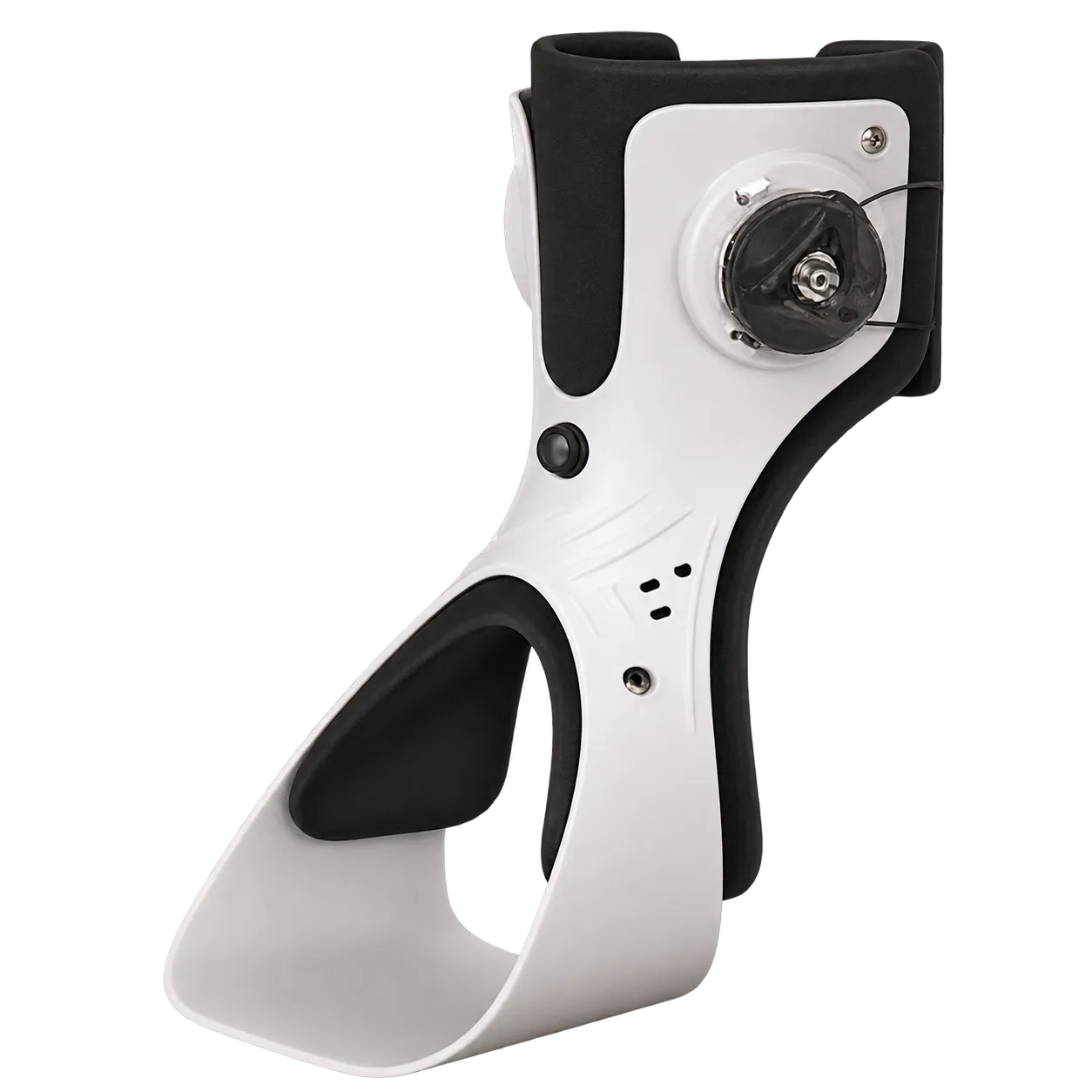
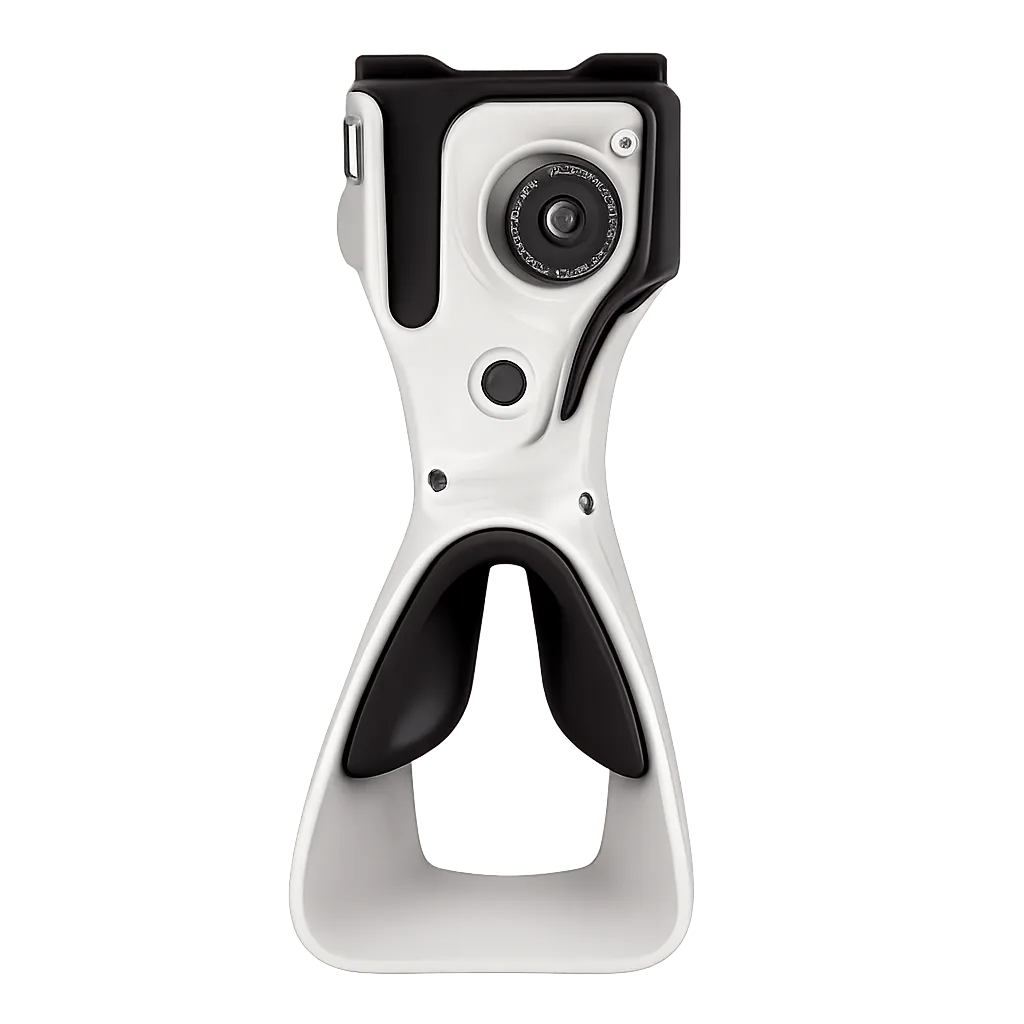
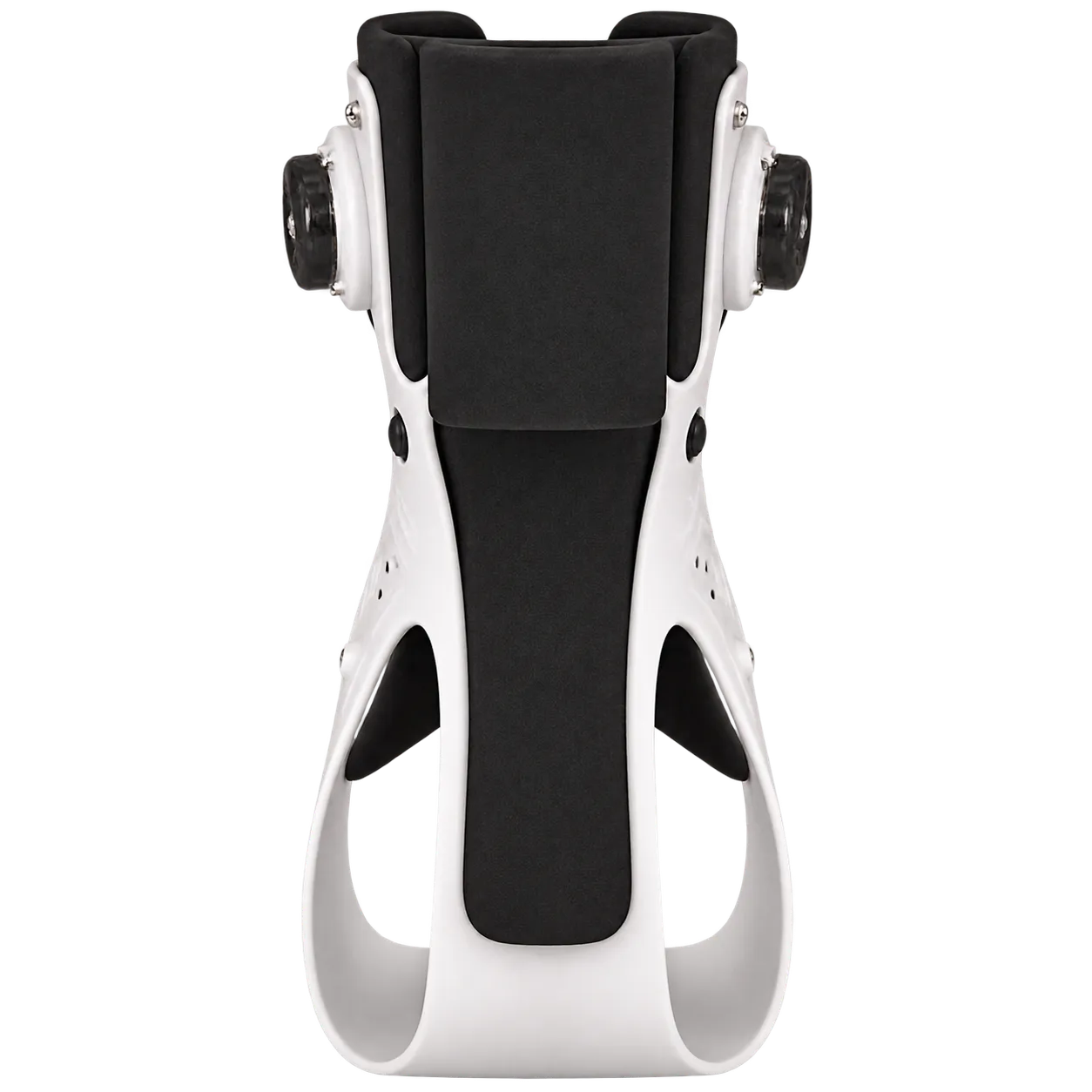
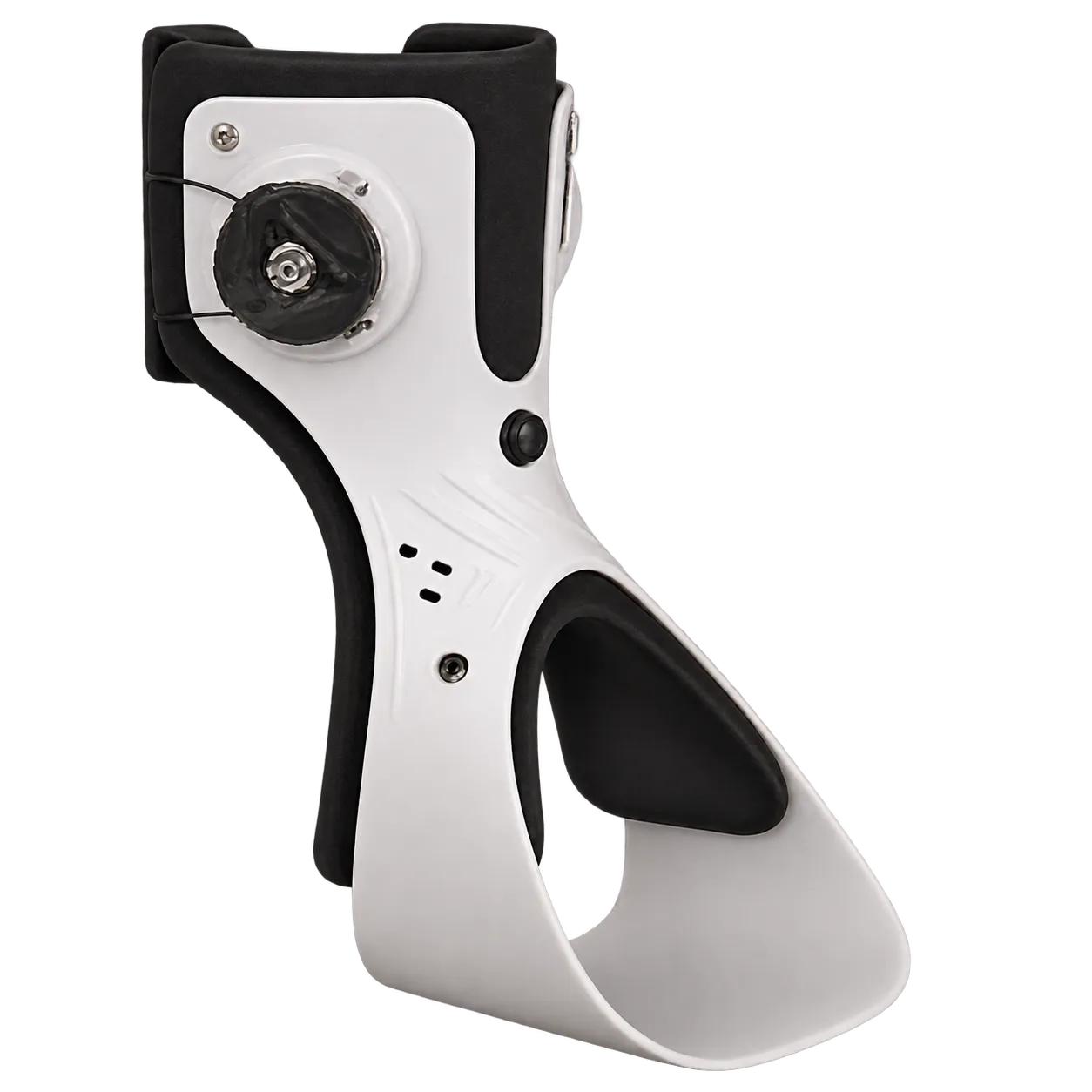
Orthotic services are the natural route for the BL-60241. Orthotists assessing patients with foot drop and valgus or varus alignment problems can consider it as a prefabricated option where the patient's ankle control, range, and skin allow, and where the brace fits the patient's usual shoes.
Stroke and neurological rehabilitation units see foot drop daily. The brace may suit some patients during gait training, provided an orthotist has confirmed that it controls the foot adequately, and it should be reviewed as recovery progresses.
Podiatry services most often meet the valgus, varus, and deformity indications. The integrated arch support and curved sole can make walking more comfortable for some adults with flexible alignment problems, but fixed deformities need other management.
Paediatric services should be cautious. Size S covers children's shoe sizes, yet the brace is not described as a paediatric device, and Cochrane evidence finds no support for orthoses in healthy children whose flexible flat feet are painless. Children with painful or neurological conditions need paediatric specialist assessment first.
Physiotherapy services can use the brace during walking practice once it has been prescribed, checking gait, balance and skin at each session. The knob and strap closure allows quick adjustment during therapy.
Community services supporting patients at home should check that the correct left or right version has been issued and that the patient's footwear still fits comfortably over it.
NHS procurement routes ask for the device class and the declaration of conformity, and public buyers in other countries ask for the equivalent. The conformity documentation those procurement routes require is issued by the manufacturer and provided by the seller.