
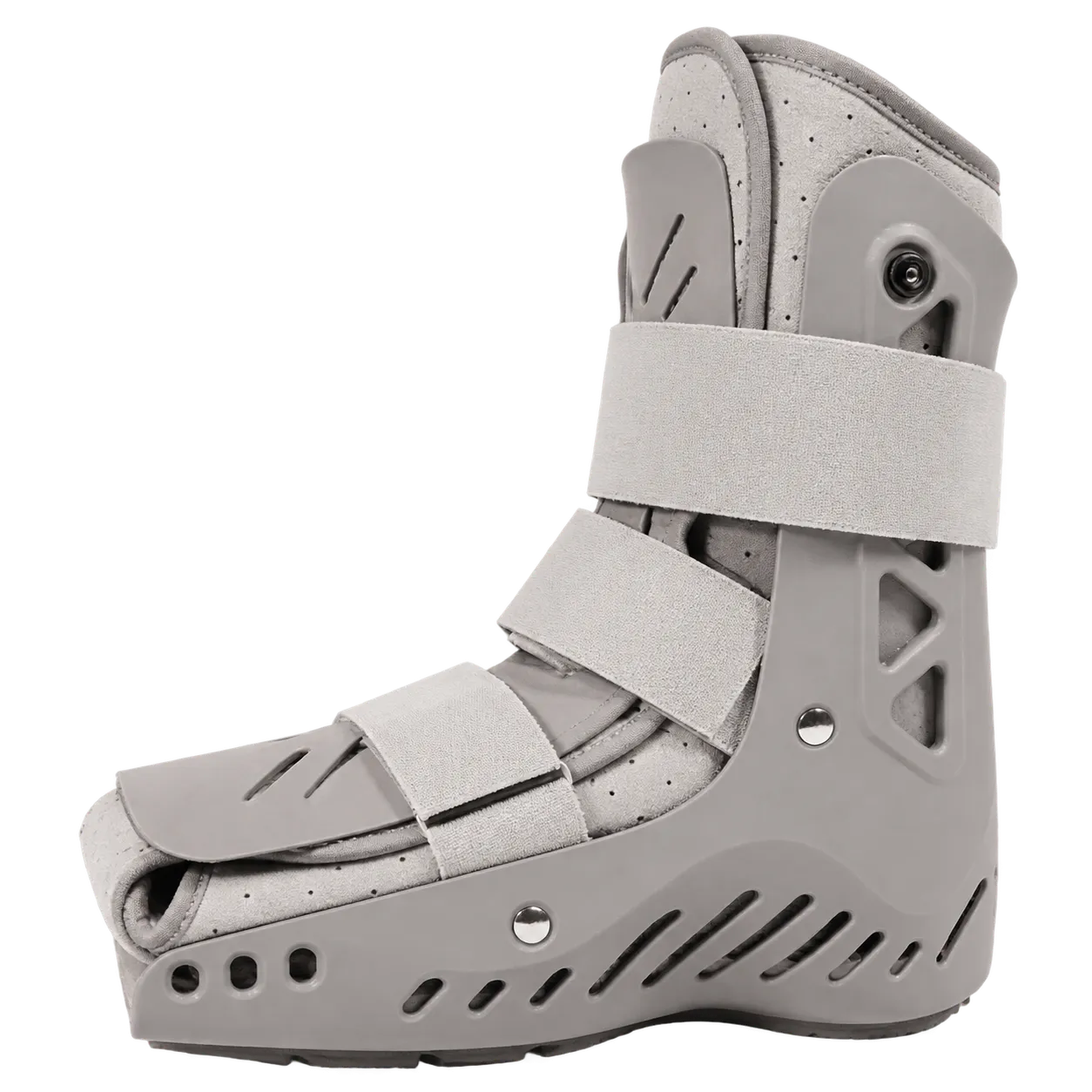
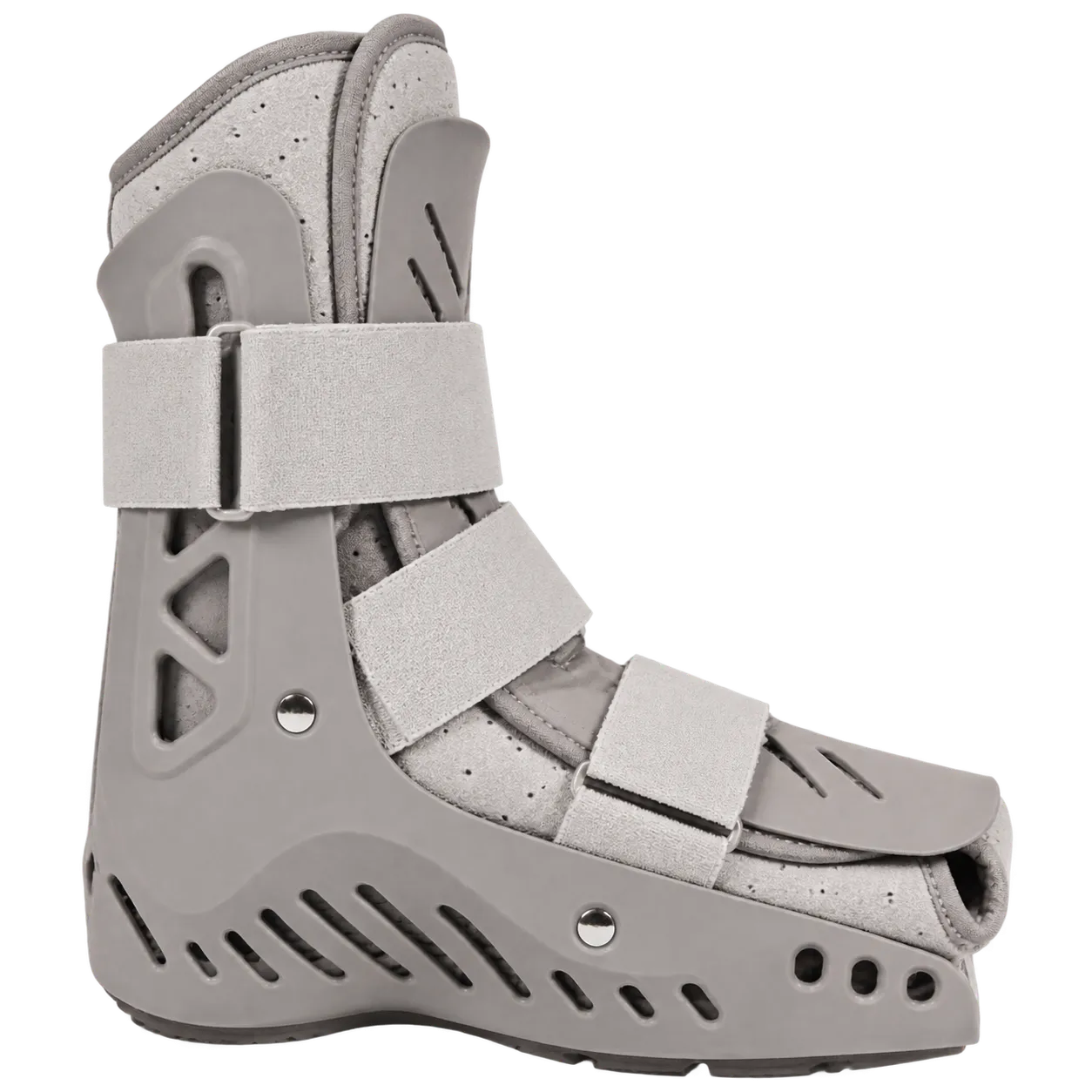
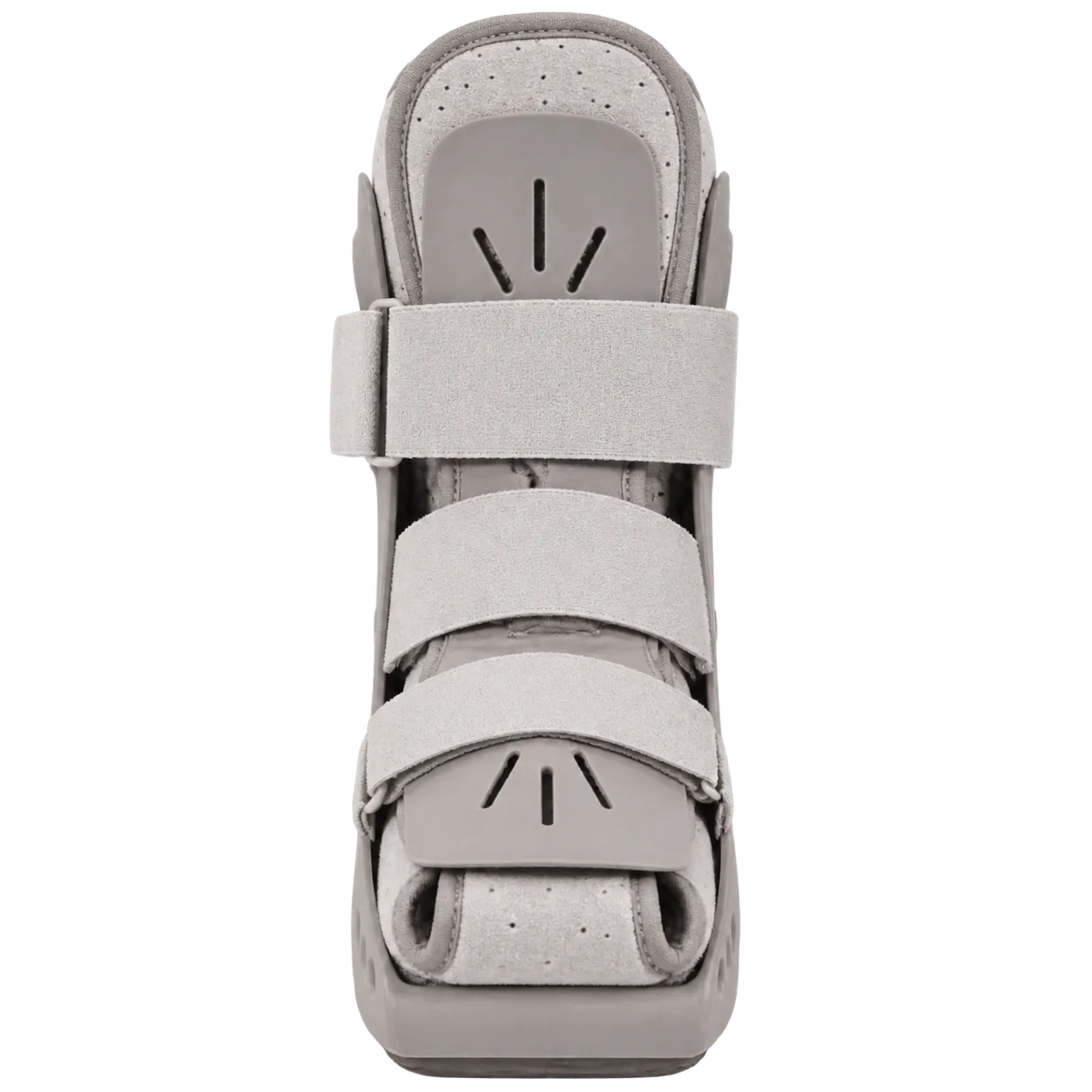
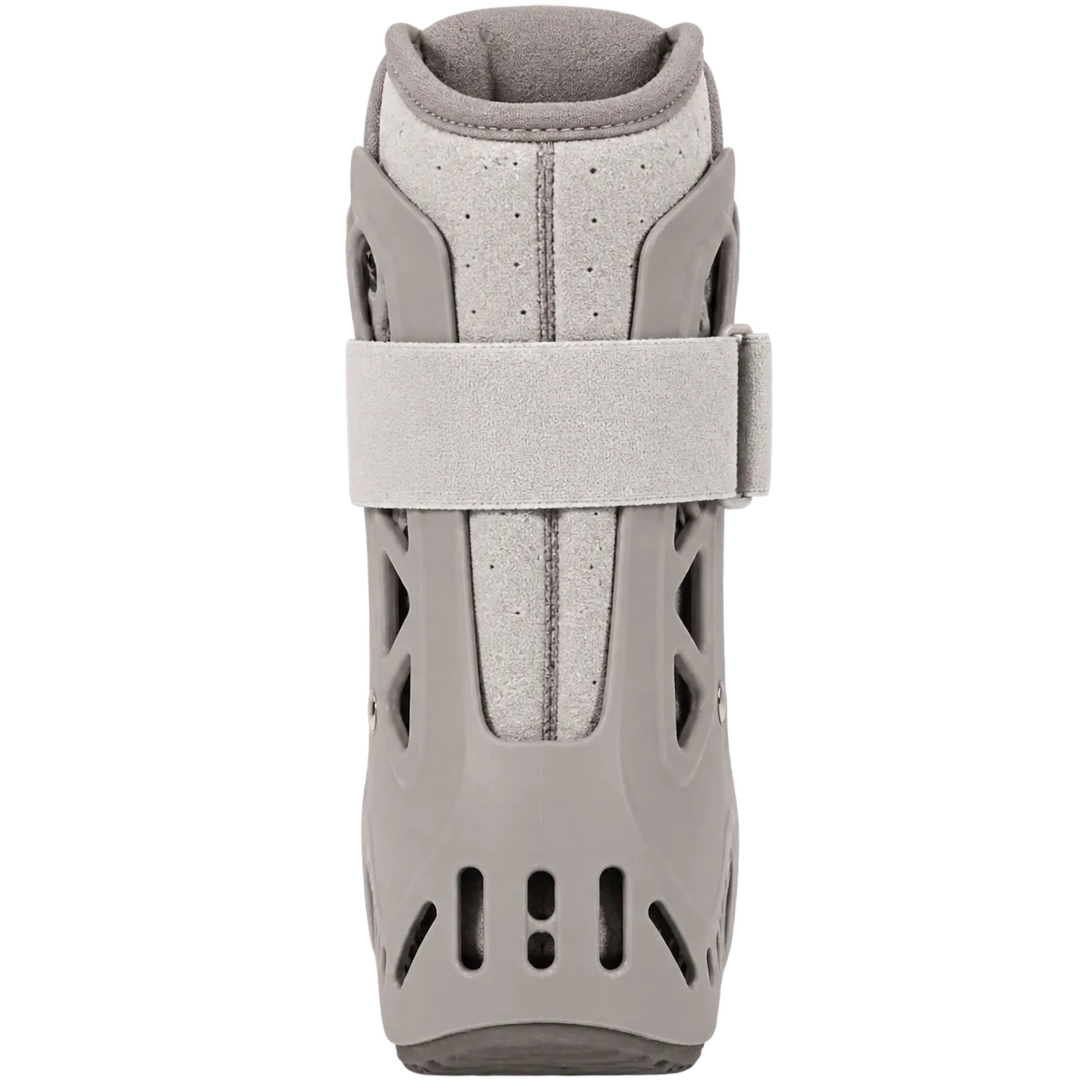
Fracture clinics can use the BL-52019 for stable foot and ankle fractures and soft tissue injuries where the treating clinician wants a simple strapped boot. The opening front panel makes the first fitting quicker on a swollen ankle, and the two straps are easy to demonstrate to the patient.
Achilles tendon services are the setting the product name points to, and the one where caution matters most. Until the seller confirms how the boot holds the foot in plantarflexion, it should not be used for acute Achilles rupture. If wedges or an equivalent are confirmed, the service should still check the boot against its own protocol before adding it.
Emergency departments and minor injury units may stock it for foot and ankle injuries under a clinician's direction. Staff should know that the Achilles label on the box is not a clinical instruction, and the VTE risk assessment set out in NICE NG89 applies to adults discharged with lower limb immobilisation.
Foot and ankle surgical services can consider it for postoperative protection where the operation and the surgeon's protocol allow a boot without adjustable ankle position. The front panel makes it easier to put the boot on over a dressing.
Physiotherapy services meet the boot as patients walk further. The anti-slip sole claim supports indoor and outdoor walking, though sole height and tread should be confirmed before advising on stairs.
NHS procurement routes ask for the device class and the declaration of conformity, and public buyers in other countries ask for the equivalent. The conformity documentation those procurement routes require is issued by the manufacturer and provided by the seller.