
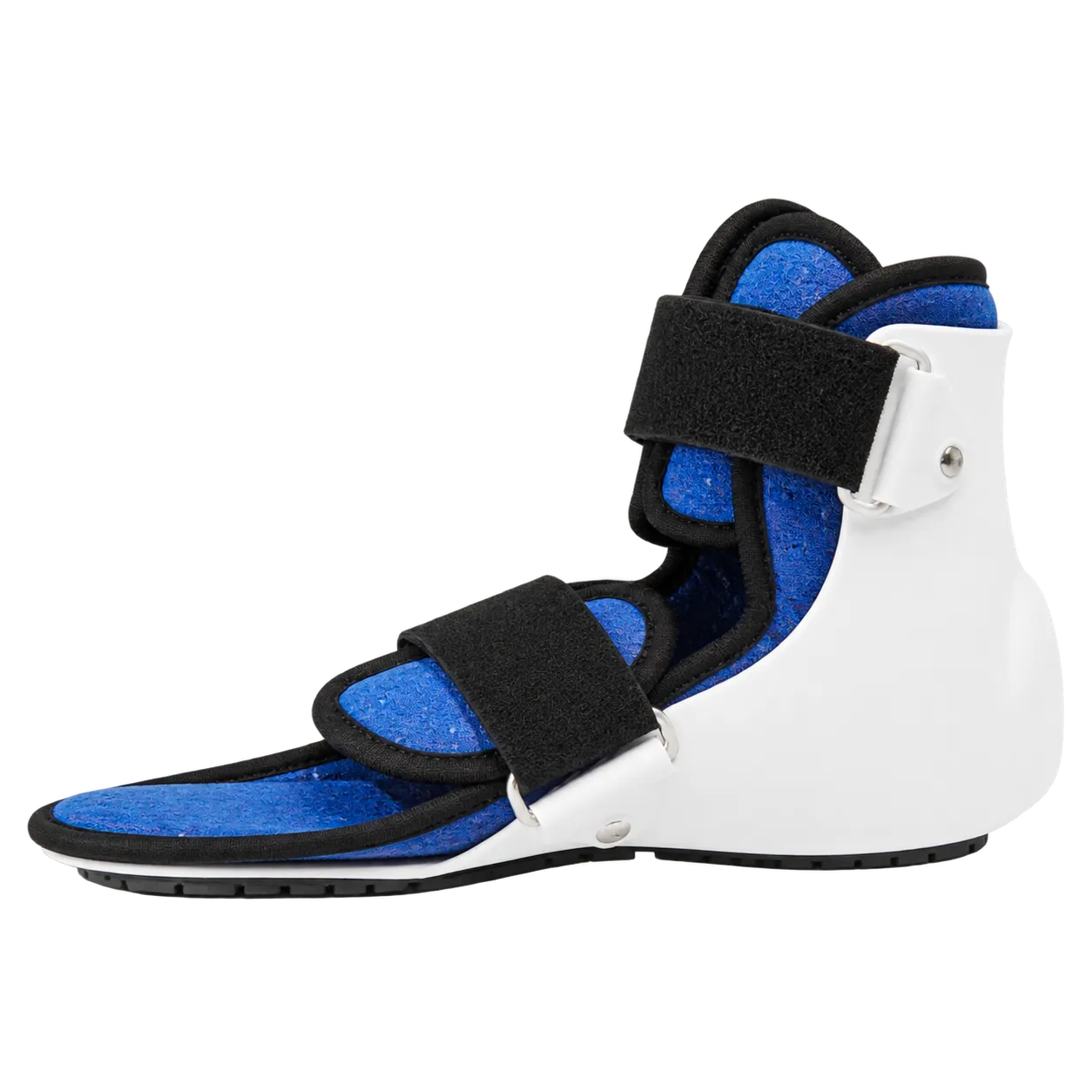
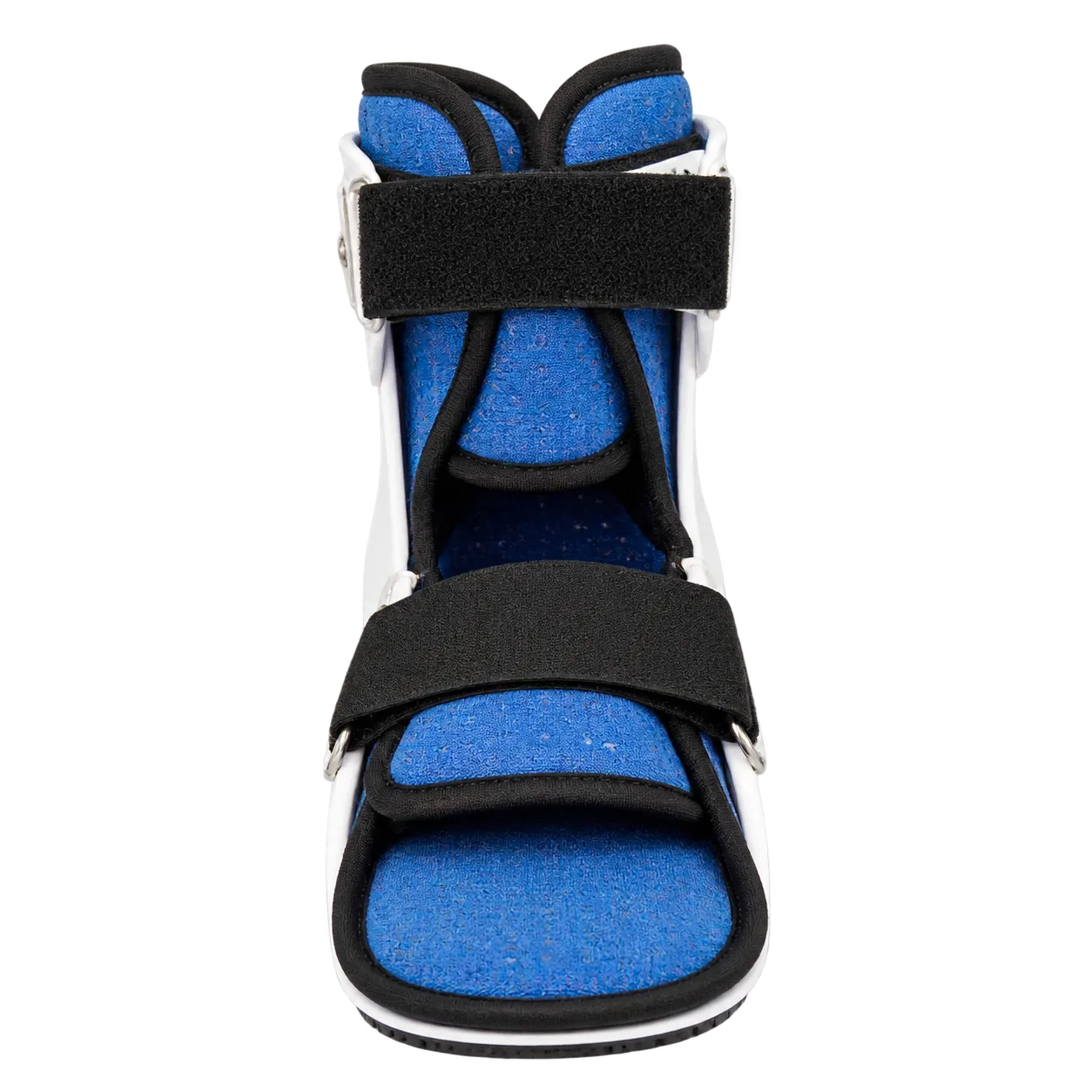
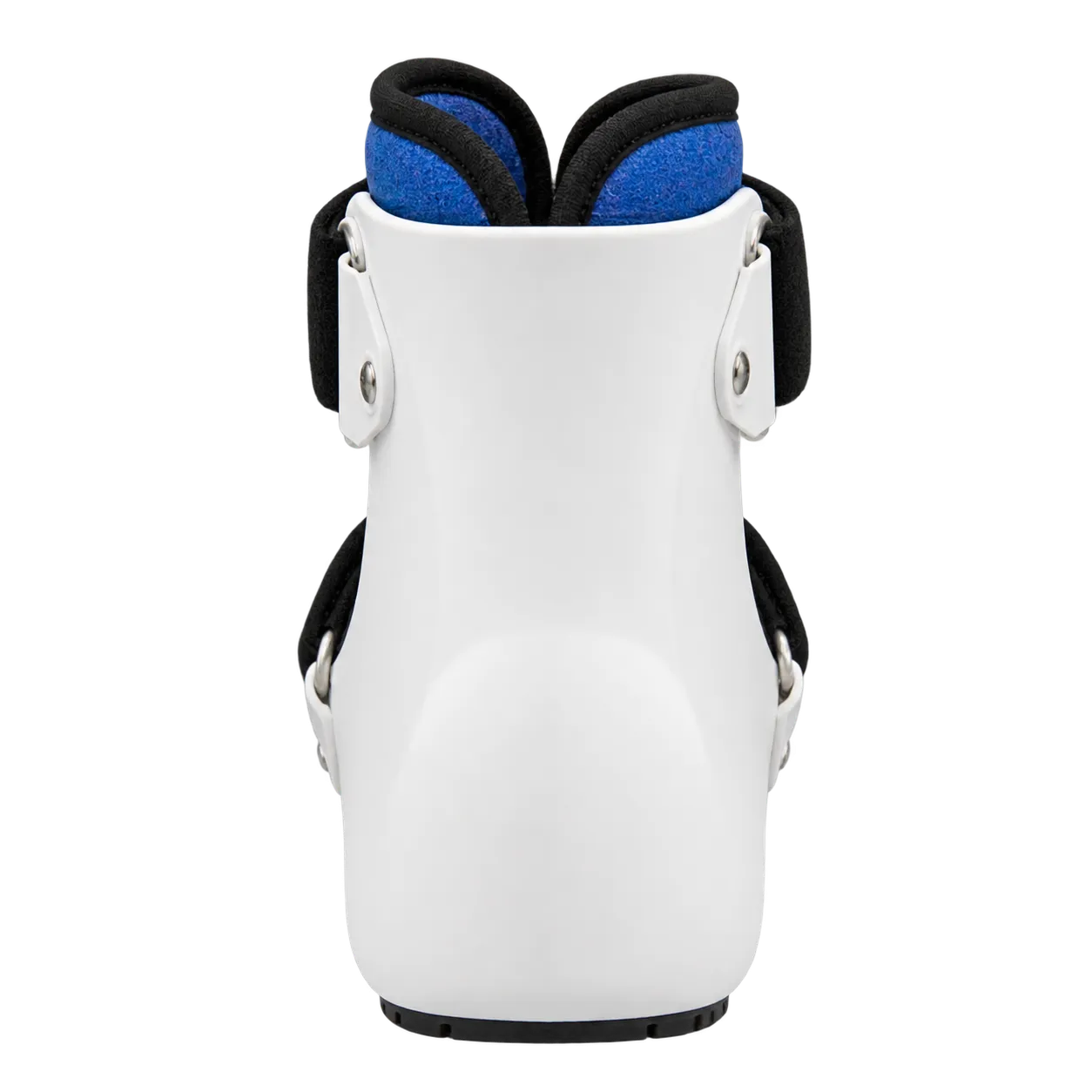
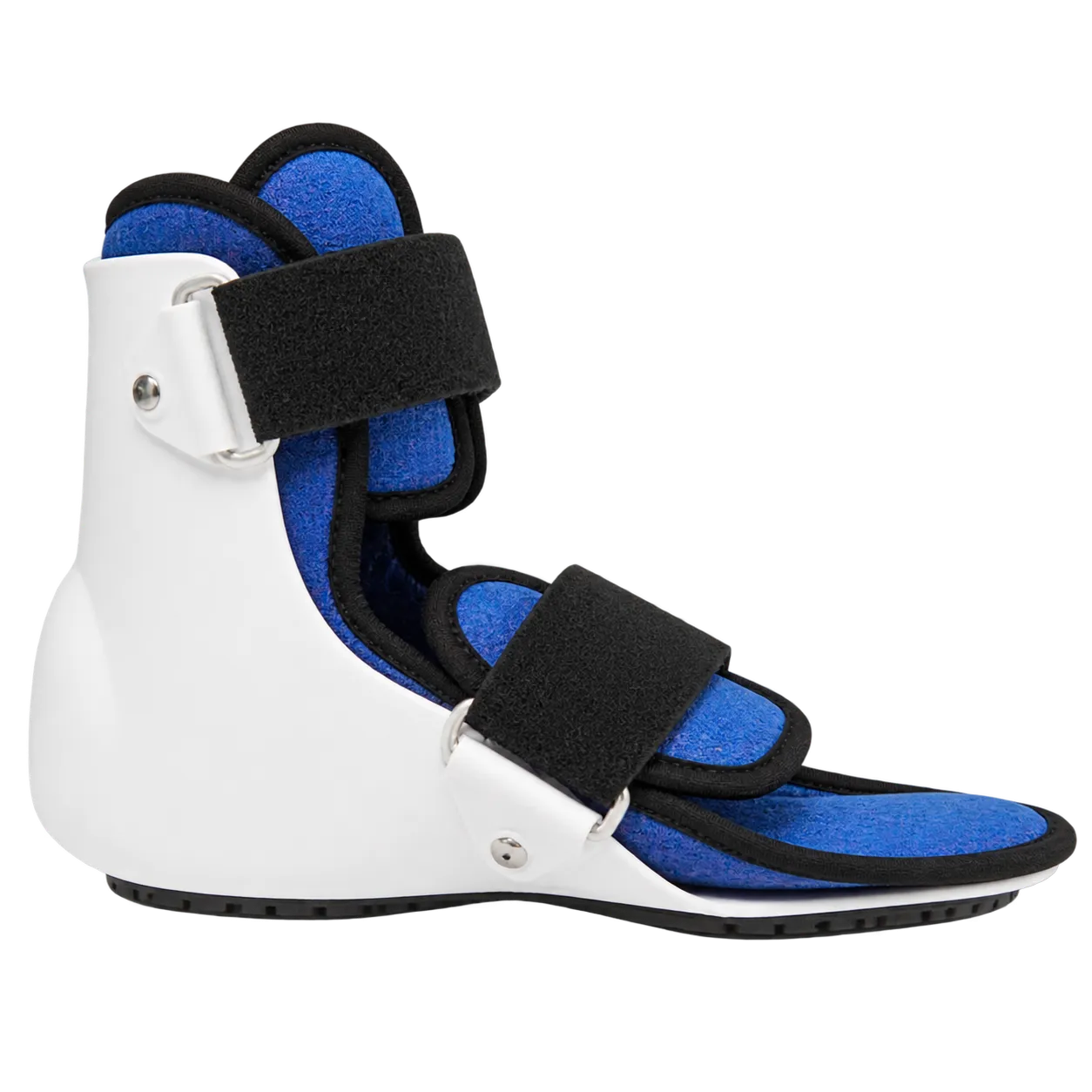
Foot and ankle surgical services are the obvious setting for a boot named for forefoot offloading. After forefoot procedures, the surgeon's protocol dictates how much weight the front of the foot may bear, and a device that shields the toes and forefoot can support that plan once the seller confirms how much it offloads. Check balance before the patient leaves the ward or day unit.
Podiatry services, including podiatric surgery, will want the same confirmation. A sample fitted on a patient shows quickly whether the sole shifts load back as the photography suggests, and whether the patient can walk in it safely.
Fracture clinics may consider it for forefoot and toe injuries where protection of the front of the foot is the priority, although the datasheet does not list forefoot fractures specifically. The anti-slip sole helps, but the not-waterproof limit should be part of the discharge advice.
Physiotherapy services can assess gait and balance in the boot and teach walking aid use where needed. Gait research on forefoot offloading footwear shows altered walking patterns, so physiotherapy input is valuable for older or less steady patients.
Diabetic foot services should not use the boot for ulcer offloading without specialist assessment, because ulcers are not listed and patients with neuropathy are especially vulnerable to unassessed devices.
Where the boot is used as lower limb immobilisation for adults, the VTE risk assessment described in NICE NG89 applies. NHS procurement routes ask for the device class and the declaration of conformity, and public buyers elsewhere ask for the equivalent. The conformity documentation those procurement routes require is issued by the manufacturer and provided by the seller.