
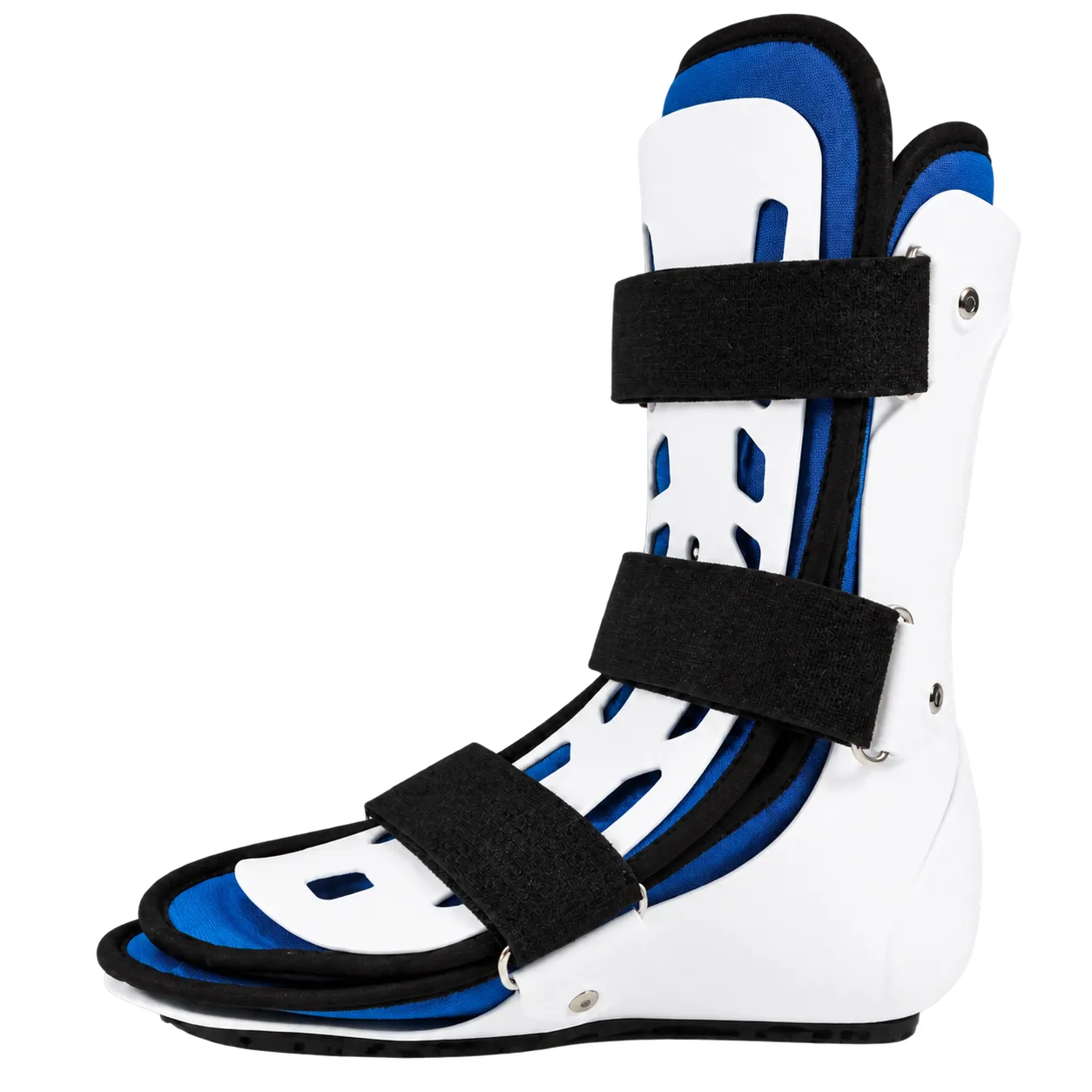
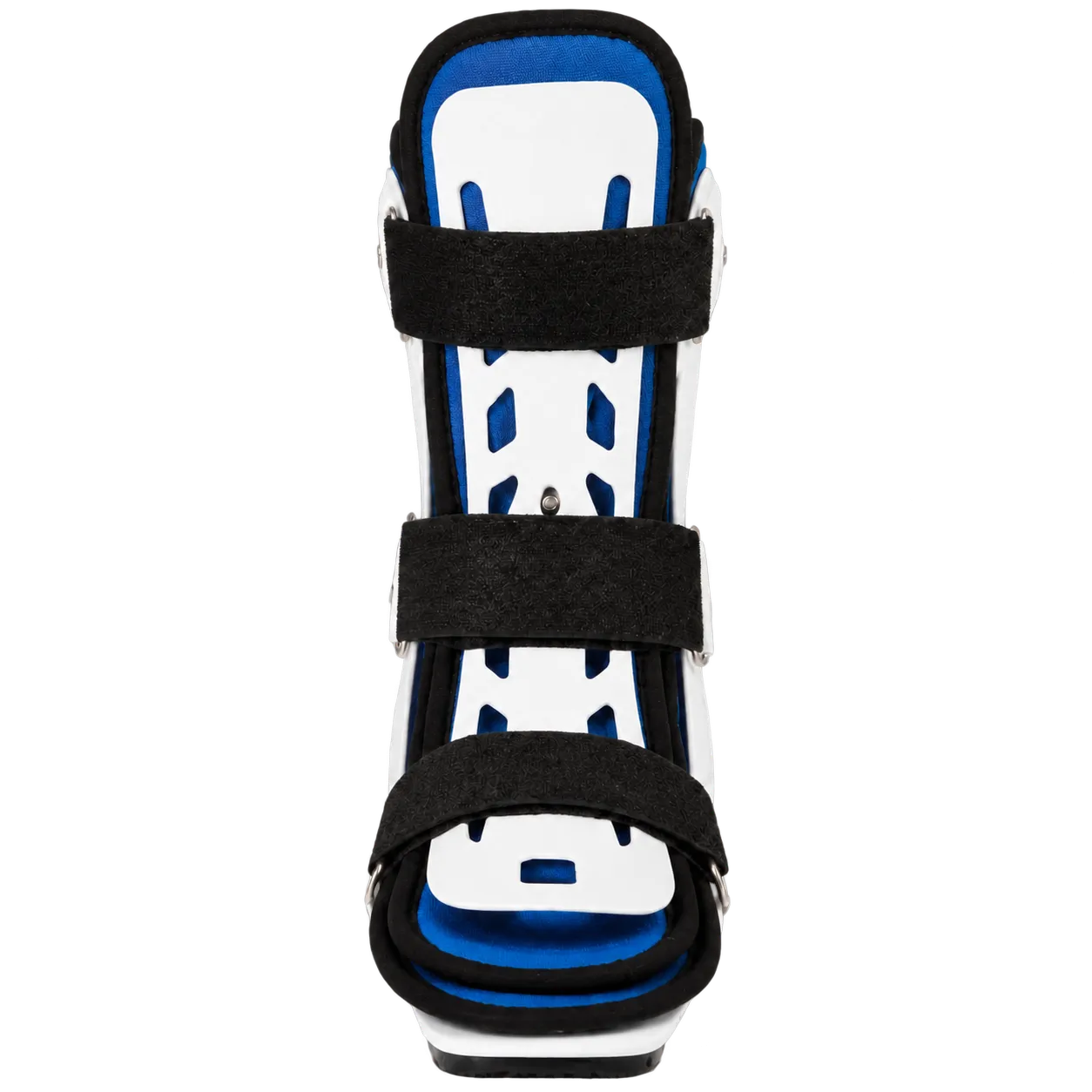
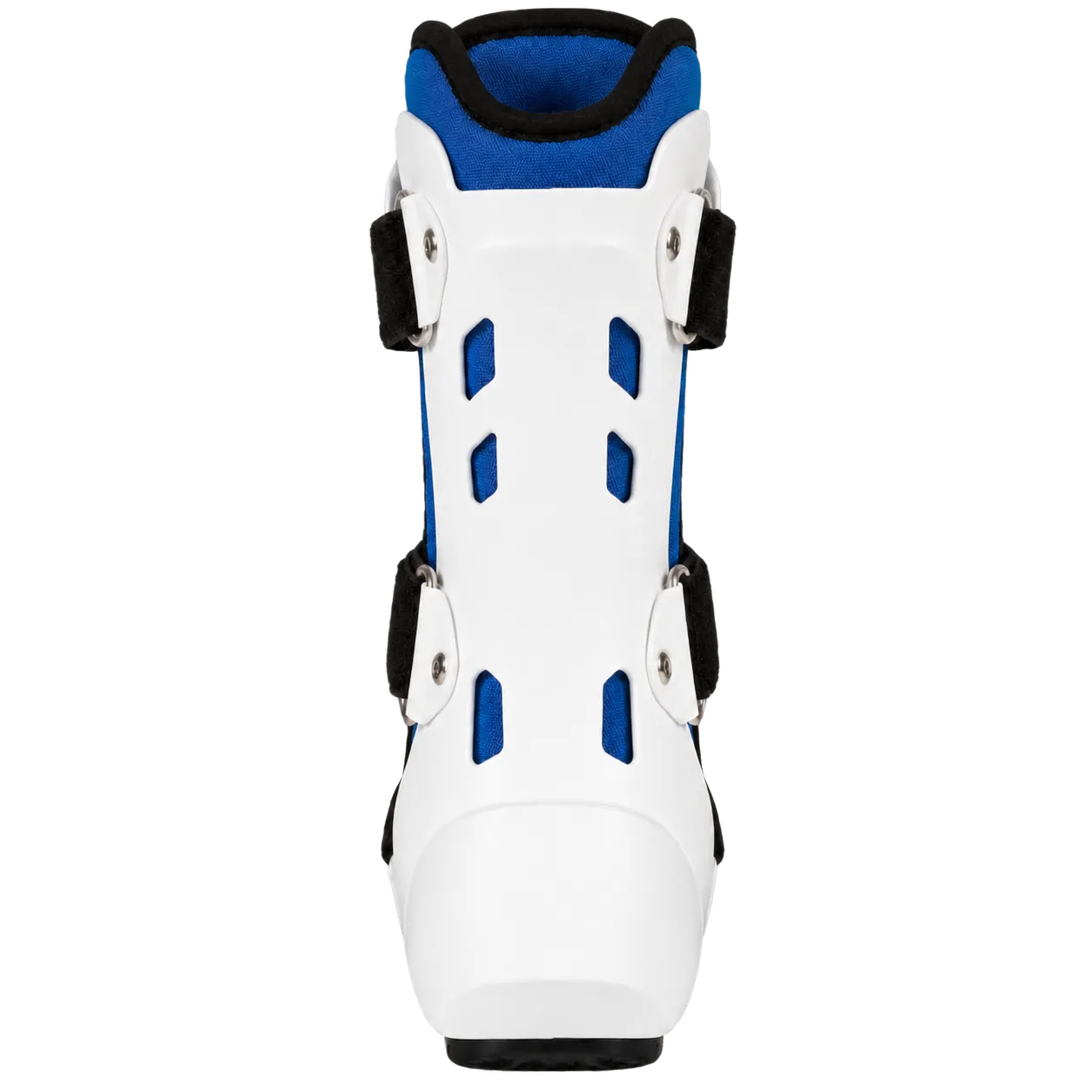
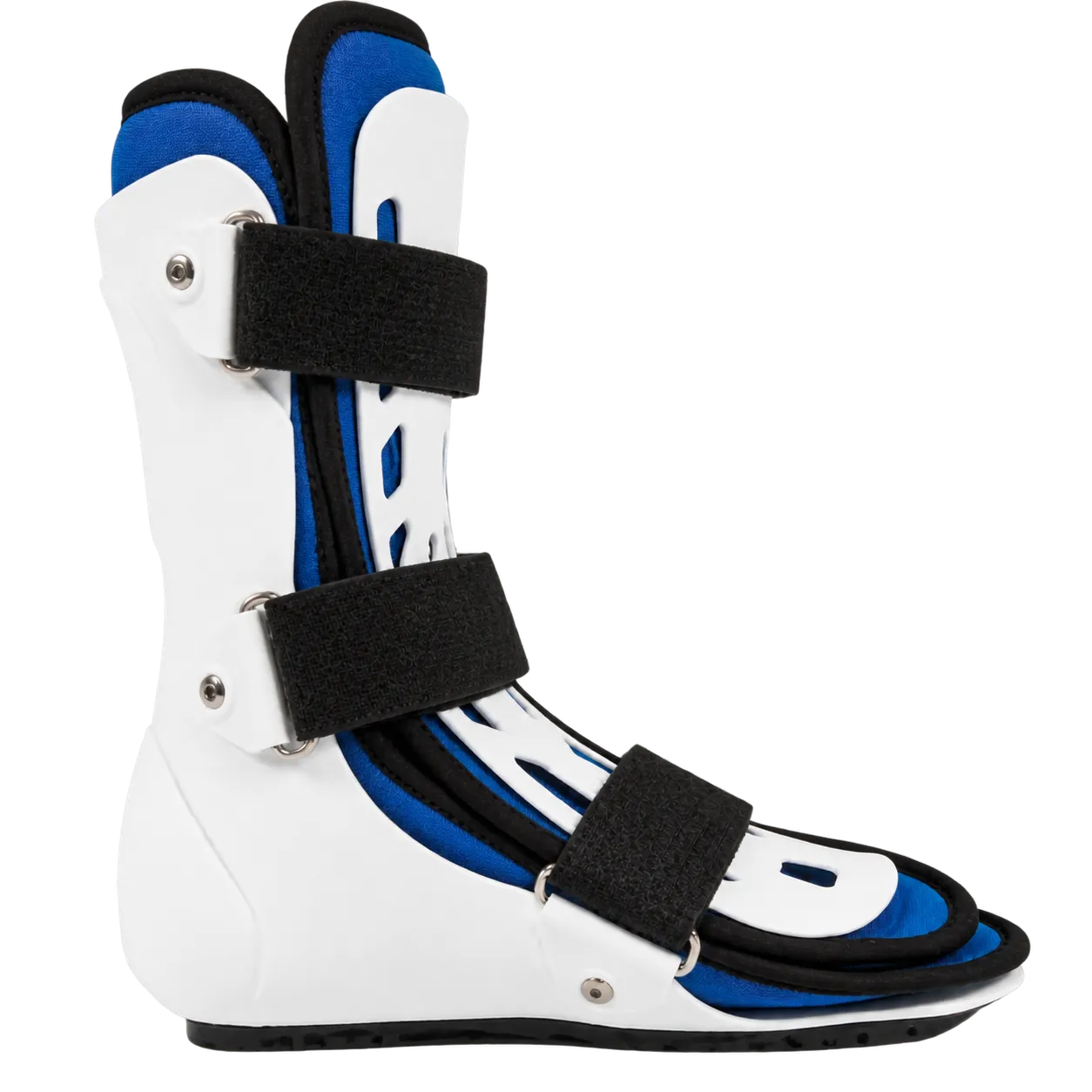
Fracture clinics and orthopaedic services can use the BL-52002 for post-fracture and post-operative recovery, where the patient will spend most of the treatment period indoors or in dry conditions. The shield protects the foot, ankle and heel from knocks, and the open toe allows circulation checks without removing the boot.
Inpatient wards and rehabilitation units are a good match for the wet-conditions limit, because patients there walk on dry indoor floors. The boot can protect a healing foot during supervised mobility and physiotherapy sessions.
Emergency departments and minor injury units may stock it for ankle ligament injuries and instability under a clinician's direction, but staff should check where the patient is going. A patient who walks home in the rain, or lives in a wet climate, needs a device without that restriction, and the discharge advice should make that clear.
Podiatry and orthotic services will see the flatfoot and varus or valgus indications. Those claims need careful assessment, because the datasheet gives no corrective mechanism and alignment problems are usually managed with foot orthoses and exercise.
Achilles services should wait for the seller to explain how the ankle is positioned, since no heel wedges are listed.
Where the boot is used as lower limb immobilisation for adults, the VTE risk assessment described in NICE NG89 applies. NHS procurement routes ask for the device class and the declaration of conformity, and public buyers in other countries ask for the equivalent. The conformity documentation those procurement routes require is issued by the manufacturer and provided by the seller.