
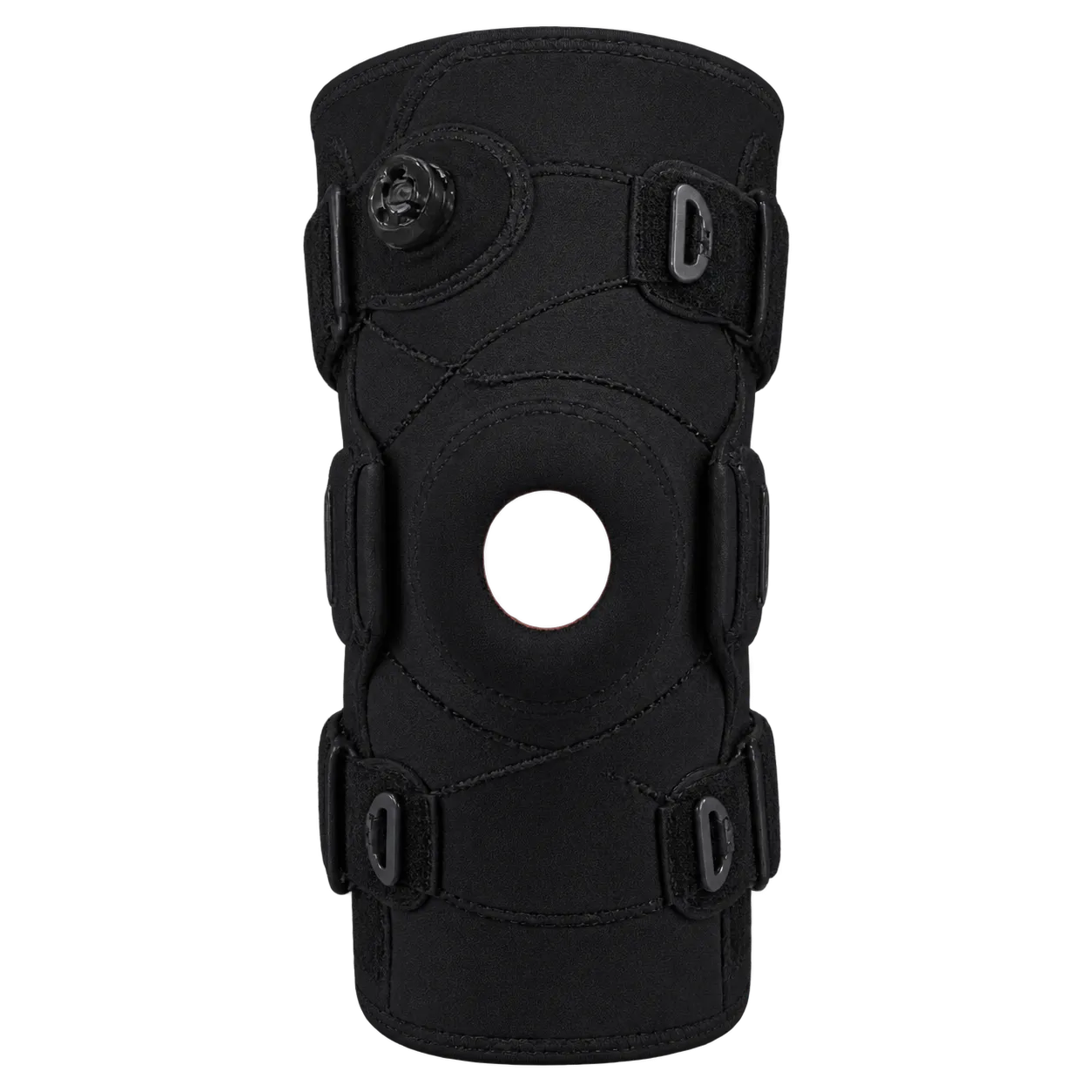
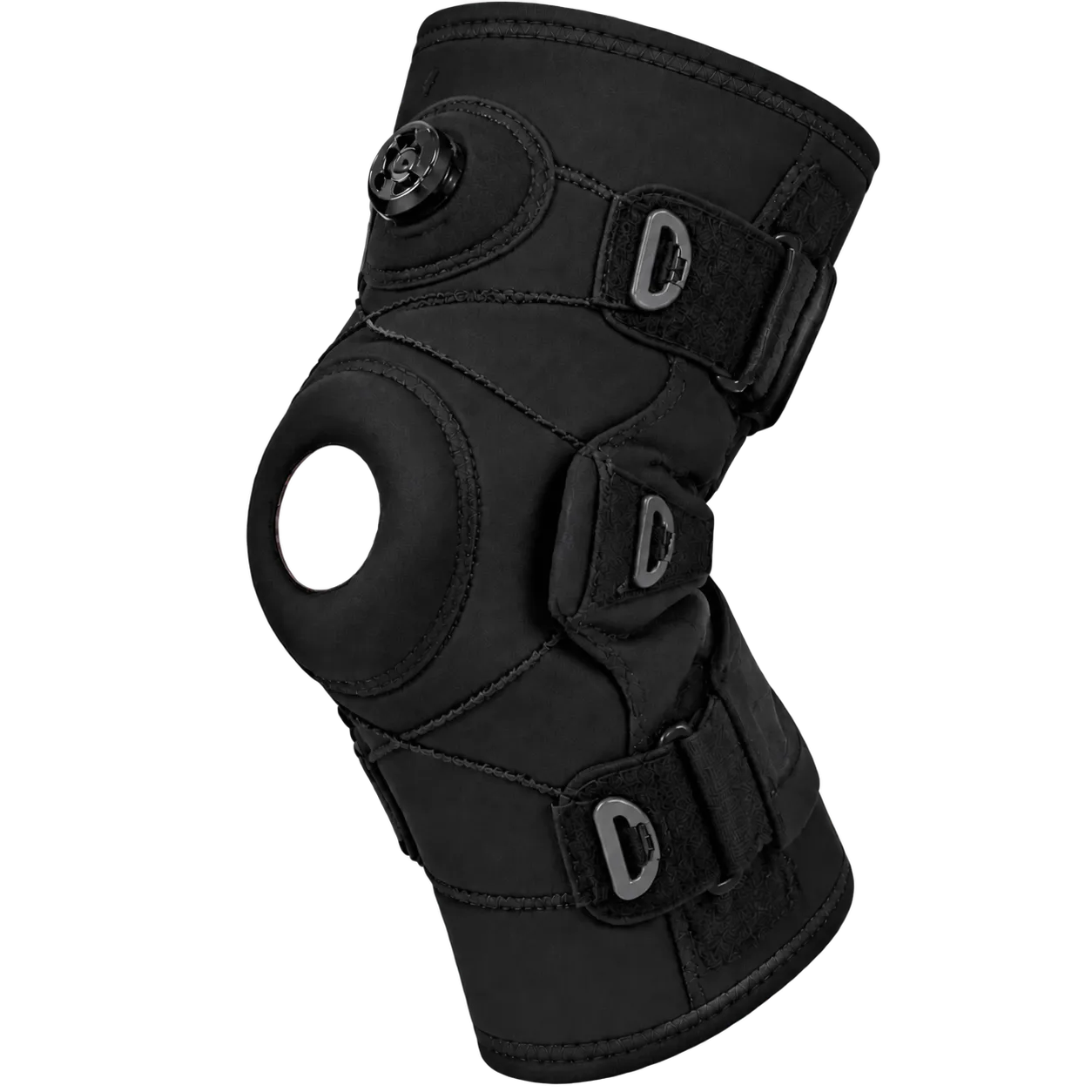
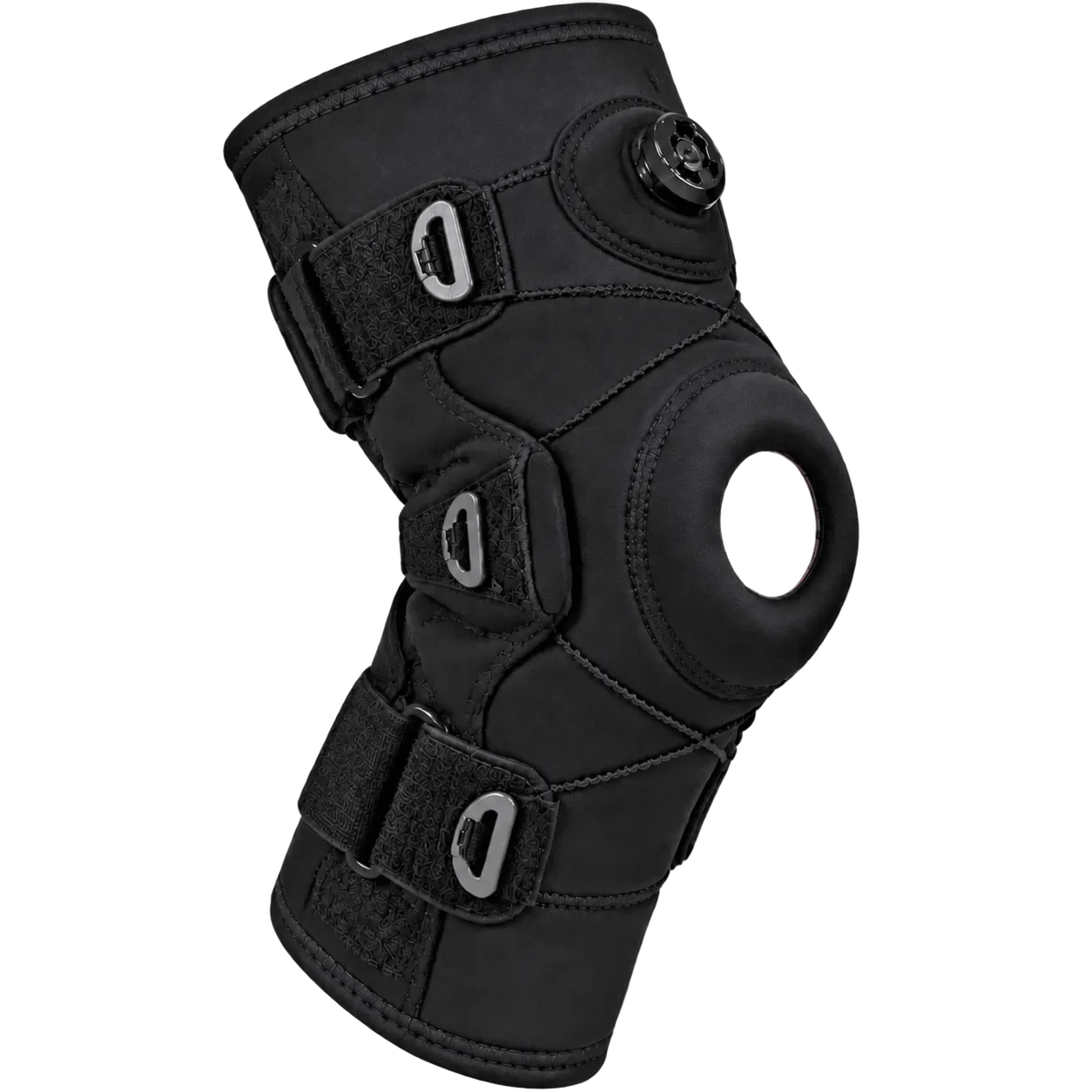
Physiotherapy and musculoskeletal services are the natural home for the BL-42012. Patients with anterior knee pain, including chondromalacia patellae, can use it as a comfort aid during an exercise programme, with clear instructions on how firmly to set the dial.
Sports medicine clinics and team medical staff may use it for knee protection during sport, as the datasheet lists. The dial allows quick adjustment between warm-up and play, although you should check the rules of each sport for aluminium hinges.
Patellar instability services can consider it for displacement or instability alongside strengthening, once a first dislocation has been assessed. The open patella keeps the kneecap uncovered, with the hinges supporting the joint above and below.
Orthopaedic and fracture clinics may use it for chronic inflammation after knee injury, once acute injuries have been assessed. It is not suited to fractures or fresh repairs, since no lock or range limit is published.
Primary care and community musculoskeletal teams can fit it for chronic knee complaints where the thigh circumference matches one of the listed sizes. Measuring the thigh before choosing a size avoids overtightening a brace that is too small.
Across all settings, the Cochrane finding that knee braces may add little to exercise for kneecap pain is worth sharing with patients, and circulation checks after tightening should be routine.
NHS procurement routes ask for the device class and the declaration of conformity, and public buyers in other countries ask for the equivalent. The conformity documentation those procurement routes require is issued by the manufacturer and provided by the seller.