
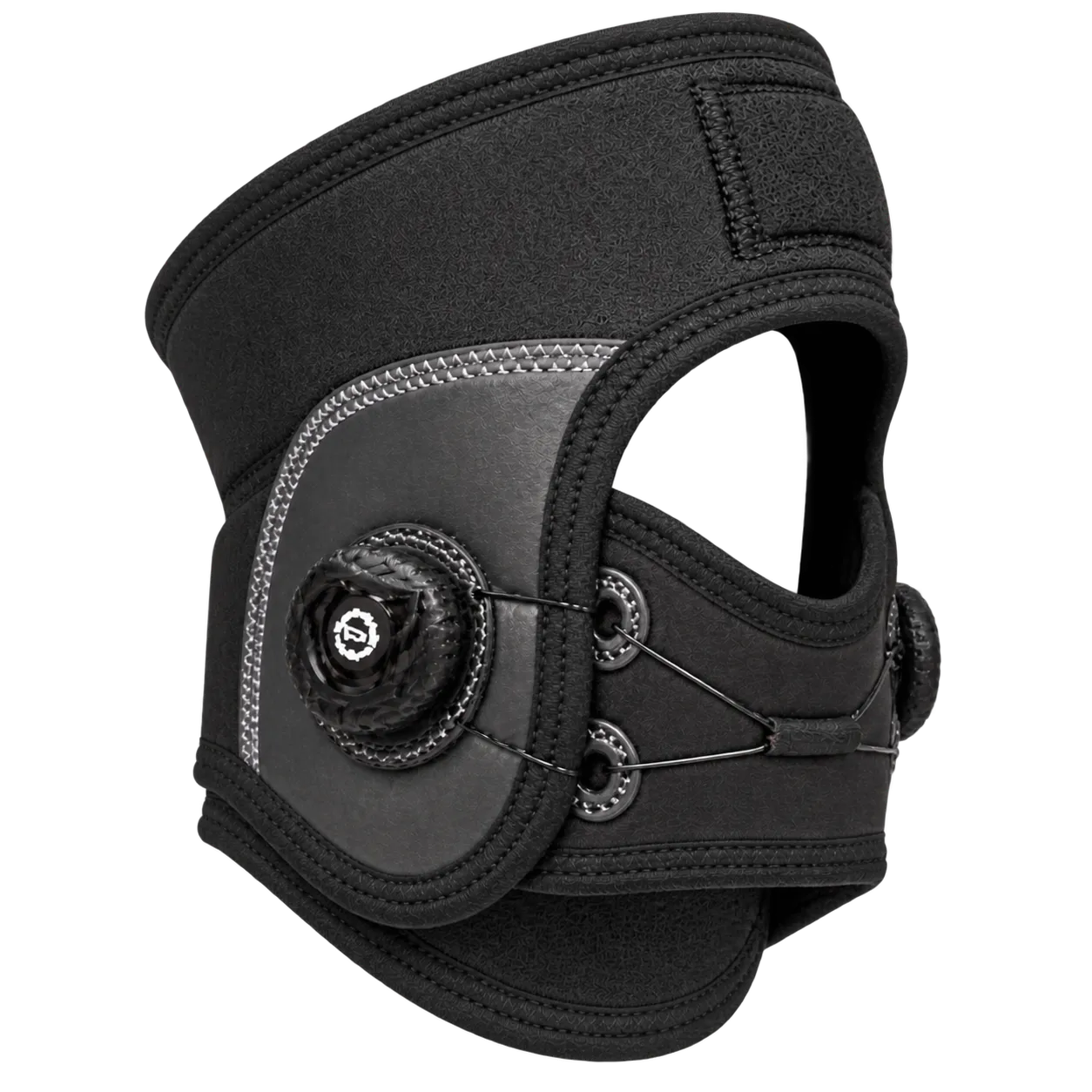
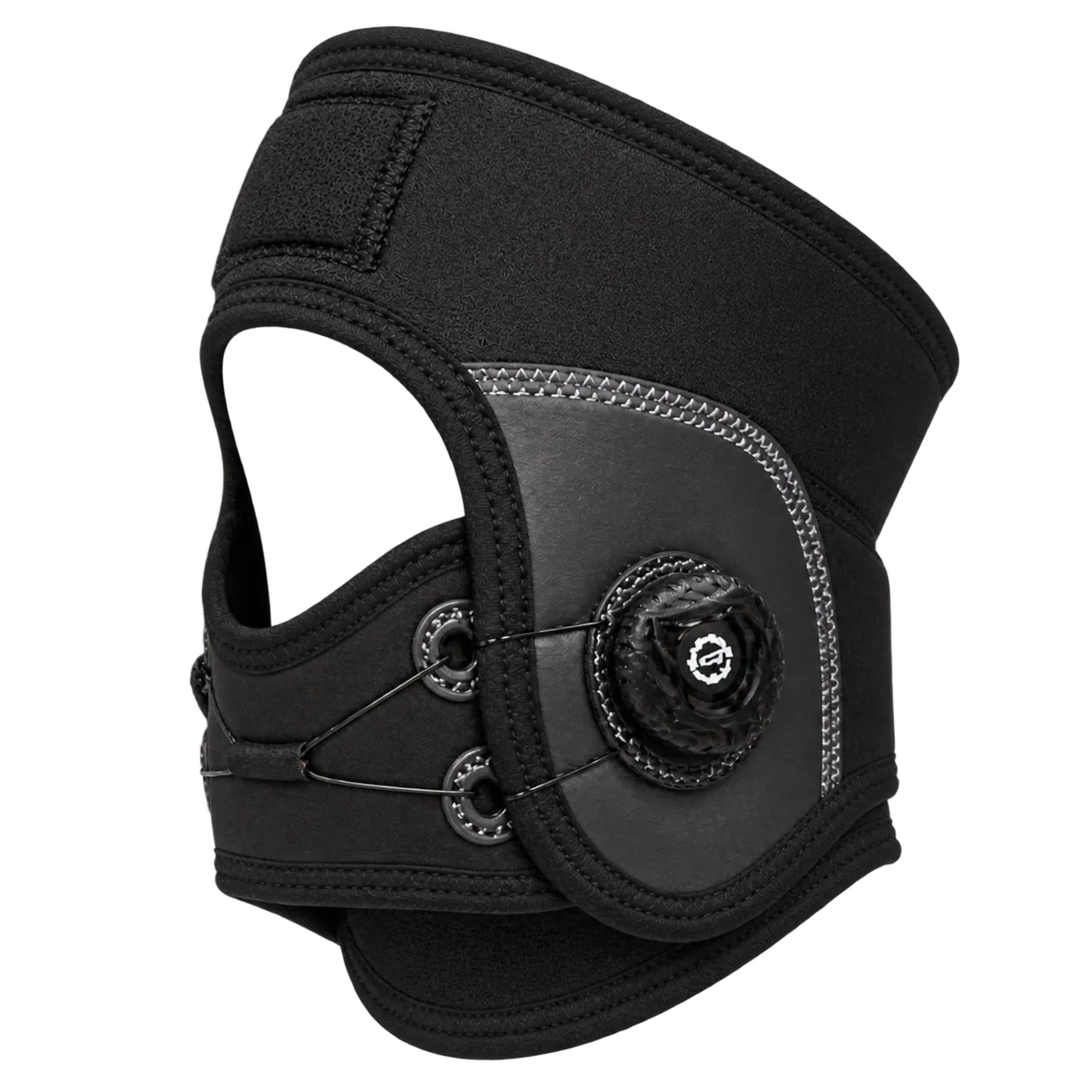
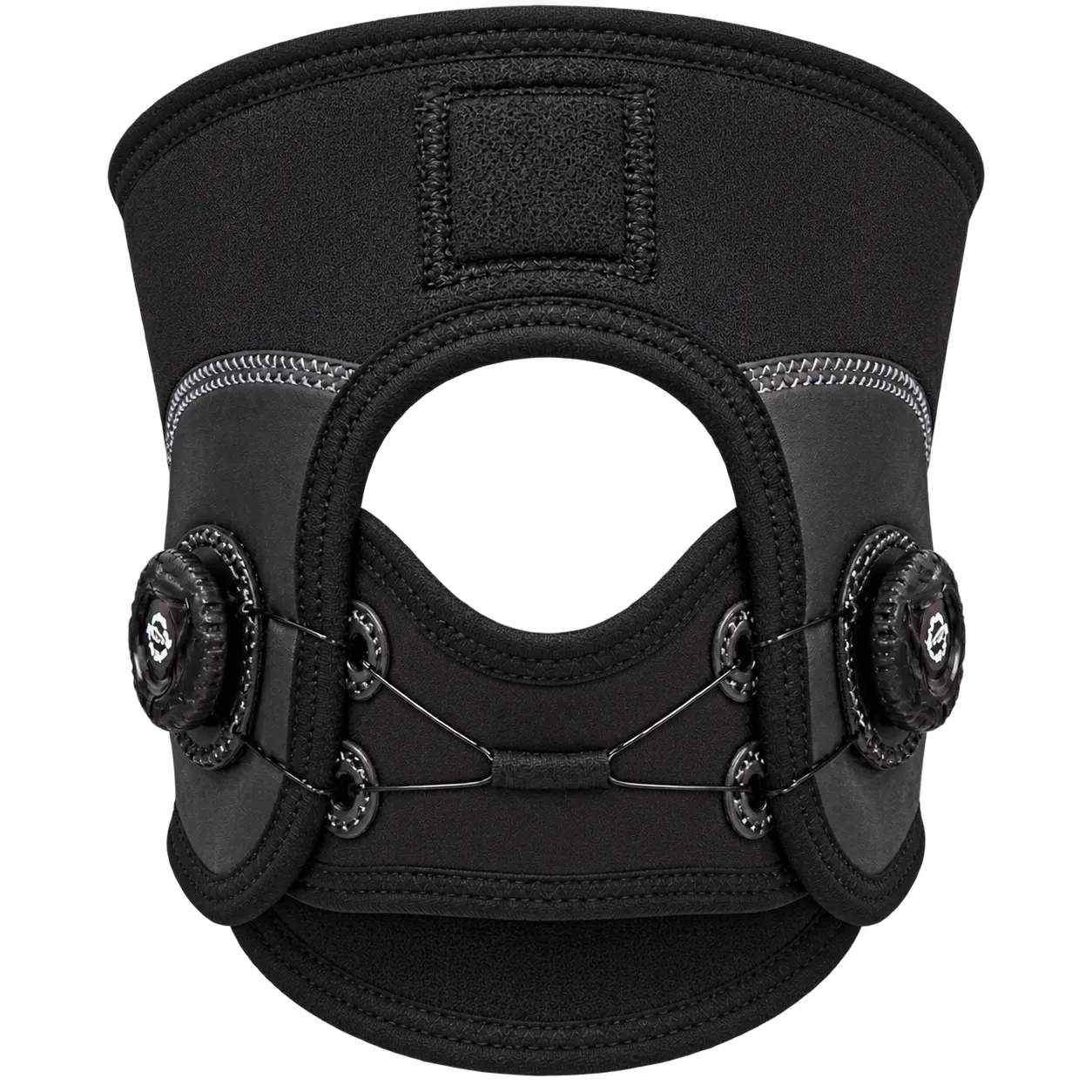
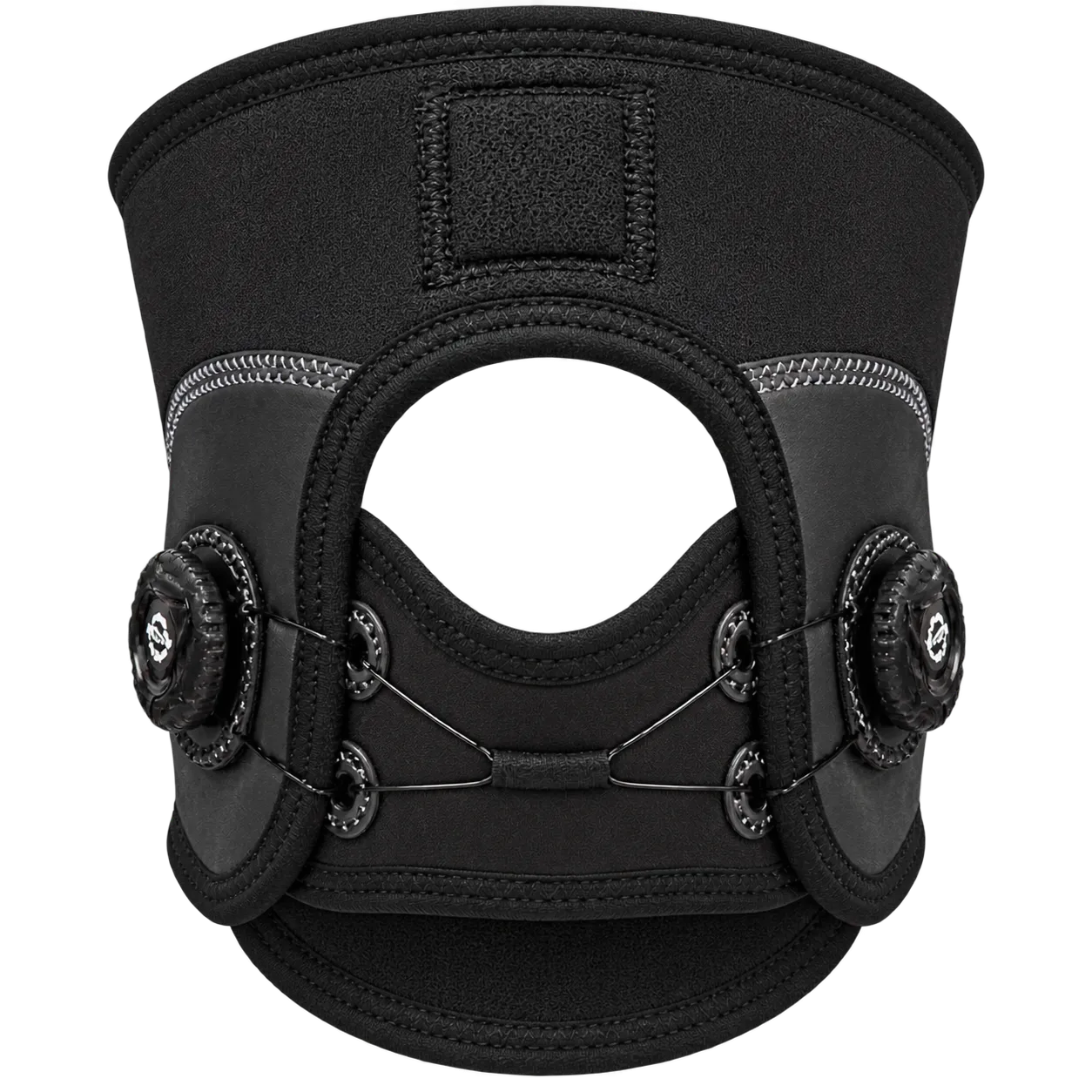
Sports medicine clinics and team medical staff are the natural home for the BL-42005. Athletes with patellar problems or minor ligament strains who need to keep training can use a compact brace that stays in place during running and jumping, with the dial set firm but comfortable.
Physiotherapy and musculoskeletal services can offer it alongside a strengthening programme for patellar instability or anterior knee pain, making clear that exercise does the main work and the brace is a comfort aid.
Patellar instability services may use it after assessing a first dislocation, as support during the return to activity. The open front leaves the kneecap uncovered, with the aluminium stays and dial tension providing support around it.
Primary care and community musculoskeletal teams can fit it for active patients with patellar complaints, measuring the thigh first and choosing the nearest of the three sizes.
Orthopaedic and fracture clinics should not use it for fractures, fresh repairs or complete ligament tears. It has no hinge or lock, and the immobiliser label on the datasheet should not be taken at face value.
School and club sports settings may see it worn during training. Coaches and physiotherapists should check that the dial is not overtightened before activity and remove the brace if the knee swells or pain increases.
NHS procurement routes ask for the device class and the declaration of conformity, and public buyers in other countries ask for the equivalent. The conformity documentation those procurement routes require is issued by the manufacturer and provided by the seller.