
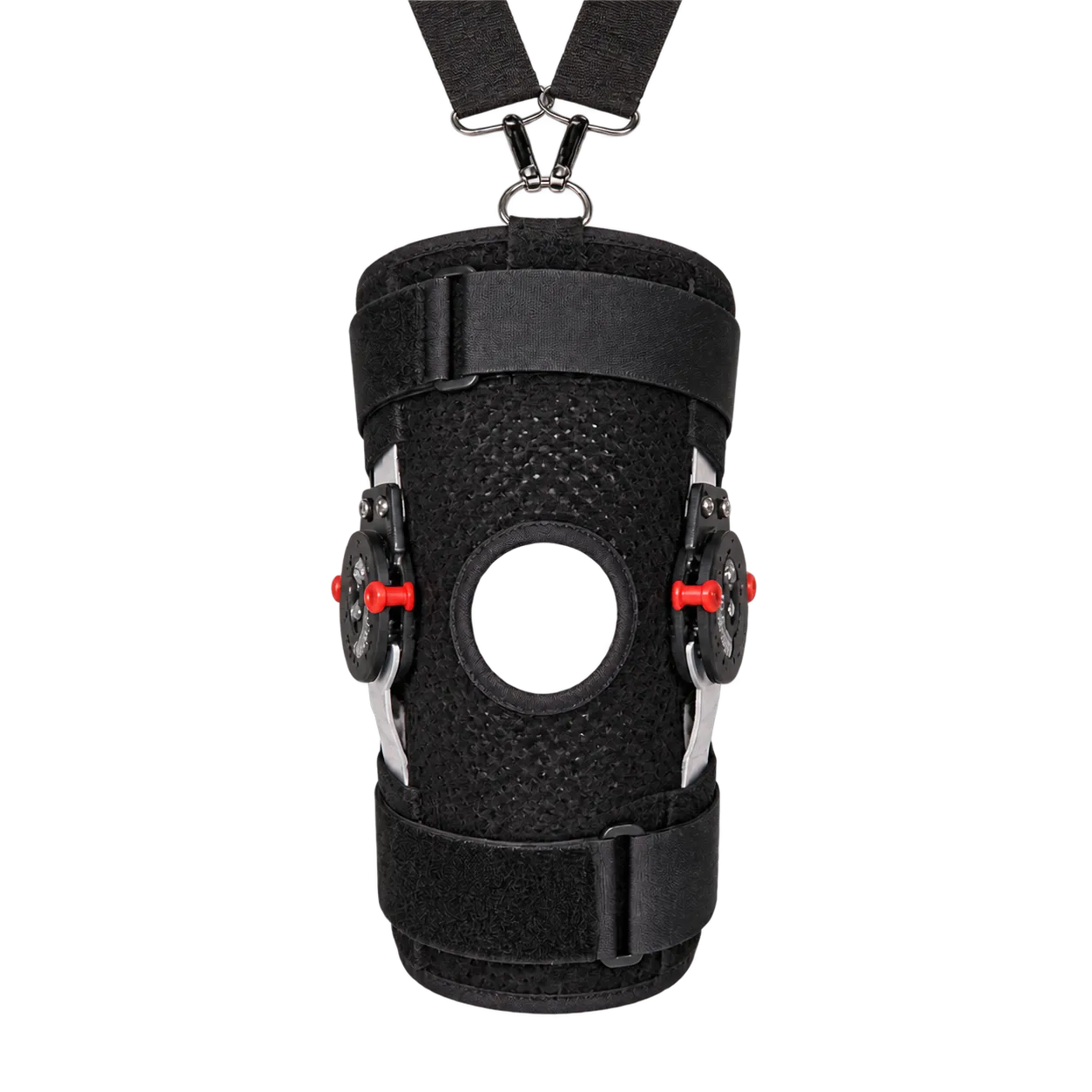
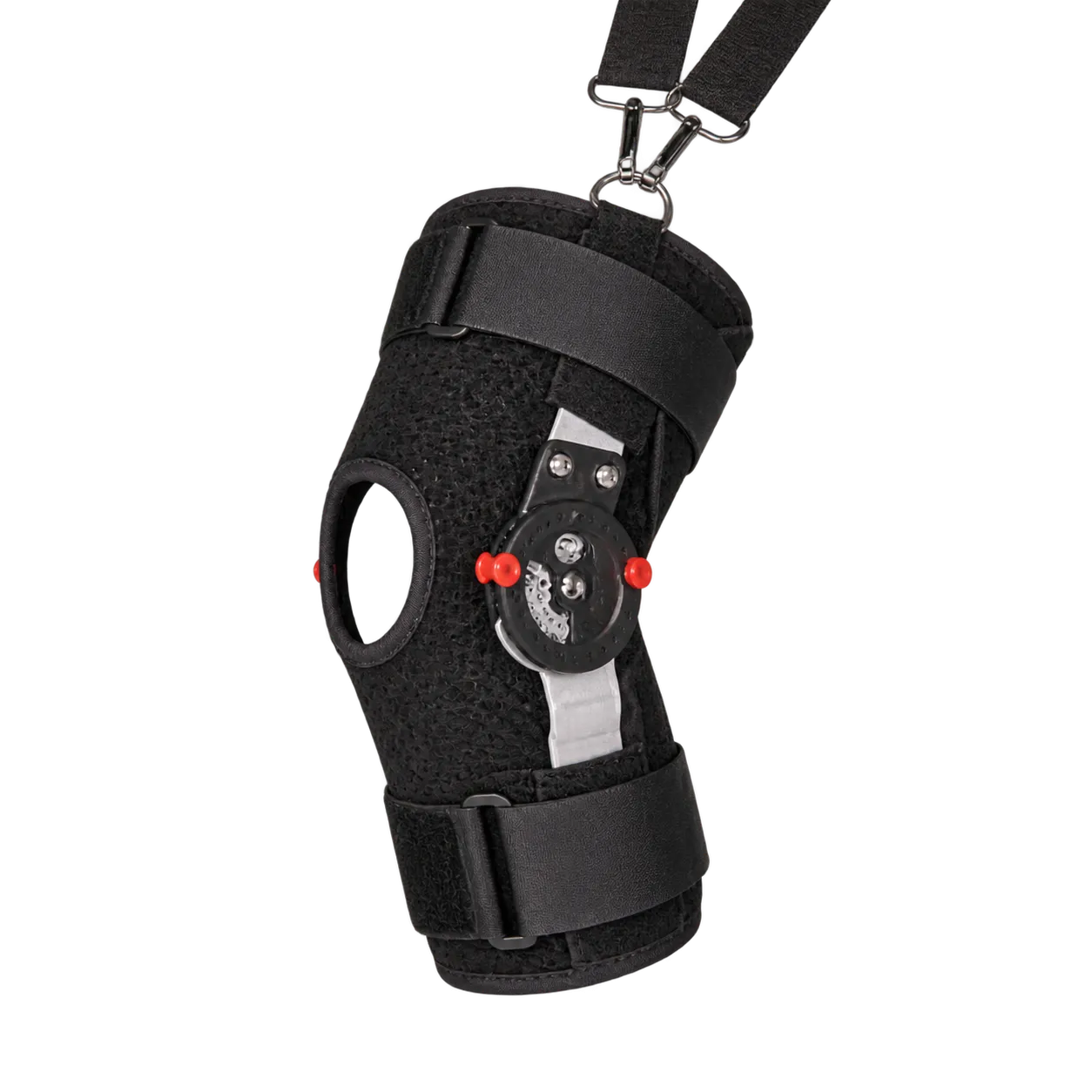
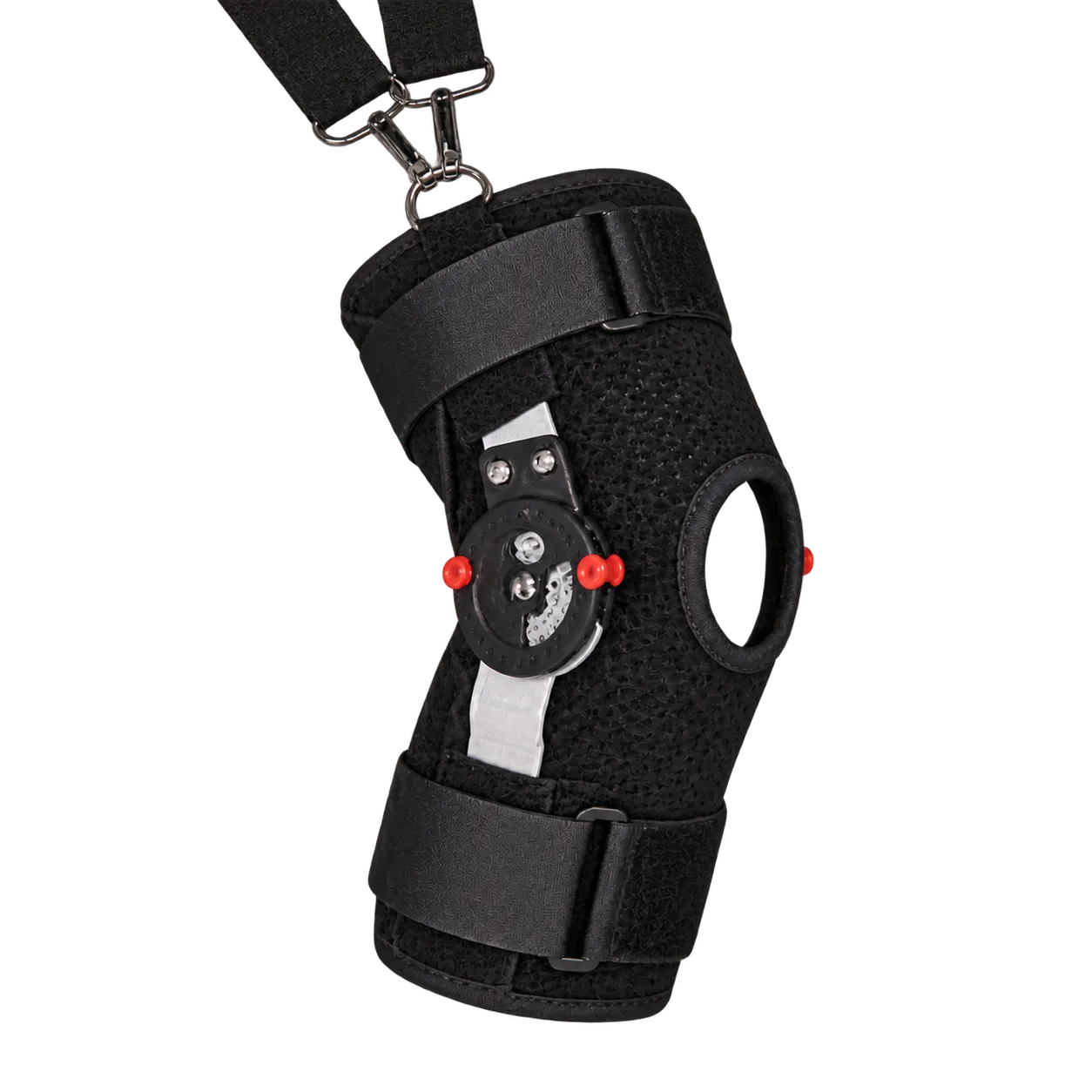
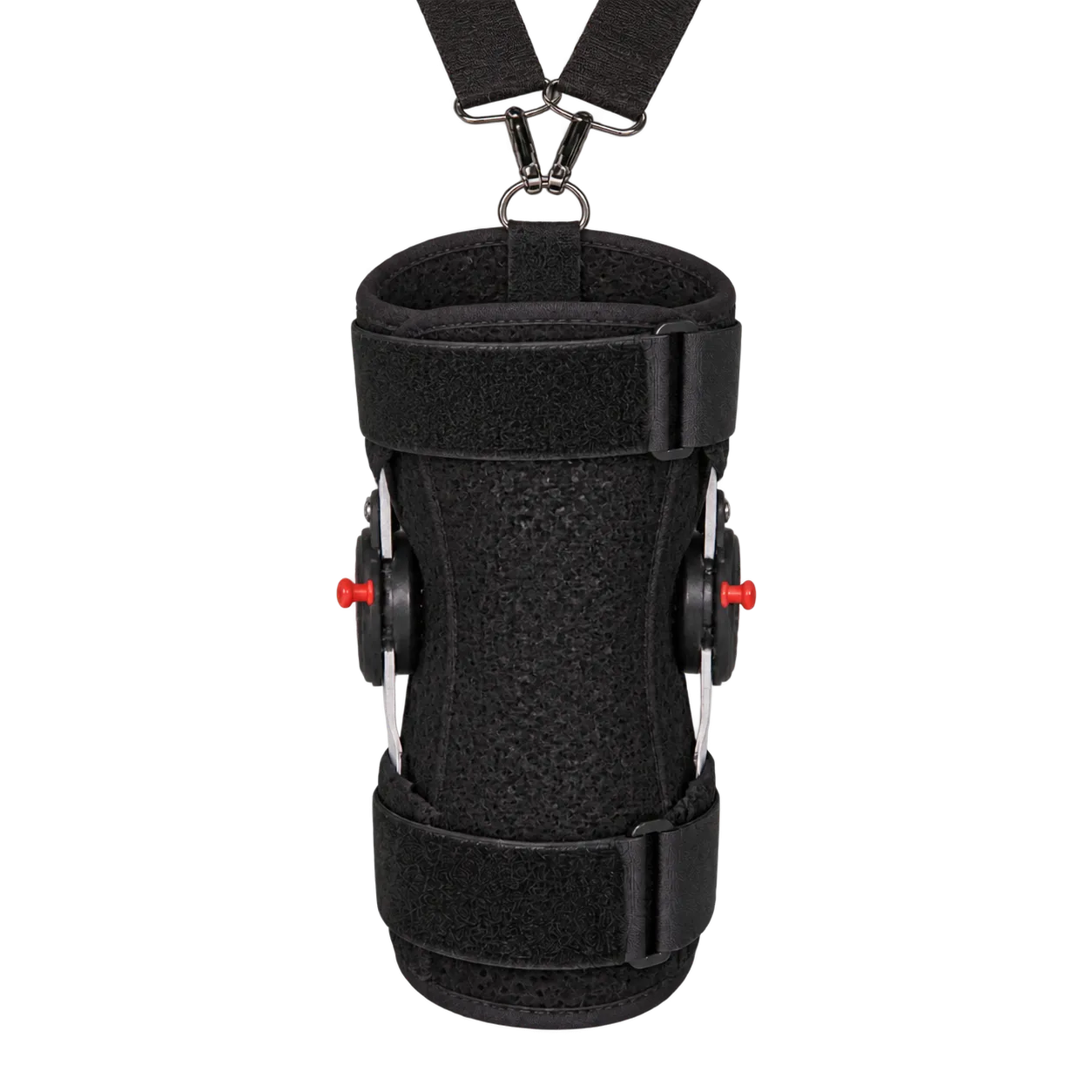
Physiotherapy and musculoskeletal services are the natural home for the BL-42003. Patients with anterior knee pain, including chondromalacia patellae, can use it for comfort and confidence during an exercise programme, with the clear message that exercise does the main work.
Sports medicine clinics and team medical staff may use it for knee protection during sport, as listed on the datasheet. The hinges guide flexion, and the straps help keep the brace in place during activity, although you should check the rules of each sport for metal components.
Orthopaedic and fracture clinics can consider it for chronic knee pain or post-injury pain once acute injuries have been assessed. It should not be used where a fracture or repair needs the knee locked, since no lock or range limit is published.
Patellar instability services may use it for subluxation or displacement alongside strengthening, after a first dislocation has been assessed. The silicone ring frames the kneecap, but check the skin around it early.
Primary care and community musculoskeletal services see chronic knee pain every day. A pull-on hinged sleeve with thigh-based sizing is straightforward to fit, provided the patient's thigh circumference is between 32 and 46 cm.
Across all settings, the Cochrane finding that knee orthoses may add little to exercise for kneecap pain is worth sharing with patients, so expectations stay realistic.
NHS procurement routes ask for the device class and the declaration of conformity, and public buyers in other countries ask for the equivalent. The conformity documentation those procurement routes require is issued by the manufacturer and provided by the seller.