
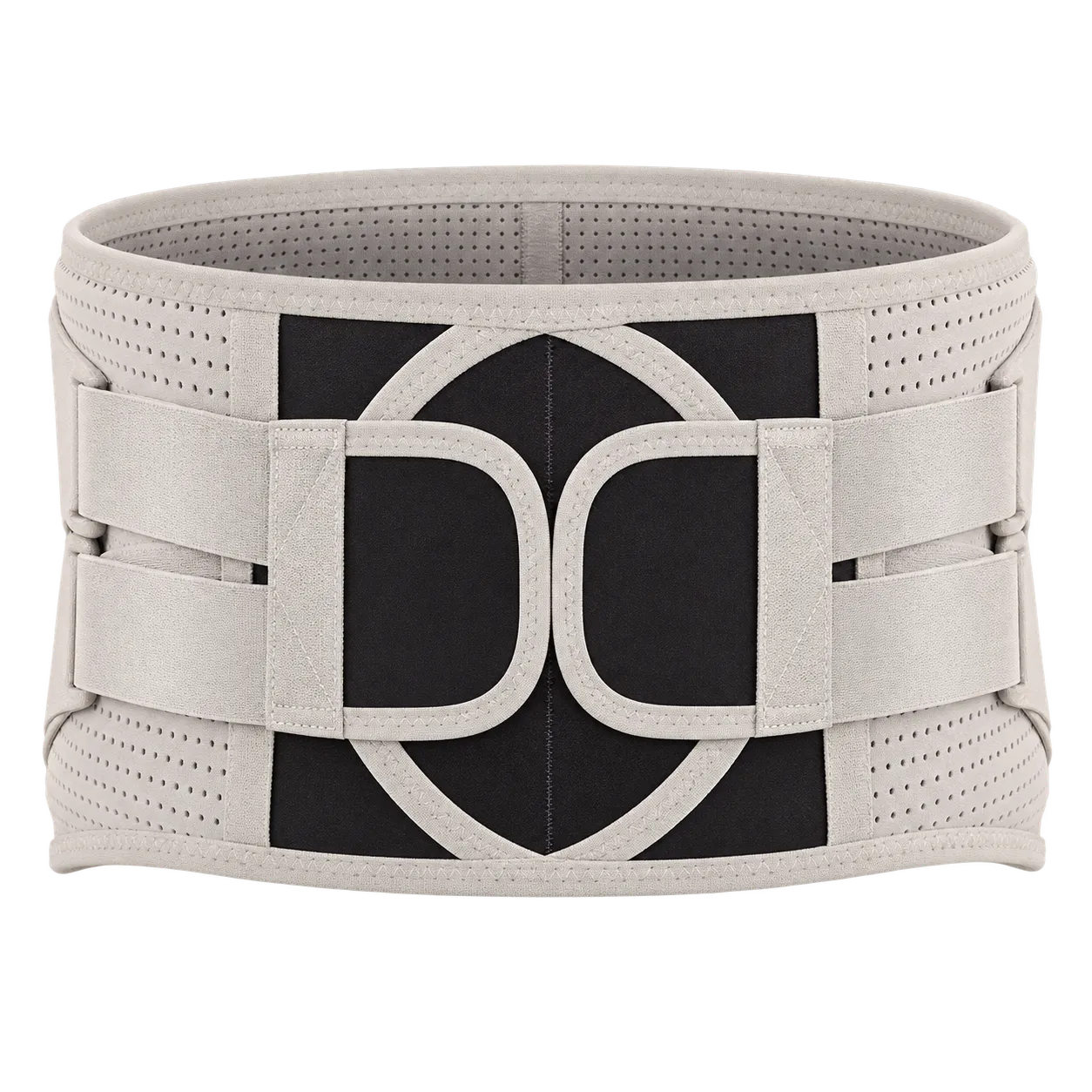
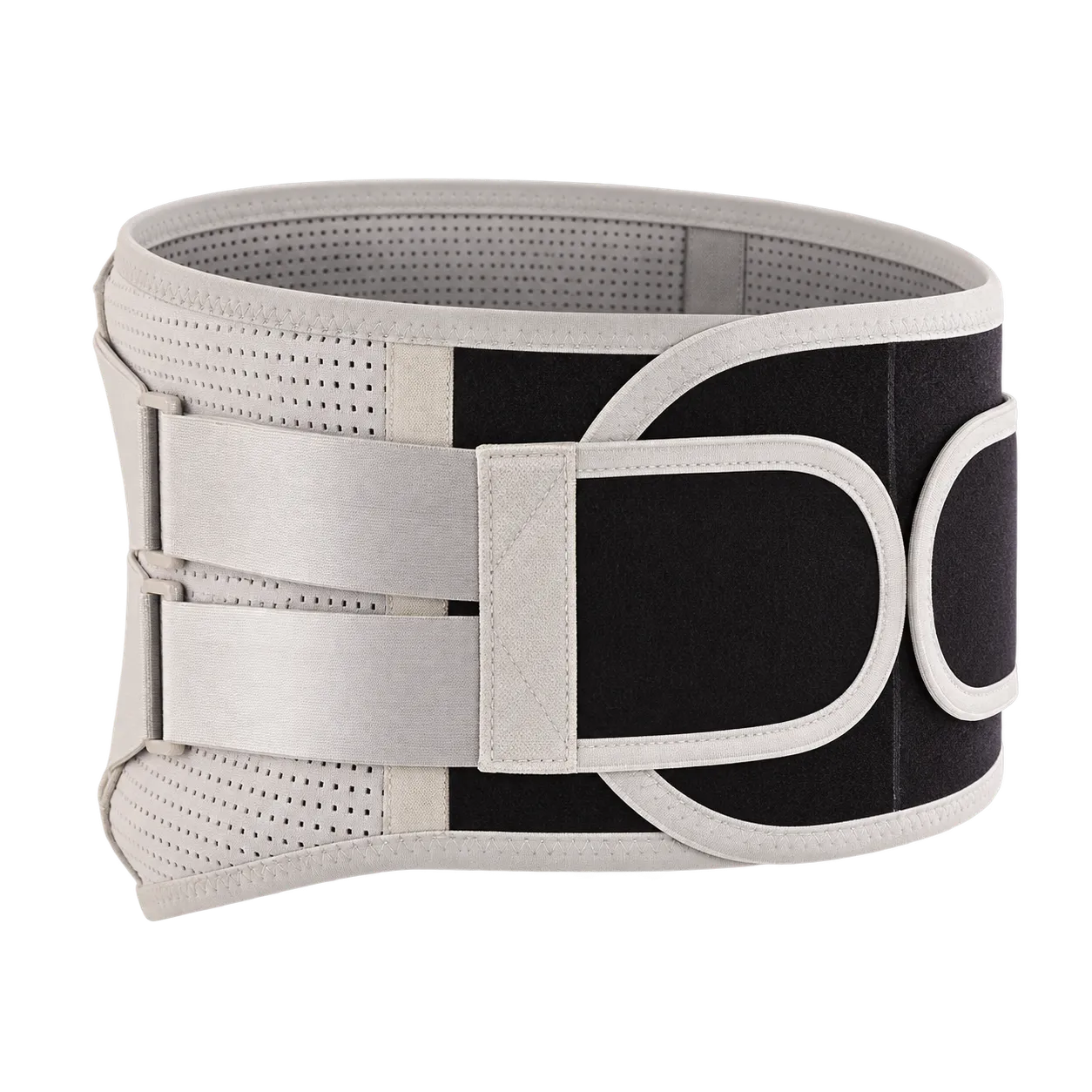
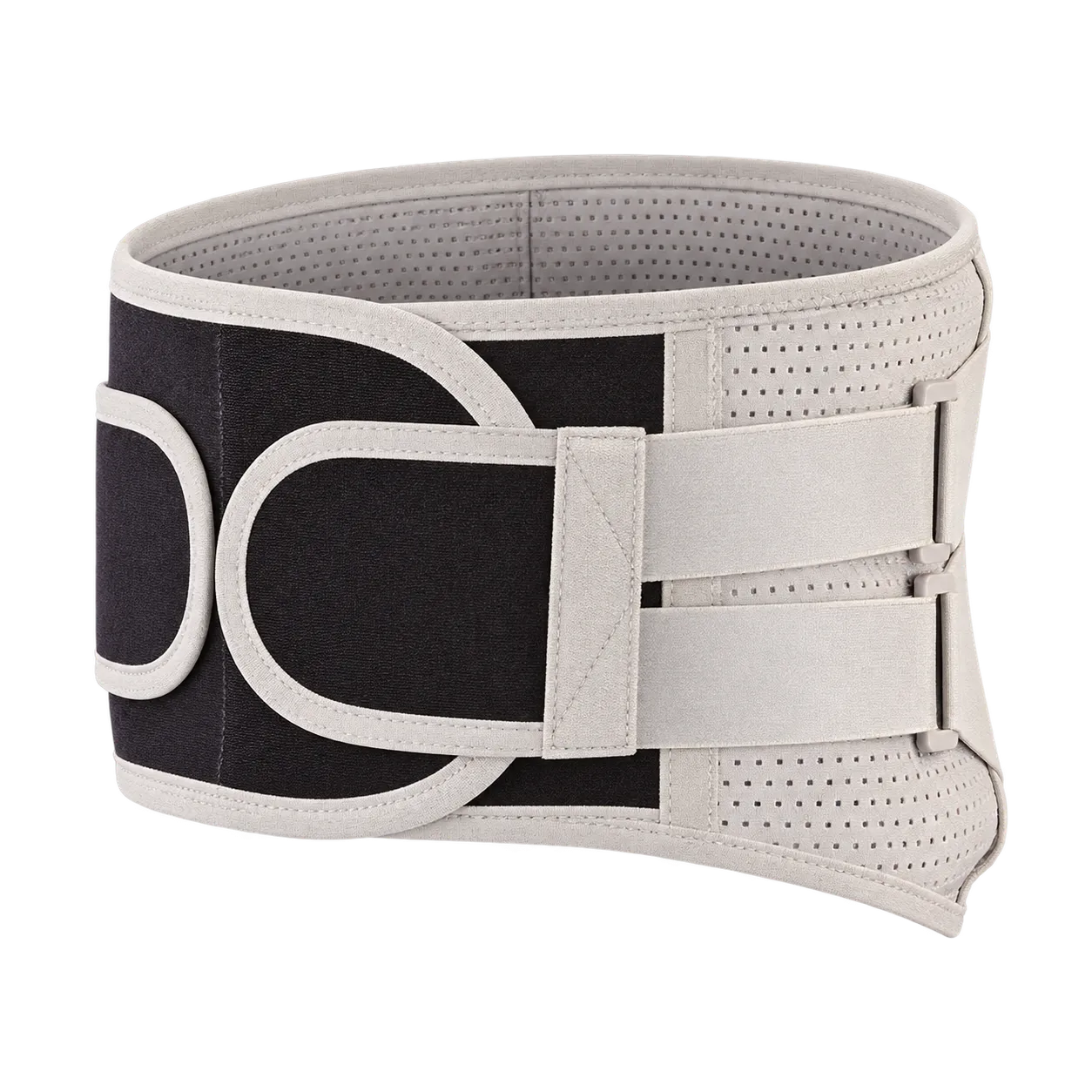
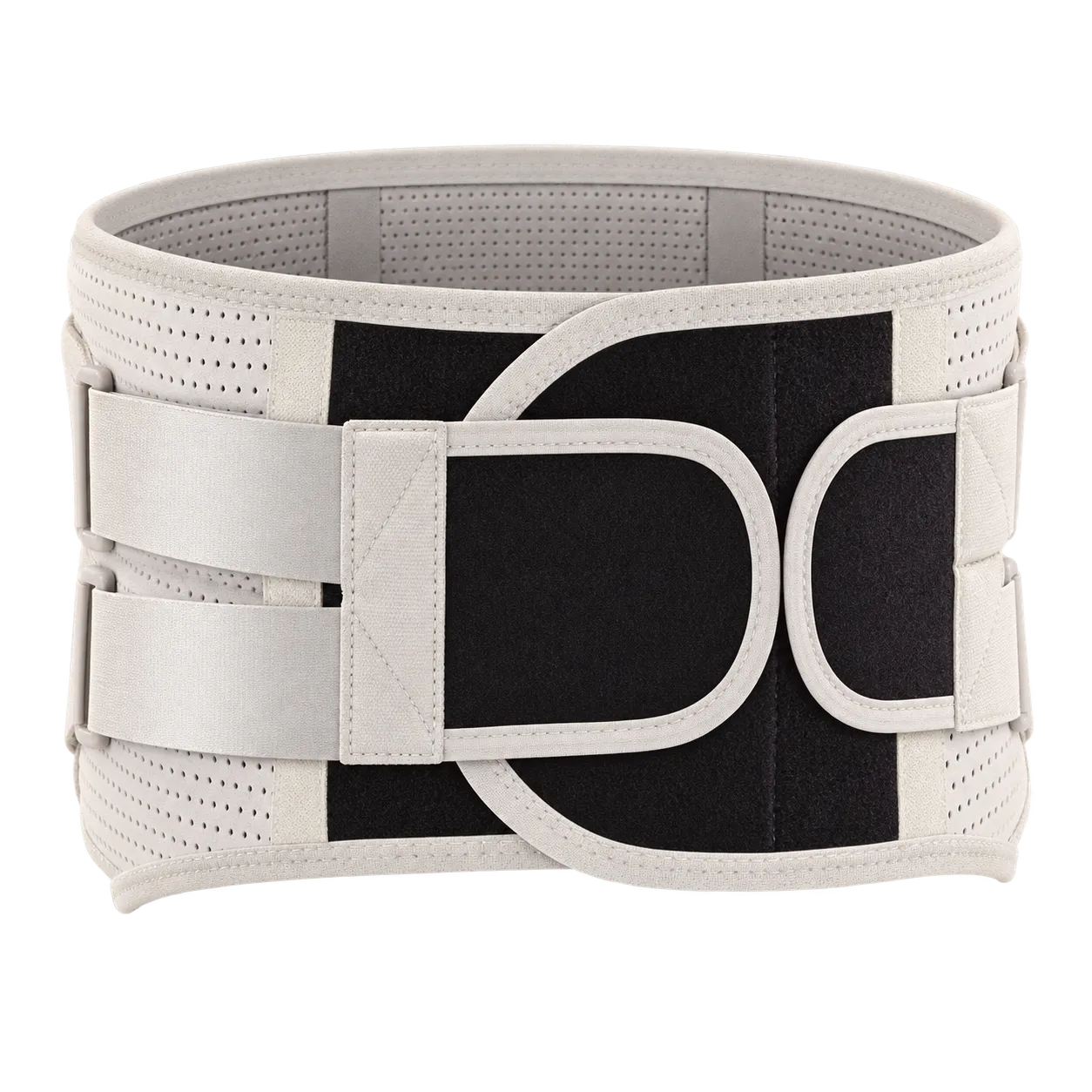
Musculoskeletal clinics, orthotic suppliers, and pharmacies in markets whose guidance allows short-term lumbar support can stock the BL-32006 for adults with recent nonspecific low back pain, issued by a clinician alongside advice to stay active. The 2026 French trial gives those services a protocol to work from: 12 weeks of daytime wear, four to eight hours a day, added to usual care. Sports medicine and physiotherapy services can hold it for athletes whose clinician wants support during return to activity. Orthotic suppliers can keep all four sizes on one waist chart, which keeps a small stock manageable. In the UK, services following NICE NG59 do not offer belts for managing low back pain, so UK clinical use sits outside that pathway and rests on individual clinical judgement.
The case for the brace is thin in prevention. The 2016 meta-analysis found no protective effect of back belts against new episodes of low back pain, which is why occupational and office programmes are built on exercise. Red flags take priority over any device: numbness in both legs, lost feeling around the genitals or anus, and bladder or bowel changes need emergency care, as NHS guidance sets out. Persistent pain that is getting worse, or pain after a serious fall or accident, needs assessment before any support is chosen. Where the belt is used, its wear time and stopping point belong in the clinical record.
Public tenders, from NHS frameworks to health systems abroad, require a device's conformity status and registration. The conformity documentation those procurement routes require is issued by the manufacturer and shared by the enquiry team.