
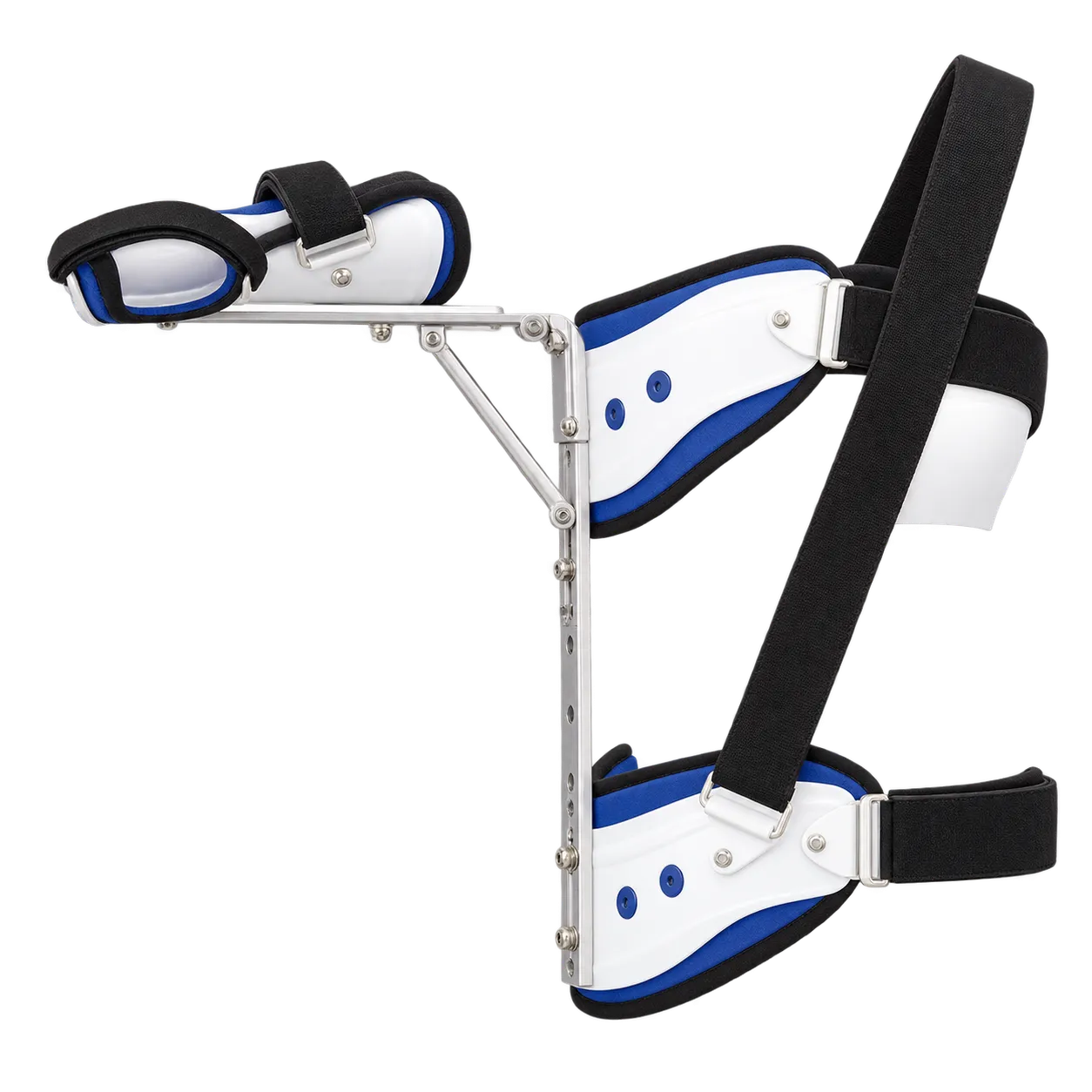
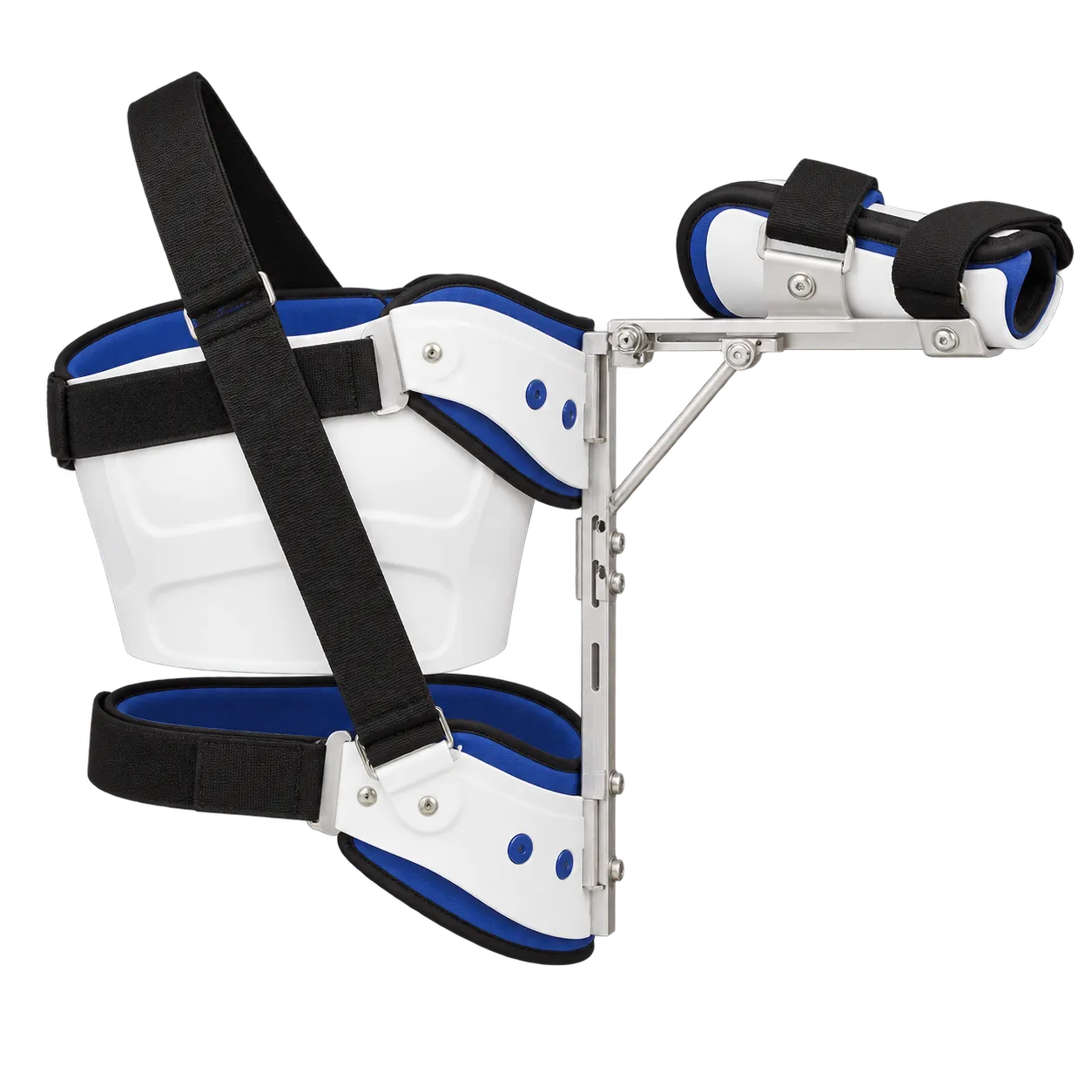
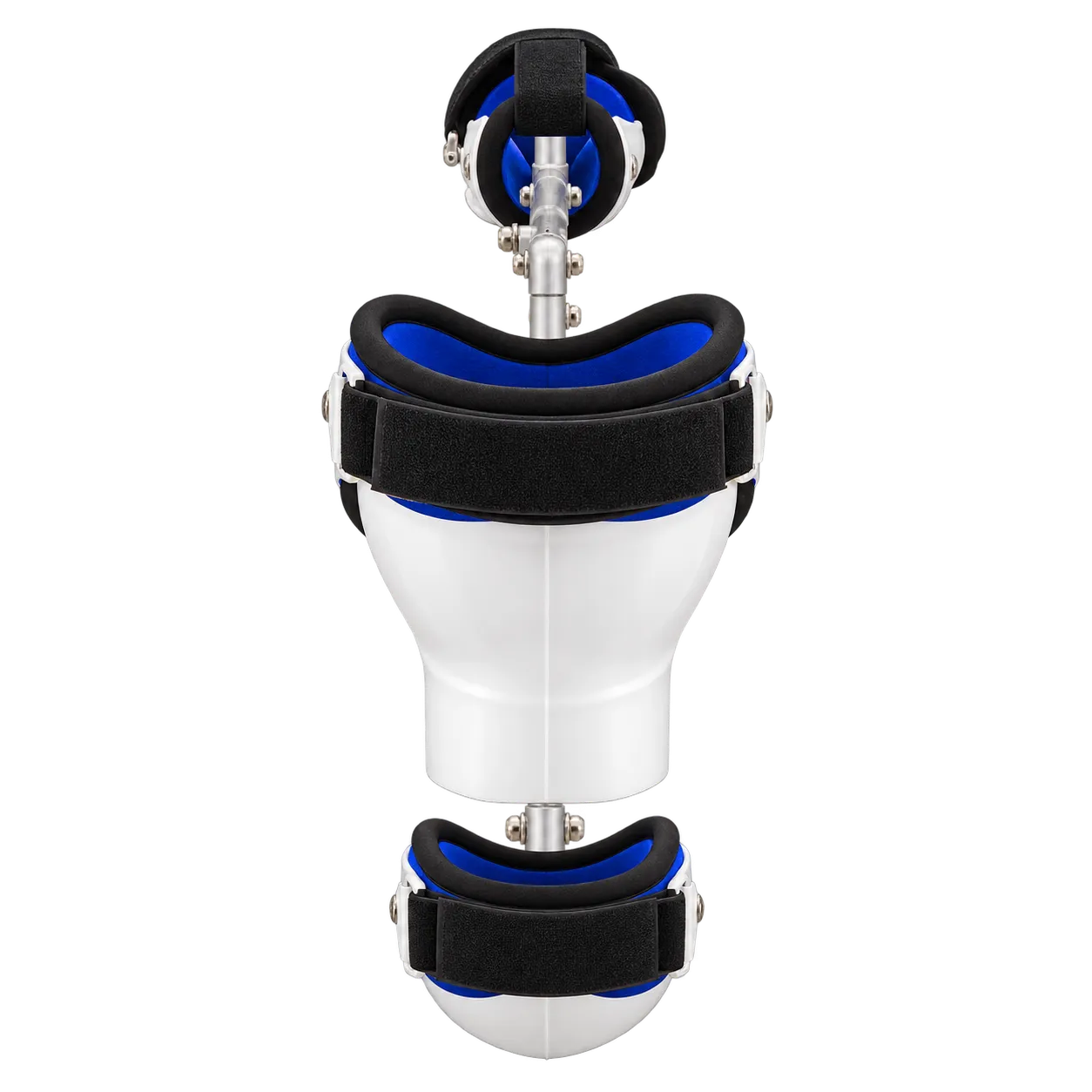
Shoulder and upper limb surgical teams can use the BL-22039 where their protocol calls for abduction immobilisation after repairs, such as some rotator cuff or stabilisation procedures. Orthopaedic wards and day surgery units can fit it before discharge and rehearse sleeping, dressing and moving about with the patient and carer. Fracture services can use it for humerus fractures, or after a shoulder has been reduced, where the treating team specifically wants the arm held in abduction. Hand therapy and physiotherapy services can use the brace period to start hand, wrist, and elbow exercises and teach the patient how the protocol will progress.
Evidence shapes the choice. Trials after rotator cuff repair show no significant differences in outcomes between abduction braces and slings, with poorer early sleep and satisfaction reported with braces, so braces suit protocols that call for abduction. A frame that holds the arm out changes balance and makes doorways and stairs harder, which matters for older patients. Every fitting should include checks of the skin under the base and forearm rest, sensation and colour in the hand, and a plan for hand, wrist and elbow exercises. Patients and carers should leave with written guidance on wear time, removal and warning signs.
Purchasing in NHS trusts and public health systems abroad goes through procurement routes that require a device's conformity status and registration. The conformity documentation those procurement routes require is issued by the manufacturer and shared by the enquiry team.