
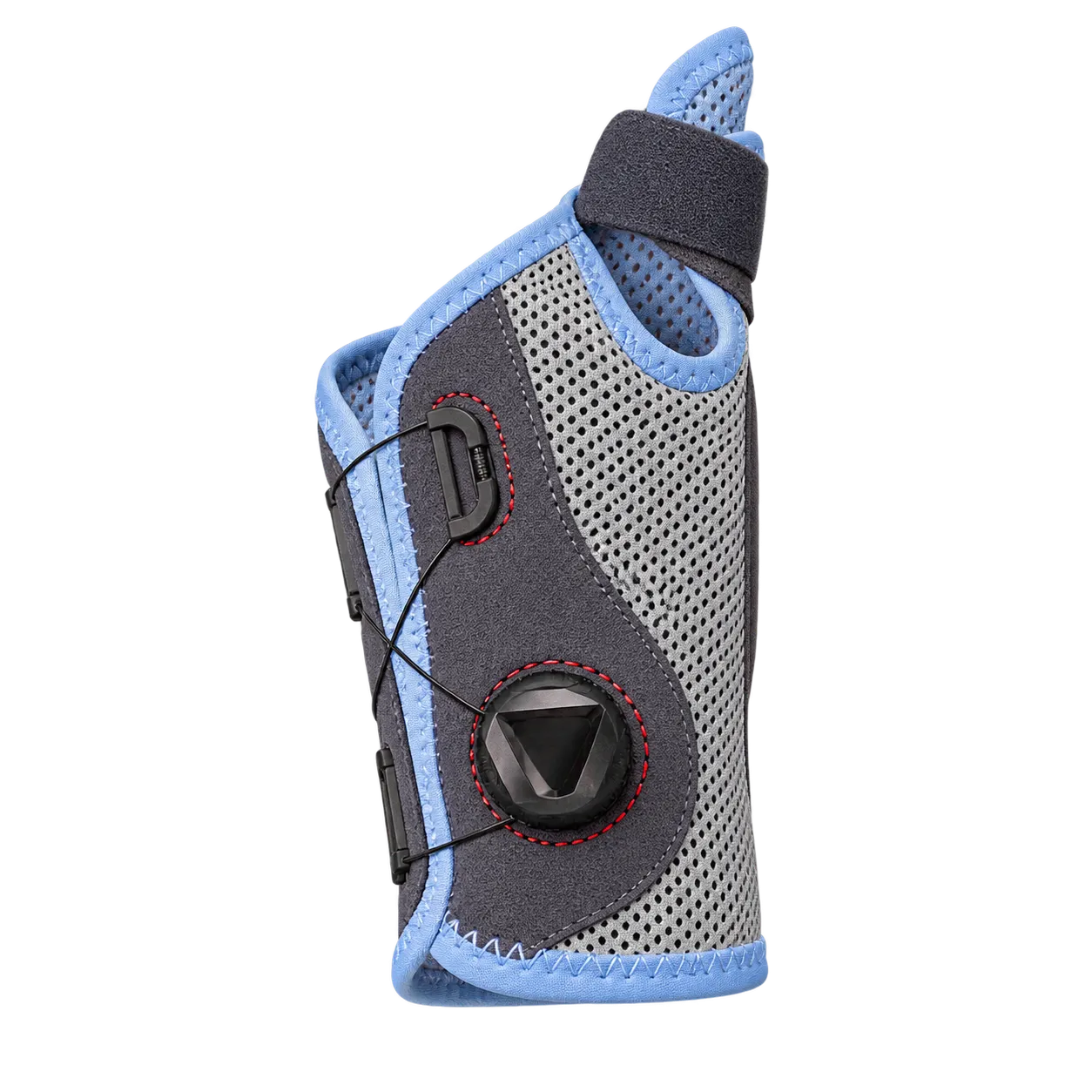
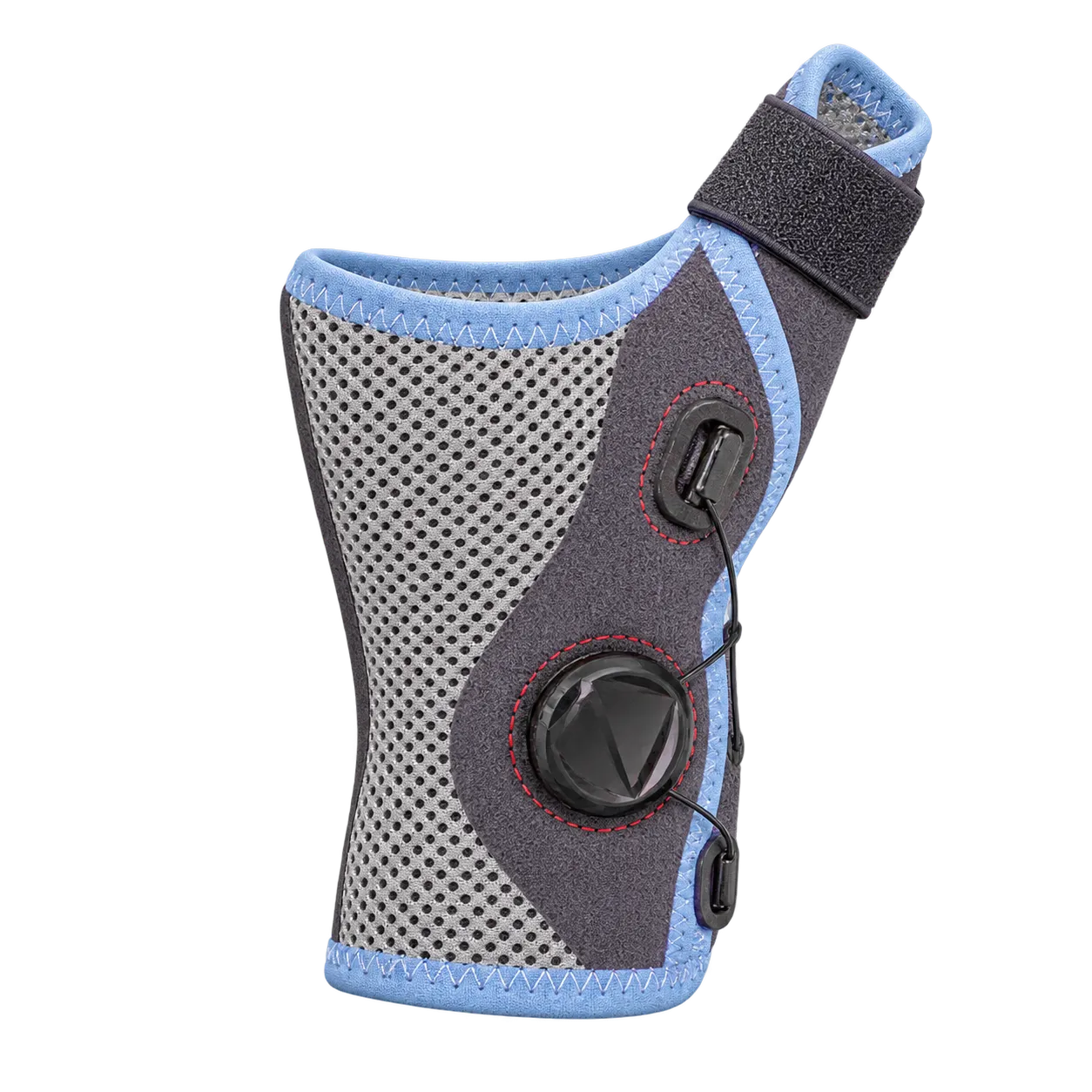
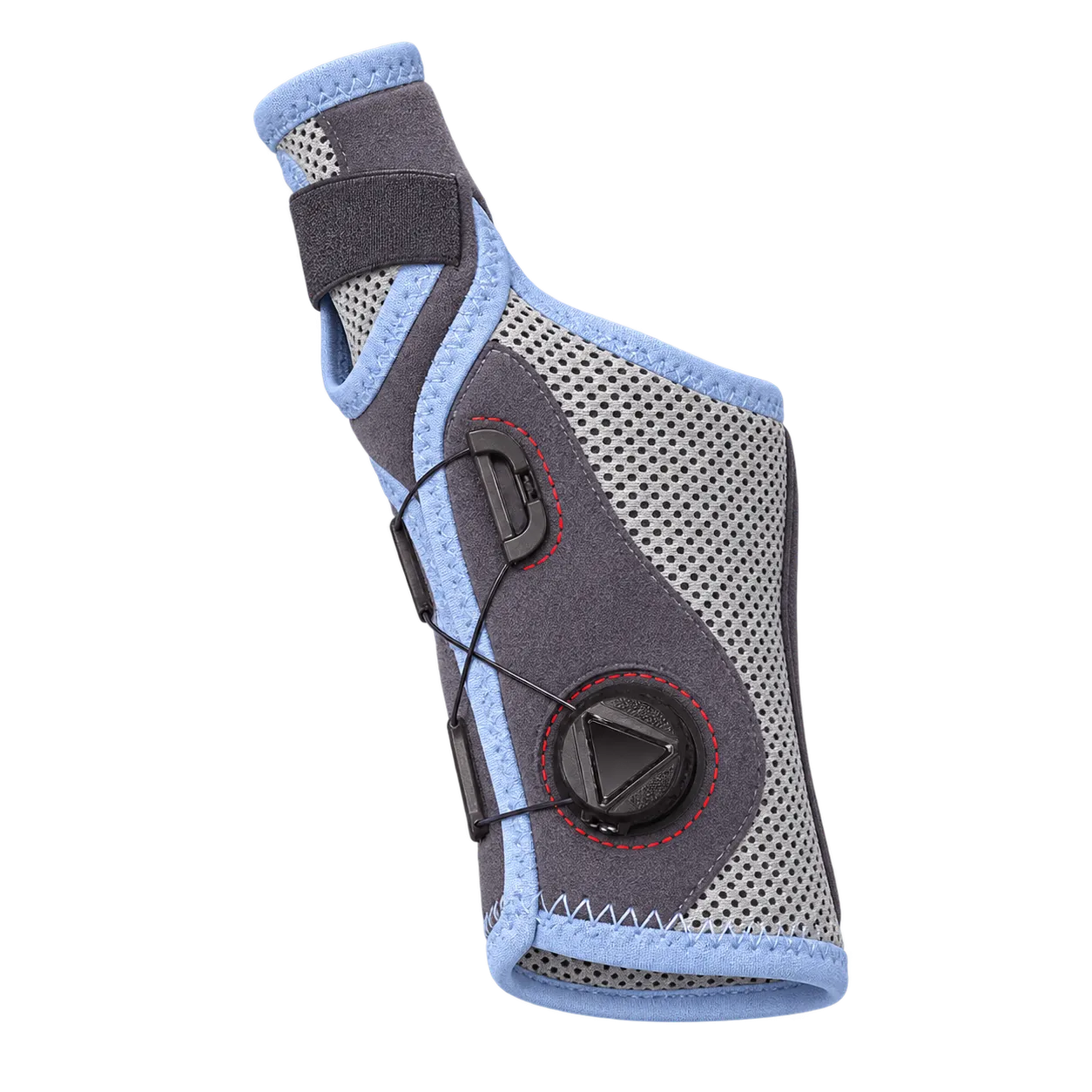
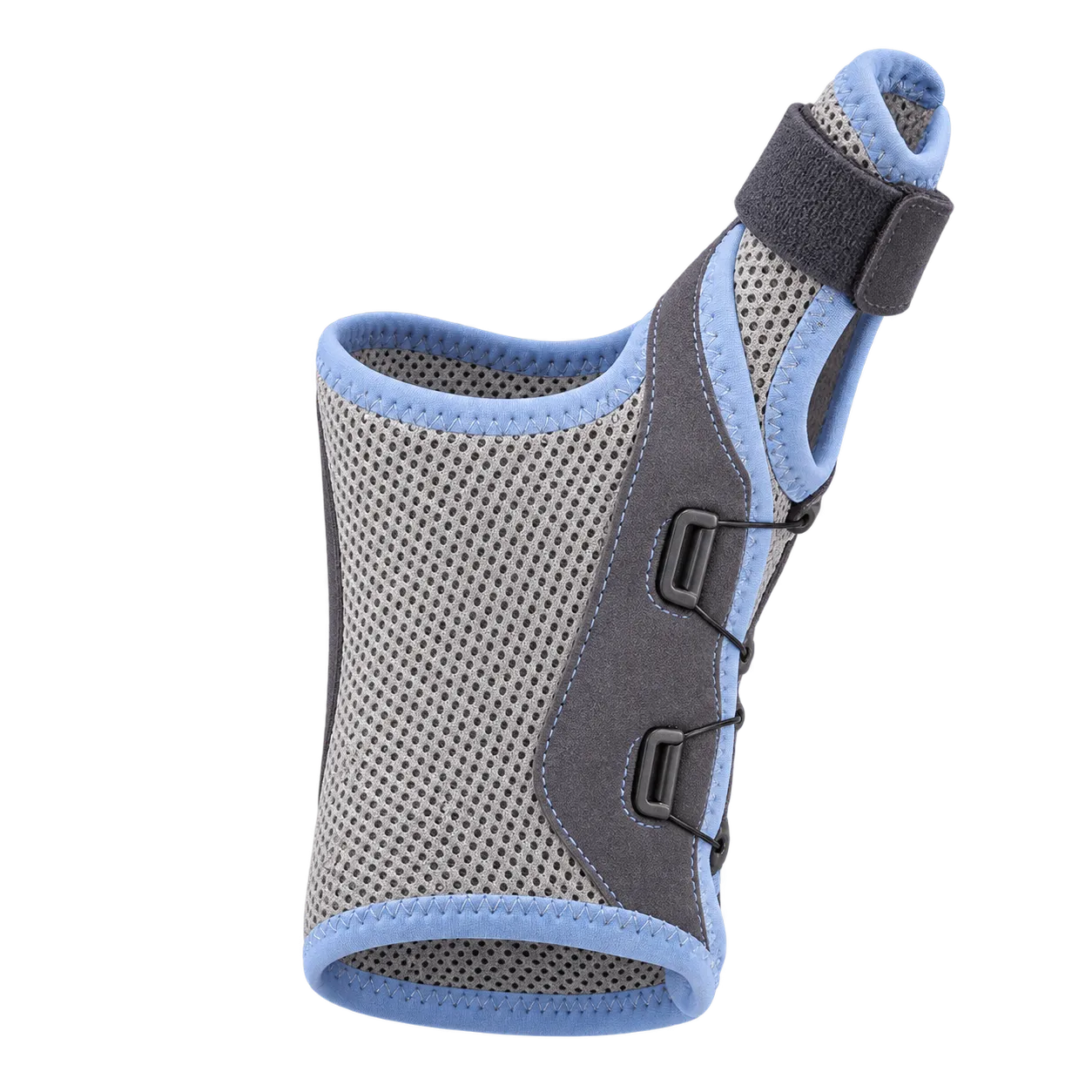
Hand therapy services can use the BL-22005 for De Quervain's tenosynovitis, where recent evidence supports a thumb spica alongside a corticosteroid injection, and for thumb ligament injuries once assessed. Musculoskeletal injection clinics can issue it at the time of injection, so the patient leaves with the recommended combination. Sports medicine clinics and emergency departments can use it for skier's thumb and thumb sprains after examination and any imaging, with referral when a complete tear is suspected. Rheumatology and occupational therapy services can use it for thumb base arthritis in patients who meet NICE's criteria, as part of a plan built around exercise and joint protection. Orthopaedic fracture clinics can use it after thumb injuries once imaging has ruled out a fracture.
The evidence also sets limits. For thumb base osteoarthritis, NICE advises against routine splinting unless there is instability or abnormal loading and exercise alone is not enough, so the brace suits selected patients under a hand therapist, not everyone with arthritis. Fractures, including scaphoid injuries, need imaging first. The dial makes over-tightening easy, so every fitting should include a check of thumb colour, warmth and sensation, and advice on releasing the tension. Patients should leave knowing how to release the dial, how long to wear the brace each day and when to come back.
Procurement teams in NHS trusts and in public systems abroad buy through procurement routes that ask for a device's conformity status and registration. The conformity documentation those procurement routes require is issued by the manufacturer and shared by the enquiry team.