
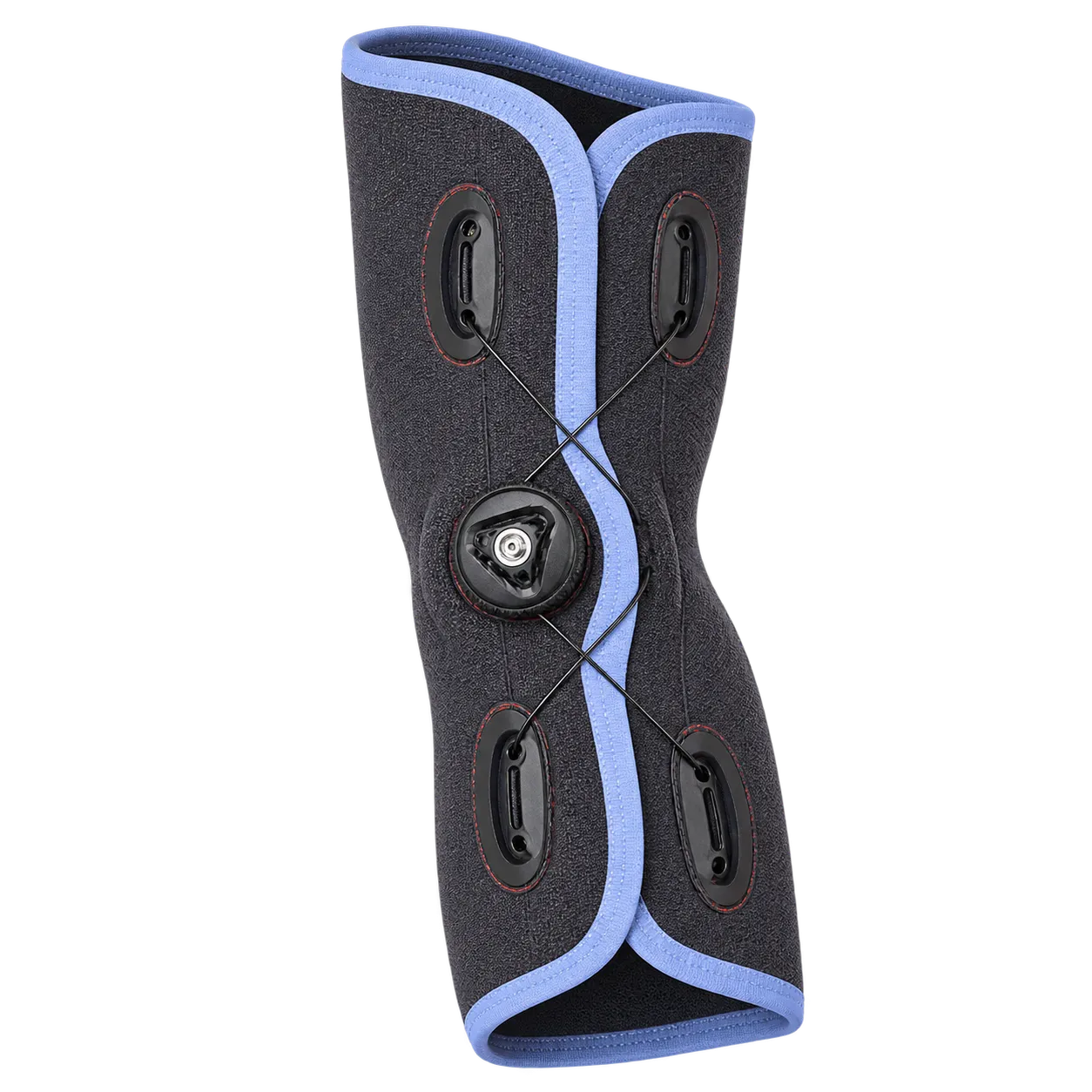
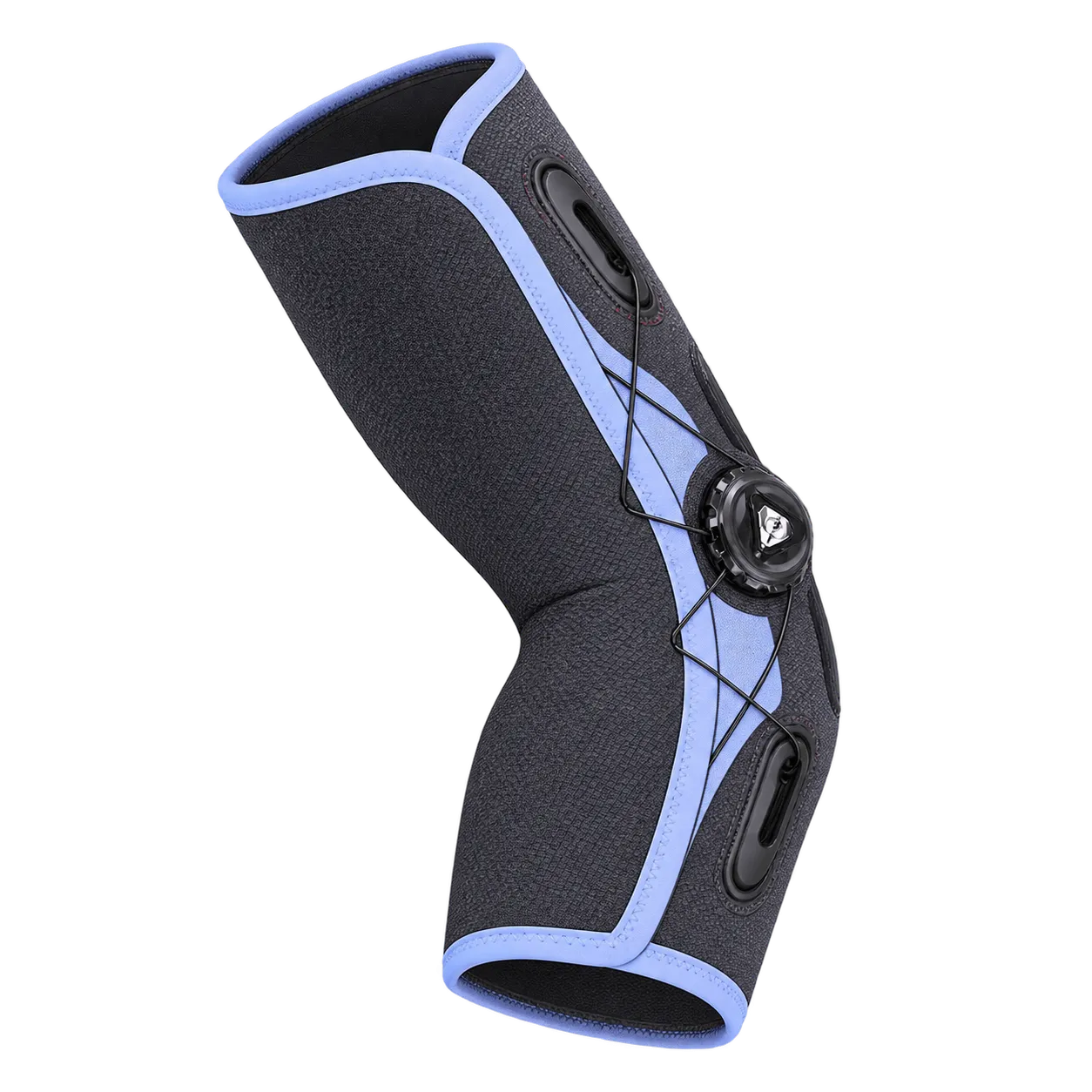
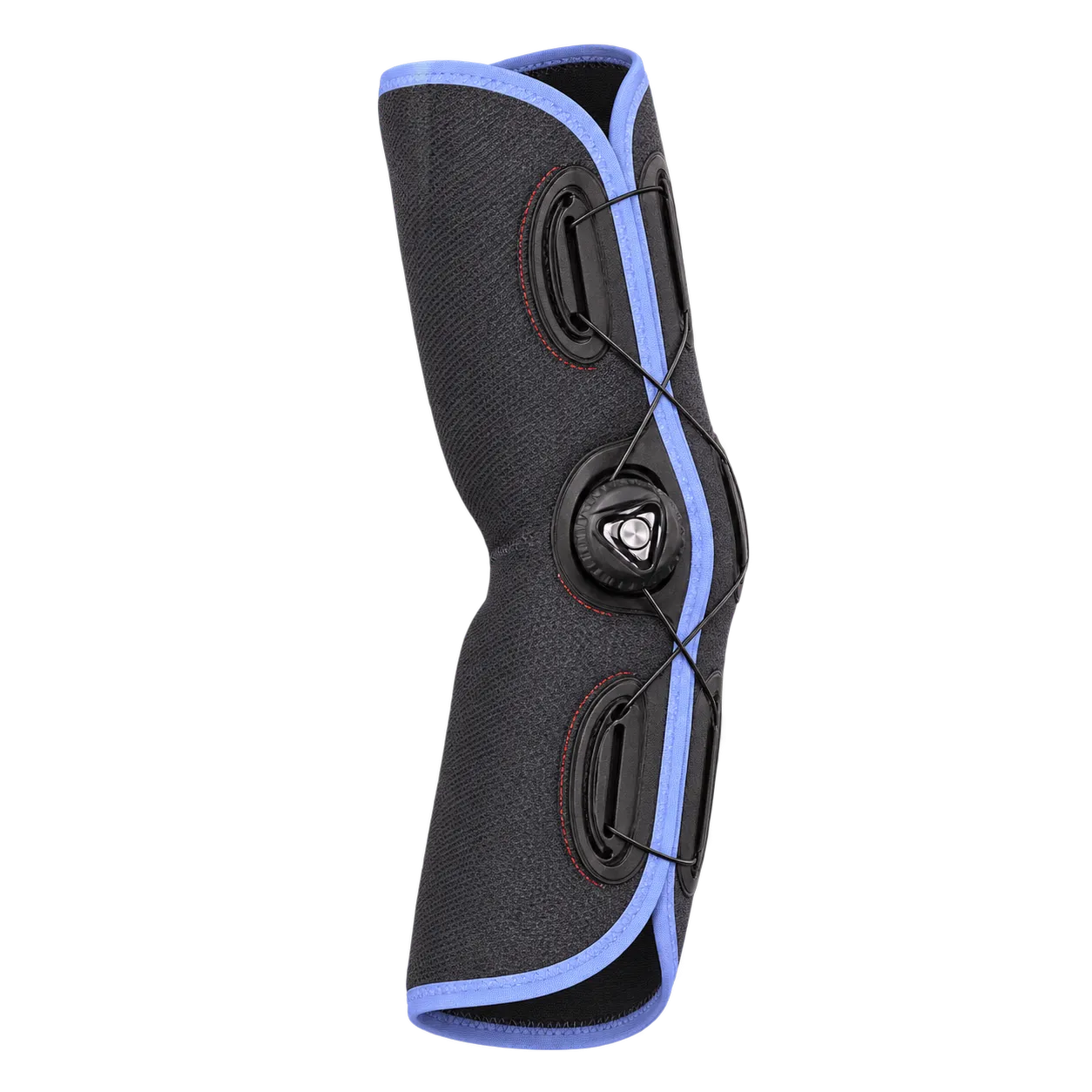
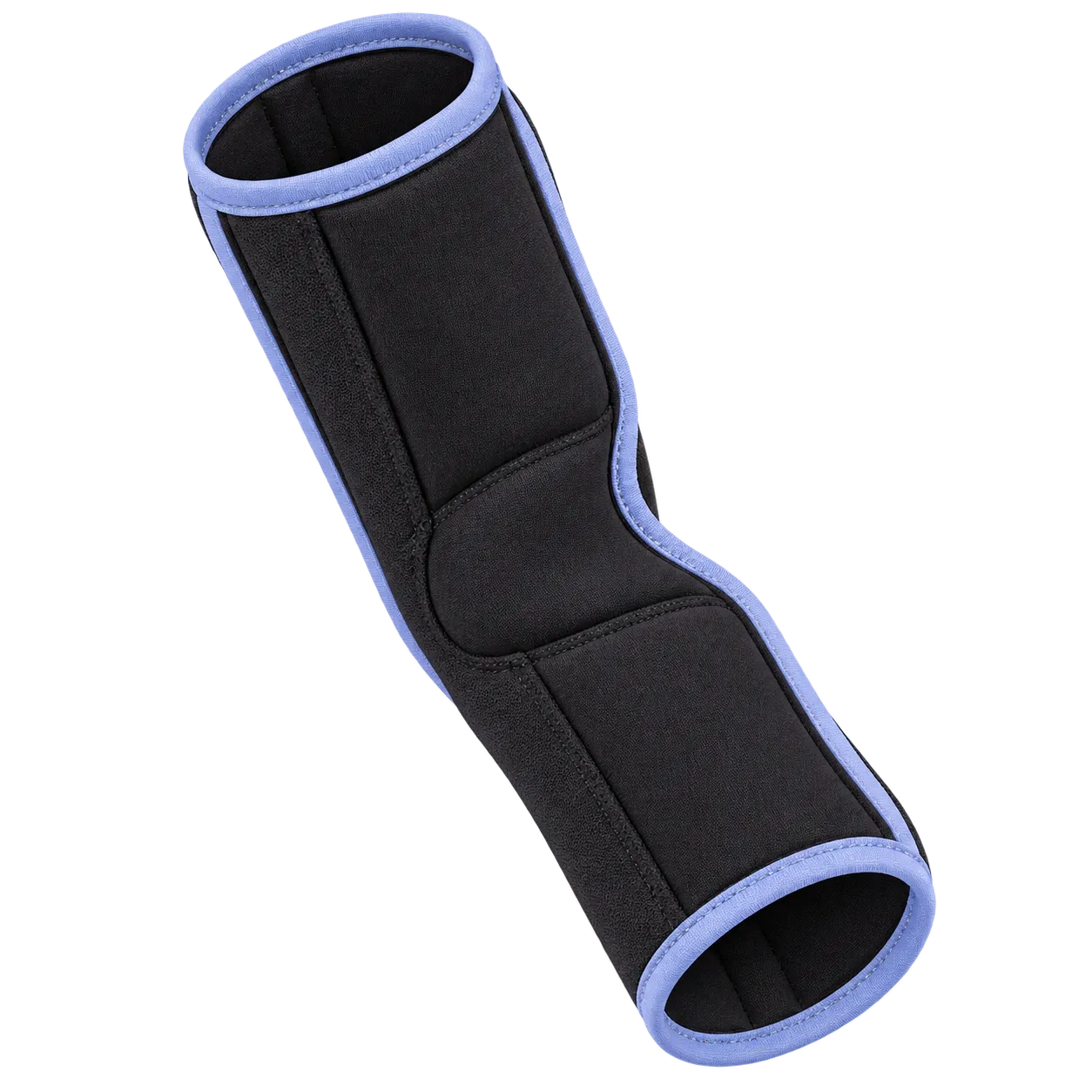
Fracture clinics can issue the BL-22001 where a removable brace suits a stable forearm or wrist fracture, or when a cast comes off and support is still wanted. Emergency departments that discharge minor wrist injuries to fracture clinic follow-up can hold it where local protocols specify a removable brace. Plastic and hand surgery services can use it after operations where the surgeon's protocol allows a prefabricated brace. Hand therapy and physiotherapy services can use it between sessions for soft tissue, tendon or ligament injuries, strains and overuse, while the therapy programme treats stiffness. Sports medicine clinics can use it for wrist sprains and overuse once they have excluded a fracture.
Safety sets the limits in every setting. Displaced or unstable fractures need reduction or fixation first, and a suspected scaphoid fracture needs imaging, with MRI considered first under NICE guidance. Early on, raise the arm and keep the dials loose enough for swelling, because over-tightening a rigid brace after a fresh injury can harm circulation. Patients need to know the warning signs, how to loosen the dials quickly and when the next review X-ray or clinic visit is due. Older adults with a wrist fracture may also need a bone health assessment, which fracture liaison services provide in many areas.
Buyers in NHS trusts and public health systems abroad use procurement routes that require a device's conformity status and registration. The conformity documentation those procurement routes require is issued by the manufacturer and shared by the enquiry team.