
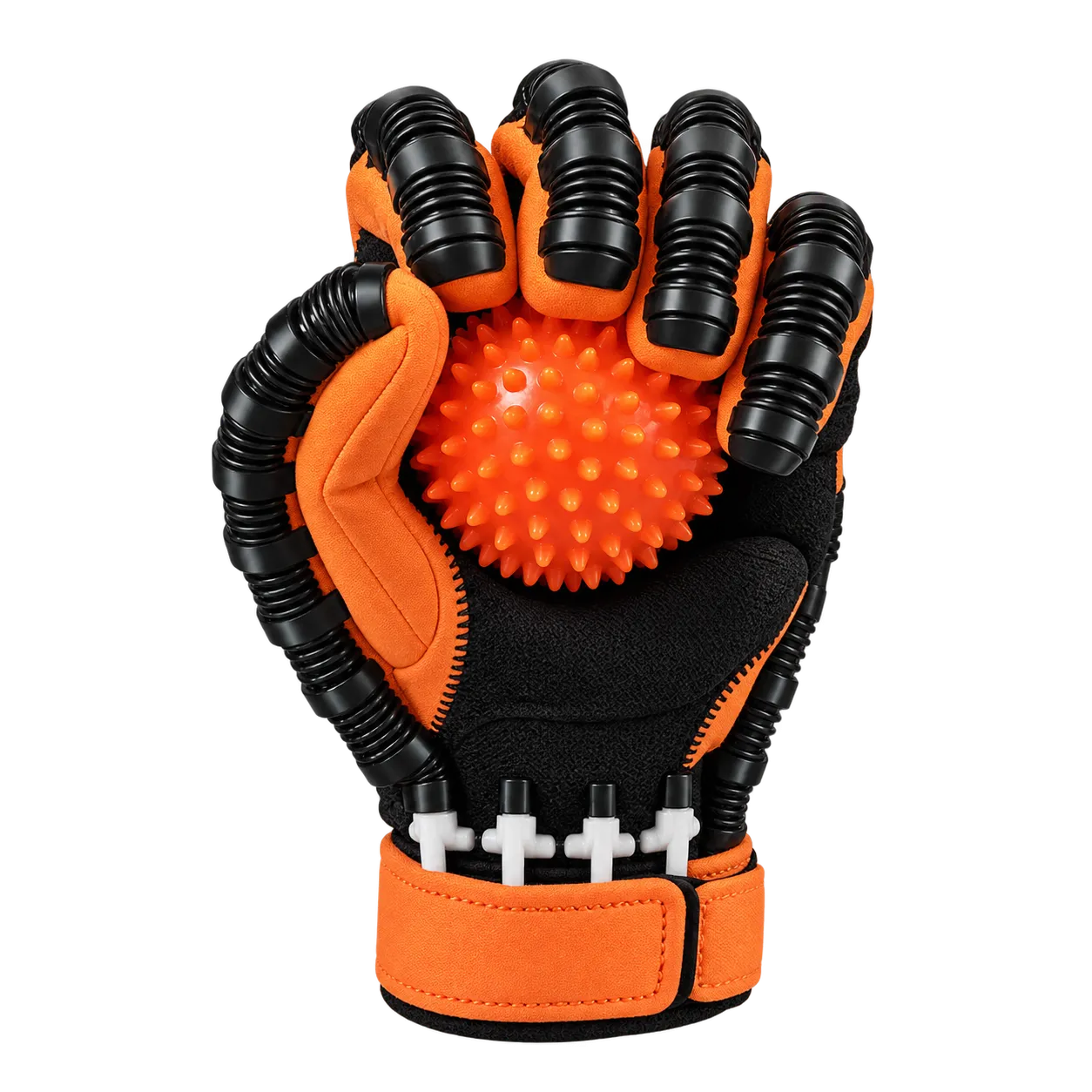
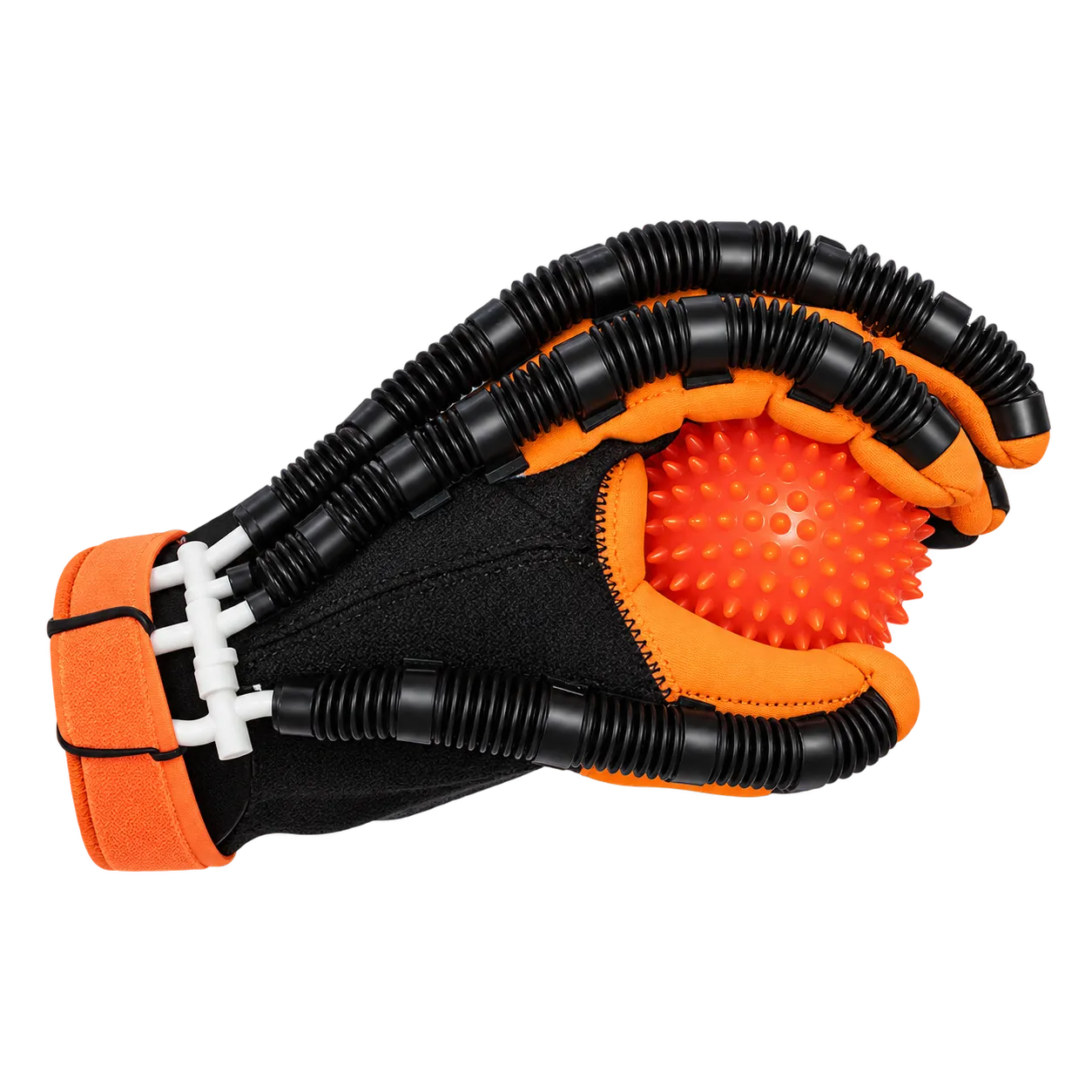
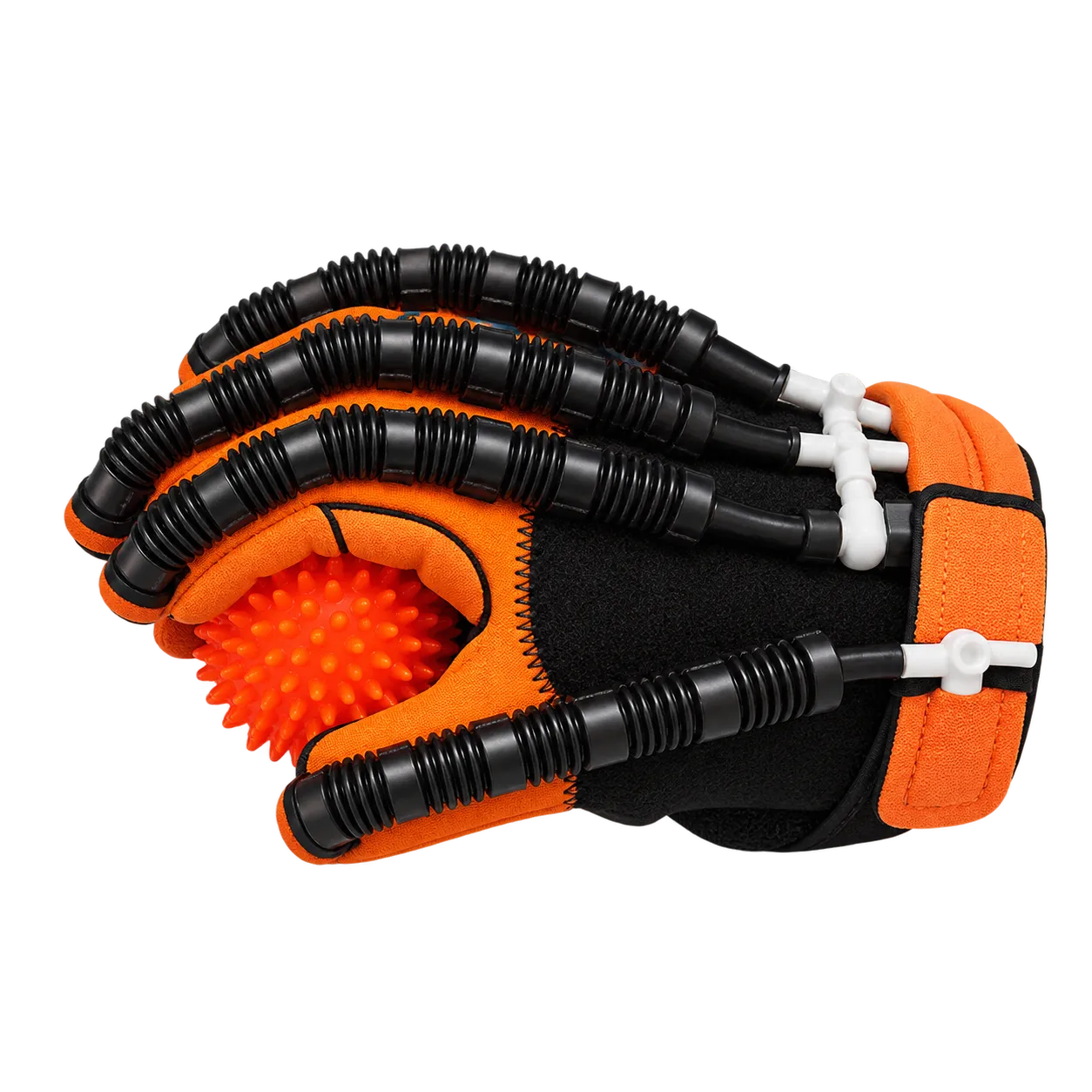
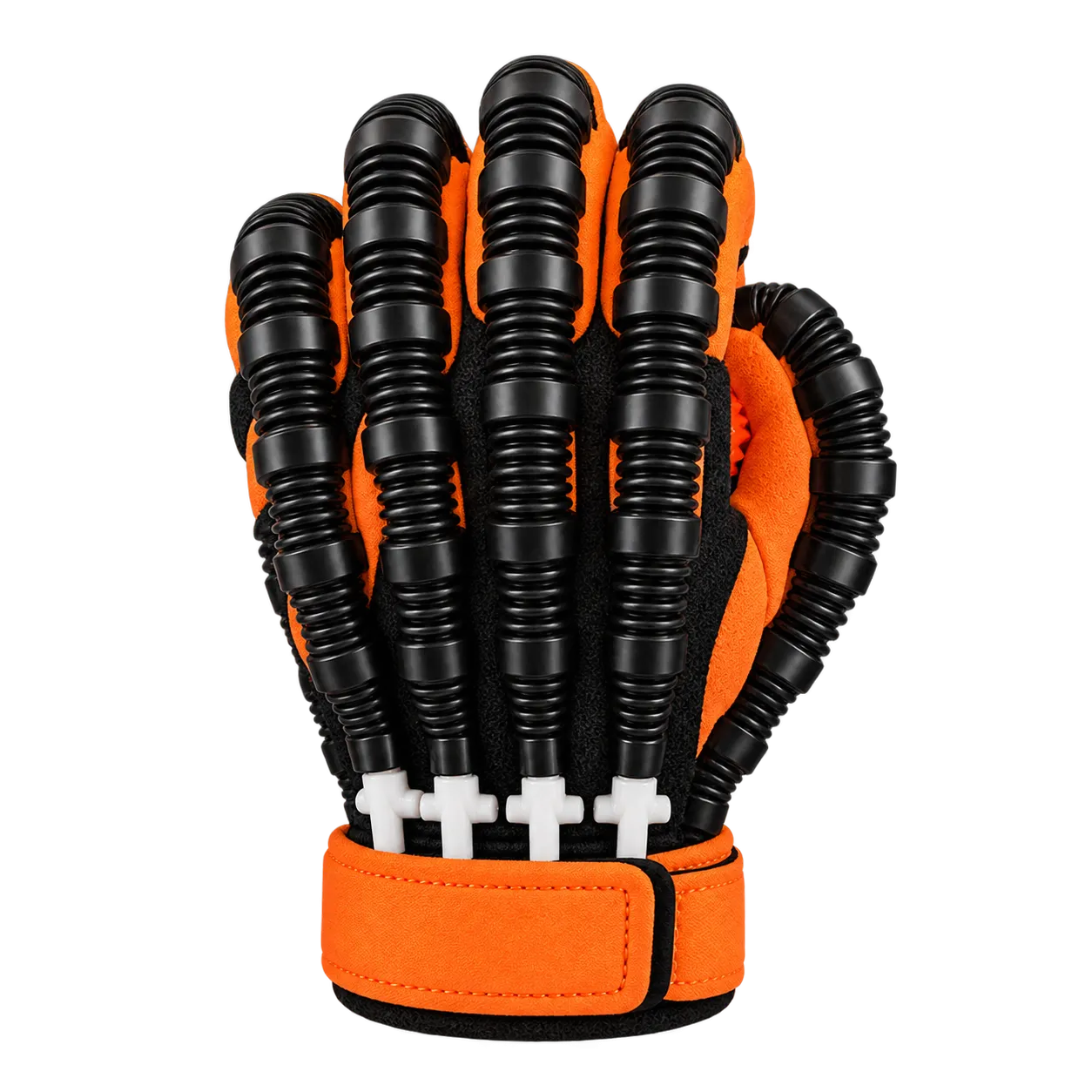
Community rehabilitation, falls and frailty services and occupational therapy teams working with older people can use the BL-120 for short daily practice where hand function has declined, once the cause has been assessed. Hand therapy services can use it after nerve release surgery when the surgeon's team agrees, and musculoskeletal and rheumatology services can add it to exercise plans for joint conditions. Care homes with therapy input can use it under a care plan that names who fits the glove, how long sessions last and what to watch for. Day centres with therapy staff can use it for supervised sessions where a simple routine matters.
Population fit sets the safeguards. A decline in hand function can signal nerve compression, a neurological change or an inflammatory flare, so assessment comes before training. Users need to be able to stop a session or have a carer present, older skin needs checking before and after use, and reduced sensation calls for closer supervision. As a powered device, it belongs in the organisation's medical device management system, with electrical safety checks before issue, a record of each user's size, side and mode, and WEEE handling at end of life. A short note after each session, recording mode, duration and any discomfort, helps the therapist adjust the plan.
NHS trusts, social care providers, and public health systems abroad purchase through procurement routes that require a device's conformity status and registration. The conformity documentation those procurement routes require is issued by the manufacturer and shared by the enquiry team.