
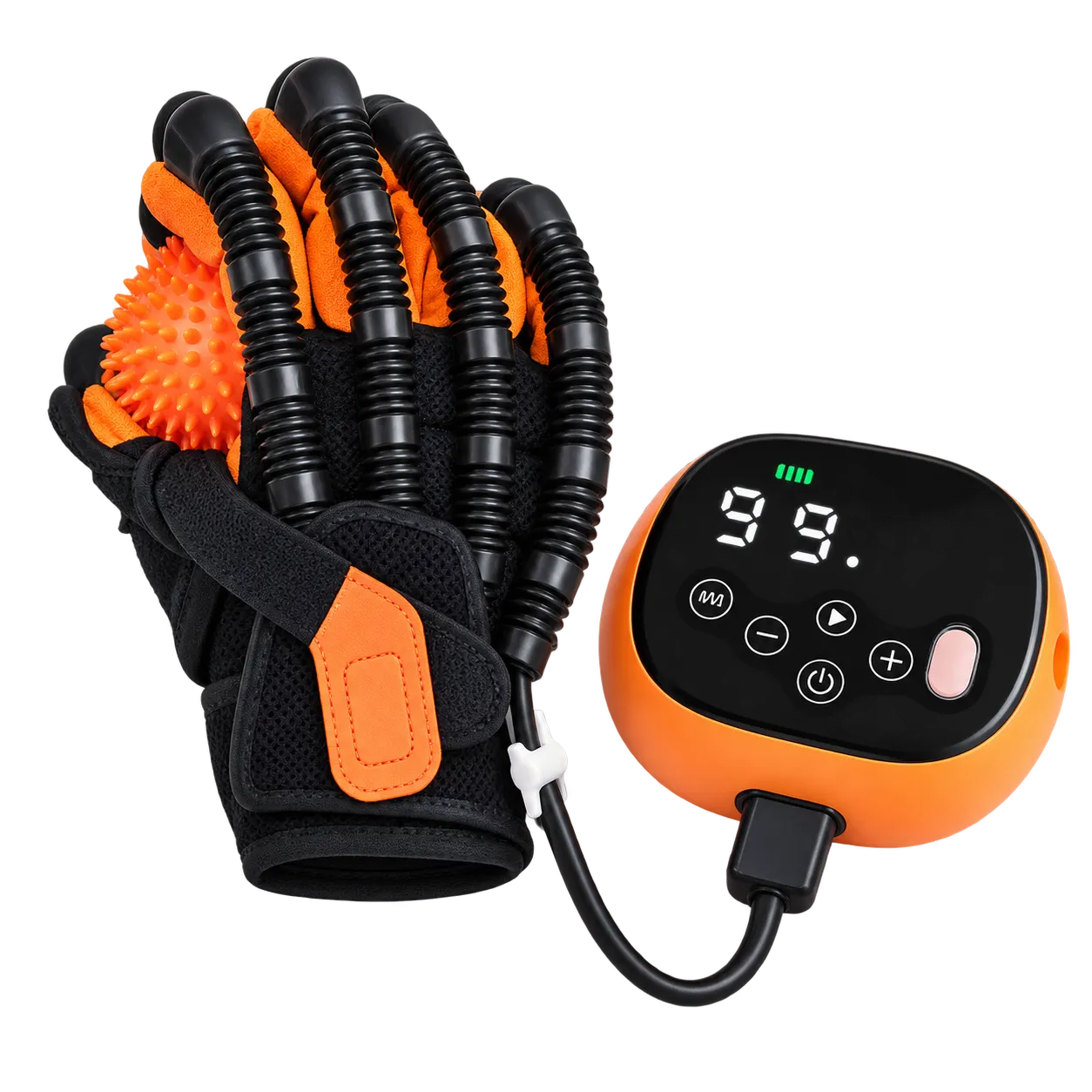
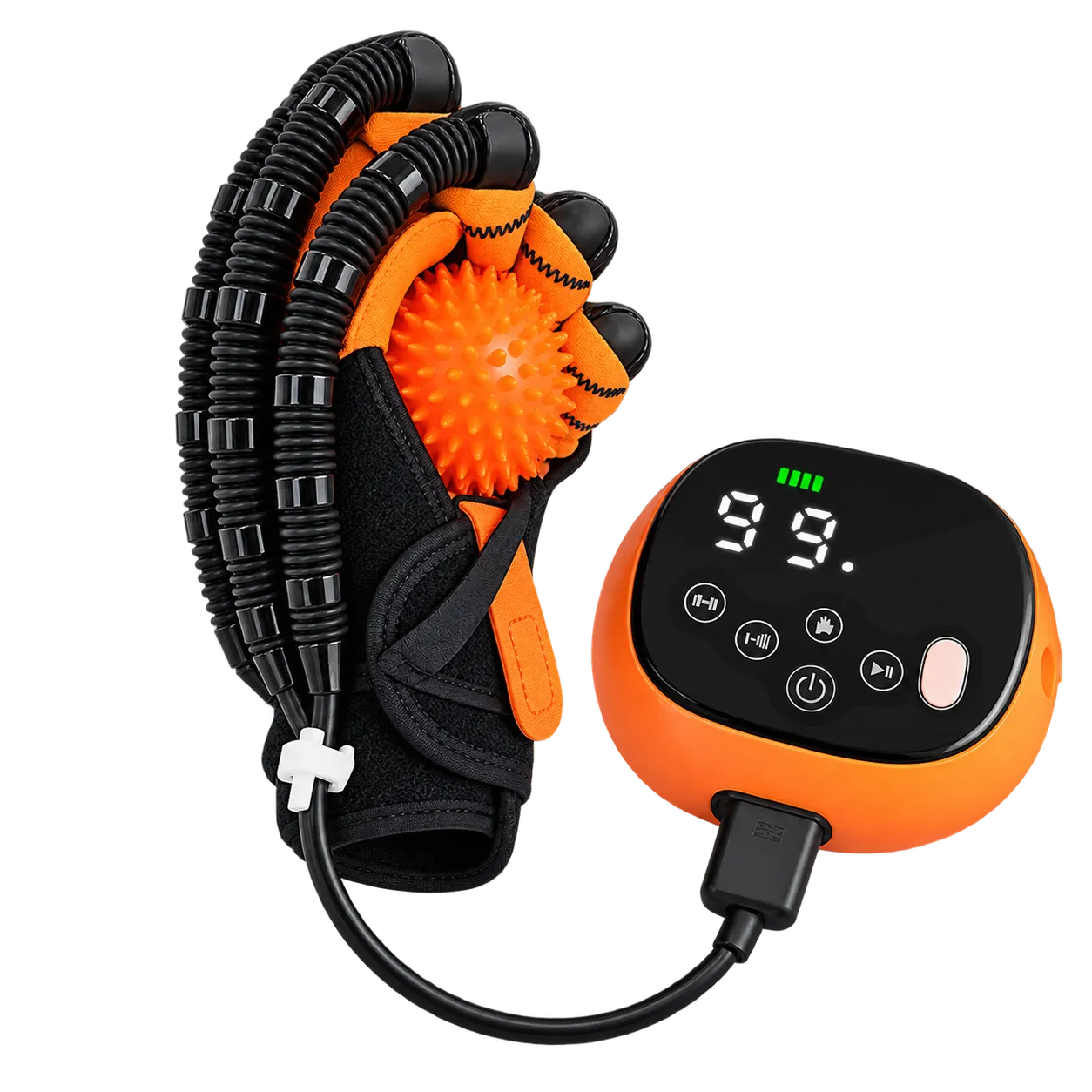
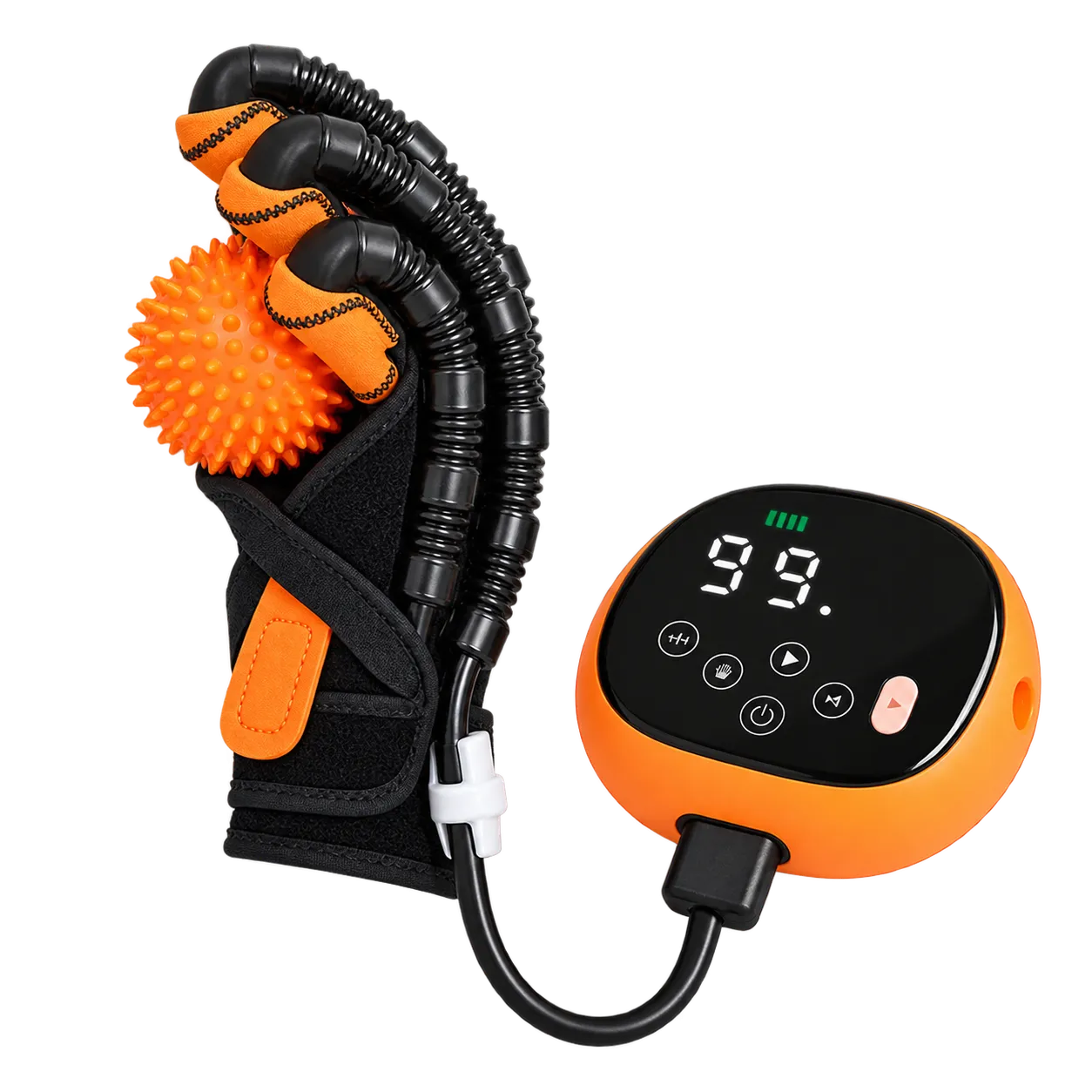
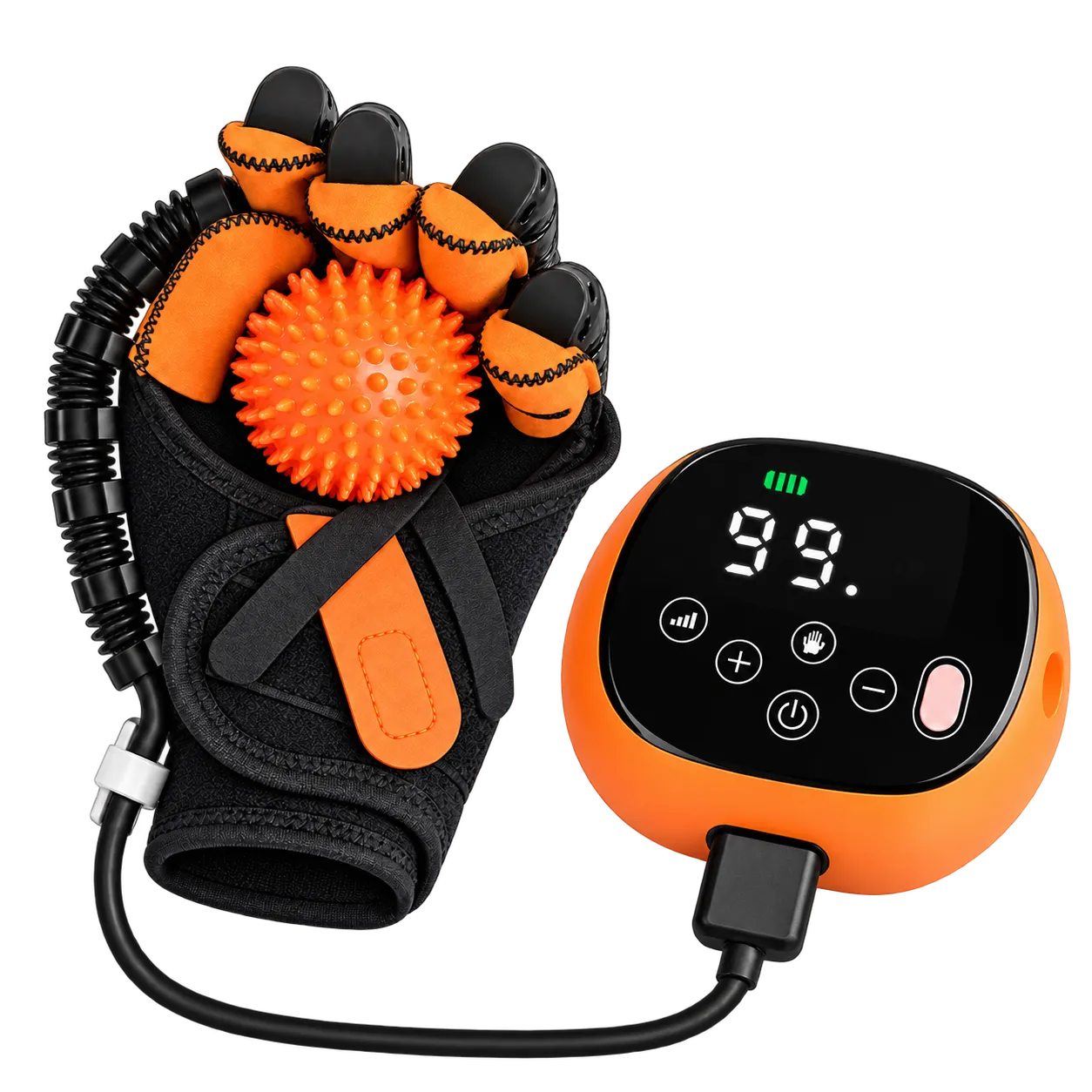
Neurological and stroke rehabilitation units can use the BL-116 within supervised programmes, keeping the heating off or at its lowest level for anyone with reduced sensation. Hand therapy and orthopaedic services can combine warmth and movement for joint stiffness where skin sensation is intact and the therapist agrees. Community teams supporting people who want to maintain daily hand function can issue it for home use once the patient or carer can follow the safety routine, including skin checks after every session. Day hospitals and outpatient therapy gyms can use the memory function to keep each patient's settings consistent between visits.
Heat changes the risk assessment. Peripheral nerve injury, diabetic neuropathy, poor circulation, and fragile skin all raise the chance of an unnoticed burn, so use heat only where a clinician has judged it safe and set the level. Services should confirm the maximum temperature, any automatic shut-off and the language of the voice prompts before issue. Staff should brief patients and carers on what each voice prompt means and keep a printed copy of the instructions with the unit. As a powered device, it belongs in the organisation's medical device management system, with electrical safety checks, a record of stored settings for each patient and WEEE handling at end of life.
Purchasing teams in NHS trusts, independent rehabilitation services and public systems overseas use procurement routes that ask for a device's conformity status and registration. The conformity documentation those procurement routes require is issued by the manufacturer and shared by the enquiry team.